
Coil Strapping Machine Malaysia — Need RFQ in 24 Hours and 6–8 Week Lead Times?
Do you constantly battle production bottlenecks, especially at the end of your line? Is the thought of manual coil strapping making you dread your daily operations, knowing it eats up time and puts your team at risk? Many factory managers, just like Michael Chen from Mexico, face these exact struggles. They need solutions fast, but they also need reliable partners. They cannot afford to wait months for equipment or deal with poor service after the sale. This is why getting a quick RFQ and a short lead time for a coil strapping machine feels like finding gold.
Yes, it is absolutely possible to get an RFQ for a coil strapping machine in 24 hours and secure lead times as short as 6-8 weeks, even for complex systems. This depends on partnering with a packing machine supplier who understands your urgent operational needs, maintains efficient production processes, and has a strong commitment to quick client response. While some may look specifically for suppliers in Malaysia, the real advantage comes from working with a global expert who can deliver quality solutions efficiently, no matter where your factory is located.
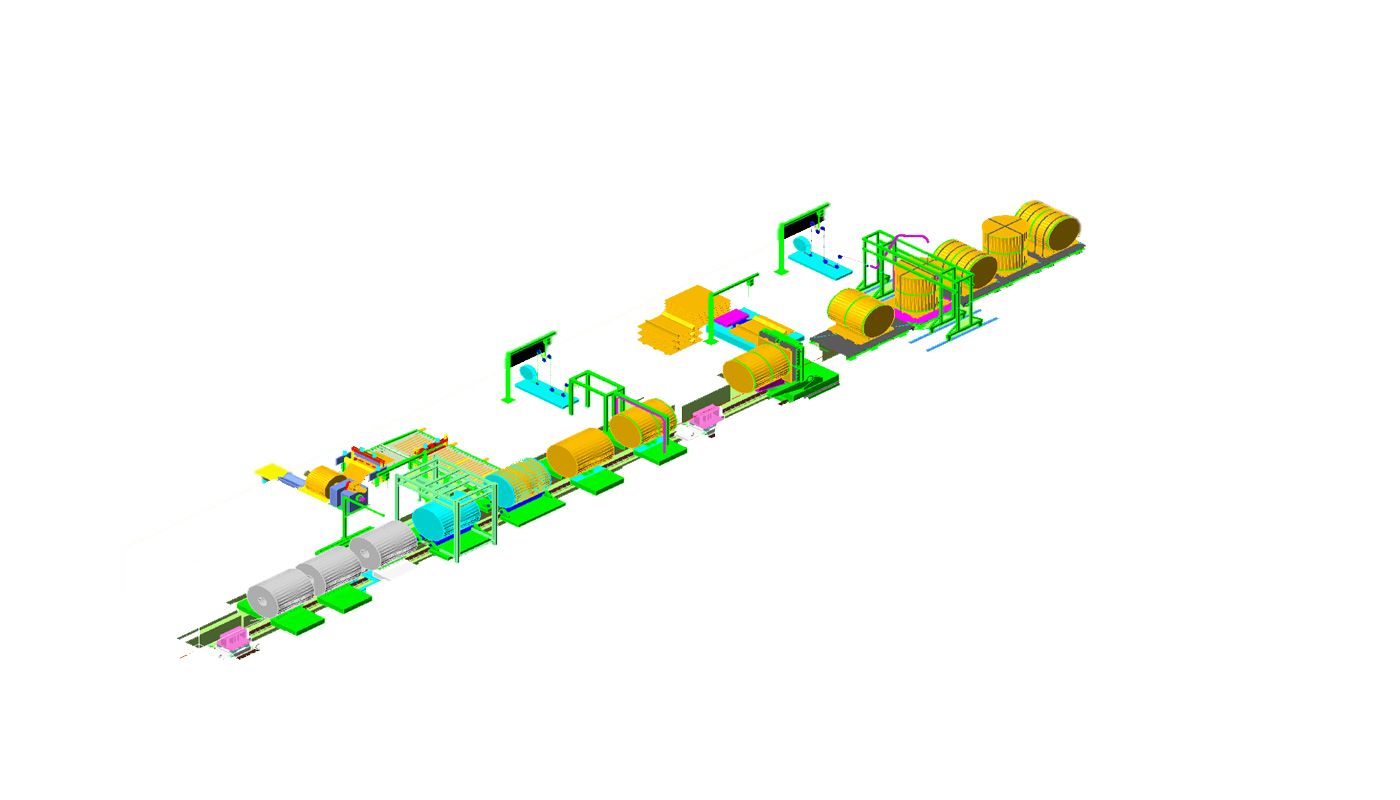
You know the feeling: the pressure to increase output, control costs, and keep everyone safe. It is a constant juggle. But what if you could address those challenges with a single, smart investment? Let us dive deeper into how modern coil strapping machines can transform your operation, and how to find the right partner for that journey.
Are Your Manual Packing Processes Slowing Down Production?
Are your factory’s production targets constantly missed because of slow, outdated packing methods? You push hard to manufacture more, but then everything grinds to a halt at the packaging stage. This bottleneck is not just frustrating; it directly impacts your delivery schedules and overall profitability. It is a common problem I have seen in countless factories.
Manual packing processes, especially for heavy items like steel coils or wire, are definite bottlenecks. They are slow, highly labor-intensive, and prone to human error, which directly impacts your overall production efficiency and delivery times. Investing in an automated coil strapping machine can significantly speed up your end-of-line processes, ensuring your packed products move out the door faster and more consistently.

The reality is, relying on manual labor for heavy-duty coil packing in a medium to large metal processing plant like Michael Chen’s is a recipe for inefficiency. I remember a time when I was setting up my own packing machine factory. We faced similar challenges in our initial internal processes. We learned quickly that manual handling, while seemingly cheaper upfront, carried huge hidden costs. It was not just the time it took for workers to manually strap each coil. It was the breaks they needed, the fatigue that set in, and the sheer physical effort required. This translated into fewer coils processed per shift.
Consider the numbers. A skilled worker might strap a certain number of coils in an hour. An automated machine can do the same work, often faster, and without breaks, twenty-four hours a day if needed. This difference in speed creates a massive gap in throughput. This gap widens even more when you factor in the variability of human performance. One day, a worker might be fast; the next, they might be slower due to tiredness or other factors. Machines provide consistent, predictable output. This predictability is vital for planning your production schedule and meeting delivery deadlines. Without it, you are always guessing, always playing catch-up.
Think about the process itself. Manually strapping a heavy coil involves workers positioning straps, tensioning them, and sealing them. This can be awkward and slow. An automated machine positions the coil, tensions the strap precisely, and seals it in a matter of seconds. This means less time per coil, and more coils processed per shift. This shift towards automation is not just about replacing human hands; it is about leveraging technology to achieve a level of speed and consistency that manual methods simply cannot match. It helps factory managers like Michael push through those production bottlenecks and keep their entire operation moving forward smoothly.
The Hidden Costs of Manual Packing
| Cost Factor | Manual Packing Impact | Automated Packing Benefit |
|---|---|---|
| Labor Speed | Slow, variable output | Fast, consistent throughput |
| Worker Fatigue | Decreased efficiency over time | Constant high performance |
| Overtime Pay | Often needed to meet targets | Reduced need for extra hours |
| Error Rate | Higher chance of mistakes | Precise, repeatable actions |
| Space Use | Often requires more area for manual operations | Compact, optimized footprint |
Is Manual Coil Handling Putting Your Workers at Risk?
Are you constantly worried about worker safety, especially when dealing with heavy coils and sharp edges? The daily risks involved in manual handling are significant, leading to injuries, high insurance costs, and staff turnover. It is a critical concern for any responsible factory manager, and one that often keeps them up at night.
Yes, manual coil handling significantly increases the risk of workplace injuries due to the extreme weight and unwieldy nature of steel coils and wire. Workers face dangers such as crush injuries, sprains, and cuts from sharp edges. Implementing automated coil strapping machines and handling systems drastically reduces the need for direct human interaction with heavy loads, leading to a much safer working environment, lower insurance premiums, and improved employee retention.

Safety is not just a regulatory requirement; it is a moral obligation and a business imperative. When I first started working in a packing machine factory, I saw firsthand the dangers workers faced. The sheer weight of metal coils makes them incredibly dangerous to handle manually. Even with forklifts, the final positioning and strapping often require workers to be in close proximity, increasing their risk. Imagine a worker manually flipping a heavy coil or trying to maneuver it into position for strapping. One slip, one wrong move, and the consequences can be severe. These are not just minor scrapes; we are talking about serious injuries like crushed limbs, back problems, and permanent disabilities.
These injuries come with a steep price tag. There are direct costs such as medical bills, worker’s compensation claims, and increased insurance premiums. But there are also indirect costs that often go unnoticed. Think about lost productivity when a skilled worker is out injured. Think about the time spent training new employees to replace them, only for those new hires to potentially face the same risks. High injury rates lead to low morale and high employee turnover, making it hard to build a stable, experienced team. Michael Chen’s concern about high insurance costs and employee churn is perfectly valid. It is a reflection of a system that is inherently unsafe.
Automating the handling and strapping process fundamentally changes this risk profile. When a machine takes over the lifting, turning, and strapping, workers can operate from a safe distance. They supervise the machine, load raw materials into it, and offload finished products. This means less direct contact with the heavy, dangerous coils. It reduces the chance of accidents caused by human fatigue, misjudgment, or physical strain. A well-designed automated system includes safety features such as emergency stop buttons, interlocks, and sensor-based detection systems to prevent accidents. Investing in these machines is not just about efficiency; it is about protecting your most valuable asset: your people. It is about creating a workplace where everyone feels safer and more secure. This commitment to safety builds trust with your employees and shows a true understanding of what it takes to run a successful, sustainable operation.
Comparing Safety Outcomes
| Aspect | Manual Handling Risks | Automated Handling Benefits |
|---|---|---|
| Injury Type | Crushes, strains, cuts, falls | Minimized direct contact risks |
| Worker Exposure | High, close proximity to load | Low, operates from a safe distance |
| Fatigue Factor | Significant impact on safety | Eliminated, machine consistency |
| Insurance Costs | Higher premiums, more claims | Lower premiums, fewer claims |
| Morale/Retention | Low morale, high turnover | Improved, safer workplace |
Are You Losing Profit Due to Damaged Steel Coils?
Have you ever shipped out a batch of perfectly manufactured steel coils, only to receive a complaint about damaged edges or surfaces? This product loss, often happening during internal transfer or packing, directly hits your bottom line and harms your reputation. It is a frustrating issue that many factory managers, including Michael, are determined to eliminate.
Yes, product damage during internal transfer and manual packing processes is a significant cause of profit loss and customer complaints for steel coil manufacturers. Edges can get dented, surfaces scratched, and the overall integrity of the coil compromised due to improper handling or inadequate strapping. Automated coil strapping machines offer precise and consistent handling and securing, minimizing the risk of damage and ensuring that coils arrive at the customer’s site in pristine condition, thus protecting your profits and brand reputation.

Product quality extends beyond manufacturing. It continues right through the packaging and shipping stages. For steel coils, even a minor dent on an edge or a scratch on the surface can render the product unacceptable to a client. I have seen this happen too many times. A client of mine, who manufactures high-grade steel wire, came to me with a similar issue. They were losing money on every other shipment due to transit damage, even after all the hard work in production. This was not just about the cost of the damaged product; it was also about the cost of reprocessing, reshipping, and worst of all, losing customer trust.
Manual handling greatly increases the risk of damage. When workers have to physically move, tilt, or adjust heavy coils, there is a higher chance of accidental drops, scrapes against floors or walls, or impacts with other objects. Furthermore, manual strapping might not apply consistent tension, or the straps might not be positioned correctly. This can lead to coils shifting during transit, causing them to rub against each other or against the transport vehicle, resulting in damage. Imagine a large steel coil, weighing several tons, being jostled around in transit because the straps were not tight enough or were applied unevenly. The edges are particularly vulnerable. A small impact can cause a deformation that makes the coil unusable for its intended purpose.
Automated coil strapping machines eliminate many of these risks. They are designed to handle coils gently and precisely. The machine secures the coil in place before strapping begins. Straps are applied with consistent, adjustable tension around the entire circumference. This uniform tension ensures the coil is tightly bound, preventing movement during transportation. Many advanced machines also include features like automatic edge protection applicators, which place plastic or cardboard protectors on the coil edges before strapping, offering an extra layer of defense against impact damage. This level of precision and consistency is impossible to achieve with manual methods. By reducing product damage, you reduce waste, rework, and customer complaints. This directly improves your profitability and strengthens your relationships with clients. It builds a reputation for reliability and quality, which is invaluable in the competitive metal processing industry.
Impact of Damage on Profitability
| Factor | Manual Handling Damage Impact | Automated Handling Damage Prevention |
|---|---|---|
| Product Integrity | High risk of dents, scratches | Maintained, protected surfaces |
| Waste & Rework | Frequent need for re-processing | Significantly reduced |
| Customer Satisfaction | Lowers trust, increases complaints | Builds trust, positive feedback |
| Shipping Costs | Potential for return shipping | Minimized, single successful delivery |
| Brand Reputation | Can be severely tarnished | Enhanced, known for quality |
How Can You Find a Packing Machine Partner You Can Truly Trust?
Are you tired of dealing with equipment suppliers who disappear after the sale, leaving you high and dry with technical issues? Finding a true partner, someone who understands your unique production challenges and offers long-term support, is crucial. It is about more than just buying a machine; it is about investing in a relationship.
Finding a trustworthy packing machine partner involves looking beyond initial sales pitches to a company’s track record, after-sales service commitment, and deep industry knowledge. A reliable partner will offer comprehensive support, understand your specific operational bottlenecks, and provide solutions that guarantee a clear return on investment. They will not just sell you a machine; they will work with you to solve your problems and help your business grow, just as I have helped many clients grow theirs.

Michael Chen’s experience with untrustworthy suppliers is unfortunately common. I have seen it many times in my journey. Companies focus only on making a quick sale, then they forget about the customer. This approach leaves factory managers with expensive equipment that might not perform as promised or, worse, breaks down without adequate support. When I established my packing machine factory, I made a strong commitment: we would be different. We would build relationships based on trust and deliver real value. This meant understanding the client’s actual problems, not just pushing a product.
A true partner listens. They ask about your efficiency bottlenecks, your safety concerns, and your product damage issues. They do not just nod; they actively seek to understand the nuances of your operation. For instance, when a client approached me years ago about their steel wire packing, they initially thought they just needed a faster machine. But after a detailed discussion, we uncovered that their biggest problem was not speed, but consistent tensioning to prevent wire damage during transit. My team and I worked with them to customize a solution that addressed that specific issue, leading to a huge reduction in customer complaints and a significant increase in their overall profitability. This kind of deep dive into your operational reality is what sets a true partner apart.
Furthermore, look for a partner with extensive industry experience. Someone like me, who has worked from the factory floor up, understands the daily pressures of running a plant. I know what it means when a machine goes down. I know the importance of reliable parts and quick technical support. A partner should not only supply the machine but also provide comprehensive training for your team, offer maintenance guidance, and be readily available for troubleshooting. They should be transparent about lead times, installation processes, and what kind of support you can expect long after the invoice is paid. This holistic approach ensures your investment in automation truly pays off, rather than becoming another source of frustration. Trust is built on consistent performance, clear communication, and a genuine desire to see your business succeed. It is the cornerstone of sustainable growth, and it is what FHOPEPACK stands for.
Hallmarks of a Trustworthy Partner
| Characteristic | Unreliable Supplier | Trustworthy Partner |
|---|---|---|
| Sales Focus | Quick sale, push products | Problem-solving, solution-oriented |
| After-Sale Support | Minimal, slow response | Robust, proactive, available |
| Industry Knowledge | Superficial, generic | Deep, specific to your challenges |
| ROI Clarity | Vague promises | Clear, data-driven projections |
| Relationship | Transactional | Long-term, collaborative |
What Does “Master Packing Machine” Really Mean for Your Business?
You see our slogan, “MASTER PACKING MACHINE,” but what does that truly translate to for your factory? Is it just a catchy phrase, or does it signify a profound advantage for your operations? It is a question worth exploring, because for factory managers like Michael, the answer can mean the difference between stagnation and significant growth.
“MASTER PACKING MACHINE” for your business means leveraging unparalleled expertise and deep industry insight to design, build, and implement packing solutions that precisely meet your unique operational demands. It signifies a commitment to delivering machines that are not just high-performing but also durable, efficient, and tailored to solve your specific challenges, ensuring you achieve optimal productivity, safety, and profitability in your coil and wire packing processes. It is about bringing my journey and experience directly to your factory floor.
When I talk about mastering packing machines, it is not just about building a machine that works. It is about understanding the entire ecosystem of a metal processing plant. It is about recognizing that a machine is only as good as its ability to integrate seamlessly into your existing workflow and solve your real-world problems. My journey, from an employee on the factory floor to establishing a successful packing machine factory, gave me a unique perspective. I have been in the shoes of the engineers, the operators, and the managers. I have seen the challenges firsthand. This experience shapes every machine we design and every solution we propose.
For your business, mastering packing machines means we do not offer one-size-fits-all solutions. We understand that your factory in Mexico, or a factory in Malaysia, will have its unique space constraints, production volumes, and material handling specifics. We take the time to analyze your specific situation. This involves looking at the type of coils you produce, their weight and dimensions, your desired output speed, and even the climate of your location. For example, if you are dealing with very heavy gauge steel, the strapping force required is different from lighter gauge wire. If your factory has limited floor space, we might propose a more compact or integrated system.
This mastery also extends to the quality and durability of our machines. I learned early on that a cheap machine that breaks down often costs far more in the long run due to downtime and repairs. Our focus is on building robust, reliable equipment that can withstand the demanding, high-intensity environment of a heavy manufacturing plant. This means using high-quality components, applying rigorous testing, and designing for ease of maintenance. When we say “Master Packing Machine,” it is our promise to deliver not just a piece of equipment, but a comprehensive, reliable solution backed by real-world experience, ensuring your investment truly enhances your operations and drives your business forward. It is about bringing that expertise to you, helping you grow, just as the industry has helped me grow.
The Pillars of “Master Packing Machine”
| Pillar | Description | Benefit for Your Business |
|---|---|---|
| Deep Expertise | Years of hands-on experience from factory floor to ownership | Solutions truly understand and solve your problems |
| Custom Solutions | Tailoring equipment to your specific coil type, volume, and space | Optimal fit and performance for your unique needs |
| Robust Durability | Built with high-quality components for heavy industrial use | Minimal downtime, long operational life |
| Proven ROI | Focus on reducing costs, increasing safety, preventing damage, boosting output | Clear financial returns on your investment |
| Partnership Focus | Ongoing support, training, and a commitment to your long-term success | Reliable, trustworthy long-term relationship |
Conclusion
Investing in automated coil strapping machines is a strategic move to tackle efficiency, safety, and product damage challenges. Partnering with FHOPEPACK means gaining an expert who understands your needs, delivering reliable solutions quickly, and helping your business thrive.








