
Coil Strapping Machine Malaysia — How Do You Reach 100% Coil Traceability via MES/ERP Integration?
Are you a factory manager in Malaysia struggling with slow coil packing, safety issues, or damaged products? I know the pressure you face. Manual processes cause delays and expose your team to risks. They also make it hard to track your products from start to finish. This lack of clear visibility can cost you money and customer trust.
You can reach 100% coil traceability by integrating your coil strapping machines directly with your factory’s Manufacturing Execution System (MES) or Enterprise Resource Planning (ERP) system. This connection allows for real-time data capture at every packing stage, from raw material to finished product shipment. It ensures that every coil’s journey is logged and tracked without gaps.

I have seen many factories in the heavy industry face these exact problems. My own journey, from an employee to owning a successful packing machine factory, showed me these challenges firsthand. I learned that simply buying a machine is not enough. You need solutions that truly solve your problems and help your business grow. This article will show you how to tackle these issues head-on. We will look at how modern coil strapping machines and smart system integration can transform your operations in Malaysia.
What are the Common Bottlenecks in Coil Packing Operations?
Are your current coil packing methods slowing down your entire production line? Many factories, especially those dealing with heavy materials like steel coils and wires, face this exact problem. Manual packing is slow. It creates a backlog at the end of the production process. This bottleneck stops you from meeting your delivery deadlines. It also limits your overall output.
The most common bottlenecks in coil packing operations stem from relying too much on manual labor for heavy lifting, wrapping, and strapping tasks. This approach leads to slow cycle times, inconsistent package quality, and significant production delays at the final stage before shipment. It also increases the risk of product damage.

From my experience, I have seen these bottlenecks stop factories from growing. I remember starting my own factory. I realized that efficiency was key. Any delay in packing meant the whole line suffered. I had to find ways to make things faster and smoother. I learned that understanding the root cause of these problems is the first step. You cannot fix what you do not fully understand.
Identifying the Slowdowns and Their Impact
Many factors contribute to bottlenecks in coil packing. These factors include outdated equipment and human limitations. Here is a breakdown of common problem areas and their effects.
- Manual Handling and Strapping: Workers must manually move heavy coils. They then apply straps by hand. This process takes a lot of time. It is also physically demanding. A worker can only do so much in an hour. This limits your output, no matter how fast your machines before packing are. It also leads to inconsistent strap tension and placement. This affects how secure the coil is during transit.
- Lack of Automation: Without automated systems, each step, from measuring to wrapping to strapping, needs direct human involvement. This adds minutes to each coil. These minutes add up quickly when you handle hundreds or thousands of coils daily. Automation significantly cuts down on this time.
- Product Damage During Internal Transit: Coils often get damaged when moved from production to packing areas. This is especially true if handling is manual or equipment is old. Edges can get bent. Surfaces can get scratched. This damage leads to customer complaints and financial losses. It means you have to either rework the coil or scrap it entirely. Both options are costly.
- Quality Control Issues: Manual packing can mean inconsistent quality. Straps may not be tight enough. Packaging materials may not be applied evenly. This affects how well the coil is protected. It also makes it harder to maintain a good brand image. Customers expect perfect products.
These bottlenecks do more than just slow things down. They also increase your operational costs. You spend more on labor. You lose money on damaged products. Your reputation suffers. Addressing these bottlenecks means looking at the entire process. You need to identify where the delays happen most often. Then, you can bring in the right technology. This technology helps streamline the packing process. It turns a slow, risky operation into a fast, safe, and efficient one. When I built my factory, I focused on smooth flow from start to finish. I learned that every small delay has a ripple effect on the whole business.
How Can Automation Improve Safety in Coil Handling?
Are your workers at risk every day when handling heavy coils? Manual coil handling involves significant safety hazards. Workers can suffer sprains, crushing injuries, or even worse accidents. This is a big problem for any factory manager. High injury rates lead to increased insurance costs. They also lead to high employee turnover. Both of these hurt your business.
Automation improves safety in coil handling by drastically reducing or eliminating the need for human interaction with heavy, unstable loads. Automated coil strapping machines and material handling systems use robotics, conveyors, and integrated controls to move, position, and secure coils, protecting workers from direct contact with dangerous machinery and heavy products.

I have always believed that worker safety is paramount. When I was an employee, I saw the dangers firsthand. When I started my own factory, I made safety a top priority. No amount of production is worth a single injury. Investing in automation is not just about efficiency. It is also a commitment to your team’s well-being. It is about creating a workplace where people feel secure.
Real-World Safety Benefits of Automated Systems
Automated systems make the workplace much safer. They remove the human element from the most dangerous tasks. This significantly lowers the risk of accidents. Here are some key ways automation boosts safety.
- Reduced Manual Lifting and Positioning: One of the biggest risks in coil handling is lifting and positioning heavy coils. Workers can strain their backs. They can drop coils. Automated systems use specialized equipment. These include coil cars, up-enders, and precise conveyors. These machines do all the heavy lifting and precise positioning. Workers simply monitor the process from a safe distance. This eliminates direct contact with heavy loads.
- Minimized Human-Machine Interaction: In a manual setting, workers must get close to moving machinery. They interact with sharp edges and heavy parts. Automated coil strapping machines are often enclosed. They operate behind safety barriers. Sensors stop the machine if a person enters a restricted zone. This creates a clear separation between people and dangerous moving parts.
- Consistent and Predictable Operations: Human error is a major cause of accidents. Workers can get tired or distracted. Machines, however, operate consistently. They follow programmed steps every time. This predictability reduces unexpected movements or malfunctions caused by human mistakes. It makes the entire process more reliable and safer.
- Improved Ergonomics: Even without direct accidents, repetitive strain injuries are common in manual packing. Bending, twisting, and repetitive motions can lead to long-term health issues. Automation eliminates these physically demanding tasks. This improves the overall ergonomic conditions for your workforce. Workers can focus on supervisory roles rather than physically straining tasks.
By investing in automated coil strapping machines and integrated handling systems, you protect your most valuable asset: your employees. A safer workplace also means a happier, more productive team. It reduces your insurance claims. It also lowers your employee turnover. This creates a more stable and cost-effective operation. I have seen how a focus on safety through automation not only protects people but also strengthens the business financially.
What is the Real ROI of Investing in an Advanced Coil Strapping System?
Are you wondering if investing in a new coil strapping machine will truly pay off? Many factory managers focus on the upfront cost. They might miss the bigger picture. An advanced coil strapping system is not just an expense. It is a strategic investment. It delivers a clear return on investment (ROI) through various cost savings and efficiency gains.
The real ROI of investing in an advanced coil strapping system comes from significant reductions in labor costs, a drastic decrease in product damage, and a substantial increase in overall production throughput. These machines also lead to lower insurance premiums due to improved safety and enhanced customer satisfaction from consistent, high-quality packaging, directly boosting your factory’s profitability.
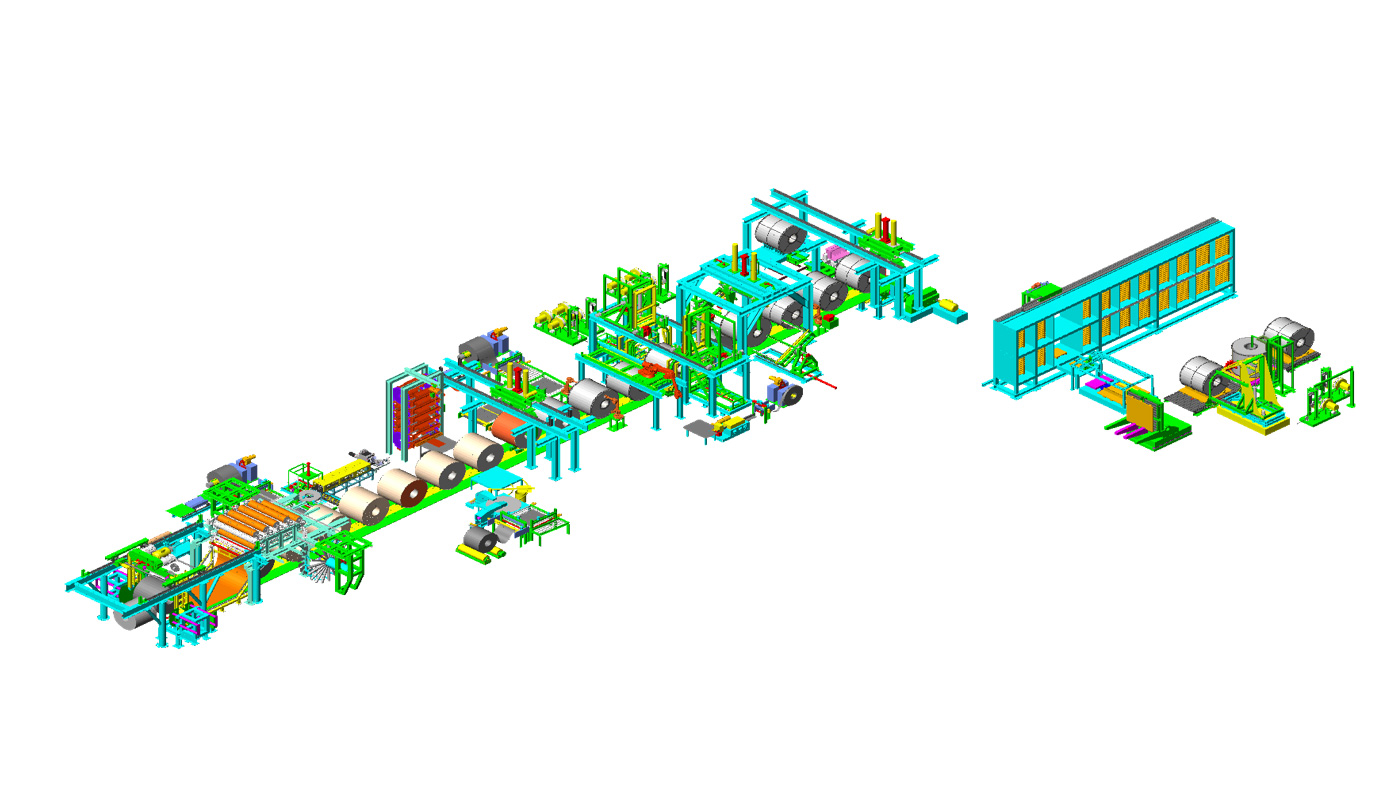
When I was building my factory, every investment had to make sense. I needed to see a clear path to getting my money back and then some. This meant looking beyond the price tag. I focused on how a machine would impact my long-term costs and my ability to serve more clients. I know factory managers like Michael Chen need practical, data-driven reasons to make big purchases.
Quantifying the Return: Beyond the Initial Price Tag
Calculating the ROI for an automated coil strapping system involves looking at several areas where you will save money and gain efficiency. Here is how to break it down.
- Labor Cost Reduction: This is often the most direct and impactful saving. An automated machine can do the work of several people. You might need one operator to supervise the machine. This frees up other workers for different tasks. Or, it reduces your overall labor needs. Over time, these savings accumulate. They far outweigh the machine’s initial cost. Consider the wages, benefits, and training costs associated with manual labor. These are greatly reduced.
- Reduced Product Damage: Manual handling and inconsistent strapping often lead to damaged coils. This means rework, scrap, or customer returns. An automated system handles coils gently. It applies straps with consistent tension and accuracy. This significantly reduces damage. Every damaged coil avoided is money saved and profit protected. It also means fewer customer complaints. This builds trust and encourages repeat business.
- Increased Throughput and Production Capacity: Automation means faster packing cycles. A machine works continuously without getting tired. This increases your overall production speed. You can process more coils in the same amount of time. This allows you to take on more orders. It also helps you meet tight deadlines. This directly translates to higher revenue potential for your factory.
- Lower Insurance and Safety Costs: As discussed earlier, automation vastly improves safety. Fewer accidents mean lower workers’ compensation claims. It also means lower insurance premiums. A safer workplace also reduces absenteeism and employee turnover. This creates a more stable and efficient workforce. These indirect savings contribute significantly to your bottom line.
- Improved Packaging Quality and Customer Satisfaction: Automated systems provide consistent, high-quality packaging. This makes your products look professional. It also ensures they arrive safely. Happy customers are loyal customers. They are more likely to place future orders. This leads to long-term business growth and a stronger market position.
Evaluating the ROI means adding up all these benefits. It is not just about cutting costs. It is also about boosting your factory’s capacity and reputation. When I help my clients, I always emphasize these long-term gains. An advanced coil strapping system is not just equipment. It is a tool for sustained profitability.
Why is MES/ERP Integration Crucial for 100% Coil Traceability?
Are you struggling to track every single coil from your production line to your customer’s door? Without full visibility, it is impossible to know exactly where a coil is, what has happened to it, or its quality data. This lack of traceability causes big problems. It makes quality control hard. It makes recalls impossible. It can lead to customer disputes.
MES/ERP integration is crucial for 100% coil traceability because it creates a seamless flow of data across all stages of production and packing. When your coil strapping machine connects directly to your Manufacturing Execution System (MES) or Enterprise Resource Planning (ERP) system, every coil’s unique ID, packing specifications, weight, strap tension, and time of strapping are automatically logged. This real-time data ensures accurate tracking, enhances quality control, and provides a complete historical record for every single coil.
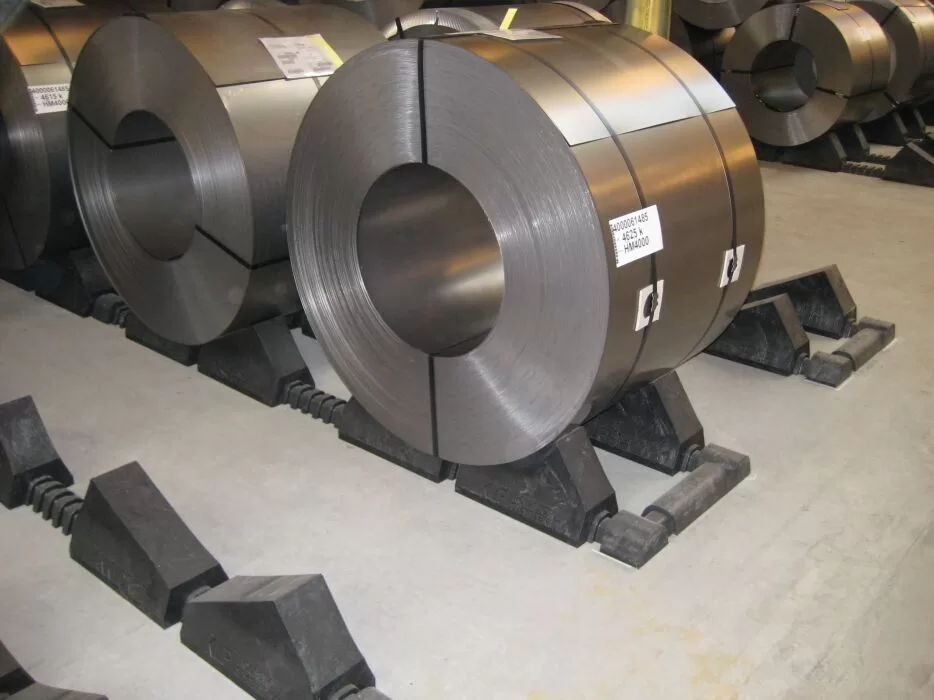
My journey in the packing machine industry has always been about solving complex problems. I realized early on that just packing a coil was not enough. My clients needed to know what happened to that coil. They needed to trust their data. That is why I focused on solutions that integrate seamlessly. I believe that complete visibility is the backbone of a truly efficient and reliable factory.
The Power of Connected Data in Modern Manufacturing
Integrating your coil strapping machine with your MES or ERP system is a game-changer. It moves you from fragmented data to a fully connected and transparent operation. This level of connectivity offers immense benefits.
- Real-Time Data Capture: When a coil passes through the automated strapping machine, the system automatically captures vital information. This includes the coil’s unique ID (from a barcode or RFID), strapping date and time, operator ID, strap tension, and even machine performance metrics. This data goes straight into your MES/ERP. This means no manual data entry. It means no errors. You always have the most current information.
- End-to-End Traceability: With this integration, you can track a coil from its initial raw material batch through every processing step. This includes slitting, annealing, and finally, packing and strapping. If a customer reports an issue, you can quickly pull up all data related to that specific coil. You can see its entire history. This is invaluable for quality investigations and warranty claims.
- Improved Quality Control: The data captured during strapping can be used for quality assurance. If strap tension is too low, the system can flag it. If a coil is mis-strapped, it can alert an operator. You can ensure every coil meets your exact quality standards before it leaves the factory. This proactive approach prevents defective products from reaching your customers.
- Enhanced Inventory Management: Knowing exactly how many coils are packed and ready for shipment in real time helps optimize your inventory. You can reduce excess stock. You can also prevent shortages. This leads to better warehouse utilization and more efficient logistics. Your sales team can provide accurate delivery estimates.
- Regulatory Compliance and Auditing: Many industries have strict traceability requirements. MES/ERP integration makes it easy to comply with these regulations. You have an unalterable record of every coil’s journey. This simplifies audits. It provides proof of your commitment to quality and safety standards.
- Data-Driven Decision Making: With all this data, you gain powerful insights. You can analyze packing efficiency over time. You can identify bottlenecks in your process. You can optimize machine settings for better performance. This allows you to make informed decisions that drive continuous improvement and higher profitability for your factory.
I have seen how this level of data integration helps factories achieve new levels of control. It turns potential problems into opportunities for improvement. For factory managers like Michael Chen, this means true peace of mind. They know exactly what is happening on their factory floor at all times. It is about more than just machines. It is about intelligence and control.
Conclusion
Reaching 100% coil traceability with a coil strapping machine in Malaysia is possible through MES/ERP integration. This boosts efficiency, enhances safety, and drives clear ROI for your factory.








