
Coil Strapping Machines: The High-Performance Solution South Korea’s Steel Industry Needs?
Are you a factory manager in the South Korean steel industry? Do you constantly battle slow production and safety risks? I have seen these problems many times. Manual packing of steel coils and wires slows down everything. It also puts your team at risk. This is a common struggle for managers like Michael Chen, who oversees daily operations in a large metal processing plant. He knows downtime means huge losses.
High-performance coil strapping machines offer a clear solution for South Korea’s steel industry. They automate the packing process, boost efficiency, and drastically improve worker safety. These machines also cut down on product damage and reduce labor costs, leading to a strong return on investment for factories dealing with heavy coils and wires. %[Coil Strapping Machine for Steel Industry]( “High-Performance Coil Strapping”)
I know what it is like to run a factory. I started FHOPEPACK because I believe in sharing knowledge. My own journey from an employee to a successful factory owner taught me many lessons. This experience gives me a unique view on how to solve real factory problems. Let us look at how modern coil strapping machines can change your operations.
How Can Automated Strapping Machines Solve South Korea’s Steel Production Bottlenecks?
Is your current packing process holding back your whole factory? Many steel plants in South Korea still use too much manual labor for coil and wire packing. This slows down production. It creates a bottleneck at the end of the line. Your finished goods pile up. This affects delivery times and customer happiness.
Automated coil strapping machines directly address production bottlenecks by speeding up the packing process. They handle large volumes of coils quickly and consistently. This integration with existing production lines ensures a smooth flow of materials. It also helps achieve faster delivery to customers.
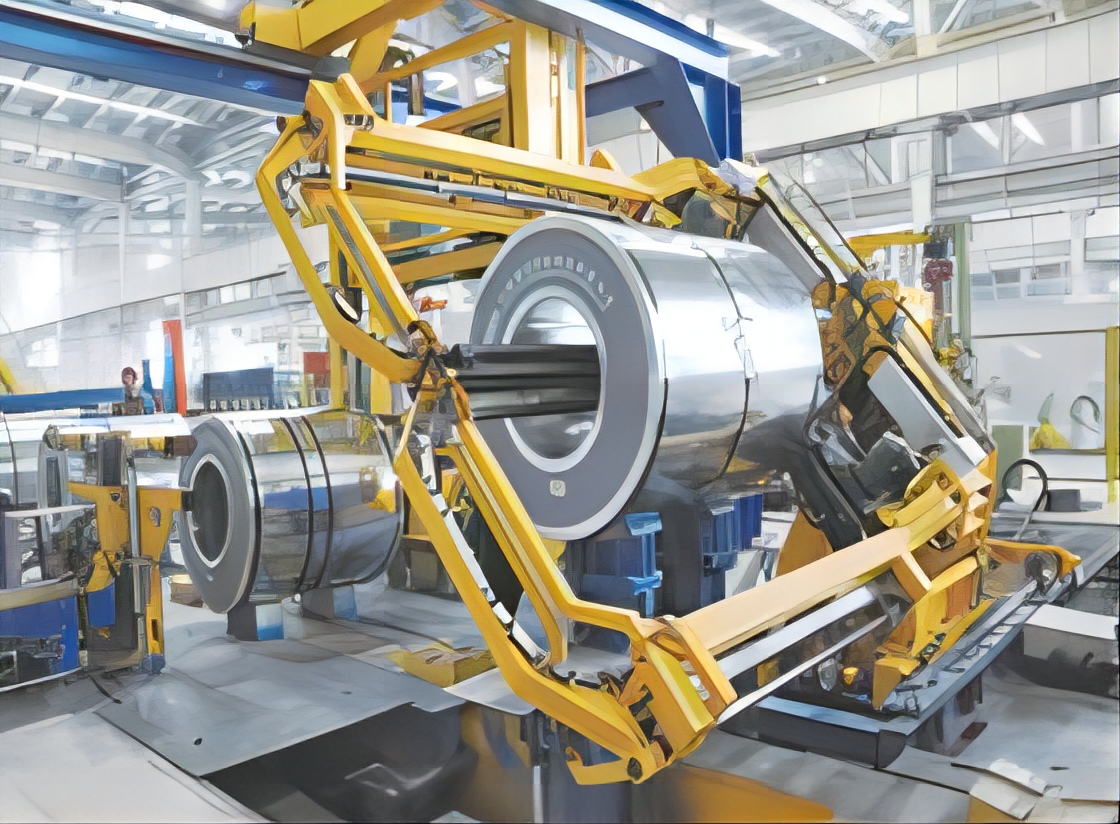
Solving production bottlenecks is about more than just speed. It is about how your whole operation works together. When I ran my own factory, I saw how one slow step could impact everything. Manual strapping is often that slow step. Workers have to handle heavy straps and tools. This takes a lot of time. It also requires many people. Michael Chen faces this exact challenge. His factory depends on moving products quickly from production to shipping. If packing is slow, his entire output drops.
Automated coil strapping machines bring a new level of efficiency. They work faster than human hands. They also work without getting tired. This means they can keep going around the clock. This constant output helps eliminate the backlog of finished coils. It ensures that products are ready to ship when needed. This improves the factory’s overall throughput. It also makes delivery schedules more reliable. This makes customers happy.
Here is how automation changes the game:
Speed and Consistency
Manual strapping speeds depend on the worker. This speed can vary. An automated machine applies straps at a steady, high pace. It does this every time. This consistency is key for large production volumes. It makes sure that each coil is packed the same way. This improves quality control.
Integration with Production Lines
Modern coil strapping machines can fit directly into your existing production line. They do not require a separate area. They can take coils straight from the production line. This removes the need for extra handling. It reduces transfer time. This smooth flow of materials is vital for peak efficiency. It ensures that no time is wasted between processes.
Data and Monitoring
Many advanced machines come with systems that track performance. They can tell you how many coils were strapped. They can also show how long each process took. This data is very useful. It helps managers like Michael understand their operations better. They can find other areas for improvement. This helps make the factory run even smoother. It turns data into insights.
| Feature | Manual Strapping | Automated Strapping |
|---|---|---|
| Speed | Slow, variable | Fast, consistent |
| Labor Needs | High | Low |
| Consistency | Varies with worker | High, uniform |
| Integration | Often separate area | Seamless with production line |
| Data Tracking | Limited or none | Built-in, detailed |
| Bottleneck Impact | Creates bottlenecks | Eliminates bottlenecks |
By removing bottlenecks, South Korean steel factories can increase their output. They can also reduce lead times. This makes them more competitive in the global market. It also helps them meet customer demands faster. This leads to more business.
Are Coil Strapping Machines Truly Safer for Workers in Steel Mills?
Are you worried about worker safety in your steel plant? Handling heavy steel coils and wires manually is dangerous. Workers can get injured. This leads to higher insurance costs. It also causes employee turnover. Managers like Michael Chen know this pain. He sees the high risk of accidents every day. He wants solutions that protect his team.
Coil strapping machines significantly improve safety in steel mills by taking over dangerous tasks. They reduce the need for manual handling of heavy coils and straps. This lowers the risk of crushing injuries, strains, and falls. Automated systems protect workers from direct contact with moving parts. This makes the workspace much safer.

Worker safety is not just a moral duty. It is also a smart business decision. As a factory owner, I learned that a safe workplace means happier employees. It also means lower costs. Injuries lead to medical bills. They cause lost workdays. They can even lead to lawsuits. For Michael Chen, high injury rates mean rising insurance premiums. They also mean a constant struggle to keep skilled workers. People do not want to work in unsafe conditions.
Manual handling of steel coils involves many risks. Workers often use hooks or chains to move coils. They have to bend over to strap them. They lift heavy tools. All these actions can cause sprains, back injuries, or even worse accidents. A coil could shift or fall. A worker could get caught between a coil and a wall. These risks are very real in a busy steel mill.
Automated coil strapping machines remove workers from these danger zones. The machine performs the lifting, rotating, and strapping. Workers can stay at a safe distance. They operate the machine from a control panel. This distance is important. It protects them from heavy loads. It also protects them from moving machinery. This change makes a big difference in the daily safety of your factory floor.
Here are key safety improvements:
Reduced Manual Handling
The biggest safety gain comes from cutting down on manual lifting and carrying. Machines lift and position the coils. They also apply the straps. This means fewer human hands are directly touching the heavy, often awkward coils. It prevents muscle strains, cuts, and crush injuries.
Elimination of Repetitive Stress Injuries
Manual strapping involves repetitive movements. These movements can cause carpal tunnel syndrome or other joint problems over time. Automation takes away these repetitive tasks from workers. This protects their long-term health. It keeps them productive for longer.
Controlled Environments
Automated machines often work within guarded areas. These areas have safety interlocks. If a worker enters the guarded space, the machine stops. This is a crucial safety feature. It prevents accidents caused by human error or machine malfunction. It creates a controlled and predictable work environment. This helps meet strict safety regulations. It also reduces overall risks.
By making the workplace safer, South Korean steel companies can protect their most valuable asset: their people. This leads to a more stable workforce. It also lowers operational costs tied to accidents. It builds a reputation as a responsible employer. This is good for business.
What Is the Real Return on Investment for High-Performance Coil Strapping Equipment?
Are you wondering if investing in new packing equipment makes financial sense? Every business decision needs to show a clear return. Managers like Michael Chen need to see the numbers. He needs to know that a new coil strapping machine will not just improve things. He needs to know it will save money and boost profits. He demands a clear ROI.
High-performance coil strapping equipment delivers a strong return on investment through several channels. It significantly reduces labor costs by automating tasks. It also minimizes product damage during packing and transport. These machines lower insurance costs by improving safety. They also increase overall production efficiency, leading to higher output and more revenue for steel manufacturers.

When I started my packing machine factory, every investment had to count. I learned that the true cost of doing business includes inefficiencies and losses. For Michael Chen, the current manual process is expensive. High labor costs, product damage, and safety incidents all chip away at his factory’s profit margin. These are hidden costs that add up fast. They make a compelling case for automation.
Investing in a coil strapping machine is not just buying a piece of equipment. It is investing in a more efficient and profitable future. The ROI is not always immediate. But it becomes clear over time. You save money in many areas. You also gain new revenue opportunities. This makes the upfront cost worthwhile.
Let us break down the financial benefits:
Reduced Labor Costs
This is often the most direct saving. An automated machine can do the work of several people. You might need one operator to supervise. But you no longer need multiple workers for manual strapping. This reduces your payroll expenses significantly. Over months and years, these savings become huge. They free up your workforce for other value-added tasks.
Minimized Product Damage
Damaged products mean lost sales and unhappy customers. Michael Chen mentioned that steel coil edges often get damaged during manual transfer and packing. This leads to complaints and profit loss. An automated system handles coils gently and precisely. It applies straps uniformly. This reduces the risk of bends, scratches, or edge damage. Less damage means fewer returns. It also means fewer reworks. This improves customer satisfaction and protects your brand.
Lower Insurance Premiums
A safer workplace translates to lower risks for insurance companies. When your factory has fewer accidents and injuries, your workers’ compensation premiums can drop. This is a direct saving for your budget. It also creates a more stable work environment. This reduces the financial strain from unexpected incidents.
Increased Throughput and Revenue
By eliminating bottlenecks and improving efficiency, you can produce and ship more coils per day. This increased output means you can take on more orders. It helps you meet demand faster. This directly leads to higher revenue. It allows your factory to grow its market share. This increased capacity is a powerful competitive advantage.
Long-Term Equipment Durability
High-performance machines, like the ones I know, are built to last. They can handle the tough conditions of a steel factory. This durability means fewer breakdowns. It also means less maintenance. This extends the life of your investment. It ensures consistent operation for many years. This lowers the total cost of ownership. It maximizes your ROI over the long run.
By carefully calculating these savings and gains, factory managers like Michael Chen can present a strong case for investing in automation. The benefits go far beyond just buying a machine. They lead to a more financially sound and competitive operation.
Why Is Choosing the Right Partner Crucial for Steel Industry Packing Solutions?
Are you wary of equipment suppliers who disappear after the sale? Michael Chen has faced this problem. He has dealt with vendors who only care about selling. They offer poor after-sales service. This leaves factory managers frustrated and unsupported. Finding a true partner is as important as finding the right machine.
Choosing the right partner is crucial for steel industry packing solutions because it ensures long-term support and expertise. A reliable supplier, like FHOPEPACK, understands specific production challenges. They offer professional insights and dependable solutions. This partnership extends beyond the sale, providing installation help, training, and ongoing maintenance. This builds trust and ensures the equipment truly solves problems and supports business growth.

I know the value of a good partner. When I built my own packing machine factory, I learned that a good relationship with suppliers is key to success. My mission at FHOPEPACK is to share knowledge. It is also to build trust. We are not just about selling machines. We want to help clients like Michael grow their businesses. Michael needs someone who understands his problems. He wants a supplier who can offer real solutions. He has faced the challenge of suppliers who prioritize sales over service. This makes him very careful.
A true partner understands the unique demands of a steel factory. They know about high-intensity work environments. They also know about strict safety rules. They offer more than just a product. They offer a comprehensive solution. This includes professional advice from the start. It also includes strong support after the purchase. This kind of partnership ensures your investment truly pays off.
Here is why a strong partnership matters:
Deep Industry Understanding
A good partner has hands-on experience in the steel industry. They understand the specific issues you face. This means they know about production bottlenecks. They know about safety hazards. They know about product damage during transport. My own journey from an employee to a factory owner gives me this understanding. I have been in your shoes. This knowledge allows us to suggest the best solutions. It makes sure the machine fits your exact needs.
Customized Solutions, Not Just Products
Every factory is different. A good partner does not just offer a standard machine. They work with you to find the best setup for your specific operation. This might involve custom features. It could also involve integrating with your current line. They provide insights that help you optimize your whole packing process. This goes beyond just selling a machine. It means providing a complete system.
Reliable After-Sales Support
This is where many suppliers fail. A strong partner provides excellent after-sales service. This means proper installation help. It includes thorough training for your team. It also means quick access to spare parts. It provides technical support when you need it. This continuous support ensures your machine runs smoothly. It also minimizes downtime. This builds trust for the long term. Michael needs a supplier he can truly rely on.
Focus on Your ROI and Growth
A true partner cares about your business success. They help you see how their solution will improve your bottom line. They look at the ROI with you. They want to help you achieve your growth goals. My own experience showed me that helping clients grow also helps FHOPEPACK grow. This shared success creates a strong bond. It makes the partnership more valuable than just a simple transaction.
By choosing a partner who has deep industry knowledge and offers full support, South Korean steel factories can make smart, confident investments. This helps them find solutions that work well. It also helps them achieve lasting success. It builds a foundation for future growth.
Conclusion
Modern coil strapping machines offer clear benefits for South Korea’s steel industry. They boost efficiency, enhance safety, and deliver strong ROI. Choosing an experienced partner ensures long-term success.








