
Is a Coil Strapping Machine Retrofit the Answer for Your Greek Factory in Athens or Thessaloniki?
For years, I have seen factories like yours struggle with outdated packing lines. You feel the pressure to produce more. You also need to control costs. And you must keep your workers safe. These challenges hit hard when your packing process relies on too much manual work. It slows everything down. It also creates big risks for injury. You lose money on damaged products. And finding a supplier you can trust feels harder each time.
Many Greek factories, especially in industrial hubs like Athens and Thessaloniki, are looking to update their coil strapping operations. A coil strapping machine retrofit offers a clear path to fix these issues. It improves efficiency. It boosts safety. And it cuts down on product damage. This makes a real difference in your bottom line.

I know these problems well. I built my own packing machine factory from the ground up. I saw firsthand what works and what does not. I want to share my knowledge. This article will help you understand if a coil strapping machine retrofit is right for your Greek business. We will look at how it solves common factory problems.
Are manual coil strapping processes hurting your Greek factory’s bottom line?
Your current packing methods are slow. You use many people. This makes your whole production line move slowly. It holds back your delivery times. You need to speed things up.
Manual coil strapping in Greek factories often leads to major efficiency bottlenecks and high operational costs. Workers handle heavy coils by hand. This is slow. It is also very dangerous. This leads to frequent injuries. It raises your insurance bills. And it causes high employee turnover. All of these things hurt your company’s profits.
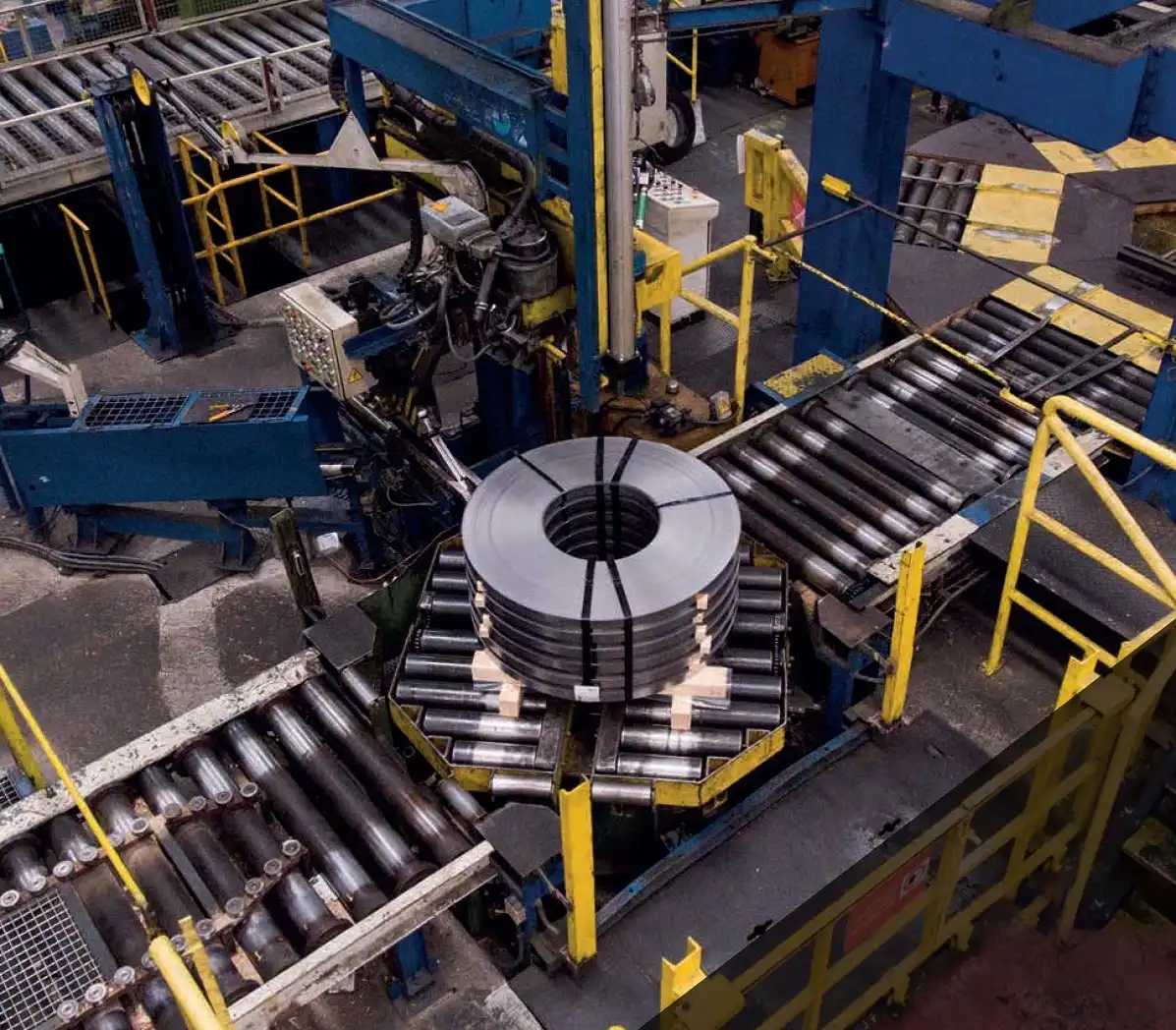
I remember walking through factories in my early days. I saw workers straining. They moved heavy steel coils. It was hard work. It was also very dangerous. Many times, I saw a coil edge get bent or scratched. This meant customer complaints. It meant lost money. These small damages add up. They eat into your profits. You pay more for insurance. You deal with staff leaving often. This makes it hard to keep a stable workforce.
The hidden costs of manual coil packing
Manual coil packing might seem cheap at first. It uses existing staff. It avoids big machine purchases. But this view misses the true costs. These costs grow over time. They hurt your business.
Employee safety risks
Your workers handle very heavy products. This creates a high risk for injuries. These injuries include back strain. They include crushed limbs. Sometimes, injuries are very serious. Each injury costs your company money.
- Higher Insurance Costs: More injuries mean higher premiums for your workers’ compensation insurance. Insurers see your factory as risky. They charge more.
- Lost Productivity: Injured workers cannot work. This means less output. Other workers must pick up the slack. This can slow down the whole line.
- Employee Turnover: Workers get tired of dangerous jobs. They look for safer places to work. When good people leave, you lose their experience. You spend money to hire and train new staff. This cycle costs a lot.
Product damage and quality issues
Coils can get damaged during manual handling. This happens often. Steel coil edges are fragile. They can bend. They can get scratched. These damages cause problems.
- Customer Complaints: Damaged products upset your customers. They expect perfect goods. Complaints can hurt your reputation.
- Financial Losses: You might have to offer discounts. You might need to replace damaged goods. This reduces your profit margins. Sometimes, you scrap whole coils. This is a total loss.
- Loss of Trust: If customers get damaged products often, they lose trust in you. They might go to a competitor. Keeping customer trust is vital for business growth.
Operational inefficiencies
Manual processes are slow. They are also not consistent. This creates bottlenecks. It makes your whole production line less effective.
- Slower Throughput: People cannot work as fast as machines. A human-driven strapping process limits your production speed. This means you make fewer products per day.
- Inconsistent Quality: Strapping tension can vary. The way coils are prepared can differ. This happens with manual work. Automated systems ensure every coil is strapped the same way. This improves quality.
- High Labor Costs: You pay wages for many workers just for packing. An automated system needs fewer people. It can work around the clock. Over time, machines are much cheaper than labor for repetitive tasks.
I have seen companies save a lot by switching to automation. They reduce injuries. They improve product quality. And they speed up their entire operation. This makes them more competitive. It helps them meet customer demands faster.
Can retrofitting an old coil strapping machine really make a difference for Greek manufacturers?
You might think you need a whole new factory setup. But that is not always true. You can use your existing machines. You can upgrade them. This saves money. It brings new life to old equipment.
Yes, a coil strapping machine retrofit can make a significant difference for Greek manufacturers, especially those with existing infrastructure. It upgrades an old machine’s core parts. It adds new technology. This boosts performance. It improves safety. And it costs less than buying a brand-new system. It is a smart way to modernize your factory without a huge investment.

I learned early on that not every problem needs a total overhaul. Sometimes, a small, smart change can fix a big issue. I once worked with a client. They had an old machine. It was slow. It broke down often. We thought about replacing it. But then we looked closer. We found key parts could be upgraded. We replaced the old controls. We put in new motors. The machine ran like new. It saved them a lot of money. It also kept production going without a long stop.
The strategic advantage of retrofitting versus buying new
Deciding between a retrofit and a new purchase is important. Both have pros and cons. For many Greek factories, retrofitting offers clear benefits. It makes good financial sense.
Cost-effectiveness
The most obvious benefit of retrofitting is the lower cost. Buying a new, custom-built machine is very expensive. A retrofit uses your current frame. It reuses many parts. This saves a lot of money.
- Lower Capital Outlay: You spend much less cash upfront. This helps your budget. It frees up money for other investments.
- Reduced Installation Costs: You already have the machine in place. You do not need major structural changes to your factory. Installation time is shorter. This means less disruption.
- Faster ROI: Because the initial cost is lower, you start seeing returns on your investment much faster. This makes your finance team happy.
Minimal disruption to production
Stopping your production line costs money. A full replacement means long downtime. A retrofit is usually quicker. This means less lost production time.
- Shorter Downtime: Retrofits involve targeted upgrades. They do not require removing an entire old system. This shortens the time your line is stopped.
- Phased Implementation: Sometimes, you can do a retrofit in phases. This means parts of your line can still run. This keeps your business going.
- Less Training Required: Your team already knows the basic machine. They only need to learn the new features. This makes training easier and faster.
Improved performance and extended lifespan
A retrofit is not just about saving money. It is about making your machine better. It makes it work like a modern system. It helps it last longer.
- Enhanced Speed and Efficiency: New motors and controls can make your old machine much faster. It can handle more coils per hour. This boosts your overall output.
- Increased Reliability: Older parts wear out. New components are more robust. They break down less often. This means fewer unexpected stops.
- Modern Features: You can add new safety sensors. You can add better strapping heads. You can even connect it to your factory’s smart systems. This makes your operations more advanced.
- Extended Machine Life: Instead of scrapping a good frame, you give it new life. This means your initial investment lasts longer. It pushes back the need for a full replacement by many years.
A retrofit is a smart move. It solves your current problems. It also prepares your factory for the future. It does this without breaking your bank. It lets you get the benefits of new tech on your old machines.
How do you find reliable coil strapping machine suppliers in Athens and Thessaloniki?
You need a partner, not just a seller. You have worked with bad suppliers before. They only cared about the sale. Their after-sales service was poor. This makes you cautious. You need someone who truly understands your factory’s needs.
Finding reliable coil strapping machine suppliers in Athens and Thessaloniki, or any part of Greece, needs careful searching. You must look beyond simple sales pitches. Focus on vendors with proven experience in your industry. Check their after-sales support. Ask about their ability to provide tailored retrofit solutions. Look for a partner who understands your challenges and offers real solutions, not just products.

I have seen many companies get burned by bad suppliers. They promise the world. They disappear after the sale. This is why I am so focused on providing real value. My goal is to share knowledge. I want to help you make good choices. I want you to avoid the mistakes I have seen others make. A good supplier is like a good mechanic. They know your machine. They know how to fix it. They know how to make it better.
Key criteria for selecting your next coil strapping partner
When you choose a supplier, think about more than just the price. Price is important. But value is more important. Value includes quality, service, and partnership.
Industry experience and expertise
Look for suppliers who know your business. They should understand metal processing. They should know about heavy manufacturing. This means they understand your unique problems.
- Specific Industry Knowledge: Do they have a history with steel mills? Do they work with heavy coils? This shows they understand your specific needs.
- Technical Proficiency: Can they talk about machine mechanics? Do they know about automation controls? They should explain technical details clearly.
- Problem-Solving Approach: Do they just sell you a machine? Or do they ask about your production bottlenecks? A good supplier wants to solve your problems. They do not just push a product.
After-sales support and service
This is where many suppliers fail. A machine will need service. It will need parts. You need a company that is there for you after the sale.
- Local Presence or Support Network: In Greece, can they send technicians quickly? Do they have spare parts available nearby? Quick support reduces downtime.
- Responsive Technical Support: Can you call them with questions? Do they answer fast? Good support means less frustration. It means your machine runs smoothly.
- Maintenance and Training Programs: Do they offer training for your staff? Can they help you with regular maintenance? This keeps your machine working well for a long time.
Customization and retrofit capability
Not every factory is the same. Your needs are unique. A good supplier can adapt. They can make their solutions fit your factory.
- Ability to Assess Existing Systems: Can they come to your factory? Can they look at your old machine? Do they know what parts to upgrade? This is key for a successful retrofit.
- Flexible Solutions: Do they offer different options for upgrades? Can they work within your budget? A flexible supplier gives you choices.
- Proven Track Record of Retrofits: Ask for case studies. Ask for references. Have they successfully upgraded other machines? This builds your trust in their skills.
Choosing the right supplier is an investment. It is an investment in your factory’s future. It is an investment in peace of mind. I always tell my clients to look for a true partner. This partner will help them grow. They will be there when problems happen.
What long-term gains can Greek steel mills expect from new coil strapping technology?
You are looking for a clear return on investment. You want more than just a new machine. You want lower costs. You want higher profits. You want to grow your business.
Greek steel mills investing in new coil strapping technology, or retrofitting their existing systems, can expect significant long-term gains. These gains include much lower operational costs through reduced labor and less product damage. They will also see improved worker safety, fewer insurance claims, and faster production speeds. This leads to higher overall profitability and a stronger competitive position in the market.

I have helped many clients achieve financial independence. I did this by helping them make smart investments in their packing lines. It is not just about saving money today. It is about building a foundation for growth tomorrow. When your factory runs better, you can take on more orders. You can serve more customers. This is how you grow a successful business. It is how you stay ahead of the competition.
Measuring the ROI: Beyond the initial cost
The true value of new packing technology goes beyond the purchase price. You must look at the total impact on your business. This means looking at savings and new opportunities.
Reduced operating expenses
Automation directly cuts down many daily costs. These savings add up quickly. They boost your bottom line.
- Lower Labor Costs: Automated machines need fewer operators. You can reassign staff to other areas. Or you can reduce your total workforce. This saves a lot on wages and benefits.
- Decreased Material Waste: Precision strapping systems use the right amount of material. They avoid mistakes common in manual work. This reduces waste of strapping material. It also reduces damaged products.
- Energy Efficiency: Newer machines are often designed to use less power. This can lower your electricity bills.
- Lower Insurance Premiums: Fewer workplace injuries mean fewer claims. This can lead to lower insurance costs over time. It creates a safer environment for everyone.
Increased production capacity and speed
Faster packing means your whole factory can produce more. This helps you meet high demand. It helps you grow.
- Eliminating Bottlenecks: The end of the line often slows down production. Automated strapping speeds up this critical step. It lets your upstream processes run at full capacity.
- Consistent Output: Machines work without getting tired. They maintain a steady pace. This means you have predictable output. You can plan better.
- Faster Delivery Times: Getting products out the door faster means happier customers. It can help you win new contracts. It gives you a competitive edge.
Enhanced product quality and customer satisfaction
Quality is key to keeping customers. Automated strapping improves how your products look and perform when they reach the client.
- Uniform Strapping Tension: Every coil is strapped with the same force. This protects the product better during transit. It looks more professional.
- Reduced Damage in Transit: Well-strapped coils are less likely to shift or get damaged during shipping. This reduces customer complaints. It reduces returns.
- Stronger Brand Reputation: When your products always arrive in perfect condition, customers trust your brand. They see you as reliable. This builds a strong reputation.
Investing in modern coil strapping technology is not just about buying a machine. It is about making your factory stronger. It is about making it safer. It is about making it more profitable for many years to come. This is the kind of investment that helps your business thrive.
What are my key insights for your Greek coil strapping machine project?
You have many options. You need to make a smart choice. My experience can help. I want to guide you through this process. I want you to avoid common pitfalls.
My key insight for any Greek factory manager considering a coil strapping machine project, especially a retrofit, is to focus on a holistic approach. Do not just look at the machine itself. Consider the full impact on your operations, from safety to profitability. Partner with a supplier who acts as a consultant, understands your specific factory environment in Greece, and offers proven solutions that align with your long-term business goals. Prioritize reliability and strong after-sales support over the lowest price.
I built my factory from nothing. I faced countless challenges. I learned that the right equipment is crucial. But the right partner is even more so. I remember a time early on. I bought a machine that seemed cheap. It broke down all the time. The company gave no support. It taught me a hard lesson. Cheap is not always better. Reliable support is worth its weight in gold.
My personal recommendations for your success
Based on my journey, I have a few simple but powerful recommendations. These points apply whether you are in Athens, Thessaloniki, or anywhere else in the world. They will help you make a decision that really helps your business.
1. Audit your current process completely
Before you buy anything, know exactly what you need. Walk your factory floor. Talk to your workers. See where the real problems are.
- Identify Bottlenecks: Where does production slow down? Is it the strapping? Is it material movement? Pinpoint the exact points of delay.
- Quantify Losses: How much money do you lose from damaged coils? How much from injuries? Put numbers to these problems. This helps you see the ROI of a new system.
- Assess Safety Risks: Which tasks put your workers at the highest risk? Focus on solutions that remove or reduce these dangers. This is good for people and good for business.
2. Prioritize long-term value over upfront cost
It is tempting to choose the cheapest option. But this can cost you more later. Think about the total cost of owning the machine.
- Consider Durability: Will the machine last in your harsh factory environment? Look for strong builds and quality materials.
- Evaluate Maintenance Needs: How often will it need service? How much do parts cost? A reliable machine needs less maintenance.
- Look at Energy Use: Does it use a lot of power? Energy costs add up. A more efficient machine saves money over time.
3. Seek a true partnership, not just a transaction
Your supplier should be more than a vendor. They should be someone who helps you succeed.
- Demand Transparency: Ask for clear details on prices. Ask about lead times. Ask about service contracts.
- Check References: Talk to other factory managers who have worked with them. Ask about their experience.
- Focus on After-Sales Support: Confirm they have a strong service team. Make sure they stock spare parts. This is vital for continuous operation.
- Look for Industry Alignment: Do they understand the unique challenges of steel processing in Greece? A supplier with relevant experience can offer better, more tailored advice.
By following these steps, you will make a smart investment. It will help your factory become more efficient. It will make it safer. And it will help you achieve the growth you want. This is the goal for FHOPEPACK. It is my personal goal. I want to help you master your packing process.
Conclusion
Investing in coil strapping machine retrofits or new tech in Greece offers clear paths to boost efficiency, safety, and profits. Choose a reliable partner who understands your needs and helps you achieve real, long-term success.








