
Coil Strapping Machine Greece – How to Specify Strap Tensioning & Sealing for Quality?
You run a busy factory in Greece. You work hard to get your steel coils and wires ready for customers. But you face a big problem: your current packing process is slow. It takes too many people. This makes your production lines move slowly. It also means you lose money because of damaged products. Your workers are at risk when they move heavy coils by hand. This can lead to injuries and high insurance costs. You need a better way to pack your products. You need a system that works quickly and keeps your workers safe.
To specify strap tensioning and sealing for quality, focus on key machine features. Tensioning must be adjustable to match the coil’s size and material. It needs to apply enough force to secure the coil, stopping telescoping or shifting. Sealing mechanisms, like friction weld or heat seal, must create strong, consistent bonds. These bonds prevent the strap from breaking during transport or handling. Look for machines that allow precise control over these settings and offer consistent results every time.

Finding the right packing machine is not easy. You need a partner who truly understands your factory’s needs. You want solutions for your production bottlenecks, safety concerns, and efficiency problems. This article will show you what to look for in a coil strapping machine. We will focus on tensioning and sealing. These are two critical parts for ensuring your products are packed safely and securely.
Why is Proper Strap Tensioning Critical for Your Steel Coils?
You have seen it happen. A perfectly good coil of steel gets damaged during transport. Maybe the edges are bent. Maybe the coil itself shifts or “telescopes” because the strapping is too loose. This is a common problem in factories. It leads to unhappy customers and lost profits. Your current manual methods just cannot give you the consistent tension you need. This leaves your valuable products exposed to risk.
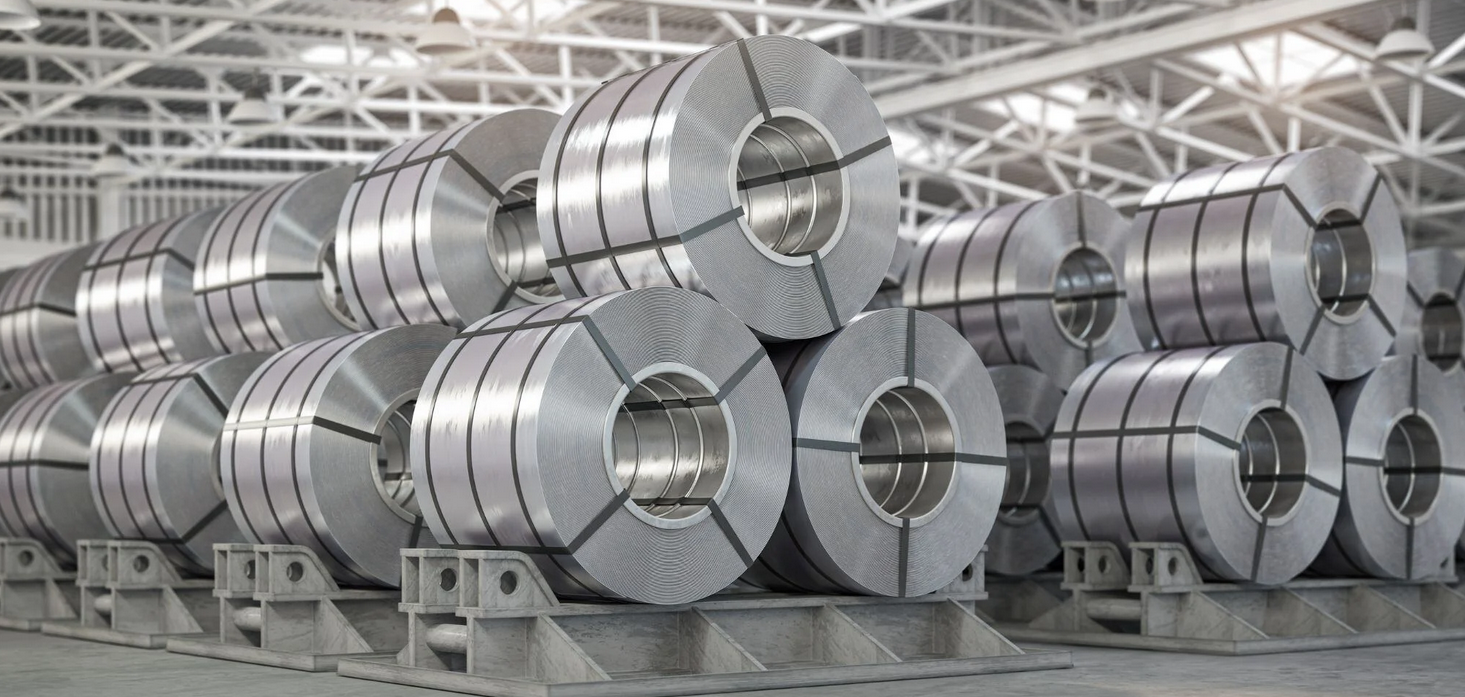
Proper strap tensioning is critical because it holds the coil tightly together. This stops the coil from unwinding or telescoping during movement. Correct tension also helps protect the coil’s edges from damage. It ensures the entire package stays stable and secure during loading, shipping, and unloading. Without enough tension, your product can shift, leading to damage, customer complaints, and financial losses.
When I started my own packing machine factory, I learned fast about the importance of good strapping. [RANDAL’S STORY HERE: I saw many times how a simple mistake in tension could ruin a whole batch of coils. We even had a client who lost a major contract because their coils arrived damaged. This taught me that quality in strapping is not just about the machine. It is about understanding the physics of the coil and the strap.] Proper strap tensioning is not just about pulling the strap tight. It is about applying the right amount of force for the specific coil you are packing. Too little tension, and the coil can move. Too much tension, and you might damage the coil itself. You might also weaken the strap.
Understanding Tensioning Force
Tensioning force is how hard the machine pulls the strap around the coil. For heavy steel coils, you need a machine that can apply high, consistent tension. This tension must be spread evenly around the coil. This prevents uneven pressure points. Uneven pressure can deform the coil. You should look for machines with adjustable tension settings. This lets you fine-tune the force for different coil sizes and weights. Some advanced machines even have electronic tension control. This offers more precision than mechanical systems.
Preventing Coil Telescoping
Telescoping happens when the inner layers of a coil slide out. This makes the coil look like a telescope. It is a major problem for coil manufacturers. It happens when there is not enough tension to hold the coil’s layers together. A good strapping machine applies enough radial and axial force to stop this movement. It ensures that each strap acts like a strong band, keeping the coil intact. This is especially important for large, heavy coils. These coils have more inertia and are more prone to telescoping during transport.
Protecting Product Edges
The edges of steel coils are vulnerable. They can get scratched or bent easily. Proper tensioning helps keep the coil shape stable. This reduces the chances of edge damage. If the coil is loose, it can shift inside the package. This allows it to rub against other surfaces or itself. This causes nicks and scratches. A well-tensioned strap creates a compact, solid package. This package is less likely to deform or get damaged. It keeps your product looking perfect for your customers.
Strap Material and Tension
The type of strap you use also affects tensioning. Steel strapping is common for heavy coils. It offers high tensile strength. Polyester (PET) strapping is another option. It offers good elasticity and shock absorption. The machine must be set to handle the specific properties of your chosen strap material. For example, steel strap needs very high tension. PET strap can tolerate more dynamic stress. A machine that works well with one might not work well with the other without proper adjustments.
| Tensioning Aspect | Importance for Coils | Key Machine Feature |
|---|---|---|
| Consistent Force | Prevents coil shifting and deformation | Adjustable electronic tension control |
| Even Distribution | Avoids pressure points, protects coil shape | Multiple strapping heads or orbital wrapping |
| Material Matching | Optimizes strap performance and coil security | Adaptable tensioner for steel or PET strap |
| Telescoping Control | Keeps inner layers secure, maintains coil integrity | High radial and axial compression during strapping |
What Sealing Method Guarantees the Strongest and Safest Coil Packs?
You have tried different ways to seal your coil straps. Maybe you use metal crimps or basic seals. But sometimes, these seals fail. The strap breaks. Your coil becomes loose. This creates a safety hazard for your workers and customers. It also means your product is no longer protected. You need a sealing method that you can trust completely. It must hold up against the harsh demands of transport and handling.
The strongest and safest coil packs rely on advanced sealing methods like friction weld or heat seal. These methods create a fused joint directly on the strap material. This eliminates the need for external metal seals. Friction welding uses high-speed vibration to melt and bond the strap ends. Heat sealing uses direct heat. Both methods form a bond that is often stronger than the strap itself. This ensures the strap will not fail under stress, providing maximum package integrity and safety.

In my experience, a strong seal is the backbone of secure packing. [RANDAL’S STORY HERE: I once visited a factory that had constant issues with straps breaking during shipping. Their seals were weak. We helped them switch to a friction weld system. This small change dramatically reduced their product damage claims. It also made their workers feel safer.] A good seal is not just about preventing the strap from coming undone. It is about creating a joint that is as strong, or even stronger, than the strap material itself. This ensures that the strap can withstand the stresses of lifting, moving, and stacking heavy coils.
Friction Weld Sealing
Friction welding is a common and very effective method for polyester (PET) strapping. The machine holds the two ends of the strap together. Then, it vibrates them at a very high speed. This friction creates heat. The heat melts the strap material at the contact point. When the vibration stops, the melted plastic cools and fuses together. This creates a strong, durable bond. This bond is usually very reliable. It holds up well against shock and vibration. It is also a very clean process. It does not use external materials like metal seals. This saves you money on consumables.
Heat Seal Sealing
Heat sealing is another excellent method, often used for plastic straps. It involves applying direct heat to the strap ends. This melts the plastic. Then, the melted ends are pressed together. This creates a strong, uniform bond. This method is precise. It allows for good control over the sealing temperature and pressure. This helps to ensure a consistent seal quality every time. Heat sealing machines are usually simpler in design than friction weld machines. But they still provide excellent results for many applications.
Metal Clip / Crimp Sealing
For steel strapping, metal clips or crimps are traditionally used. The machine crimps a metal seal around the overlapping strap ends. This creates a mechanical lock. While effective for steel, the quality of the crimp depends heavily on the machine’s calibration and the clip’s quality. A poorly crimped seal can be a weak point. It can fail under stress. It can also have sharp edges. Modern steel strapping machines use high-strength seals and precise crimping mechanisms. This makes them much more reliable than older manual methods. They ensure a tight, secure connection that holds heavy coils firmly.
Testing Seal Strength
Regardless of the method, you must be able to test the seal strength. A good strapping machine supplier will provide guidance on this. They will explain how to check if the seals meet industry standards. Some advanced machines even have built-in quality checks. They can alert you if a seal is not made correctly. This gives you peace of mind that every coil leaving your factory is securely packed. You need a system that minimizes risk.
| Sealing Method | Strap Type | Advantages | Considerations |
|---|---|---|---|
| Friction Weld | PET | Strong, clean, no external seals needed | Best for plastic straps, machine specific |
| Heat Seal | PET, PP | Consistent, durable, precise temperature control | Requires proper heat and pressure settings |
| Metal Clip / Crimp | Steel | Very strong for heavy-duty applications | Quality depends on clip and crimping mechanism |
How Can Automation in Coil Strapping Transform Your Greek Factory’s Efficiency?
Your factory is losing time and money. Your current coil and wire packing process needs many workers. It is slow. This slows down your entire production line. It means you cannot deliver products as fast as your customers want. Plus, having people handle heavy coils by hand is dangerous. It increases the risk of injuries and makes your insurance costs go up. You know you need to automate. But you are not sure how much difference it can really make.
Automation in coil strapping can transform your Greek factory’s efficiency by speeding up the packing process. Automated machines work much faster and more consistently than manual labor. They reduce the need for workers to handle heavy, dangerous materials, drastically improving safety. Automation also ensures uniform strap tension and sealing. This lowers product damage and improves overall product quality. This change leads to higher output, lower labor costs, and a safer workplace, directly boosting your factory’s profitability.
When I was building my factory, I realized early on that manual processes were holding us back. [RANDAL’S STORY HERE: We started with a semi-automatic strapping system. It was better than pure manual. But we quickly saw the bottleneck. So, we invested in full automation. The initial cost felt big. But the return on investment was incredible. Our output jumped. Our injury rates dropped to almost zero.] Automation is not just about buying a machine. It is about a strategic investment that changes your entire operation for the better. It solves multiple problems at once.
Increased Throughput and Speed
Automated coil strapping machines can process coils much faster than humans. They can apply multiple straps in minutes. A fully automated line can integrate with your existing conveyors and handling systems. This creates a seamless flow from production to packing. This eliminates bottlenecks at the end of your line. It means you can produce and ship more coils every day. This directly impacts your bottom line. Higher throughput means more sales and more satisfied customers.
Enhanced Safety
This is perhaps the biggest benefit of automation for a factory like yours. Moving heavy steel coils manually is very risky. Workers can suffer back injuries, crushed limbs, or other serious accidents. Automated strapping systems do all the heavy lifting and positioning. This keeps your workers away from dangerous areas. It significantly reduces the risk of workplace accidents. This lowers your insurance premiums. It also creates a safer, happier work environment for your team. This reduces employee turnover.
Consistent Quality and Reduced Damage
Humans make mistakes. A machine does not. Automated strapping machines apply the exact same tension and seal strength every single time. This consistency is vital for product quality. It greatly reduces the chance of coil damage during packing or transport. Fewer damaged products mean fewer customer complaints. It also means less waste and rework for your factory. This saves you money and protects your reputation.
Labor Cost Reduction
While there is an initial investment, automated systems lead to long-term labor cost savings. You will need fewer workers dedicated to the packing process. Those workers can then be assigned to more skilled tasks elsewhere in your factory. This optimizes your workforce. It also addresses the challenge of finding enough labor for strenuous, repetitive jobs. Over time, the savings on wages and benefits add up. This makes a strong case for the return on investment.
Integration with Existing Systems
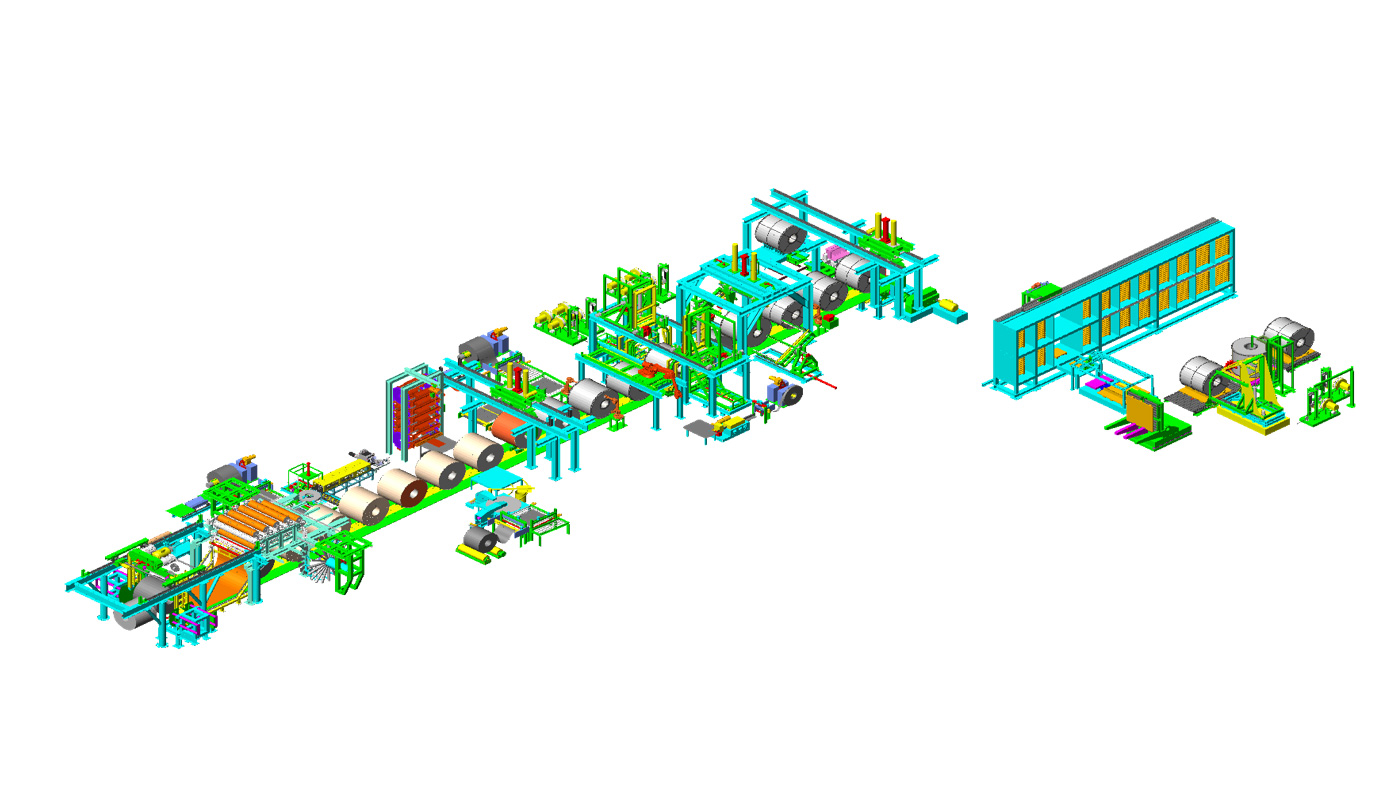
A modern automated coil strapping machine can integrate with your factory’s existing material handling systems. This includes conveyors, coil cars, and stacking equipment. This creates a fully automated end-of-line solution. You can even connect it to your factory’s central control system. This allows for real-time monitoring of packing data. This level of integration improves overall operational efficiency. It gives you better control over your entire production flow.
| Automation Benefit | Impact on Factory Operations | Direct Result for Your Business |
|---|---|---|
| Higher Speed | Faster packing cycles, reduced bottlenecks | Increased production output, quicker deliveries |
| Improved Safety | Less manual handling of heavy coils | Fewer worker injuries, lower insurance costs |
| Consistent Quality | Uniform strap tension and sealing | Reduced product damage, fewer customer returns |
| Cost Savings | Reduced need for manual labor | Lower operating expenses, higher profitability |
| System Integration | Seamless flow from production to packaging | Enhanced operational control and efficiency |
What Should You Look for in a Trusted Coil Strapping Machine Partner?
You have bought machines before. Some suppliers were great. Others were only interested in making a sale. They did not provide good support after you bought the machine. This left you struggling with technical issues and downtime. You are careful now. You do not just want a machine. You want a true partner. You need someone who understands your challenges and can offer real solutions. You need someone with deep industry knowledge.
When looking for a trusted coil strapping machine partner, seek a company with a strong engineering background and a proven track record. They should understand your specific production challenges, like high volume, heavy products, and safety concerns. A reliable partner offers excellent pre-sale consultation and robust after-sales support. This includes installation, training, spare parts, and troubleshooting. They should be able to customize solutions. They must not just sell a standard machine. Look for someone like me, Randal Liu, who has lived and breathed the packing machine industry from the ground up.
I know exactly what it is like to manage a factory. I started as an employee. Then I built my own successful packing machine factory. [RANDAL’S STORY HERE: I learned that a good supplier is worth their weight in gold. When my factory faced a tough technical challenge, the support we got from our machine supplier made all the difference. They did not just sell us a machine. They partnered with us to make sure it worked perfectly for our specific needs. This experience made me want to be that kind of partner for others.] That is why FHOPEPACK focuses on sharing knowledge. We want you to succeed.
Deep Industry Expertise
Your partner should have extensive experience in heavy industry packing. They must understand the unique demands of steel coils and wires. They need to know about different coil sizes, weights, and production speeds. Ask about their previous projects. See if they have worked with factories similar to yours. A company with deep expertise can offer insights you might not have considered. They can help you avoid costly mistakes. They can suggest the best solutions for your specific operational environment in Greece.
Customization and Solution-Oriented Approach
Every factory is different. A good partner will not just try to sell you a standard machine from a catalog. They will take the time to understand your specific production line. They will look at your space, your coil types, and your throughput goals. They should be able to customize a strapping solution that perfectly fits your needs. This might mean designing a unique conveyor system or integrating special safety features. They should offer solutions to your problems, not just products.
Strong After-Sales Support
This is where many suppliers fail. A machine is an investment. It needs ongoing support. Your partner must offer reliable after-sales service. This includes:
- Installation and Commissioning: Ensuring the machine is set up correctly.
- Operator Training: Teaching your team how to use and maintain the machine safely and efficiently.
- Spare Parts Availability: Providing quick access to replacement parts to minimize downtime.
- Technical Support: Having engineers available to help troubleshoot issues remotely or on-site.
- Maintenance Programs: Offering scheduled maintenance to keep your machine running smoothly for years. Without strong after-sales support, even the best machine can become a liability when it breaks down.
Transparent Communication and Trust
You want a partner you can trust. Look for a company that communicates clearly and openly. They should be honest about what their machines can do. They should also be honest about any limitations. They should provide clear pricing and timelines. Building a long-term relationship based on trust is important. This means they are there for you not just at the point of sale. They are there for the entire life cycle of the machine. This gives you peace of mind and reduces stress.
| Partner Quality | What it Means for You | Why it Matters |
|---|---|---|
| Industry Expertise | Understands heavy coil packing challenges | Ensures optimal machine selection and setup |
| Solution-Oriented | Customizes systems for your factory’s specific needs | Maximizes efficiency and solves unique problems |
| After-Sales Support | Provides installation, training, parts, tech help | Minimizes downtime, extends machine lifespan |
| Trust & Transparency | Communicates openly, builds long-term relationships | Gives peace of mind, avoids hidden costs |
Conclusion
Choosing the right coil strapping machine is vital for your Greek factory’s success. Focus on adjustable tensioning and reliable sealing methods for quality and safety. Embrace automation to boost efficiency and reduce costs. Most important, partner with an expert who understands your factory’s needs.








