

Coil Strapping Machine Greece: Horizontal vs. Inline Configurations for Slit-Coil Lines?
Many factory managers in places like Greece face big challenges. They often struggle with slow packing lines. Their workers also face high risks handling heavy materials. And product damage during transport means losing money. These issues hurt output and profits. You need solutions that make your factory safer and more efficient.
Choosing the right coil strapping machine is key for Greek metal processing plants. This article helps you understand horizontal and inline configurations. We will look at how each machine works. We will also compare their benefits and drawbacks for slit-coil lines. This will help you make a smart decision for your operations in Greece.

This choice is important. It affects your output, safety, and costs. Let’s look at each type of machine. This will help you see which one fits your factory best.
What is a Horizontal Coil Strapping Machine and How Does it Benefit Your Greek Operations?
Are you dealing with loose coils or manual strapping that slows down your process? Do your workers struggle with heavy coils? These problems can cause safety issues and waste time. Manual strapping is slow. It also puts your team at risk.
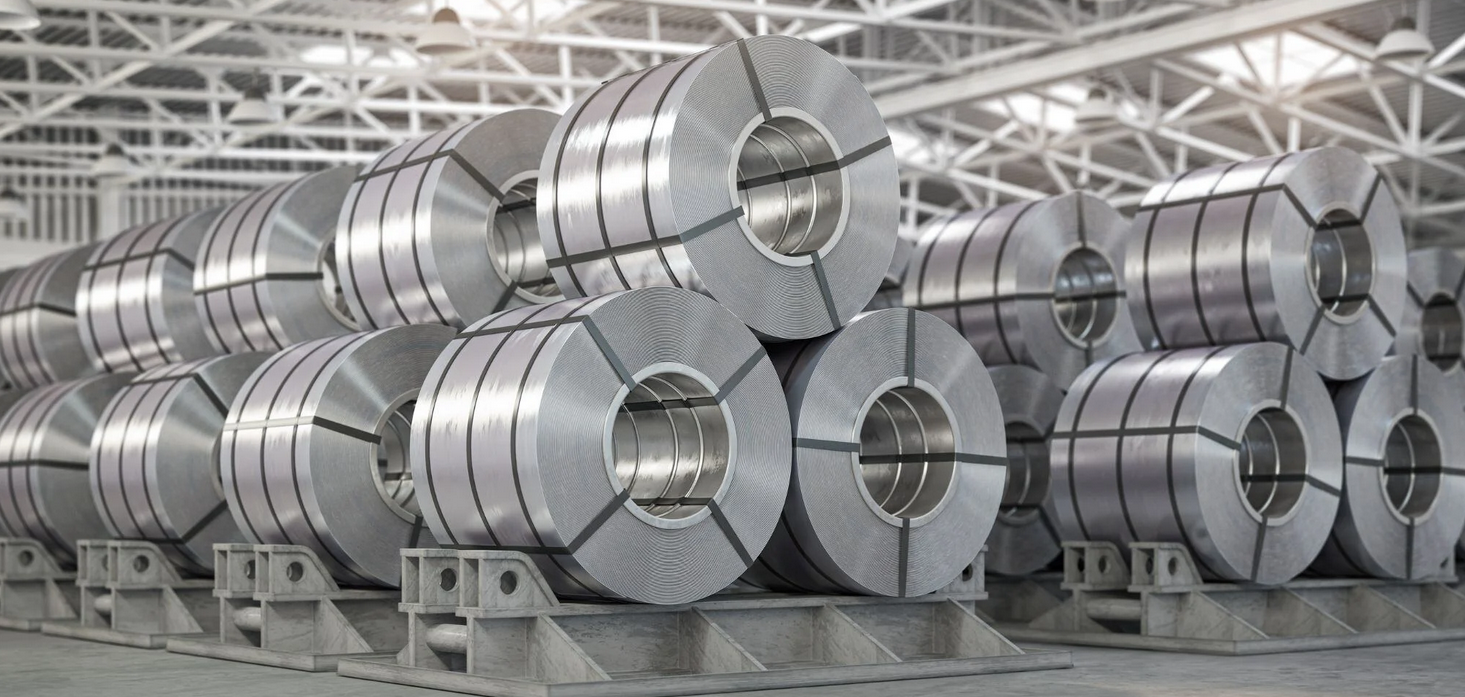
A horizontal coil strapping machine wraps straps around the outer diameter of a coil. The coil stays upright during this process. This machine is common for securing various coil sizes. It is often used for packaging steel, aluminum, or copper coils in many factories, including those in Greece. It adds stability and protection to the finished product.


A horizontal strapping machine works well for many types of coils. It can handle different widths and weights. The machine moves the strap around the coil. It applies tension and then seals the strap. This secures the coil for storage or shipping.
How Does a Horizontal Strapping Machine Work for Coils?
A horizontal coil strapping machine typically has a strapping head. This head moves around the coil. The coil sits on a conveyor or a V-block. The machine feeds the strap. It guides it around the coil’s outside. Then it tensions the strap. It seals the strap ends together. This creates a tight band. This method is effective for packaging single coils. It works for coils that need individual handling.
Benefits and Limitations for Greek Manufacturers?
Horizontal machines offer flexibility. They can strap different coil dimensions easily. This is good for factories with varied product lines. The machine usually takes up less space than an inline system. So, it fits smaller factory layouts. It helps reduce manual labor. This lowers the risk of worker injury. This also makes the process faster than hand strapping. But, a horizontal machine might not be ideal for very high-volume production. It often requires coils to be moved to the strapping station. This can create a separate step in the workflow. For factories in Greece that produce a wide range of coil sizes, this flexibility is a big plus. It helps them serve diverse markets.
| Feature | Description |
|---|---|
| Coil Orientation | Coils remain upright (eye-to-sky). |
| Application | Ideal for varying coil sizes, lower to medium production volumes. |
| Space Footprint | Generally smaller, more flexible for existing factory layouts. |
| Integration | Can be a standalone unit or integrated into a simple line. |
| Safety | Reduces manual handling of straps, improves worker safety. |
| Speed | Faster than manual strapping, but slower than fully automatic inline systems. |
| Product Protection | Secures coils, prevents unraveling during transport and storage. |
This machine can improve safety in Greek factories. It removes the need for workers to manually wrap heavy coils. This helps reduce workplace accidents. It also makes the packing process more consistent. This protects the product better during transport.
What is an Inline Coil Strapping Machine and Why Consider it for Your Slit-Coil Lines in Greece?
Is your slit-coil line struggling with bottlenecks at the end? Do you need to speed up your packing process for high volumes? Manual packing here can slow down your entire production. It can also lead to errors.
An inline coil strapping machine is built directly into a production line. It straps coils automatically as they come off the slitting machine or another process. This setup is common in factories with high volumes of slit coils. It provides continuous, fast strapping. It is ideal for operations in Greece focused on maximum output and seamless flow. This machine helps reduce human error and increase overall line efficiency.


An inline machine is designed for speed and consistency. It works without stopping the flow of production. This means coils are strapped as soon as they are ready. This prevents pile-ups and delays.
How Does an Inline Strapping Machine Work for Slit-Coil Lines?
An inline coil strapping machine typically sits at the end of a processing line. For example, it can be after a slitting line. Coils move directly into the strapping station. Sensors detect the coil’s presence. The machine then automatically applies one or more straps. It does this without operator intervention. The strapping head is often fixed. The coil moves through it. This allows for very high speeds. It ensures consistent strap placement. This setup integrates the strapping process fully. It makes it a part of the continuous manufacturing flow. This helps in industries that handle large quantities of steel or other metal coils.
Benefits and Limitations for Greek Manufacturers?
Inline strapping machines offer incredible speed. They are perfect for high-volume production lines. They create a continuous process. This eliminates manual bottlenecks. This also cuts down on labor costs. Workers do not need to move coils to a separate strapping area. The automated process also improves safety. There is less human interaction with heavy coils. Product damage is reduced. Straps are applied consistently. This machine also provides better security for the coils. But, inline systems are less flexible for varying coil sizes. They are designed for specific dimensions. Their initial cost can be higher. They also need more space for integration into the line. For a Greek factory aiming to maximize output from a dedicated slit-coil line, an inline solution brings major efficiency gains. It helps meet high demand. It also reduces operational costs in the long run.
| Feature | Description |
|---|---|
| Coil Orientation | Coils often remain eye-to-sky, moving along a conveyor. |
| Application | Best for high-volume, continuous production lines, especially slit coils. |
| Space Footprint | Requires integration into an existing line, often needs more linear space. |
| Integration | Fully automated, seamless part of the production flow. |
| Safety | Minimizes human interaction with moving coils, greatly enhances safety. |
| Speed | Extremely fast, designed for maximum throughput. |
| Product Protection | Consistent, high-tension strapping reduces damage and improves stability. |
Inline strapping helps Greek factories handle high output. It makes operations smooth. This means more products ship out faster. It also means less risk for workers.
Horizontal vs. Inline: Which Configuration is Right for Your Greek Slit-Coil Production?
You need to decide between a horizontal and an inline strapping machine. This choice can be hard. It depends on your factory’s specific needs. Both types of machines have pros and cons. You must think about your production volume. You also need to consider your space, your budget, and your labor.
The best strapping machine for your Greek slit-coil production depends on your volume, flexibility needs, and factory layout. Horizontal machines offer flexibility for varied coil sizes and can fit smaller spaces. Inline machines provide high-speed, continuous strapping for dedicated high-volume lines. Your choice should balance initial cost with long-term operational efficiency and safety goals.


Understanding these differences helps you invest wisely. It ensures your new equipment truly solves your problems. It also helps your factory grow.
Detailed Comparison for Greek Factories?
Let’s look closely at how horizontal and inline machines compare. This helps Greek manufacturers pick the best one.
Production Volume: If your factory has a very high volume of identical slit coils, an inline machine is usually the better choice. It can keep up with fast production lines. It eliminates manual bottlenecks. This leads to higher overall throughput. But, if your factory handles a mix of different coil sizes and types, or if your volume is moderate, a horizontal machine offers more flexibility. It can adapt to various products.
Factory Space and Layout: An inline system needs to be integrated directly into your existing production line. This often means you need more linear space. You also need to plan for the flow of materials. A horizontal machine is often a standalone unit. It can be placed where space allows. It has a smaller footprint. So, it is easier to fit into tighter factory spaces or existing layouts without major changes.
Flexibility vs. Specialization: Horizontal machines are flexible. They can handle many coil sizes and types. They are good for job shops or factories with diverse orders. Inline machines are specialized. They are designed for specific coil dimensions and continuous operation. They are best for factories with dedicated production lines for one type of coil.
Automation Level and Labor: Both machines reduce manual labor. An inline system offers a higher level of automation. It requires very little human intervention once set up. This lowers labor costs over time. It also boosts worker safety. A horizontal machine might still need some operator interaction. It may need help with coil loading and unloading.
Cost and Return on Investment (ROI): Inline machines usually have a higher initial investment. This is because of their complex integration and higher automation. But, for high-volume factories, the ROI can be quick. This comes from increased speed, lower labor costs, and reduced product damage. Horizontal machines have a lower initial cost. Their ROI comes from improved safety and faster strapping than manual methods. You must consider your specific needs. Then you can see which machine offers the best long-term value. For example, if product damage is a big problem, investing in an inline machine might pay off fast by protecting your coils better.
| Feature | Horizontal Coil Strapping Machine | Inline Coil Strapping Machine |
|---|---|---|
| Best for | Varied coil sizes, lower to medium production volumes | High-volume, continuous production, dedicated slit-coil lines |
| Speed | Faster than manual, slower than inline | Extremely fast, integrated with line speed |
| Flexibility | High (adapts to many coil dimensions) | Lower (specialized for specific coil dimensions) |
| Space Required | Smaller footprint, can be standalone | Larger linear space, integrated into the line |
| Automation Level | Semi-automated to automated | Fully automated, minimal operator intervention |
| Initial Cost | Lower | Higher |
| ROI (High-Vol.) | Slower | Faster, due to increased throughput and lower labor |
| Safety Impact | Reduces manual strapping risks | Greatly reduces human interaction with coils |
| Integration | Easier to add to existing setups | Requires careful planning for line integration |
This detailed comparison helps Greek factory managers like you. It helps you weigh the options. It ensures you select the strapping solution that truly matches your production goals.
The Importance of Partnering with an Expert in Coil Packing Solutions?
Have you ever bought equipment from a supplier who only cared about the sale? Then, after the purchase, their service was poor. This can make you careful about new partners. It hurts trust. Choosing the right machine is only part of the solution.
Finding a partner who understands your factory’s specific challenges is crucial. This is more important than just buying a machine. An expert coil packing solutions provider offers insights into your production bottlenecks, safety issues, and efficiency goals. They provide reliable solutions and long-term support. This builds trust and ensures your investment truly pays off for your Greek operations.


A true partner listens to your needs. They offer solutions that go beyond just the machine itself. They care about your success.
Why Does Expertise Matter Beyond Just Selling Equipment?
My experience taught me that machines are just tools. The real value comes from the knowledge behind them. A good partner does not just sell you a strapping machine. They first understand your operation. They ask about your coil types, your current packing process, and your production volume. They look at your challenges. This includes slow manual processes, safety risks from heavy lifting, and product damage. Then, they suggest the right solution. Maybe it is a horizontal machine. Maybe it is an inline one. It depends on your unique needs.
This is what FHOPEPACK stands for. We want to be your partner. We do not just want to be a supplier. We believe in sharing knowledge. We offer professional guidance. This is crucial for long-term success. We help you pick equipment that gives a clear return on investment. This means lower labor costs and less product damage. It also means higher output. We help you make your factory safer. We support you even after the sale. This builds trust. It makes sure your new strapping machine works well for many years. It makes sure it helps your business grow. For a factory manager in Greece facing high pressures, this partnership brings peace of mind. It ensures your investment is sound.
What Does a True Partner Offer?
- Deep Industry Knowledge: They understand your specific industry challenges and technical details.
- Customized Solutions: They do not offer one-size-fits-all products. They tailor solutions to your factory’s unique needs.
- Problem-Solving Focus: They work with you to identify and solve your real operational problems, not just sell equipment.
- Long-Term Support: They provide excellent after-sales service, spare parts, and technical assistance.
- Proven ROI: They help you understand how their solution will save you money and increase profits over time.
- Safety Improvement: They offer solutions that actively reduce workplace hazards and improve worker well-being.
- Trust and Reliability: They build a relationship based on honesty and consistent performance.
A true partner helps you achieve your goals. They help you boost automation. They improve safety. They cut costs. They do this by providing reliable advice and equipment.
My Insights!
When I started my journey in the packing machine industry, I was just an employee. I saw the challenges on the factory floor every day. I saw the manual work, the safety risks, and the bottlenecks. Later, I built my own packing machine factory. This gave me a different perspective. I learned what it takes to run an efficient operation. I learned about managing costs. I also learned how to keep workers safe.
My time as both an employee and a factory owner taught me valuable lessons. I learned that practical experience is key to understanding packing challenges. I also saw how the right machine can transform a business. My journey taught me the importance of solving real-world problems. It showed me how to help clients achieve financial success. Now, I want to share this knowledge with others.
I believe in giving back. The coil packing and steel wire packing industry gave me a lot. It helped me achieve financial independence. It helped me help many clients grow their businesses. Now, it is my turn to help you.
How My Journey Shaped My Approach to Packing Solutions?
My experience means I know what you face. When I was an employee, I saw the dangers of moving heavy coils. I saw how slow manual strapping could be. It was clear we needed better methods. Then, when I started my own factory, I faced similar issues. I had to find reliable equipment. I needed machines that could handle constant use. They had to be efficient. They also had to keep my workers safe. This led me to develop practical solutions. I understood the stress of production targets. I knew the importance of every minute of uptime. I also learned that a machine’s true value comes from how it fits into your overall operation. It is not just about its features.
This personal journey drives FHOPEPACK. We do not just build machines. We build solutions. We think about how our equipment will impact your daily work. We think about your workers’ safety. We think about your bottom line. I remember working with one client. Their factory had high product damage during internal transport. Their manual strapping was also very slow. We helped them implement a new system. It combined automated handling with an inline strapping machine. This cut their product damage by a lot. It also boosted their output. They saw a clear return on their investment. This is what I want for you. My goal is to share insights that truly help you succeed. I want to help you make smart decisions for your Greek factory. I want you to gain the same success I found.
Conclusion
Choosing between horizontal and inline coil strapping machines for your Greek factory depends on your unique needs. Consider your volume, space, and goals carefully. Partner with an expert who understands your challenges and offers real solutions.












