
Coil Strapping Machine for Russia: A Procurement Pro’s Comparison of Specs, Pricing, and Lead Times?
Are your factory’s production lines constantly battling bottlenecks at the packaging stage? Is manual handling of heavy coils putting your team at risk and damaging your valuable product? Many factory managers, especially those dealing with metal processing, face these exact problems. It is a common struggle to balance high output with strict safety standards and cost control. You need a solution that not only streamlines your operations but also guarantees the safety of your workers and the integrity of your goods.
For factory managers seeking a coil strapping machine for operations in Russia, key factors include robust technical specifications tailored for heavy industrial use, transparent pricing structures that account for long-term ROI, and reliable lead times that minimize production delays. Understanding these three areas is crucial for making a procurement decision that genuinely supports your factory’s efficiency and safety goals.
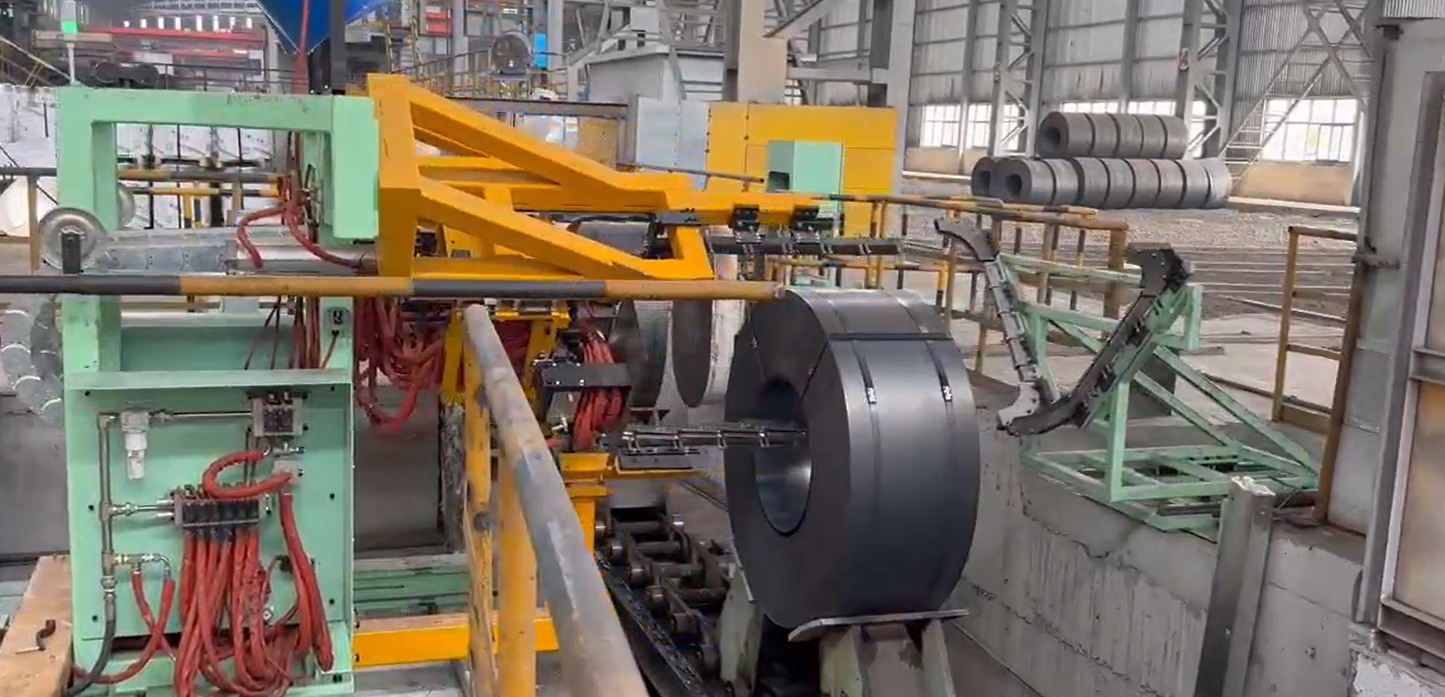
Finding the right equipment for your factory is more than just a purchase. It is a strategic investment. This article will help you navigate the complexities of acquiring a coil strapping machine. We will break down what truly matters. We will look at how different options impact your operations. This will give you the knowledge you need to make a smart choice for your factory’s future.
What key specifications define a reliable coil strapping machine for Russia?
Are you tired of machine breakdowns that halt your entire production line? Does your current equipment struggle to handle the heavy demands of a metal processing factory? Many factories face issues with machines that cannot keep up. This leads to costly downtime and missed deadlines. You need a machine that can withstand harsh conditions. It must deliver consistent performance, especially in challenging environments like Russia.
A reliable coil strapping machine for heavy industrial use, particularly in the demanding conditions often found in Russia, must offer robust specifications. These specs ensure the machine can handle large, heavy coils consistently. It must also operate reliably in varied temperatures. A good machine protects your product from damage. It also keeps your workers safe.

When I started my first packing machine factory, one of the first lessons I learned was the true cost of unreliability. A cheap machine might save you money up front. But its breakdowns will cost you much more in the long run. Downtime means lost production. It means wasted labor. It means unhappy customers. This is why I always emphasize solid specifications. These specifications matter for sustained operation and profitability. For a procurement professional like you, understanding these details is key. It ensures your investment pays off.
Critical Specifications for Coil Strapping Machines
Choosing the right coil strapping machine involves looking at several key specifications. These specs determine the machine’s performance and durability. For factories operating in Russia, extreme temperatures can affect machine components. So, materials and build quality are very important.
-
Coil Dimensions and Weight Capacity: The machine must handle the full range of coil sizes and weights your factory produces. This includes both the outer diameter, inner diameter, and width. The maximum weight capacity is also vital. Overloading a machine leads to faster wear and breakdowns. For example, steel mills often deal with coils weighing tens of tons. The strapping machine needs to be built for this heavy load. A machine designed for lighter materials will fail quickly.
-
Strapping Material Compatibility and Tension: Different coils need different strapping materials. Steel coils often use high-strength steel strapping. Aluminum coils might use polyester strapping. The machine must be able to apply the correct tension for each material. Too little tension means the coil can unravel. Too much tension can damage the coil edges. Precision tension control prevents product damage. It also ensures the load is secure during transport. This is crucial for maintaining product quality.
-
Automation Level and Integration: Some machines are semi-automatic. They require an operator to load the coil and start the cycle. Fully automatic machines handle loading, strapping, and discharge without human intervention. The level of automation affects labor costs and production speed. For Michael, who faces efficiency bottlenecks, a fully automated system is likely more beneficial. It reduces human error and speeds up the process. Integration with existing conveyor systems is also a big plus. It creates a smooth workflow.
-
Durability and Build Quality: Machines for heavy industry need to be tough. Look for machines made from heavy-duty steel. They should have robust components. Consider the quality of the hydraulics, pneumatics, and electrical systems. For Russian environments, extreme cold can impact seals and lubricants. So, materials chosen for these parts must be resilient to temperature variations. My own experience building factories taught me that cutting corners on material quality is never worth it. A durable machine lasts longer. It needs fewer repairs. This means more uptime and lower operating costs. This factor directly addresses Michael’s need for durable equipment that can withstand high-intensity work. A machine that handles its environment well means less worrying about unexpected breakdowns.
-
Safety Features: Automated machines must have comprehensive safety features. This includes emergency stop buttons, safety guards, and interlocking systems. These features protect workers from moving parts and heavy loads. For Michael, who faces high injury risks from manual handling, a machine that prioritizes safety is non-negotiable. Reducing human interaction with heavy coils directly lowers the risk of accidents. This also helps reduce insurance costs and employee turnover.
-
Maintenance and Serviceability: Even the best machines need maintenance. Look for designs that allow easy access to common wear parts. This makes maintenance quicker and simpler. A supplier who offers good after-sales service and spare parts availability is also key. This ensures that when a part needs replacing, you can get it quickly. This minimizes downtime. From my experience, a machine that is easy to maintain means your team spends less time fixing and more time producing.
How do pricing models for coil strapping machines vary for Russian markets?
Are you worried about the total cost of a new coil strapping machine? Do you wonder if the quoted price covers everything, or if hidden fees will appear later? Many buyers get surprised by unexpected costs. They only focus on the initial purchase price. This can lead to budget overruns and poor ROI. You need a clear understanding of all costs. This helps you plan your budget accurately. You can then ensure your investment truly pays off.
Pricing for coil strapping machines varies widely. It depends on several factors. These include the machine’s specifications, its automation level, and the supplier’s location. For the Russian market, additional considerations can impact the final price. These include import duties, shipping costs, and local support availability.

When I was setting up my factory, I learned that the sticker price is just the beginning. There are many other costs that add up. These include installation, training, and ongoing maintenance. For clients in specific regions like Russia, logistics and local regulations add another layer of complexity. This is why you need a supplier who is transparent about all potential costs. They should help you see the full picture. This helps you calculate a true return on investment (ROI). My goal at FHOPEPACK is to make sure you understand every aspect of your purchase.
Factors Influencing Pricing for Russian Markets
The overall cost of a coil strapping machine for a factory in Russia is a sum of several components. Understanding these components is essential for effective budget planning. It also helps you compare different proposals fairly.
-
Base Machine Cost: This is the price of the machine itself. It changes based on the machine’s features, capacity, and brand reputation. Higher automation levels and greater weight capacities usually mean higher base costs. Machines from premium brands or with specialized features will also command a higher price. For instance, a fully automatic machine with advanced safety sensors and integration capabilities will cost more than a semi-automatic model. This initial outlay is important but it is not the only cost.
-
Shipping and Logistics: Transporting heavy machinery to Russia involves significant costs. This includes freight charges, insurance, and handling fees. The mode of transport (sea, rail, or a combination) also impacts cost and speed. Customs clearance procedures in Russia can add complexity and potential delays. It is important to get a clear quote that includes all shipping and handling costs up to your factory door. Sometimes, local logistics partners can simplify this process. They can navigate the import regulations more efficiently.
-
Import Duties and Taxes: Russia has specific import duties and taxes on machinery. These can significantly increase the final price. These duties vary based on the machine’s classification and origin country. It is crucial to factor these into your budget. A good supplier can help estimate these costs or provide documentation needed for customs. This prevents unwelcome surprises when the machine arrives at the border. My experience taught me that failing to account for these taxes can derail a project budget quickly.
-
Installation and Commissioning: Some suppliers include installation services in their price. Others charge separately. Professional installation ensures the machine is set up correctly and safely. Commissioning involves testing the machine to ensure it operates as expected. It confirms that the machine meets performance standards. For complex, automated systems, expert installation is often necessary to avoid issues. This also ensures the machine is integrated seamlessly into your existing production line.
-
Training and Support: Training your staff to operate and maintain the new machine is vital. Some suppliers include basic training. Others offer more comprehensive programs at an extra cost. Ongoing technical support and access to spare parts are also critical. For a factory in Russia, reliable remote support or local service partners are very valuable. They can address issues quickly, reducing downtime. I always advise clients to consider the long-term support. It is just as important as the machine itself.
-
Currency Exchange Rates: When dealing with international transactions, currency exchange rates can affect the final cost. Fluctuations in exchange rates between the quote date and payment date can impact the price. It is wise to discuss currency clauses with your supplier. You might consider hedging options for large purchases. This protects your budget from unexpected currency movements. This is especially relevant for large capital investments that may take time to finalize.
What lead times should you expect for a coil strapping machine to Russia?
Are you worried about long waiting periods for new equipment? Does delayed machinery impact your production schedule and delivery promises? Many factories struggle with unpredictable lead times. This makes it hard to plan operations. You need clear estimates. This helps you manage expectations and maintain your production flow.
Lead times for coil strapping machines can vary significantly. They depend on the manufacturer’s production schedule, the machine’s complexity, and shipping logistics to Russia. Understanding these factors helps procurement professionals plan better. It ensures smooth integration into their factory operations.

When I was building my own factory, I faced many delays. I learned that managing lead times is critical. A delay in one piece of equipment can hold up an entire project. It can impact your ability to meet customer orders. For a procurement professional like Michael, who needs to streamline operations, predictable lead times are a huge asset. This is why at FHOPEPACK, we strive for clear communication. We want you to know exactly when to expect your machine. This helps you prepare your factory for its arrival and installation.
Factors Affecting Lead Times to Russia
Lead times are influenced by several stages in the supply chain. From manufacturing to final delivery, each step contributes to the overall waiting period. For shipments to Russia, specific geographical and logistical challenges add to this.
-
Manufacturing Time: This is the time it takes for the supplier to build your machine. Standard models might have shorter manufacturing times if components are readily available. Custom-built or highly specialized machines will take longer. A typical manufacturing time for a complex coil strapping machine can range from 8 to 16 weeks. During peak seasons, or for very complex orders, this could be even longer. It is important to confirm the current manufacturing queue when placing an order.
-
Component Availability: The availability of critical components impacts manufacturing time. Global supply chain issues can cause delays if specific parts are backordered. This includes items like motors, control systems, and specialized sensors. A reliable manufacturer will have good relationships with their suppliers. They will manage their inventory effectively. This helps minimize component-related delays. My own experience showed me that unforeseen component shortages can be a big headache. So, always ask your supplier about this.
-
Quality Control and Testing: After manufacturing, machines undergo rigorous quality control and testing. This ensures they meet performance standards and are free of defects. This stage adds a few days to a week to the lead time. However, it is a crucial step. It prevents costly issues after installation. I always insist on thorough testing. It saves a lot of trouble down the road. This also directly supports Michael’s need for reliable equipment.
-
Shipping Duration: The transit time from the factory to Russia depends on the shipping method and distance. Sea freight is the most common for heavy machinery. It is also the slowest. It can take several weeks or even months. Rail or air freight are faster but much more expensive. For Russia, inland transport from port cities like St. Petersburg or Vladivostok can add significant time. This is especially true for factories deep within the country. You must consider the total shipping journey.
-
Customs Clearance: This is a major factor for international shipments. Customs procedures in Russia can be complex. They can cause delays if documentation is incomplete or incorrect. Working with experienced freight forwarders or suppliers who have a strong understanding of Russian customs regulations is vital. This helps ensure smooth and fast clearance. Delays at customs are often out of your control. But proper preparation can reduce their impact.
-
Installation and Commissioning Schedule: Once the machine arrives, installation and commissioning can take anywhere from a few days to a few weeks. This depends on the machine’s complexity and the availability of the installation team. Coordinating this schedule with your factory’s production plan is important. You want to minimize disruption. Sometimes, unexpected site conditions can also extend installation time. Being prepared for this helps.
How can you ensure a successful coil strapping machine purchase for your factory?
Do you feel overwhelmed by the process of selecting a new machine? Are you concerned about making the wrong choice and wasting a significant investment? Many factory managers have faced supplier trust issues. They have received equipment that did not meet expectations. This can lead to frustration and financial loss. You need a trusted partner. They can guide you through the process. They can ensure your investment genuinely solves your problems.
Ensuring a successful coil strapping machine purchase goes beyond comparing specs and prices. It involves choosing the right partner. This partner understands your factory’s unique challenges. They should provide expert guidance. They should also offer robust after-sales support. This holistic approach ensures your new machine delivers real value. It also helps achieve your goals of higher automation, improved safety, and better profitability.

My journey in the packing machine industry started on the factory floor. I saw first-hand the challenges of daily operations. I later built my own successful factory. This gave me a deep understanding of what it takes to run a profitable business. I also learned the true value of reliable equipment and knowledgeable partners. At FHOPEPACK, our mission is to share this knowledge. We want to help others succeed. Michael’s challenges—efficiency bottlenecks, safety risks, product damage, and a lack of supplier trust—are exactly what I aim to help solve. I believe in giving back. I want to help you make informed decisions. I want you to avoid the pitfalls I have seen others experience. This is why I created FHOPEPACK. It is a platform for knowledge sharing. It helps you navigate complex decisions like these.
My Insights for a Successful Procurement Process
Making a significant capital investment like a coil strapping machine requires careful planning and a strategic mindset. Here are my key insights, based on years of experience in the industry, both as an employee and as a factory owner.
-
Clearly Define Your Needs: Before you even look at machines, understand your factory’s exact requirements. What coil sizes do you handle? What throughput do you need? What are your specific safety concerns? Michael’s current challenges are a great starting point: he needs to reduce manual labor, improve safety from heavy handling, and minimize product damage. Knowing these details helps you narrow down options. It also helps you communicate your needs clearly to potential suppliers. A precise needs assessment ensures you do not overbuy or under-buy. It ensures the machine fits your operation perfectly.
-
Prioritize ROI, Not Just Price: The lowest price is rarely the best value. Consider the total cost of ownership over the machine’s lifespan. This includes maintenance, spare parts, energy consumption, and potential downtime. A higher-priced machine with better reliability and efficiency can offer a much better ROI in the long run. Michael needs an investment with a clear ROI. This means looking at how the machine reduces labor costs, decreases product loss, and lowers insurance premiums due to improved safety. My financial independence came from understanding this principle. Investing wisely in equipment directly impacts your bottom line.
-
Vet Your Suppliers Thoroughly: Michael’s experience with unreliable suppliers is a common problem. Look for suppliers with a proven track record. Check their references. Inquire about their after-sales service, spare parts availability, and technical support. A good supplier is a partner. They do not just sell you a machine. They understand your operational challenges. They offer solutions. They also provide ongoing support. At FHOPEPACK, we emphasize this partnership model. We aim to be the expert guide you can trust. This approach ensures you get not just a machine, but a complete solution and peace of mind.
-
Demand Transparency in Pricing and Lead Times: Get detailed quotes that itemize all costs. This includes the machine, shipping, installation, training, and any recurring fees. For lead times, ask for a clear schedule with milestones. Understand potential delays and how the supplier plans to mitigate them. Transparency builds trust. It also helps you manage your project timeline and budget effectively. I always advise clients to ask tough questions about these details. It protects your interests.
-
Consider Customization and Future Growth: Does the machine offer any flexibility for future needs? Can it be upgraded or adapted as your production changes? For a factory manager looking to automate and grow, a machine that can evolve with the business is a smart choice. Discuss customization options with your supplier. Sometimes, a small upfront investment in a custom feature can save significant costs later. This proactive approach supports long-term business growth and adaptability.
Conclusion
Choosing a coil strapping machine for Russia requires careful consideration of specifications, pricing, and lead times. Focus on your factory’s specific needs, prioritize long-term ROI, and choose a trusted supplier for a successful investment that boosts efficiency and safety.








