
Is Your Korean Production Line Falling Behind? An Engineer’s Guide to Modernizing with Coil Strapping Machines.
Your factory in Korea faces daily pressure. You need to boost output. You must control costs. Safety is also a constant worry. If your coil packaging process still relies heavily on manual work, you are likely hitting a wall. This old way slows down your entire operation. It also puts your workers at great risk. This bottleneck at the end of your line limits your growth. It stops you from meeting demanding delivery schedules.
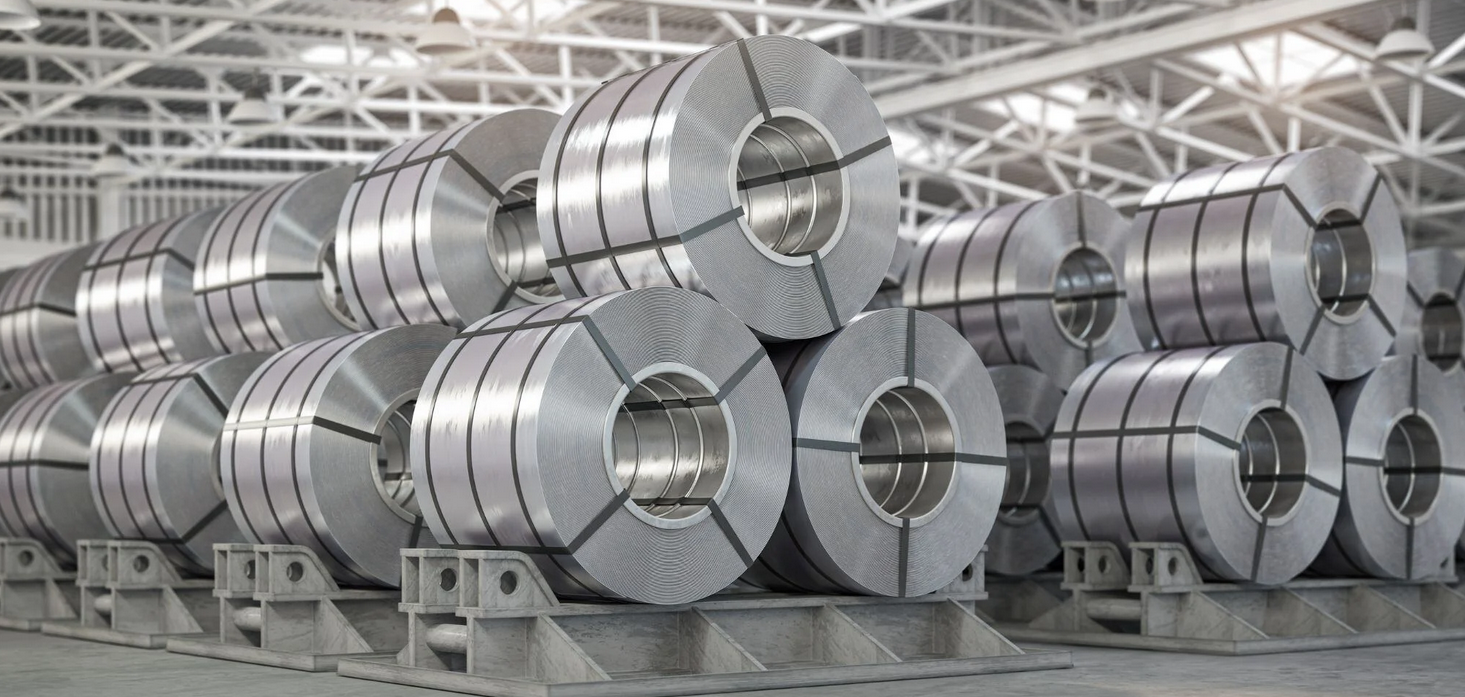
Modern coil strapping machines are the direct answer for factories in Korea looking to fix these issues. They automate the packaging of steel coils and wire. This shift changes slow, risky manual tasks into fast, safe, and efficient operations. These machines drastically cut down the need for human labor in heavy lifting. This makes your workplace much safer. It also speeds up the entire packaging process. It ensures your products are bundled securely. This reduces damage during shipping. In simple terms, these machines transform your packing line from a weak point into a strong asset for your business.
I have spent many years in this industry. I started as an employee. Then I built my own successful packing machine factory. I know the challenges you face. I understand how much a reliable machine means to your bottom line. This guide will show you how coil strapping machines can solve your biggest problems. It will also help you choose the right partner for your factory’s future.
Are Manual Coil Strapping Processes Holding Back Your Korean Factory’s Output and Safety?
Do you still use a lot of people to strap coils? This old method is a problem. It slows down your entire factory. It also puts your workers in danger. This can hurt your business in many ways. It affects how much you produce. It also increases your costs. This is a common issue for many factories in Korea. It is time to look at better ways.
Manual coil strapping methods significantly limit a factory’s ability to produce goods quickly. They also create a high risk of worker injuries. This directly impacts overall output. It also pushes up insurance costs. Workers might get hurt moving heavy coils. They might also get injured flipping pallets. These risks are not just about safety. They are about money and people. They can lead to high employee turnover. They can also cause expensive compensation claims. This method is simply not sustainable for a modern factory aiming for growth.

For a long time, many factories used manual strapping. It seemed cheap at first. But I saw over the years how much it really costs. Manual processes often create bottlenecks. A bottleneck is a point where things slow down. Your whole production line can only move as fast as its slowest part. If your packing is slow, your whole factory is slow. This means you make less money. You also upset customers if orders are late.
The Hidden Costs of Manual Strapping
Manual strapping has many hidden costs. These costs might not show up on a daily report. But they add up quickly.
-
Low Efficiency:
- People work slower than machines. Machines work at a constant speed. People get tired. They need breaks. Their speed changes. This means your output is not steady. It is hard to predict how much you can pack in a day. This makes planning difficult. You might miss deadlines. This can harm your reputation. It can also lose you future orders.
- I often tell clients, “Time is money, and manual labor eats up both.” When you rely on hands, you are essentially paying for time that could be used for other, more skilled tasks.
-
High Safety Risks:
- Moving heavy coils by hand is dangerous. Workers can drop coils. They can strain their backs. They can get crushed. These accidents lead to high medical bills. They also lead to higher insurance rates. If a worker gets seriously hurt, your factory might face fines. It can also hurt employee morale. People do not want to work in unsafe places. This can lead to many workers leaving. You then spend more money training new people.
- I remember one factory I helped. They had a worker injure his back. This one injury cost them more than a small automated machine. It was a clear sign they needed to change.
-
Product Damage:
- Manual handling can damage your products. Steel coils have edges. These edges can get bent or scratched during manual movement. This happens easily if workers are not careful. Damaged products mean customer complaints. They mean you lose money. Sometimes, you have to scrap the product completely. This is a waste of your materials and time.
- Many of my clients faced this. They thought they were saving money by not automating. But then they saw their scrap rate increase. This ate into their profits.
Here is a simple look at the difference:
| Feature | Manual Strapping | Automated Strapping |
|---|---|---|
| Speed | Slow, inconsistent | Fast, consistent |
| Safety | High risk of injury | Low risk, improved safety |
| Labor Cost | High, ongoing | Low, reduced |
| Product Damage | Moderate to High | Low, consistent quality |
| Output | Limited by human speed | High, machine-driven |
These points show clearly why manual methods are not good for a modern factory. Especially in a competitive market like Korea, you need every advantage you can get. Automation is not just about speed. It is about creating a safer, more stable, and more profitable workplace.
How Can Automated Coil Strapping Machines Stop Product Damage and Cut Your Costs?
Many factory managers worry about product damage during handling. They also constantly look for ways to lower costs. Manual processes often lead to both these problems. This includes damaged product edges and high labor expenses. You might think machines are expensive. But they can actually save you a lot of money in the long run. They also protect your products better.
Automated coil strapping machines significantly reduce product damage during internal transfer and packaging. They do this by providing consistent, controlled handling. This means fewer bent edges or scratches on your valuable steel coils. At the same time, these machines drastically cut down labor costs. They replace multiple workers with one machine operator. This improves efficiency. It also reduces the chances of human error. It also leads to a more predictable and lower overall operating expense. This directly impacts your factory’s profitability by cutting waste and labor wages.

When I started my own factory, I understood the need for smart investments. Every dollar spent on equipment needed to bring back more dollars. Product damage was a big concern. Every damaged coil meant less profit. It also meant unhappy customers. Automated machines directly address these two big issues.
Protecting Your Products, Protecting Your Profits
Automated machines handle coils with high precision. This is very different from human handling.
-
Consistent Handling:
- Machines apply the same force every time. They move coils in a steady way. This reduces sudden drops or bumps. These bumps often cause damage to coil edges. This leads to fewer scratches and dents. Your product quality stays high. This makes your customers happier. Happy customers mean repeat business.
- I have seen factories lose major clients because of consistent minor product damage. It is a slow leak of profit. A machine stops that leak.
-
Less Rework and Scrap:
- When products get damaged, you have two choices. You can try to fix them. This is rework. It takes time and money. Or, you have to throw them away. This is scrap. Scrap means you lose all the money spent on raw materials and production. Automated strapping reduces the need for rework. It also lowers the amount of scrap. This directly saves you money on materials and labor.
- One of my earliest clients saw their scrap rate drop by 15% after automating their strapping. That was a huge win for them.
Cutting Down Your Operating Costs
Beyond damage control, automation directly lowers your daily spending.
-
Reduced Labor Expenses:
- This is often the biggest saving. One automated machine can do the work of several people. You might still need one person to watch the machine. But you will not need a whole team for strapping. This means you pay fewer wages. You also pay less for benefits, training, and overtime. These savings are long-term. They add up fast.
- I built my factory with automation in mind from day one. This helped me keep my labor costs competitive. It also let my skilled workers focus on more complex jobs, not repetitive tasks.
-
Lower Insurance Premiums:
- Fewer accidents mean a safer workplace. A safer workplace means lower insurance rates. Insurance companies charge less when the risk of injury is low. This is a direct saving for your factory.
- This is a hidden benefit that many people overlook. But it is a real, measurable cost reduction.
-
Optimized Material Use:
- Automated machines use strapping material very efficiently. They apply the right amount every time. Manual strapping can waste material. Workers might use too much or not enough. This means you buy less strapping material over time. It is a small saving per coil, but it adds up for thousands of coils.
Consider these cost benefits when looking at machine prices:
| Cost Area | Manual Impact | Automated Impact |
|---|---|---|
| Product Loss | High (damage, rework, scrap) | Low (consistent quality) |
| Labor Wages | High (multiple workers, overtime) | Low (fewer operators) |
| Insurance | Higher (injury risk) | Lower (improved safety) |
| Material Use | Inefficient, potential waste | Efficient, precise application |
Investing in an automated coil strapping machine is not just buying equipment. It is buying a solution. It solves problems like product damage and high costs. It makes your factory more profitable and competitive.
What Should You Really Look For in a Coil Strapping Machine Partner for Your Korean Operations?
Choosing a coil strapping machine is important. But choosing the right supplier is even more important. Some suppliers only want to sell a machine. They do not care much after the sale. This can cause big problems for your factory. You need a partner who understands your needs. You need someone who can give you real support. This is especially true for factories in Korea. You need reliability.
Finding a coil strapping machine supplier means looking beyond the price tag. You need a partner who truly understands your production bottlenecks, safety concerns, and efficiency goals. This means a supplier with deep industry knowledge. They should offer professional insights. They also need to provide reliable solutions and strong after-sales service. Past bad experiences with suppliers who only focus on sales can make factories cautious. A good partner proves their value through their expertise and commitment to your long-term success, not just a quick sale.

My journey in the packing machine industry taught me a lot about partnerships. I started as an employee. I saw good suppliers and bad ones. When I built my own factory, I knew the kind of support I would want. A machine is only as good as the company behind it. This is why FHOPEPACK focuses on sharing knowledge. We want to be a partner, not just a seller.
Beyond the Machine: The Value of a True Partner
A real partner offers more than just hardware. They offer understanding and ongoing support.
-
Understanding Your Challenges:
- A good supplier listens to your problems. They do not just push their products. They ask about your current production bottlenecks. They want to know about your safety issues. They care about your efficiency targets. They understand that every factory is different. They tailor solutions to your specific needs. This means they might suggest a specific model. Or they might suggest a custom setup.
- I always tell my team, “We are problem solvers, not just machine sellers.” It is about listening first. What keeps the factory manager awake at night?
-
Deep Industry Expertise:
- Look for a supplier with real-world experience. Do they know about coil packing, steel wire packing? Have they worked with factories like yours? A supplier with deep knowledge can offer valuable insights. They can help you avoid common mistakes. They can suggest ways to optimize your whole line. This knowledge comes from years in the field. It is not something you can learn from a brochure.
- My own experience running a factory gives me a unique perspective. I know what it means when a machine breaks down. I know the pressure to deliver. This personal experience helps me connect with clients on a deeper level.
-
Reliable After-Sales Service:
- Machines need maintenance. Sometimes they need repairs. What happens after you buy the machine? A reliable partner offers strong after-sales service. This includes technical support. It also includes spare parts. They should be able to help quickly if something goes wrong. Long downtime means lost production. Good service minimizes this.
- I learned early on that good after-sales service builds trust. It is what makes a client come back. It is what makes them recommend you to others.
-
Focus on ROI (Return on Investment):
- A good partner helps you see the financial benefits. They can show you how the machine will save you money. They can help you calculate the ROI. This means they help you understand how much you will save in labor. They can show you how much you will save from less product damage. They help you see when your investment will pay for itself. This shows they are serious about your success.
- For factory managers, ROI is key. My goal is always to show how a machine is not just a cost, but a powerful investment that pays itself back many times over.
Here are points to consider when evaluating a supplier:
| Feature | Poor Supplier | Good Partner |
|---|---|---|
| Focus | Only sales, quick profit | Problem-solving, long-term relationship |
| Understanding | Generic pitch, no specific questions | Asks about your challenges, listens |
| Expertise | Basic product knowledge, no industry insight | Deep industry experience, valuable advice |
| After-Sales | Limited, slow, hard to reach | Strong, fast support, spare parts ready |
| ROI Guidance | Absent, just price | Helps calculate savings and payback |
Choosing the right partner makes a big difference. It turns an expensive purchase into a strategic asset. It ensures your investment truly helps your factory grow and succeed in Korea.
Can Investing in Automated Coil Strapping Deliver a Strong ROI for Your Korean Manufacturing Plant?
Factory managers always need to justify new equipment costs. They need to see a clear return on investment (ROI). You might think automating your coil strapping is a big expense. But smart investments actually save you money. They also boost your profits over time. You need to see how this investment pays for itself. You need to know how it helps your business grow.
Investing in automated coil strapping machines can deliver a very strong return on investment for Korean manufacturing plants. This is because these machines significantly reduce ongoing operational costs. They cut down labor expenses by replacing manual work. They also lower costs from product damage and scrap. They increase overall production speed. This means you can handle more orders. This leads to higher sales and more profit. The initial cost of the machine is quickly offset by these substantial savings and increased output. This makes it a smart financial move for any factory aiming for higher efficiency and profitability.

I remember when I was building my own factory. Every equipment purchase was a big decision. I had to be sure it would bring financial independence not just for me, but help my clients achieve their goals. The ROI was always at the front of my mind. It is not just about buying a machine. It is about buying efficiency. It is about buying safety. It is about buying future profits.
Breaking Down the ROI for Your Factory
Calculating ROI means looking at what you spend and what you save. It also means looking at new profits.
-
Direct Cost Savings:
- Labor: This is usually the biggest saving. You can reassign workers or reduce staff. This cuts down wages, benefits, and overtime. For many factories, this saving alone can pay for the machine in just a few years.
- Reduced Product Loss: Fewer damaged coils mean less scrap. This saves you money on raw materials. It also saves the labor cost of making those damaged products. This is money that goes straight back to your bottom line.
- Lower Insurance: A safer workplace with fewer accidents often means lower insurance premiums. This is a recurring saving.
-
Increased Revenue and Profit:
- Higher Output: Automated machines work faster and more consistently. This means you can pack more coils in a day. You can handle more orders. This directly leads to more sales. Higher sales mean more revenue.
- Faster Deliveries: If you pack faster, you can ship faster. This makes your customers happy. Happy customers are loyal. They also recommend you to others. This can bring in new business.
- Improved Product Quality: Consistent, damage-free packaging boosts your product reputation. This can allow you to charge a premium. It also helps you win more competitive bids.
-
Intangible Benefits with Tangible Value:
- Enhanced Safety Culture: A safer workplace makes employees feel valued. This reduces turnover. It also increases morale. Happy workers are more productive.
- Better Data for Planning: Automated machines can often provide data on production. This data helps you plan better. It helps you find other areas for improvement.
- Modern Image: Investing in automation shows your company is forward-thinking. This can attract better talent. It also impresses clients.
Here is a simplified ROI example for a typical Korean factory:
| Factor | Before Automation (Manual) | After Automation (Coil Strapping Machine) | Annual Savings/Gains (Example) |
|---|---|---|---|
| Labor Cost | ₩100,000,000 | ₩20,000,000 | ₩80,000,000 (Reduced staff) |
| Product Damage | ₩15,000,000 | ₩3,000,000 | ₩12,000,000 (Less scrap) |
| Increased Output | Baseline | +20% more coils packed | ₩50,000,000 (New revenue) |
| Insurance Premiums | ₩5,000,000 | ₩4,000,000 | ₩1,000,000 (Safer workplace) |
| Total Annual Gain | N/A | N/A | ₩143,000,000 |
Note: Machine cost and specific savings vary based on factory size and usage. This is a simplified example.
If a machine costs ₩200,000,000 and it saves/earns you ₩143,000,000 per year, it will pay for itself in less than two years. This is a very strong ROI. It shows that automated coil strapping is a smart, strategic investment for your Korean manufacturing plant. It is not just about spending money. It is about making more money.
What Key Insights Have I Gained from Years in the Packing Machine Industry?
My journey in the packing machine industry has been long. I started from the bottom. I built a successful factory. This path taught me many things. It is not just about machines. It is about understanding the real needs of factory owners. It is about helping businesses grow. These insights are what FHOPEPACK wants to share with you.
Through my extensive journey in the packing machine industry, from factory employee to successful factory owner, I have learned that true success comes from a deep understanding of operational challenges and a commitment to practical solutions. The key insights I gained are simple: reliable equipment is gold, safety is non-negotiable, and efficiency is the engine of profit. Most importantly, a supplier should be a true partner, someone who shares knowledge and helps clients achieve their own financial independence and business growth, just as this industry helped me.
I remember the early days. Every problem was a learning opportunity. Over time, I saw patterns. I saw what worked. I also saw what failed. My goal is to pass on these lessons. I want to help you avoid the mistakes I saw others make. I want to help you make smart choices.
Core Principles for Factory Success
These principles guided me. They can guide your factory too.
-
Reliability is Everything:
- A machine that breaks down costs you a lot. It stops production. It wastes time. It frustrates workers. I learned that paying a little more for a reliable machine is always worth it. It means less downtime. It means consistent output. This consistency is vital for meeting deadlines and keeping customers happy. When I designed machines for my factory, I always put reliability first.
- I once lost a big order because a key machine failed. It was a cheap machine. I learned my lesson. You cannot compromise on reliability.
-
Safety Protects Your People and Your Profits:
- Safety is not just about rules. It is about protecting your most important asset: your workers. When workers feel safe, they are more productive. Fewer accidents mean lower costs. It also means a happier workforce. I saw firsthand how much a single accident could cost a company, both financially and in morale. This is why I always advocate for solutions that drastically reduce manual handling.
- This is not just a moral duty. It is a smart business decision.
-
Efficiency Drives Growth:
- Every minute saved in production is a minute that adds to your profit. Efficiency means doing more with less. Automated packing machines are a prime example. They remove bottlenecks. They speed up your entire operation. This allows you to produce more. It lets you take on bigger orders. This is how factories grow in a competitive market like Korea.
- My own financial independence came from understanding and applying efficiency in my operations. I want to share that with others.
-
Partnership Over Transaction:
- Do not just buy a machine. Find a partner. Look for a company that truly cares about your success. They should offer expertise. They should provide support. They should be there after the sale. This kind of relationship builds trust. It helps you make better decisions for the long term. This is the FHOPEPACK mission. We are here to share knowledge. We want to help you achieve your goals.
- I have seen too many companies get burned by suppliers who disappear after the sale. I built FHOPEPACK to be different.
These insights are simple. But they are powerful. They are the foundation of a successful manufacturing business. They are what I want to share with every factory owner in Korea and beyond. They are about building a strong, safe, and profitable future.
Conclusion
Modernizing your Korean production line with coil strapping machines is a smart move. It boosts safety, cuts costs, and increases output. This investment brings strong returns and secures your factory’s future.








