
Coil Packing Line Iran: Which Supplier Offers the Most Reliable Automation?
Working in steel production means facing tight deadlines and high expectations every day. Manual coil packing often leads to slow output, inconsistent quality, and serious safety risks. These problems can cause costly delays, unhappy customers, and even financial penalties. You cannot afford such issues when hundreds of tons of steel coils move out daily. The question is, how do you find a packing solution that truly works and lasts?
The most reliable automation for a coil packing line comes from a supplier who offers proven technology, deep customization capabilities, and robust after-sales support. This ensures continuous operation, consistent high-quality output, and seamless integration into your existing production lines. This is especially vital in demanding industrial environments, such as those found in major steel production regions.

This is not just about buying a machine. It is about investing in a future where your packing process is an asset, not a liability. As someone who started on the factory floor and built a successful packing machine business, I understand these challenges deeply. Let us explore what makes automation reliable and how to choose the right partner for your needs.
Why is Reliable Automation Essential for Coil Packing Operations?
Are you struggling with slow packing speeds and inconsistent quality in your steel coil output? Many steel mills face these exact problems. Manual packing methods are simply too slow and prone to errors. This can lead to missed shipping deadlines, damaged products, and frustrated clients. These issues do not just affect your daily operations. They can hurt your reputation and your bottom line significantly.
Reliable automation is essential because it prevents production bottlenecks, ensures consistent product quality, and significantly boosts safety in high-volume steel operations. It turns a manual, error-prone process into a smooth, predictable, and cost-effective part of your production line.
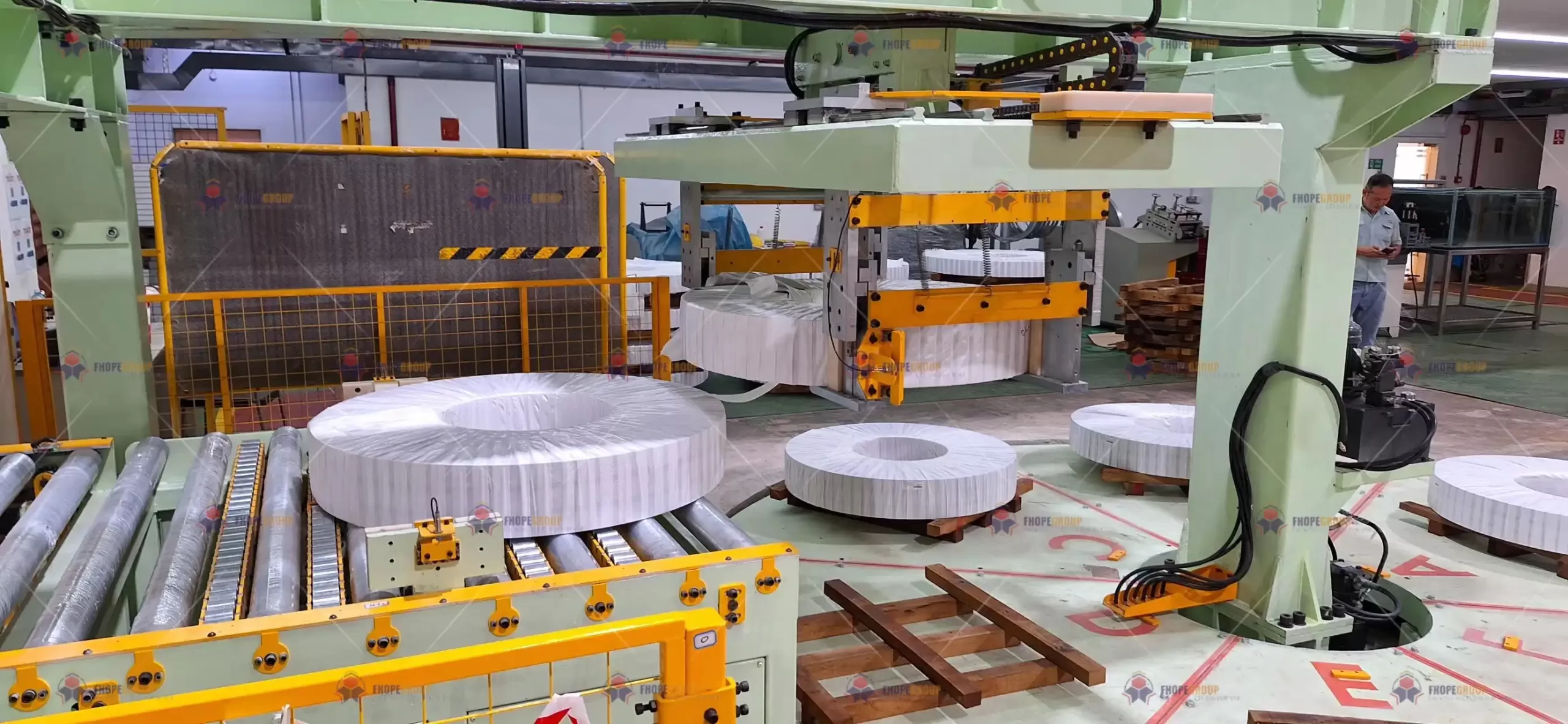
When I first started in the packing machine industry, I saw many factories struggle. They had skilled workers, but the sheer volume and varied requirements made manual packing a bottleneck. This is why I became so passionate about automation. It is a game-changer. For a modern steel plant, particularly one dealing with hundreds of tons of daily shipments and diverse product types, reliable automation is not a luxury; it is a necessity. It addresses core challenges like labor shortages, inconsistent packaging, and the increasing demands from global clients. Without it, you are always playing catch-up, risking safety, and leaving money on the table.
1. Addressing Production Bottlenecks ⚙️
Manual coil packing is often the slowest part of the production line. Workers must move heavy coils, measure materials, and apply strapping or wrapping by hand. This takes a lot of time and effort. When your factory produces hundreds of tons of steel every day, even small delays add up fast. These delays stop products from going out on time. This leads to backlogs and missed delivery dates. An automated system, however, works at a constant speed. It performs tasks much faster than people can. This keeps the production flow smooth and steady. It removes the bottleneck, allowing your steel coils to move from the production line to shipping without waiting. This improved speed helps your plant meet high demand and fulfill orders quicker.
2. Ensuring Consistent Packaging Quality ✨
Manual packaging quality can vary greatly from one worker to another. One person might apply strapping too loose, while another might wrap a coil too tight. This inconsistency causes problems. Loose packaging can lead to damage during transport. This results in customer complaints or even product returns. For demanding clients, especially those requiring specific export standards like CE/ISO certification, consistent quality is a must. Automated machines apply the same tension every time. They use precise amounts of material. This ensures every coil is packed perfectly. This consistent quality protects your products. It also builds trust with your customers. It means fewer complaints and higher satisfaction.
3. Boosting Workplace Safety 🛡️
Handling large steel coils manually is very dangerous. Workers can get injured while lifting, moving, or strapping these heavy items. There is a high risk of strains, crushed limbs, or other serious accidents. These incidents cause suffering for employees and create high costs for the company. These costs include medical bills, lost work time, and insurance hikes. Automated systems significantly reduce the need for workers to be near heavy machinery and moving coils. Machines handle the heavy lifting and the risky strapping or wrapping tasks. This keeps human operators safer. It lowers the risk of accidents and injuries. A safer workplace means happier employees and fewer costs related to incidents. It also helps with retaining skilled workers.
4. Meeting Evolving Client Demands 🌍
Today’s steel market has many different client needs. Customers often ask for specific packaging types. This includes PET or steel strapping, anti-moisture wrapping, and automatic barcode labeling. They might also require special certifications for export. Manually switching between these different requirements is slow and prone to human error. It can be very complicated. Automated packing lines are designed to be flexible. They can quickly switch between different packaging materials and methods. They can also apply labels and manage data for tracking. This allows your plant to meet a wide range of customer demands easily. It ensures that every order is packed to the exact specification needed. This adaptability helps you keep existing clients happy and win new business.
5. Reducing Long-Term Operating Costs 💰
While the initial investment in automation can seem high, it offers significant cost savings over time. Manual packing requires a large workforce. Labor costs, including wages, benefits, and training, add up quickly. High-intensity manual work often leads to high worker turnover, meaning more costs for hiring and training new staff. Automated systems reduce the need for many workers. This lowers labor costs directly. They also use packing materials more efficiently. This reduces waste. Plus, by preventing damage and improving safety, automation cuts down on costs from customer returns, penalties, and workplace accidents. These savings make the automated system a very cost-effective choice in the long run.
What Defines “Reliable Automation” in a Coil Packing Line?
Have you ever invested in a piece of equipment that promised automation but delivered endless headaches? Many businesses have. They find themselves dealing with frequent breakdowns, complex operations, and a constant need for manual fixes. This kind of “automation” is a drain on resources. It creates more problems than it solves. It brings production to a halt and frustrates your team. This completely defeats the purpose of automation.
True reliable automation means a coil packing system built for continuous 24/7 operation, seamlessly integrating into existing production lines. It performs tasks with minimal manual intervention and delivers consistent, high-quality output every single time. It is a robust solution that can adapt to various product specifications without fail.
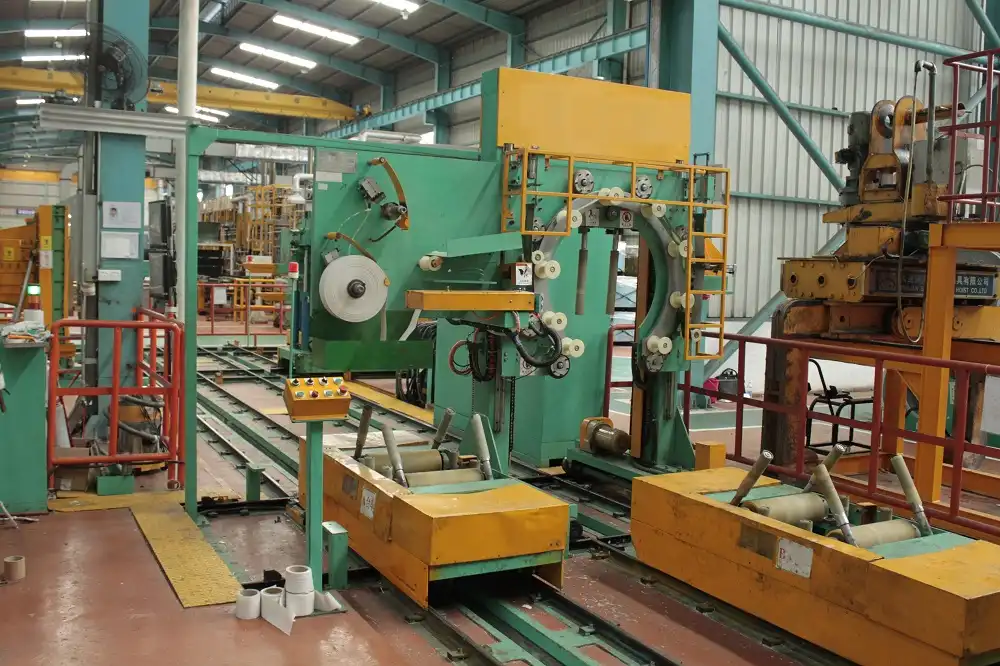
When I talk about reliable automation, I am not just talking about machines that move parts. I am talking about systems that become a dependable, vital part of your factory’s heartbeat. Early in my career, I learned that a machine’s true value comes from its ability to just keep going, day in and day out, without fuss. For steel plants, this means a system that can handle the sheer volume and weight of coils without breaking down. It means a line that requires very little human interaction once it is set up. This is the only way to achieve true efficiency and peace of mind.
1. Robust 24/7 Operational Capability ⏱️
A truly reliable automated coil packing line must be able to run continuously. Steel mills often operate two shifts, sometimes even three, for 24 hours a day. The packing line needs to match this intensity. It cannot afford to break down frequently. When a packing machine stops, the entire production line behind it can slow down or stop. This results in huge losses. Reliable systems use heavy-duty components and durable materials. They are designed for constant, demanding use. They also have built-in diagnostics that alert operators to potential issues before they cause a breakdown. This ensures maximum uptime. It means your production keeps moving without interruption. This ability to operate around the clock is a key sign of real reliability.
2. Seamless Integration and Workflow 🔄
A reliable automated packing line does not stand alone. It must fit perfectly with your existing production setup. This includes the machines that cut and process the steel coils. It also includes your inventory and shipping systems. Good integration means the packing line talks to other machines. It receives coils smoothly from the previous stage. It then passes packed coils to the next stage without any hitches. This creates a unified workflow. It eliminates manual transfers between steps. This reduces the need for workers to physically move coils, which saves time and improves safety. A truly integrated system makes your entire production process more efficient and much easier to manage.
3. Minimal Human Intervention Required 🤖
The goal of automation is to reduce human effort and the chances of human error. A reliable coil packing line runs mostly by itself. Once set up, it requires only minimal supervision from operators. Workers do not need to manually adjust settings for every coil. They do not need to intervene constantly to fix small issues. The system handles routine tasks like coil orientation, wrapping, and strapping on its own. It uses sensors and smart controls to make adjustments. This frees up your staff to focus on more complex tasks. It also significantly lowers the risk of injuries that come from manual handling of heavy items. Less human touching means a safer and more consistent process overall.
4. Consistent and High-Quality Output ✅
Reliability also means that every packed coil looks the same and meets the same high standards. Manual packing often results in uneven tension, loose strapping, or improper wrapping. This inconsistency leads to damaged goods during transport. An automated system applies the same force and uses the same amount of material for every coil. This ensures consistent tension and a secure wrap or strap every time. This precision prevents damage. It also meets the strict quality requirements of demanding customers. For export clients, this consistent quality is non-negotiable. It builds a strong reputation for your product. It reduces rejections and complaints.
5. Adaptability to Diverse Product Specs 📏
Modern steel plants produce many different types of coils. These include cold-rolled, galvanized, and pre-painted coils. They also come in various sizes and weights. A reliable automated system must be flexible enough to handle this diversity. It should easily adjust to different coil diameters, widths, and weights (for example, 1-3 tons). It should also be able to apply different packaging methods. This includes PET or steel strapping, anti-moisture wrapping, or shrinking film. The ability to switch quickly between these settings without manual re-configuration is key. This adaptability ensures that your packing line can keep up with your production schedule, no matter how varied your product mix becomes.
How Do You Choose a Truly Reliable Coil Packing Line Supplier?
Finding the right coil packing line supplier can feel like a maze. There are many options, and each one promises the best solution. But how do you really know if a supplier can deliver on their promises? Choosing the wrong partner can lead to costly delays, poor equipment performance, and a lack of support when you need it most. You need a supplier who is a true partner, not just a seller.
Choosing a truly reliable coil packing line supplier involves looking beyond the initial price tag. You must prioritize a supplier with a proven track record, extensive customization capabilities, robust after-sales service, and the ability to provide comprehensive training and spare parts. This ensures a long-term, successful partnership and consistent operational performance.
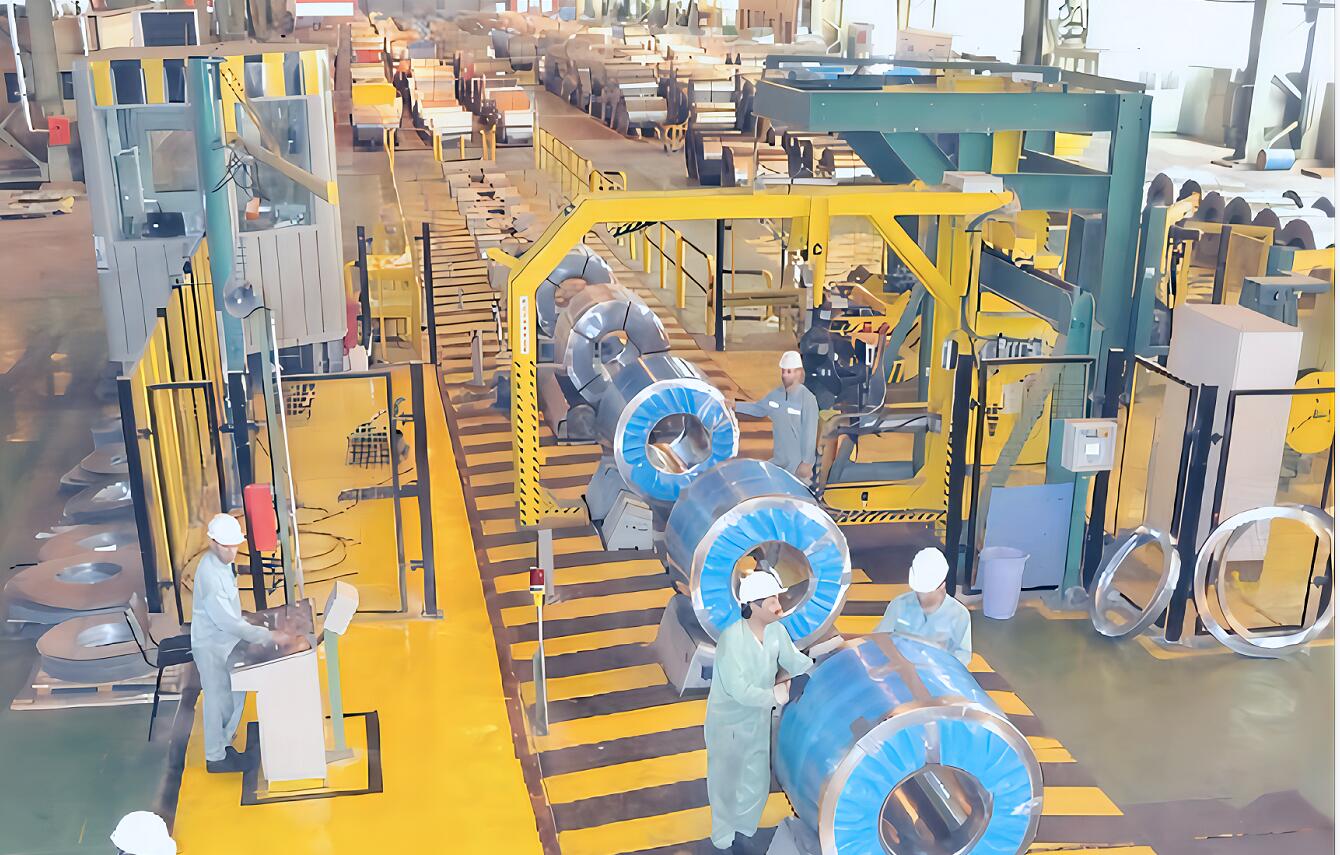
My journey from an employee to a factory owner taught me a crucial lesson: the machine is only as good as the company behind it. I’ve seen firsthand how a supplier’s support can make or break a project. When you are looking to automate a critical part of your steel plant’s output, you are not just buying metal and wires. You are buying expertise, commitment, and a guarantee of uptime. This means careful consideration of their history, their engineering depth, and their plan for supporting you long after the sale. You are looking for a business relationship built on trust and consistent delivery.
1. Proven Track Record and Industry Experience 🏆
When selecting a supplier, their history matters a lot. You want a company that has been in the coil packing industry for many years. Look for evidence of successful installations in plants similar to yours. A long track record shows that they understand the specific challenges of steel coil handling and packaging. It means they have refined their designs and processes over time. Ask for case studies or client references. A supplier with deep experience can anticipate potential problems. They can offer solutions based on real-world knowledge, not just theory. This experience is a strong indicator of their ability to deliver reliable automation.
2. Comprehensive Customization and Engineering Expertise 🛠️
Every steel plant has unique needs. Your coil dimensions, production volume, and packaging requirements might differ from others. A reliable supplier does not offer a one-size-fits-all solution. They should have strong engineering capabilities. This allows them to design and build a packing line tailored to your specific demands. They should be able to adapt to various coil weights, diameters, and packaging material preferences. This might include integrating different strapping heads, wrapping machines, or labeling systems. Their ability to customize means the solution will fit seamlessly into your operations. It will meet your exact production and safety standards, rather than forcing you to adapt to their generic machines.
3. Strong After-Sales Support and Maintenance 📞
Even the best machines need maintenance and occasional repairs. What happens after the sale is just as important as the sale itself. A reliable supplier provides excellent after-sales support. This includes quick response times for technical issues. It also means having skilled technicians available for on-site visits or remote troubleshooting. Look for suppliers who offer service contracts and preventative maintenance programs. Good support minimizes downtime. It keeps your packing line running smoothly for years. Without strong after-sales service, even a high-quality machine can become a liability if it breaks down and you cannot get help quickly. This ongoing relationship is key to long-term success.
4. Availability of Spare Parts and Technical Training 📚
For continuous operation, easy access to spare parts is crucial. You cannot afford to wait weeks for a critical component. A reliable supplier maintains an inventory of common spare parts. They can ship them quickly when needed. They should also provide comprehensive training for your operators and maintenance staff. This training ensures your team knows how to operate the machine safely and efficiently. It also empowers them to perform basic troubleshooting and maintenance. This reduces your reliance on external technicians for every small issue. A well-trained team, combined with readily available parts, ensures your packing line stays operational and productive.
5. Global Reach and Local Presence (or Ability to Serve Iran Effectively) 🌐
While a supplier might be based in another country, their ability to serve your specific region, like Iran, is important. This means understanding local regulations, logistics, and import processes. Some suppliers might have local representatives or partners. This can simplify communication and speed up service. Even without a direct local presence, they should have a clear and efficient system for international delivery, installation, and support. A supplier with experience in global projects will be better equipped to handle the complexities of exporting and setting up machinery abroad. This global capability ensures that you receive the same high level of service and support, no matter where your factory is located.
Which Specific Features Ensure Your Coil Packing Line Meets Production Demands?
Are you tired of packaging machines that fall short of your factory’s specific needs? Generic equipment often forces you to compromise on efficiency, quality, or safety. It cannot handle your diverse product range or keep up with your output volume. This leads to manual workarounds, constant frustration, and unmet production targets. You need a system that truly understands and adapts to your operational reality.
Your automated coil packing line must feature versatile coil handling, multi-mode packaging capabilities (like PET/steel strapping and anti-moisture wrapping), automatic labeling, and advanced safety systems. These specific features ensure seamless adaptation to diverse product types, enhance packaging quality, reduce labor, and guarantee safe, efficient operations.
When I was designing and building machines for my own factory, I learned that the devil is in the details. It is not enough to just automate; you have to automate smartly. This means anticipating every possible variation in product and process. For example, dealing with cold-rolled, galvanized, and pre-painted coils, each with different packaging needs, requires a truly intelligent design. A well-designed system makes the complex look easy. It takes into account your specific challenges like labor scarcity and the need for rigorous export standards. The right features are the backbone of a high-performing and adaptable packing line.
1. Versatile Coil Handling and Transportation Systems 🔄
Your packing line needs to manage a wide range of coil sizes and weights without issue. This includes coils from 1 to 3 tons with varying inner and outer diameters. The system should have automatic coil upenders or manipulators. These safely lift and rotate coils into the correct packing position. It also needs robust conveyor systems that can move coils smoothly and quickly through each packing stage. These systems reduce manual labor. They also eliminate the risks of injuries from handling heavy objects. They should also be designed to prevent any scratching or damage to the coil surfaces. This is especially important for delicate finishes like galvanized or pre-painted coils. The ability to handle diverse dimensions efficiently is crucial for a mixed-product steel plant.
2. Multi-Mode Packaging Capabilities (Strapping & Wrapping) 📦
Modern steel plants often require different packaging methods for different clients or products. Your automated line should be able to handle multiple types of packaging. This includes both PET and steel strapping for secure bundling. It also needs a good system for anti-moisture stretch wrapping or shrink film application. This protects coils from rust and corrosion during storage and transport. The machine should easily switch between these methods. This allows you to meet specific customer demands, such as those for export, without manual retooling. Some advanced systems can even combine strapping and wrapping into one seamless process. This offers maximum protection and efficiency. This flexibility is key to serving a diverse customer base effectively.
3. Automated Labeling and Identification Systems 🏷️
Manual labeling is slow and prone to errors. An efficient packing line needs an integrated automatic labeling system. This system should apply barcodes, QR codes, or other identification labels directly onto the packed coils. It should do this quickly and accurately. These labels are crucial for inventory management, tracking, and meeting client specifications. For export, customers often require specific data on labels. The system should also integrate with your plant’s internal data systems. This allows for real-time tracking of packed products. Automated labeling ensures every coil is properly identified. This streamlines logistics and reduces the chance of shipping errors.
4. Advanced Safety Features and Ergonomic Design ⚠️
Safety is always the top priority. An automated coil packing line must have comprehensive safety features. This includes safety light curtains, emergency stop buttons, and interlocked guards. These features protect operators from moving parts. The system should also reduce the need for workers to physically interact with heavy coils. This lowers the risk of accidents. Beyond this, ergonomic design is important for any remaining human tasks. This ensures operators can work comfortably and safely. A well-designed system not only protects workers but also increases their confidence and efficiency. This leads to fewer incidents and a more productive environment.
5. Smart Control Systems and Data Analytics 📊
The brain of a modern packing line is its control system. It should be user-friendly, allowing operators to monitor and adjust settings easily. Advanced systems use Programmable Logic Controllers (PLCs) and Human-Machine Interfaces (HMIs). These provide real-time data on production speed, material usage, and machine status. Some systems also offer data analytics. This helps you identify trends, optimize processes, and predict maintenance needs. Access to this data helps you make informed decisions. It allows you to continuously improve your packing operations. It ensures maximum efficiency and uptime for your line.
What is the FHOPEPACK Approach to Mastering Your Coil Packing Challenges?
Are you still wondering if there is a supplier who truly understands your unique coil packing problems? Perhaps you have seen many options but none quite fit your vision for a reliable, automated, and seamless solution. The risk of choosing the wrong partner is high. It can lead to wasted investment, ongoing operational issues, and a future that looks a lot like your current challenges. You need clear direction and a partner who stands by their word.
At FHOPEPACK, my team and I focus on delivering fully customized, integrated coil packing solutions, combining cutting-edge automation with unparalleled reliability and dedicated support. My journey, from an employee at a packing machine factory to founding FHOPEPACK, taught me the true value of understanding customer needs and delivering solutions that genuinely help businesses grow. This is why we make best customized packing solution per requirement, from beginners to seasoned professionals.
As Randal Liu, the founder of FHOPEPACK, I built this company on a simple principle: share knowledge and provide solutions that work. I started just like many engineers, on the factory floor, seeing the struggles of manual packing. I saw the potential for automation to transform businesses. Later, when I built my own successful packing machine factory, I lived through the challenges of design, implementation, and continuous improvement. Thanks to the opportunities the coil packing and handling machine industry gave me, I achieved financial independence and helped many clients expand their businesses. Now, I am dedicated to giving back. FHOPEPACK is my way of sharing that expertise. We are not just selling machines; we are offering a partnership based on experience, innovation, and a genuine desire to see your business thrive, just as I saw my clients’ businesses grow.
1. Customized Solution Design 📐
At FHOPEPACK, we strongly believe there is no single solution for everyone. Your steel plant has specific coil types, production volumes, and packaging requirements. We start by listening carefully to your exact needs. We examine your current processes, your product range, and your future goals. My team of experienced engineers then designs a custom coil packing line just for you. This means we select the right components, configure the layout for optimal flow, and integrate it perfectly with your existing machinery. We take into account everything, from coil weight and diameter variations to specific anti-corrosion needs and export certifications. This tailored approach ensures the system truly fits your operation, maximizing efficiency and minimizing waste.
2. Engineering Excellence & Proven Technology 💡
My personal journey in the packing machine industry has instilled a deep commitment to engineering excellence at FHOPEPACK. We use only proven technology and high-quality components in our designs. Our systems are built for durability and continuous operation, reflecting the demanding environments of steel plants. We focus on smart, robust design that reduces wear and tear and simplifies maintenance. From advanced PLC controls to precise wrapping and strapping mechanisms, every element is chosen for its reliability and performance. This expertise is rooted in my own factory experience, where I learned what truly works day in and day out. We deliver solutions that perform consistently and stand the test of time.
3. Commitment to Long-Term Partnership 🤗
I am grateful for the opportunities the packing machine industry has given me. This gratitude drives my commitment to helping others succeed. When you partner with FHOPEPACK, you are not just making a purchase; you are gaining a long-term ally. We aim to build lasting relationships with our clients. We understand that your success is our success. This means providing support not just during installation but throughout the entire lifespan of your packing line. We are here to answer your questions, provide technical assistance, and help you adapt as your production needs evolve. We see ourselves as an extension of your team, committed to your continuous operational excellence.
4. Comprehensive Turnkey Projects 🔑
FHOPEPACK specializes in delivering complete turnkey projects. This means we handle everything from the initial consultation and custom design to manufacturing, installation, and commissioning. You do not need to coordinate multiple vendors or worry about compatibility issues. We manage the entire process, ensuring seamless integration and smooth startup. Our team oversees every detail, making sure the system is fully operational and meets all performance benchmarks before we hand it over. This comprehensive approach minimizes your risk and effort. It allows you to focus on your core business while we take care of your packing automation from start to finish.
5. Dedicated After-Sales & Knowledge Sharing 🧠
Our commitment extends far beyond the sale. We provide dedicated after-sales support, including readily available spare parts and ongoing technical assistance. We also offer comprehensive training programs for your operators and maintenance staff. This empowers your team with the knowledge they need to run and maintain the packing line effectively. As a knowledge-sharing platform, FHOPEPACK believes in empowering our clients. We offer insights and best practices to help you optimize your operations further. We want you to feel confident and capable in managing your automated packing solution, ensuring maximum uptime and efficiency for your steel plant.
Conclusion
Choosing the right supplier for a coil packing line requires careful thought. You need a partner who understands your challenges and offers reliable, customized automation. By focusing on proven experience, strong engineering, and dedicated support, you ensure a solution that boosts efficiency, enhances safety, and improves product quality. FHOPEPACK is committed to providing best customized coil packing line solutions, helping you master your packing challenges for long-term success.








