
Coil Packing Line in Iran: Is Automation Key to High-Output Steel Production?
High-output steel production in Iran faces a critical challenge today: how to keep up with demand while ensuring quality and safety. Are your packing operations slowing down your entire production line? Are you dealing with inconsistent packaging, high labor costs, or frequent material damage during transit? These issues do not just impact your bottom line. They can also damage your reputation and lead to costly penalties.
Automation is not just an option for Iran’s high-output steel production; it is the absolute key. Implementing an advanced coil packing line significantly boosts efficiency, ensures consistent quality, and enhances safety. This move eliminates production bottlenecks, reduces labor dependency, and protects valuable steel coils from damage, making it essential for any steel mill aiming for top-tier performance.

I have seen firsthand how manual packing can hold back even the most advanced steel mills. From my early days in a factory to building FHOPEPACK, I learned that the right packing solution can change everything. Let’s explore why automation is a game-changer and how you can achieve it in your operations.
Are Manual Packing Methods Still Viable for High-Output Steel Mills in Iran?
Is your steel mill struggling with efficiency, quality, or safety in its packing department? Are manual processes creating bottlenecks that undermine your entire production schedule? If workers are constantly hurrying to strap, wrap, and label hundreds of tons of steel coils each day, you are likely facing these problems. This can cause errors, slow down deliveries, and result in costly customer complaints.
No, manual packing methods are generally not viable for high-output steel mills in Iran today. They lead to significant inefficiencies, inconsistent packaging quality, increased labor costs, and higher safety risks. These factors directly hinder a mill’s ability to achieve high production targets and meet strict international standards.
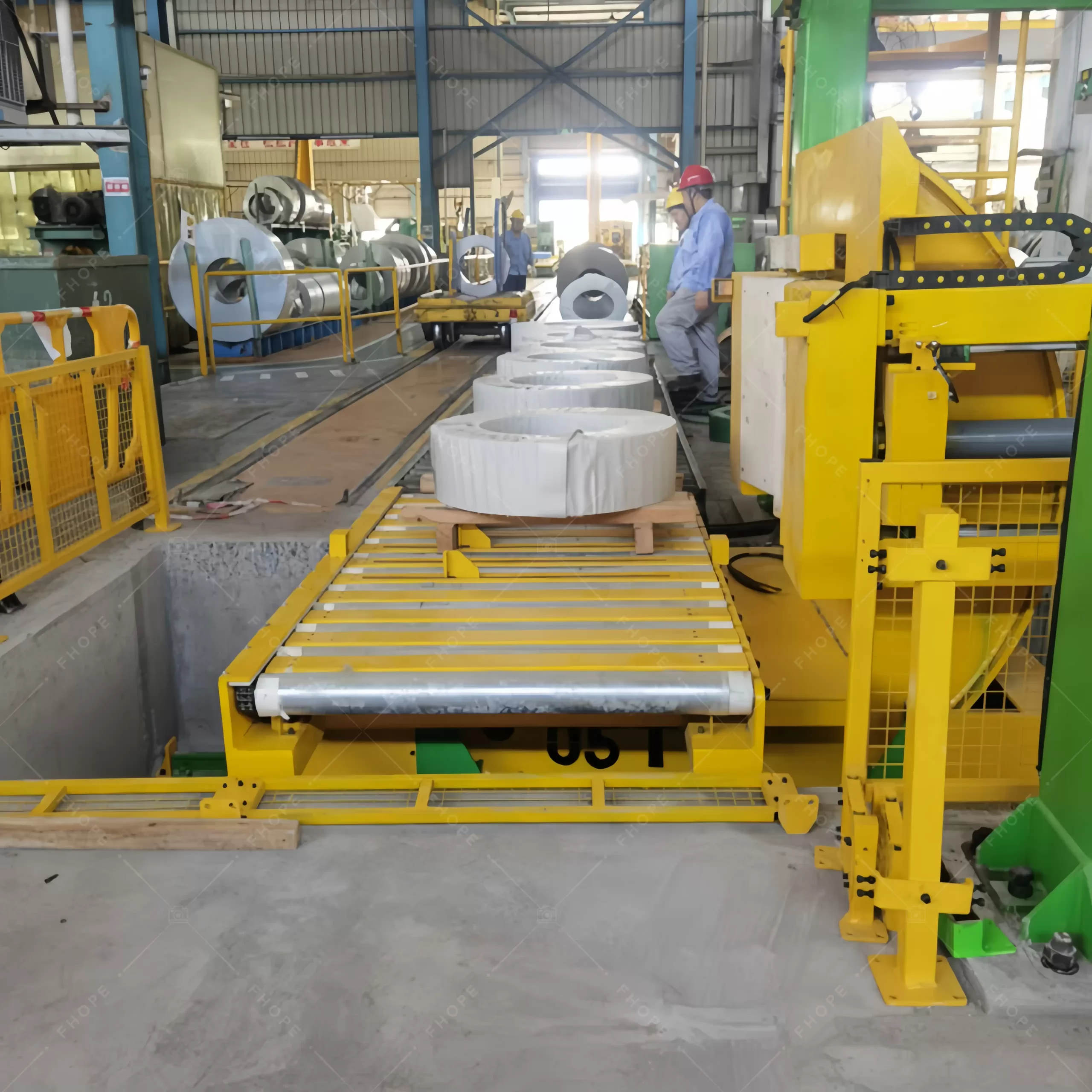
For many years, manual packing was the only way. I remember the long shifts and hard work required. But as production demands grew, I saw the limitations. Today, relying on manual methods means accepting problems that affect your whole business. Let’s look deeper at why.
-
Labor Dependency and Shortages Many steel mills, especially those in regions like Iran, face increasing challenges with labor. The work of packing heavy steel coils is physically demanding and often repetitive. This leads to high turnover rates among young workers who seek less strenuous jobs. Relying on human hands for strapping, wrapping, and handling means your output directly depends on available staff. This creates a bottleneck when you have labor shortages. It also pushes up operational costs due to wages, benefits, and injury compensation. I saw this problem clearly when I started my own factory. We had to find better ways to keep workers safe and production moving. Manual work also brings human error. A tired worker might not apply enough tension to a strap. This can compromise package integrity. Such errors are costly in the long run.
-
Inconsistent Quality and Defects One of the biggest issues with manual packing is the lack of consistency. When workers manually wrap a coil, the film tension can vary. Some parts might be too loose, others too tight. This leads to uneven coverage and poor protection against moisture or scratches. Similarly, manual strapping can be inconsistent. Straps might not be tight enough, or they might be placed incorrectly. During transport, loose packaging can cause coils to shift. This can lead to damage, rust, or even complete unraveling. For export customers, who often have very specific quality requirements, these inconsistencies are unacceptable. They can result in returned shipments and financial penalties. Our mission at FHOPEPACK is to make sure every package meets the highest standard, every time.
-
Slow Production and Bottlenecks High-output steel mills produce a wide range of products. This includes cold rolled coils, galvanized coils, and color-coated coils. Each type often requires different packaging methods. Manual processes make switching between these methods slow and complex. Workers must change tools, materials, and techniques for each product type. This takes time away from actual packing. It creates significant delays at the end of the production line. A bottleneck in packing means that the entire upstream process, including cold rolling and slitting, has to slow down or even stop. This reduces overall plant capacity and lowers your potential revenue. Efficient material flow is essential for profit.
-
Safety Concerns Handling heavy steel coils manually poses serious safety risks. Workers might need to manually lift, rotate, or position coils for packing. They also interact closely with moving machinery. This increases the risk of accidents, crush injuries, and repetitive strain injuries. These incidents are not just tragic for the workers involved. They also lead to costly medical expenses, lost workdays, and potential legal issues for the company. Creating a safer work environment is a moral and economic imperative. Automation helps reduce direct human interaction with heavy and hazardous equipment. This drastically lowers the chance of workplace accidents.
How Does a Fully Automated Coil Packing Line Boost Efficiency and Safety?
Is your steel production line bogged down by slow and unsafe manual packing? Are you looking for a way to ramp up output without compromising on worker safety or quality? When every minute counts, manual intervention becomes a costly bottleneck. This can lead to missed production targets and potential workplace injuries.
A fully automated coil packing line significantly boosts efficiency by streamlining operations, enabling continuous 24/7 production, and reducing cycle times. It enhances safety by minimizing direct human interaction with heavy machinery and eliminating hazardous manual tasks, creating a safer work environment for your staff.

From my experience, moving from manual to automated packing is not just an upgrade. It is a fundamental shift that transforms the entire operational landscape of a steel mill. I have seen clients achieve incredible results, increasing their output and ensuring their workers go home safe every day. It is about working smarter, not harder.
-
Seamless Integration and Throughput A fully automated coil packing line is designed to integrate smoothly with your existing production processes. This means it connects directly to your cold rolling, slitting, or annealing lines. The system takes coils as they come off the production line. It then carries them through various packing stages without human intervention. These stages typically include:
- Coil Conveying: Moving coils efficiently to the packing station.
- Coil Centering and Positioning: Ensuring each coil is perfectly aligned.
- Automated Flipping and Tilting: Reorienting coils for different packing needs.
- Automatic Strapping: Applying PET or steel straps precisely.
- Automatic Wrapping: Applying stretch or shrink film for protection.
- Automated Labeling: Printing and applying labels or barcodes.
- Stacking and Palletizing: Preparing coils for storage or shipment. This seamless flow eliminates transfer points where bottlenecks or damage often occur. It maintains a continuous, high-speed output. This directly translates to higher overall production for your mill.
-
Enhanced Safety Protocols Safety is paramount in any heavy industry. Automated coil packing lines drastically improve safety by removing workers from dangerous areas. Machines handle the heavy lifting, rotating, and precise positioning of coils. This reduces the risk of crush injuries, strains, and other accidents linked to manual handling of multi-ton steel coils. For example, automated coil handling systems move coils on robust conveyors. This eliminates the need for forklifts or overhead cranes in the immediate packing area. Workers supervise the process from a safe distance. They intervene only when necessary. This creates a much safer work environment, lowering accident rates and associated costs.
-
24/7 Reliability and Uptime High-output steel mills operate around the clock. Automated packing lines are built for continuous operation, often 24 hours a day, seven days a week. These systems use robust components and advanced control systems. This minimizes breakdowns and maximizes uptime. Unlike human workers, machines do not get tired, require breaks, or make errors due to fatigue. This consistent performance ensures that your packing capacity always matches your production capacity. It prevents any slowdowns that could affect your deadlines. Reduced downtime means more coils packed and shipped, directly contributing to your bottom line.
-
Adaptability to Product Variations Modern steel mills produce a diverse range of coils. These coils vary in diameter, width, and weight (from 1 to 3 tons). A well-designed automated packing line can adapt to these variations quickly and easily. Advanced sensors detect coil dimensions. The system then automatically adjusts its parameters for wrapping and strapping. This means your mill can handle different product types without manual reconfigurations. For example, it can switch from cold rolled coils to galvanized or color-coated coils seamlessly. This flexibility is crucial for meeting diverse customer demands. It allows for efficient production scheduling, regardless of the product mix.
What Advanced Packing Solutions Meet Export Demands and Reduce Costs?
Are your current packing methods falling short of international export standards? Do you struggle with high material costs or inconsistent packaging that leads to product damage? In today’s global market, securing export contracts means meeting stringent quality and packaging requirements. Failure to do so can result in costly rejections and damage your reputation.
Advanced packing solutions leverage robust materials and precise application technologies. These ensure superior protection against moisture, rust, and scratches. They meet strict export standards like CE/ISO. These solutions also reduce overall operational costs by minimizing material waste, cutting labor expenses, and preventing product damage during transit.

When I work with clients, especially those looking to expand into international markets, I always emphasize the importance of advanced packing. It is not just about putting a cover on a coil. It is about engineering a protective solution that ensures your product arrives in perfect condition. This directly impacts your brand and your ability to compete globally.
-
Superior Protection for Export Exporting steel coils requires packaging that can withstand long journeys and various environmental conditions. Advanced packing solutions offer multiple layers of protection:
- 💧 Moisture-Proofing: Using high-quality stretch film or shrink film creates a tight, water-resistant barrier around the coil. This prevents condensation and moisture ingress, which can lead to rust.
- 🛡️ Rust Prevention: In combination with VCI (Volatile Corrosion Inhibitor) paper or film, these solutions actively protect metal surfaces from corrosion, even in humid conditions.
- 🚫 Scratch and Dent Protection: The tight wrapping prevents surface abrasions during handling and transport. It adds a physical layer against impacts. This multi-faceted approach ensures that coils arrive at their destination in pristine condition. This meets the high expectations of international buyers. My team at FHOPEPACK designs these systems to protect your valuable products. We know that a damaged coil is a lost profit and a unhappy customer.
-
Precision Strapping for Security Strapping is critical for securing heavy steel coils. Automated systems apply straps with consistent, high tension. This is something difficult to achieve manually. We use both PET (Polyester) and steel strapping, depending on the coil weight and customer requirements.
- PET Strapping: Offers excellent strength, elasticity, and corrosion resistance. It is often preferred for lighter coils or when rust is a concern.
- Steel Strapping: Provides maximum strength for very heavy coils, ensuring they remain secure during rough handling and transit. Automated machines can apply multiple straps, both radially and axially, to distribute tension evenly. This prevents shifting and loosening, even under dynamic transport conditions. This precision strapping minimizes the risk of package failure, which can be very dangerous and costly.
-
Automatic Labeling and Traceability For export, precise labeling and traceability are not optional; they are mandatory. Many international customers require CE/ISO certified packaging and detailed barcode labels. Automated systems integrate high-speed label printers and applicators. These systems can:
- Print Variable Data: Include product type, weight, dimensions, production date, and customer order numbers.
- Apply Barcodes and QR Codes: Enable easy scanning for inventory management and tracking throughout the supply chain.
- Ensure Compliance: Meet specific regulatory requirements for different export markets. This automation reduces errors inherent in manual labeling. It also enhances logistics efficiency. It allows for quick identification and verification of each coil. This is crucial for seamless customs clearance and customer satisfaction.
-
Cost Reduction Through Efficiency While the initial investment in automation is significant, the long-term cost savings are substantial.
- 📉 Reduced Labor Costs: Fewer workers are needed for packing tasks, redirecting labor to other areas.
- ♻️ Minimized Material Waste: Precise machine application reduces overuse or incorrect use of strapping and film.
- 🛡️ Fewer Damaged Goods: Superior protection means fewer returns, claims, and write-offs due to transit damage.
- ⏱️ Increased Production Continuity: Eliminating packing bottlenecks ensures continuous operation of upstream processes. This maximizes overall plant output. These combined savings lead to a rapid return on investment. They improve your mill’s overall profitability. My goal at FHOPEPACK is always to help our clients achieve financial independence and growth through smart investments like these.
Why is Choosing the Right Automation Partner Essential for Long-Term Success in Iran?
Are you considering a major investment in an automated coil packing line for your steel mill in Iran? Do you worry about the complexities of installation, after-sales support, or ensuring your team can operate new advanced machinery? A significant investment like this needs more than just a machine supplier. It needs a true partner. Without solid support, even the best equipment can lead to frustration and lost productivity.
Choosing the right automation partner is essential for long-term success because they offer a complete solution. This includes expert consultation, seamless integration, comprehensive after-sales support, crucial training, and reliable spare parts. This partnership ensures sustained operation, minimizes downtime, and guarantees your investment continues to yield benefits for years to come.
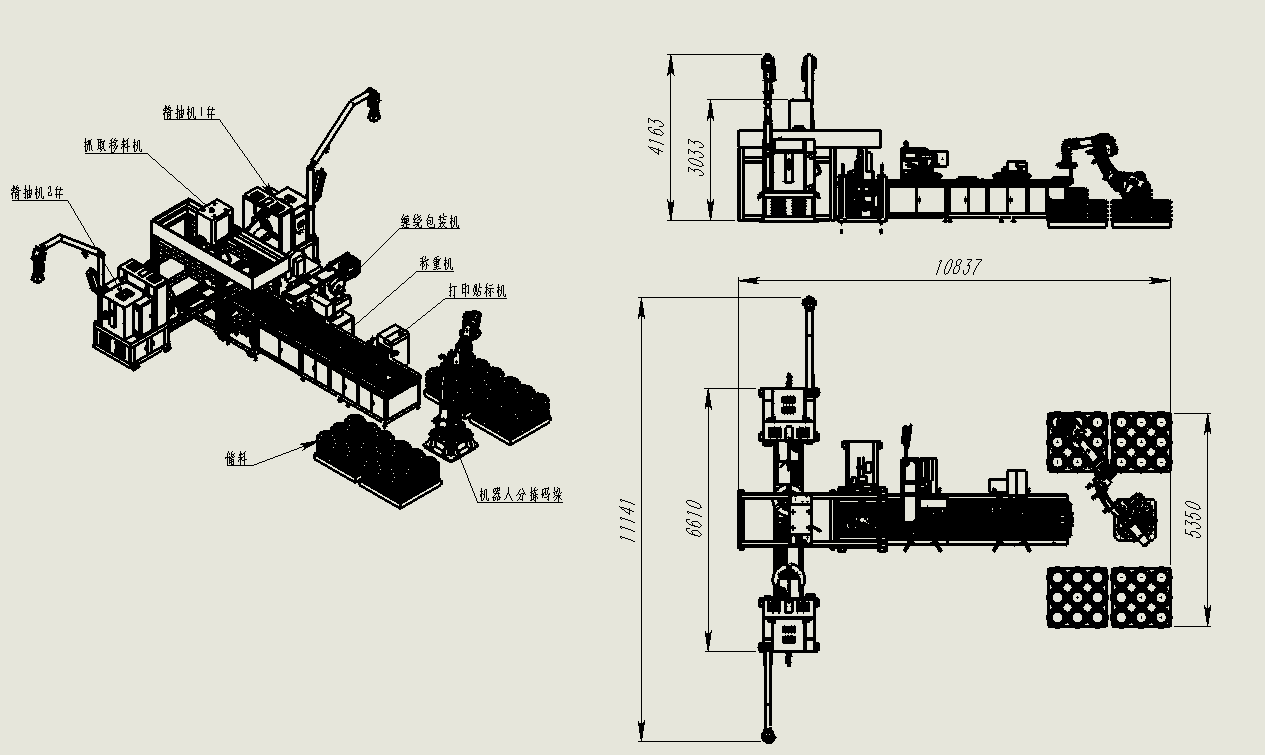
My journey in the packing machine industry taught me that building relationships is just as important as building machines. I have seen clients struggle when they choose a supplier who only sells equipment. True success comes from a partnership where expertise, support, and shared goals drive the project forward. This is especially true for complex installations in demanding environments like a steel mill in Iran.
-
Turnkey Project Management A reliable automation partner provides a complete “turnkey” solution. This means they handle every aspect of the project. This includes initial consultation, system design, manufacturing, installation, and commissioning. They understand the specific challenges of the steel industry. They know how to integrate new equipment into your existing facility. This comprehensive approach minimizes your risk and effort. It allows your team to focus on core operations. For example, when FHOPEPACK works with a client, we first analyze their current setup. We then propose a custom-tailored solution. We manage the entire process until the line is fully operational and producing.
-
Comprehensive After-Sales Support Even the most reliable machines need maintenance and occasional troubleshooting. A good partner offers robust after-sales support. This includes regular maintenance schedules, access to skilled technicians, and remote diagnostic capabilities. Imagine a critical component fails. Quick support means minimal downtime. This is vital for a 24/7 operation. A partner who can provide rapid assistance, whether on-site or remotely, ensures your production stays on track. I remember one client who faced a unique issue with their coil handling system. Our team worked around the clock, using remote diagnostics, to identify and solve the problem. This got them back online within hours, preventing a major production loss.
-
Training and Knowledge Transfer An automated line is only as good as the people who operate and maintain it. A responsible partner provides thorough training for your local team. This includes training on operation, basic troubleshooting, and preventive maintenance. Empowering your staff with this knowledge builds internal capability. It reduces reliance on external support for minor issues. This knowledge transfer ensures the long-term success and sustainability of your investment. It also boosts confidence among your employees who will be working with the new technology.
-
Spare Parts Availability and Logistics Access to spare parts is crucial for minimizing downtime. A dependable partner has a well-managed spare parts inventory. They also have efficient logistics to deliver parts quickly, even to remote locations. This is especially important for companies in regions like Iran, where importing specialized parts can sometimes be complex. Knowing that critical components are readily available prevents long, costly interruptions to your production. This ensures your automated line continues to run smoothly for its entire lifespan.
-
Customization and Adaptability Every steel mill has unique needs, plant layouts, and future growth plans. A strong partner offers customized solutions. They do not just sell off-the-shelf machines. They design systems that fit your specific requirements. They also consider future expansion or changes in product mix. This flexibility ensures your investment is future-proof. It allows your packing line to evolve with your business. This strategic partnership ensures that your investment not only meets today’s needs but also supports your growth for years to come.
Conclusion
Automation is no longer a luxury for high-output steel production in Iran; it is a necessity. Investing in a coil packing line dramatically improves efficiency, enhances safety, and ensures export-quality packaging. This approach reduces costs and positions your mill for long-term growth. Choose a partner who provides comprehensive solutions and unwavering support to unlock your full potential.








