
Coil Packing Line in Israel: How Can It Support Smarter Manufacturing?
For many years, I have seen steel factories struggle with their coil packing. They face problems like slow processes, inconsistent quality, and high labor costs. This is not just a small issue; these problems can slow down your entire production line. They can lead to late shipments and unhappy customers. My journey in the packing machine industry taught me that efficient packing is not just a nice-to-have; it is essential for success.
A modern coil packing line supports smarter manufacturing by automating complex tasks, ensuring consistent quality, improving workplace safety, and optimizing resource use. It integrates with existing production systems, turning raw coils into perfectly packaged products with minimal human intervention. Companies in regions like Israel are adopting these systems to stay competitive and meet high global standards.
This is not just about buying a machine. It is about investing in a solution that changes how your factory works. Let us explore how a smarter coil packing line can help your business grow and meet the demands of today’s market.
Is Your Coil Packing Line Smart Enough to Handle Product Diversity?
Many factories deal with a wide range of products. For example, you might produce cold rolled, galvanized, and color-coated coils. Each type needs different packing. Manually changing settings or using different machines for each product slows things down. This can cause errors and waste valuable time. Imagine the frustration when your team has to stop and reconfigure everything.
A smart coil packing line handles diverse products automatically by using programmable settings and advanced sensor technology. It can adjust packing parameters like tension, wrapping layers, and strapping patterns for each specific coil type. This reduces manual effort and increases processing speed for varying product specifications.
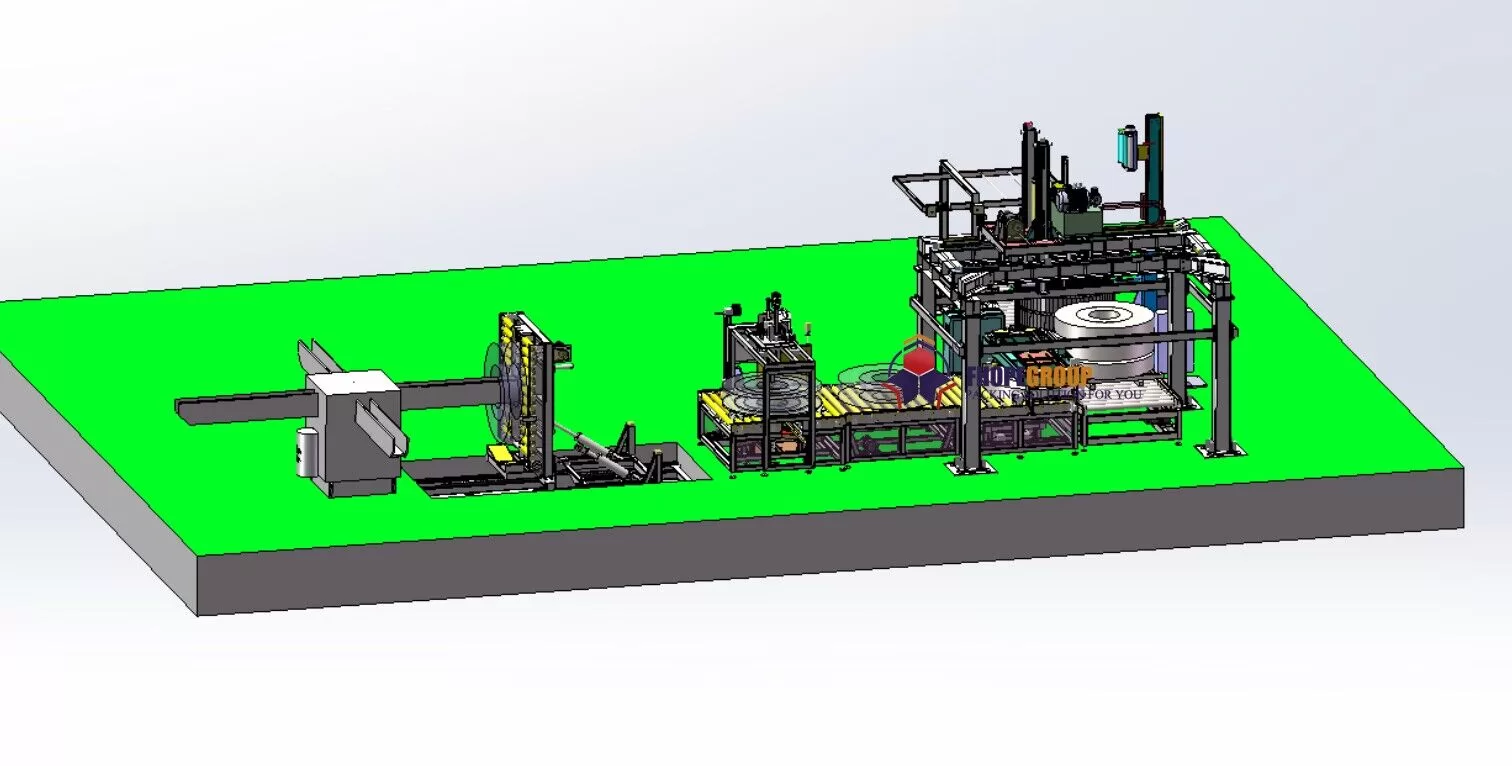
A smart packing line is designed for flexibility. It makes your operations much smoother.
- Automatic Product Recognition: Modern systems use sensors and scanners. These tools identify the coil type and size. The machine then loads the correct packing program. This means your line can switch from one product to another without anyone touching a button. For instance, if a cold rolled coil comes next, the machine knows to apply specific strapping and wrapping. If a galvanized coil follows, it adapts to a different moisture protection setup. This capability is key for factories in places like Israel that need to serve diverse markets. It lets them meet varied customer demands quickly.
- Programmable Packing Recipes: You can create specific packing “recipes” for each product. These recipes store details like film tension, number of wraps, strapping material (PET or steel), and label placement. When a new product comes, the operator simply selects its recipe. Or, even better, the system picks it automatically. This ensures every coil gets the exact right packaging. This level of precision is very important. It reduces waste and ensures product safety during transit. It also gives your customers the exact packaging they ask for.
- Seamless Integration with Production Systems: A truly smart packing line does not work alone. It connects with your factory’s main production system. This means it receives information about incoming coils directly. The packing line then prepares for the next coil. This integration avoids bottlenecks. It also improves overall factory efficiency. It helps your entire manufacturing process become smarter and more connected. This is a big step towards a fully automated factory. It helps you keep up with high output demands, like those in a two-shift, 24-hour operation.
How Does Automation in Coil Packing Boost Safety and Solve Labor Shortages?
Manual coil packing involves heavy lifting and repetitive tasks. Workers must often handle sharp edges and operate heavy machinery. This creates a high risk of injuries. Many factories also struggle to find young workers willing to do this physically demanding job. This leads to a shortage of skilled labor. This issue can delay shipments and increase operational costs.
Automation in coil packing significantly boosts safety by replacing dangerous manual tasks with mechanical systems. Machines handle heavy coils, reducing the risk of human injury from lifting or strapping. It also solves labor shortages by needing fewer workers for the packing process. This frees up staff for other, less strenuous jobs.

My experience has shown me that worker safety is not just a cost. It is a fundamental part of good business.
- Reducing Manual Handling and Repetitive Strain: Automated systems take over tasks like coil lifting, turning, wrapping, and strapping. Workers no longer need to manually position heavy coils or apply strapping by hand. This removes the risk of back injuries, cuts, and crush accidents. For example, a robotic arm can move a 3-ton coil with precision. A human cannot do this safely. This makes the workplace much safer for everyone. This is a huge benefit for any factory. It protects your most valuable asset: your people.
- Improving Ergonomics and Working Conditions: Automation creates a better work environment. It removes the need for workers to be in close contact with dangerous machinery. It also reduces exposure to noise and dust. This leads to less fatigue and a more comfortable workplace. When jobs are less physically demanding, it helps retain experienced workers. It also makes the factory more attractive to new talent. This can help address labor shortages in the long run.
- Enhancing Safety Features and Protocols: Modern packing lines come with advanced safety features. These include safety fences, light curtains, emergency stop buttons, and interlocks. These features prevent accidents by stopping the machine if a person gets too close. They follow international safety standards. For factories operating 24/7, these features are crucial. They ensure continuous, safe operation. This means fewer accidents and fewer delays. It helps the factory meet all safety regulations. It also reduces potential fines or legal issues.
Can a Smart Coil Packing Line Guarantee Consistent Export-Quality Packaging?
Inconsistent packaging quality is a major problem. Manual operations often lead to uneven film tension, loose strapping, or improper moisture protection. This can cause damage during shipping. Customers get upset, and you face returns or contract penalties. Export markets, especially, demand very high standards. They need CE/ISO certified packaging, barcodes, and strict anti-corrosion measures. Meeting these varied demands manually is nearly impossible.
A smart coil packing line guarantees consistent, export-quality packaging by precisely controlling every step of the process. It applies uniform tension, uses pre-set wrapping patterns, and integrates automatic labeling and moisture protection. This ensures every coil meets exact specifications, reducing damage and complying with international standards like CE/ISO.

From my experience, reliable packing is key to a good reputation and strong customer relationships.
- Precision Control for Wrapping and Strapping: Automated systems use servo motors and tension control mechanisms. These ensure that wrapping film or strapping is applied with exact, consistent tension. This prevents loose packaging or damage to the coil surface. It also ensures the packaging stays secure during transport. Whether it is PET strapping or steel banding, the machine applies it with the same force every time. This consistency is hard to achieve with human hands. It is vital for protecting high-value products like steel coils.
- Integrated Moisture and Corrosion Protection: For products like galvanized or cold rolled coils, protection against rust and moisture is essential. Smart packing lines can integrate VCI (Volatile Corrosion Inhibitor) film or stretch film with anti-corrosion properties. They also perform precise radial and orbital wrapping to create a sealed barrier. This protects the coil from environmental elements. This is especially important for goods shipped to humid climates or stored for long periods. It helps factories in regions like Israel meet strict international shipping rules.
- Automated Labeling and Certification: Export markets often require specific labels, barcodes, and certification marks. Automated systems can print and apply these directly to the packaged coil. They do this with high accuracy and speed. This eliminates human error in labeling. It also ensures all necessary information is present for customs and inventory tracking. The machine can also track and record packing data. This helps you maintain compliance with CE/ISO or other industry certifications. This level of detail makes your products ready for global distribution.
What Are the Real Cost Savings and Long-Term Benefits of a Modern Packing Line?
Many factory managers think a new packing line is a huge expense. They often focus only on the upfront cost. However, they might overlook the hidden costs of manual packing. These include high labor wages, material waste, rework due to poor quality, and penalties from customer complaints. These costs add up quickly. They can hurt your company’s profitability and competitive edge.
A modern packing line offers real cost savings by reducing labor expenses, minimizing material waste, and lowering rework rates. Its long-term benefits include increased production continuity, improved product reputation, and the ability to meet higher market demands. It is an investment that pays for itself through efficiency and quality improvements.

As the founder of FHOPEPACK, I have seen how factories transform when they adopt smarter solutions.
- Reduced Labor and Material Costs: Automation means fewer workers are needed for the packing process. This cuts down on direct labor costs. It also reduces material waste. Machines use the exact amount of film or strapping needed. They do not overwrap or make mistakes that lead to discarded materials. This is a direct saving on your operational budget. Over time, these savings become significant. They help improve your profit margins. This makes your factory more financially sound.
- Increased Production Continuity and Throughput: A reliable, automated packing line runs consistently. It does not get tired or make errors like human workers. This ensures a steady flow of packaged products. It matches the speed of your upstream production lines. This avoids bottlenecks. It also boosts your overall production capacity. For a factory running 24/7, this continuous operation is critical. It allows you to maximize output and meet tight deadlines.
- Long-Term Partnership and Support: When you invest in a sophisticated packing line, you need a partner who offers more than just a machine. You need a supplier who provides installation, training, and ongoing spare parts support. At FHOPEPACK, this is what we do. We aim to build long-term relationships. This ensures your investment continues to perform for years. This support protects your operations. It also gives you peace of mind. It makes sure you get the most value from your investment.
Conclusion
Embracing a modern coil packing line is a clear step towards smarter manufacturing. It solves critical challenges like product diversity, labor shortages, and inconsistent quality. This investment boosts safety, cuts costs, and ensures your products meet global standards. For factories aiming for efficiency and long-term success, a smart packing solution is not an option; it is a necessity.








