
Can a Coil Packing Line Improve Safety and Reduce Costs in Israel Plants?
Steel mills face intense pressure. In Israel, this means meeting global demands while keeping operations smooth. The challenge is often safety risks and high costs in packing. Many plant managers worry about their manual packing processes. They see rising labor costs, potential injuries, and inconsistent quality. This creates significant stress. The question is, can we do better?
Yes, a coil packing line can significantly improve safety and reduce costs in Israel plants. These automated systems remove workers from dangerous areas. They also cut down on labor needs and material waste. This leads to a safer workplace and lower overall operating expenses for steel coil production.
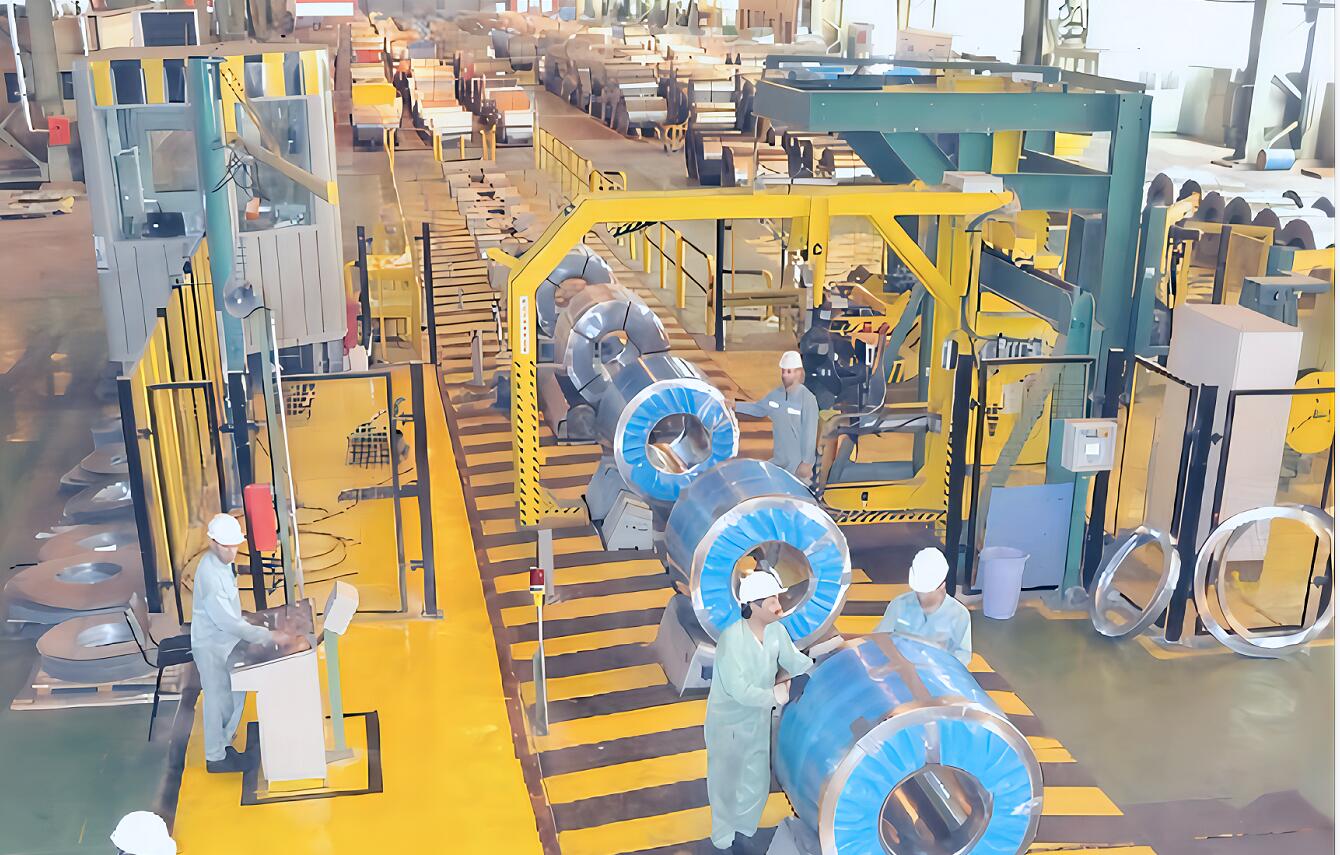
You might be thinking, “That sounds good, but how exactly does this work?” As someone who started on the factory floor and later built my own packing machine business, I understand these questions. Let us explore the real impact a modern coil packing line can have. We will look at how it solves common problems for plants in places like Israel.
Does a Coil Packing Line Really Boost Plant Safety in Israel?
Workplace safety is not just a rule. It is about protecting lives. In steel mills, moving and packing heavy coils by hand is risky. Accidents, even minor ones, can halt production and cause serious harm. This is a constant worry for production managers in Israel and worldwide. They need a safer way.
A coil packing line dramatically improves plant safety by removing human interaction from hazardous tasks. It automates coil handling, wrapping, and strapping. This means fewer workers are near heavy machinery and moving coils. It reduces the chance of injuries and makes the workplace much safer.
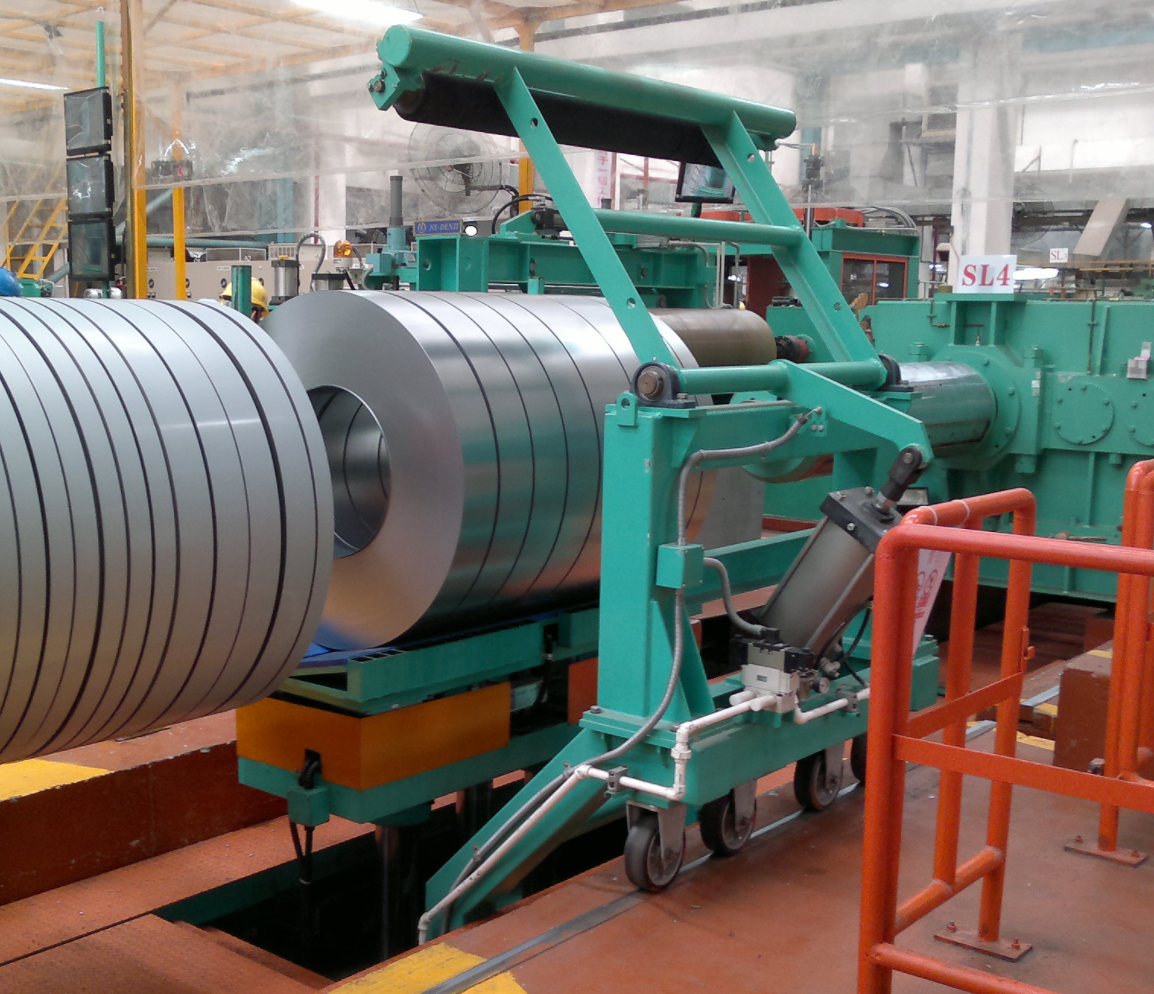
Coil packing lines are designed with safety as a core feature. They take away many of the dangers workers face every day. This is a major change for any steel plant, including those in Israel. I have seen how manual handling can lead to injuries, and it is a situation no one wants. Automated systems offer a solid solution.
-
Eliminating Manual Coil Handling: Workers no longer lift, turn, or position heavy steel coils by hand. This is a big deal. Coil packing lines use robust conveyor systems, specialized coil cars, and up-enders. These machines move coils safely and precisely. This removes the risk of back injuries, crush accidents, and strains that come with manual handling. In a busy Israeli plant, where coils can weigh up to 3 tons, this change is vital. It keeps the workforce healthier and reduces time lost due to injuries. Think about a worker trying to secure a strap on a moving coil; the danger is clear. Automation takes that risk away completely. It means fewer trips to the doctor and more time for skilled workers to do other important jobs in the plant. This shift improves the daily work experience for everyone.
-
Reducing Exposure to Pinch Points and Moving Parts: Manual packing often puts workers close to dangerous machine parts. These include strapping heads, wrapping arms, and coil transport mechanisms. A modern packing line uses advanced safety guards, interlocks, and light curtains. These features stop machines immediately if a person gets too close. They keep operators safe at all times. This design means a much safer work zone, even during 24/7 operations common in Israel’s steel industry. This focus on machine safety helps prevent severe accidents. It creates a more secure environment for everyone on the factory floor. The machines are built to isolate hazardous areas from human interaction, which is a fundamental principle of industrial safety design.
-
Consistent and Predictable Operations: Human error is a major cause of workplace accidents. Fatigue or distraction can lead to serious mistakes. An automated coil packing line performs tasks with high precision and consistency. Each movement is programmed. Each step is controlled. This predictability reduces unexpected events. It makes the entire packing process safer and more reliable. This is especially true when handling different coil sizes and weights, a challenge many plant managers face. A consistent process means fewer surprises and a lower risk of accidents. It builds confidence in the safety system. This reliability contributes to a calm and organized workflow, reducing the stress on workers and supervisors alike.
How Can Coil Packing Lines Lower Operating Costs for Israel Steel Mills?
Every steel mill aims for maximum output with minimum cost. In Israel, rising operational expenses and labor shortages are big concerns. Manual packing requires many workers. It often leads to wasted materials and slower production. These issues directly impact the bottom line. Managers are looking for ways to cut these costs without cutting quality.
Coil packing lines significantly lower operating costs for Israeli steel mills by reducing labor needs, optimizing material use, and boosting overall efficiency. They streamline the entire packing process. This means fewer workers are needed. They also ensure consistent material application. This cuts down on waste and speeds up production cycles.

Cost reduction is crucial for competitiveness. In my experience, manual packing might seem cheaper at first. But when you look at the full picture—labor, waste, and lost production time—the true cost is often much higher. Automated lines bring clear, measurable savings that help Israeli plants thrive.
-
Decreased Labor Requirements: Manual packing of steel coils is very labor-intensive. It needs multiple workers for strapping, wrapping, and labeling. With high turnover rates for physically demanding jobs, finding and keeping skilled labor is a challenge. Many production managers know this well. A coil packing line automates these tasks. It allows one or two operators to manage the entire process. This reduces the number of full-time employees needed for packing. The savings from wages, benefits, and training are substantial. This frees up the workforce for other critical tasks within the plant. It also addresses the issue of worker scarcity, a growing problem in many industrial sectors.
-
Optimized Packaging Material Consumption: Manual wrapping and strapping can be inconsistent. This often leads to using too much material or not enough. Too much material wastes money. Not enough material leads to poor packaging and potential damage during transport. Automated systems apply film, strap, or paper with precise tension and overlap. They use only the required amount. This minimizes waste and ensures optimal protection. For a plant shipping hundreds of tons daily, even small savings per coil add up quickly. This makes a big difference in the annual budget. It ensures high-quality packaging without excess costs, directly boosting profitability for Israeli steel producers.
-
Enhanced Production Throughput and Continuity: Manual packing is slow and prone to delays. Workers need breaks. They can get tired. Machines do not. A coil packing line operates continuously, often 24/7. It maintains a high and steady packing speed. This reduces bottlenecks in the production flow. It ensures that finished coils move quickly from the production line to storage or shipping. This improved throughput means more products can be processed and shipped each day. This directly translates into higher revenue potential and better utilization of other plant assets. It helps plants meet their daily shipment targets efficiently. This continuous operation capability is a major advantage over manual systems.
What About Quality? Can Automated Packing Meet Israel’s Export Standards?
Customers expect perfect quality. For steel coils, this means no rust, no scratches, and secure bundling. For Israeli plants exporting globally, meeting international standards like CE/ISO is a must. Manual packing often struggles with consistency. This can lead to rejections, complaints, and even fines. This puts pressure on a plant’s reputation and profits.
Yes, automated coil packing lines can consistently meet and exceed Israel’s export standards for packaging quality. They provide uniform tension, secure bundling, and excellent moisture protection. They also integrate features like automatic labeling and barcode application. This ensures compliance with strict international requirements and customer specifications.

Achieving consistent, high-quality packaging is a non-negotiable for exports. When I talk to plant managers, they often mention how customer demands are always rising. Automated systems are designed to deliver that consistent quality, every single time. This protects your product and your company’s image.
-
Consistent and Reliable Packaging Application: Manual application of film or straps varies from worker to worker. It changes with fatigue. Automated machines apply packaging materials with constant tension and uniform overlap. This creates a tight, secure, and aesthetically pleasing package every time. Whether it is PET strapping, steel banding, or stretch film, the application is perfect. This consistency is crucial for preventing damage during transport. It ensures that coils arrive at their destination in perfect condition. For diverse products like cold-rolled, galvanized, and pre-painted coils, automated systems handle each with specific, programmed care. This guarantees the right level of protection for every product type, meeting the varied needs of Israeli steel producers.
-
Enhanced Protection Against Environmental Factors: Steel coils need protection from moisture, dust, and corrosion. Especially for sea shipments from Israel to other parts of the world. Automated wrapping machines create a tight, multi-layered barrier. This seal protects against the elements effectively. Options like VCI film or paper can be integrated into the process for extra rust prevention. This superior protection ensures that the valuable steel remains in pristine condition during long journeys. It significantly reduces the risk of quality claims from customers. This level of protective wrapping is difficult to achieve consistently with manual methods, making automation key for reliable export quality.
-
Integration of Advanced Features for Compliance: Modern export standards often require more than just wrapping. They need specific labels, barcodes, and sometimes certified packing processes. Coil packing lines can include automatic labeling systems. These print and apply precise labels with all necessary information. They can also integrate with plant-wide ERP systems for data tracking. This ensures full traceability and compliance with CE, ISO, and other relevant certifications. For a plant needing to meet diverse customer requirements, this capability is invaluable. It provides a professional, compliant, and ready-to-ship product every time, strengthening Israel’s position in global markets.
Is Automating Your Packing Line a Smart Long-Term Investment for Israeli Producers?
Investing in new machinery is a big decision. Plant managers in Israel need to see a clear return on investment. They need to know the equipment will last. They also need reliable support. The thought of a major upgrade can be daunting, but the long-term benefits are key.
Yes, automating a packing line is a smart long-term investment for Israeli producers, offering significant returns through improved efficiency, lower operational costs, and enhanced market reputation. It provides a scalable solution for future growth. It also attracts and retains skilled labor. This makes it a strategic asset for sustained success.
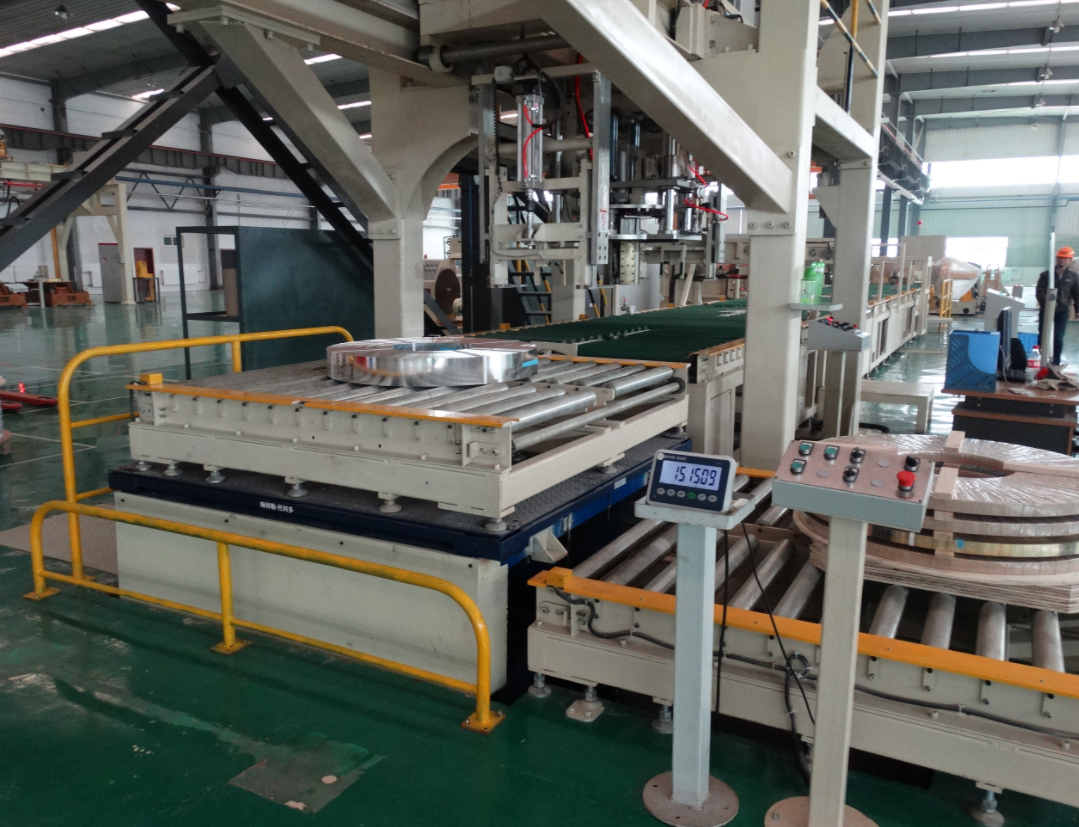
From my perspective, an automated packing line is more than just a machine. It is a commitment to the future of your business. It is about building a foundation that supports growth, innovation, and long-term stability. This kind of investment pays dividends far beyond the initial cost.
-
Future-Proofing Production and Scalability: The steel market is always changing. Customer demands grow. Product ranges expand. An automated coil packing line is designed for flexibility. It handles different coil sizes, weights, and packaging requirements with minimal adjustments. This means a plant can adapt to new market trends without a complete overhaul. It ensures the packing line remains efficient as business grows. This long-term adaptability is vital for any Israeli manufacturer looking to stay competitive. It makes sure the investment serves the company for many years. It is an asset that evolves with your business, not one that becomes obsolete quickly.
-
Attracting and Retaining Skilled Workforce: The physically demanding nature of manual packing leads to high employee turnover. This is a common issue for industries like steel. Young workers often prefer jobs with less strenuous physical labor. By automating the packing line, plants create a modern, safer work environment. This appeals to a new generation of technical staff. Workers can focus on supervising machines and problem-solving, not heavy lifting. This shift makes the workplace more attractive. It helps retain valuable employees. It builds a more stable and skilled team for the future. It transforms a tough job into one that requires more technical skill and less physical strain, which is appealing to a modern workforce.
-
Strategic Partnership for Continuous Support and Innovation: A coil packing line is a significant investment. You need a partner, not just a supplier. A good partner offers full turnkey solutions, from design to installation. They provide comprehensive training and ongoing after-sales support. This includes spare parts and technical help. As Randal, I know how important this is. This kind of partnership ensures the line runs smoothly for its entire lifespan. It also allows for future upgrades and innovations. This reduces risks and maximizes the long-term value of the investment for an Israeli producer. It is about building a relationship that supports consistent, high-quality production and fosters mutual growth.
My Insights
From my own journey, starting as an engineer in a packing machine factory and then building FHOPEPACK, I have seen it all. I understand the daily challenges plant managers face. The struggles of balancing safety, cost, and quality are real. I recall one time early in my career, seeing workers struggle with heavy coils. The risk was clear. It made me realize that what steel mills truly need is not just a machine. They need a complete solution. This solution must enhance safety, cut costs, and ensure consistent quality. That is why FHOPEPACK focuses on delivering integrated, reliable systems. We aim to help businesses like yours not just survive, but truly thrive. My goal is to share this knowledge. I want to help others achieve the same success I found in this industry. It is about giving back.
Conclusion
A coil packing line offers clear benefits for Israel’s steel plants. It boosts safety by reducing manual risks. It lowers costs through less labor and optimized materials. It ensures top-tier packaging quality. This meets strict export demands. Investing in an coil packing line is a strategic move. It helps plants stay competitive and secure long-term success. It is a step towards a safer, more efficient future.








