
Choosing a Reliable Coil Packing Line Supplier for the Brazilian Market: What You Need to Know?
Have you ever felt stuck, watching your production line slow down at the very end, just because of your packing process? Many factory managers I talk to feel this way. They see their teams struggling with heavy materials, worried about accidents, and losing money on damaged products. This kind of bottleneck does not just stop production. It costs you a lot in terms of safety risks, wasted time, and unhappy customers. It can make you doubt if your business can truly grow.
Finding a good coil packing line supplier is about more than just buying a machine. It is about solving these big problems, making your factory safer, and boosting your profits. The right supplier understands your daily struggles and offers real solutions that last. They help you turn those bottlenecks into smooth, efficient operations. This is crucial for any factory aiming for growth and stability.
I have been in your shoes. I started on the factory floor, then built my own successful packing machine company. I have seen firsthand how much a good packing solution can change a business. It changed mine, and it has changed many of my clients’ businesses too. So, if you are looking to make a smart investment for your factory, especially in a dynamic market like Brazil, keep reading. We will explore how to pick a partner who truly understands your needs and helps you win.
Are Your Current Coil Packing Methods Costing You More Than You Think?
Do you ever calculate the real cost of your current coil and wire packing process? Many factory managers are surprised when they look closely at the numbers. Manual packing might seem cheap at first glance. However, it often hides big expenses like slow production, wasted products, and high labor costs. This can quietly eat away at your profits, making it harder to meet delivery deadlines and keep customers happy.
Your current packing methods could be much more expensive than you realize. They can slow down your entire production, damage your products, and tie up a lot of your team’s time. This means you lose money daily. Moving to automated solutions can fix these issues, making your operations faster, safer, and more cost-effective.

Let’s dive deeper into how manual packing processes create hidden costs and efficiency problems. When I was starting my career, I saw many factories, even my own, struggle with this. We relied on people to move heavy coils and wire. This process was very slow. It meant our finished products piled up, waiting to be packed. This bottleneck stopped our whole factory from working at full speed. Think about it this way: if your packing team can only handle 10 coils per hour, but your production line makes 20 coils, you have a serious problem. Half of your production is just waiting. This is lost money every hour.
Another big issue is product damage. When workers manually handle heavy steel coils or wire, it is easy for the edges to get bent or scratched. This damage leads to customer complaints. It means you might have to give discounts or even replace products. Replacing a damaged coil is very expensive. You lose the cost of materials, the time spent making it, and the shipping costs. It also hurts your reputation. Over time, these small damages add up to significant losses.
Here is how manual processes often lead to higher costs:
| Cost Factor | Manual Packing | Automated Packing | Impact |
|---|---|---|---|
| Labor Cost | High, requires many workers | Lower, requires fewer workers | Direct savings on salaries and benefits |
| Efficiency | Slow, causes bottlenecks | Fast, smooths production flow | Increases overall factory output and revenue |
| Product Damage | Frequent, due to human error and heavy lifting | Minimal, consistent handling | Reduces material waste and customer complaints |
| Safety Risks | High, risk of injuries | Low, machines handle heavy loads | Reduces insurance costs and improves worker well-being |
| Space Utilization | Often requires more space for staging | Compact, integrated systems | Optimizes factory layout for better flow |
| Consistency | Varies, depends on worker skill | High, uniform quality | Ensures professional packaging and brand image |
I remember one client who was manually packing large steel coils. Their packing area was always a mess. Coils were stacked everywhere, waiting for someone to wrap them. They had a team of six people just for packing. They often worked overtime to keep up. When they switched to an automated coil packing line, they only needed two people to oversee the machine. Their packing speed tripled. The number of damaged coils dropped to almost zero. The initial investment in the machine paid for itself much faster than they expected, simply from the savings on labor and product loss. This showed me again that thinking long-term about equipment is always better than sticking to old, slow ways.
How Can You Make Your Factory a Safer Place for Your Workers?
Are you constantly worried about worker safety in your factory, especially when handling heavy materials? Many factory managers face this daily stress. Manual handling of heavy coils or flipping large trays creates high risks of injury. These accidents not only hurt your employees but also cost your business a lot of money in insurance, medical bills, and lost work time. It can even lead to high employee turnover because people do not want to work in dangerous conditions.
Making your factory safer is not just a moral duty; it is also a smart business decision. High injury rates lead to higher insurance premiums, more downtime, and difficulty keeping skilled workers. By reducing the need for manual heavy lifting, you protect your team and improve your bottom line.

Let me tell you, worker safety was always a top concern when I managed my own factory. I saw firsthand how quickly an accident could happen when workers manually handled heavy coils or tried to flip large pallets. One wrong move, and someone could get seriously hurt. This led to a lot of stress for me and my team. We wanted our workers to go home safe every day. Beyond the human cost, the financial impact was huge. Worker injuries meant higher insurance costs. We also faced costs for medical treatment and temporary workers. Plus, losing an experienced employee, even for a short time, slowed down our entire operation.
Automated packing and handling equipment fundamentally changes this. Machines are designed to lift, move, and wrap heavy items safely and repeatedly. They remove the human element from the most dangerous parts of the job. For example, a coil packaging machine can automatically load a heavy coil, wrap it securely, and then discharge it to a conveyor. No person needs to strain their back, get their fingers pinched, or risk being hit by a swinging coil.
Consider these common safety risks in a manual packing environment:
- Musculoskeletal Injuries: These are often from lifting, bending, and twisting with heavy loads. Back pain, shoulder injuries, and sprains are very common.
- Crush Injuries: Workers can get crushed between heavy coils or against equipment during movement.
- Slips, Trips, and Falls: Uneven floors, spills, or obstacles in a busy manual packing area increase this risk.
- Repetitive Strain Injuries: Constant wrapping or tying by hand can cause issues like carpal tunnel syndrome.
When I started my factory, I made safety a priority. We invested in equipment that reduced manual handling as much as possible. This was not just about compliance. It was about creating a workplace where people felt valued and safe. Our workers were happier. Our insurance costs went down. We also had much lower employee turnover. This showed me that safety and efficiency go hand in hand. A safer factory is often a more productive factory. Implementing solutions that minimize direct human interaction with heavy or moving parts is perhaps the most important step a factory manager can take to protect their team.
Is Investing in Automation Truly the Key to Boosting Your Factory’s Profitability?
Are you wondering if investing in expensive automation for your packing line is truly worth it? It is a big question for any factory manager. On one hand, you see the potential for faster work and fewer errors. On the other hand, the upfront cost can seem daunting. Many managers hesitate, fearing they might not see a clear return on their investment (ROI).
Yes, investing in automation is a powerful way to boost your factory’s profitability. It cuts down on labor costs, reduces product damage, and speeds up your entire production process. When done right, the initial cost of automation is quickly recovered through significant long-term savings and increased output.
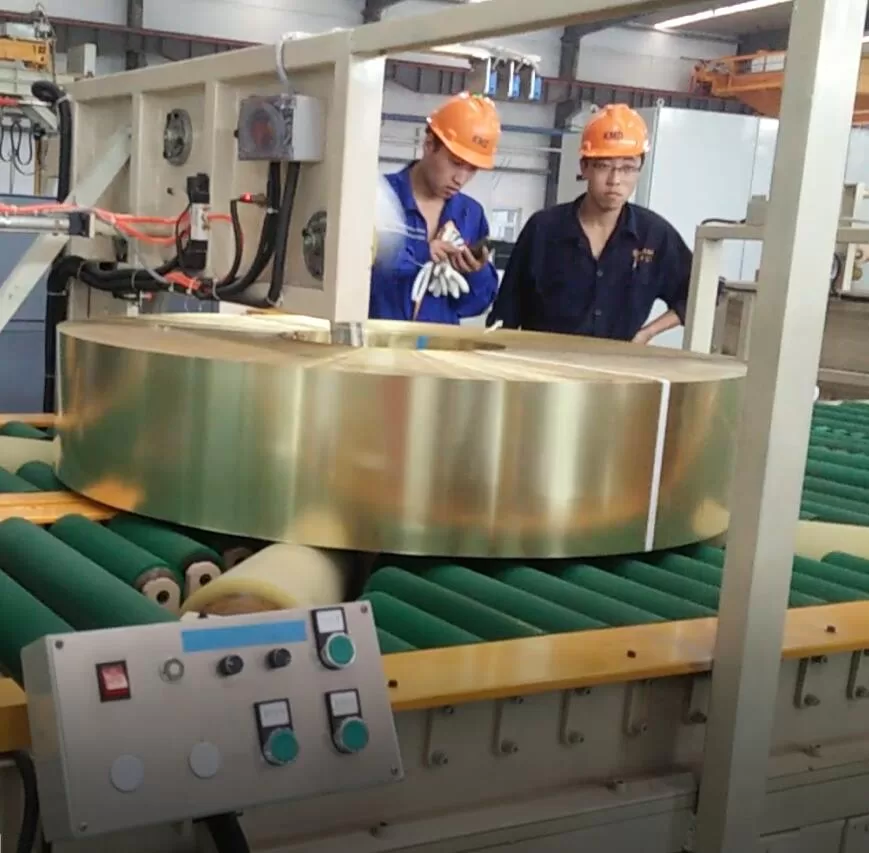
From my experience establishing and running a packing machine factory, I have seen many companies transform their financial outlook through automation. It is not just about fancy machines; it is about smart business. When you look at the total cost of ownership, manual packing often ends up being more expensive in the long run. Let me break down how automation directly improves profitability.
First, labor cost reduction is huge. A single automated coil packing machine can do the work of several people. While you still need operators, the overall number of staff dedicated to packing significantly drops. This means lower monthly salaries, fewer benefits to pay, and less management overhead. Over years, these savings add up to a very large sum. This frees up your human resources to focus on more complex, value-adding tasks that machines cannot do.
Second, reduced product damage directly impacts your bottom line. I mentioned this earlier, but it is worth stressing again. Every damaged product is a direct loss. Automated systems handle coils and wire with consistent precision. They use gentle but firm movements. This vastly reduces the chance of scratches, dents, or deformations. Fewer damaged products mean fewer reworks, fewer customer complaints, and more products sold at full price. This directly boosts your profit margins.
Third, increased efficiency and output means more revenue. Automation allows for continuous operation at high speeds. This eliminates the bottlenecks that manual packing creates. Your production line can run faster, producing more finished goods in the same amount of time. More output often means more sales. If you can deliver products faster, you can take on more orders. This directly translates to higher revenue for your factory.
Here is a simplified look at the ROI elements:
| Factor | Manual Packing Impact | Automated Packing Impact | ROI Benefit |
|---|---|---|---|
| Labor Costs | High fixed and variable costs | Significant reduction in manual labor costs | Direct annual savings, faster payback |
| Product Loss | 2-5% or more of product value | Near zero, minimal waste | Increased revenue from undamaged goods |
| Throughput/Speed | Slow, inconsistent, limits production | High, consistent, boosts production | More units produced and sold, increased market share |
| Safety Incidents | High, leading to insurance and medical costs | Low, reduces associated expenses | Lower operating costs, improved worker morale |
| Quality Consistency | Variable, human error | High, uniform packaging | Better brand reputation, fewer returns, satisfied clients |
I have seen clients achieve payback periods for their automated packing lines in as little as 12-24 months. This depends on their specific production volume and labor costs. After that, every year, the savings directly contribute to profit. It is a clear calculation. By carefully analyzing your current costs and projected savings, you will see that automation is not an expense. It is a strategic investment that pays dividends for years to come. This kind of investment helped me achieve financial independence, and I believe it can help any factory grow its business significantly.
Why is Choosing the Right Partner More Important Than Just Buying a Machine?
Have you ever bought a piece of equipment only to find that the supplier disappears once the sale is made? Many factory managers have felt that frustration. They end up with a machine but no real support, no expert advice, and no understanding of their ongoing challenges. This kind of experience makes anyone cautious about new partnerships. You need more than just a seller; you need a true collaborator.
Choosing the right partner is vital because a packing machine is a long-term investment. You need a supplier who understands your industry, offers reliable support, and is genuinely invested in your success. This relationship goes far beyond the initial purchase, ensuring your equipment performs well for years and truly solves your specific operational challenges.
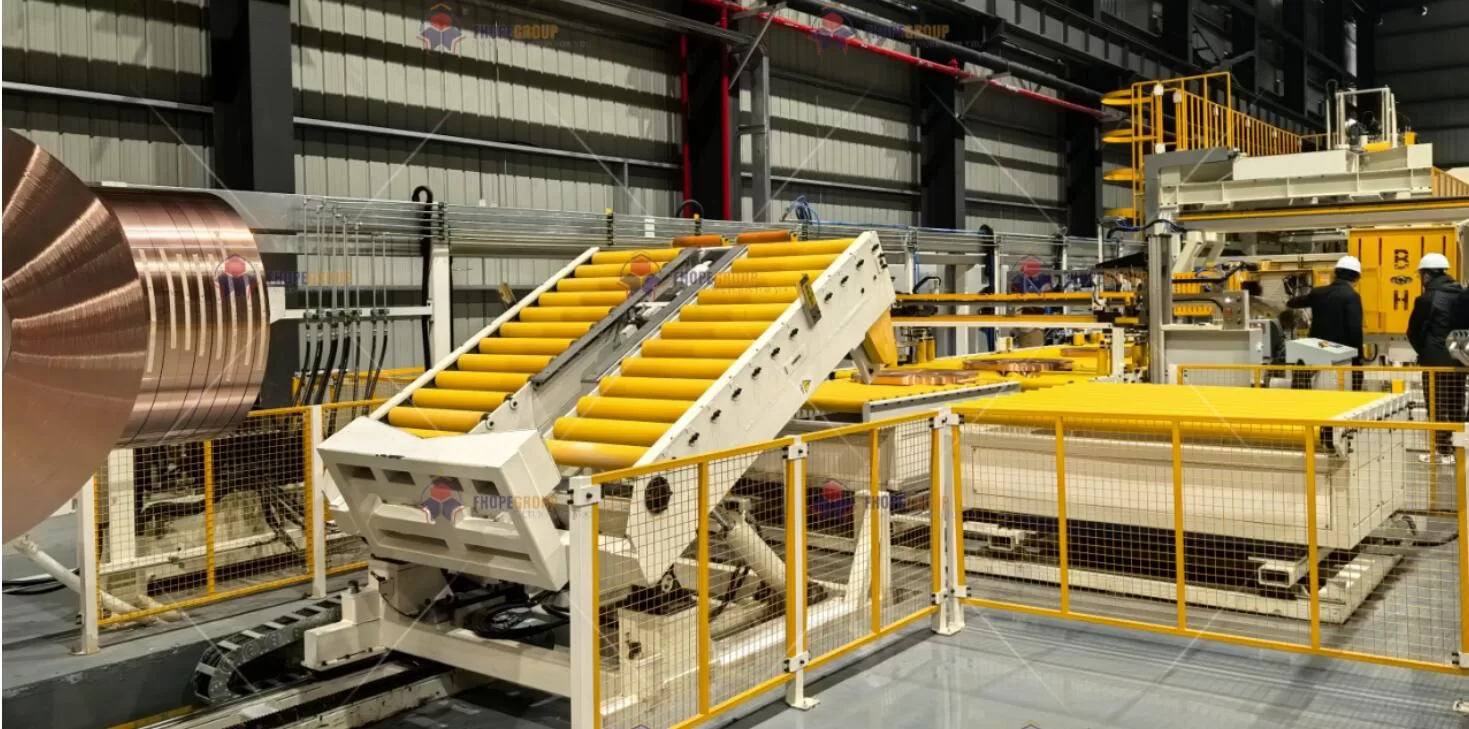
This point is very close to my heart. Throughout my journey, from working in a packing machine factory to founding FHOPEPACK, I have learned that the relationship with a supplier is everything. I have seen the damage caused by “sales-only” companies. They focus on selling you a machine and then they are gone. When something goes wrong, or when you need advice, they are nowhere to be found. This leaves you alone with a complex piece of equipment, potentially causing huge headaches and downtime for your factory.
Michael Chen, a factory manager I know from Mexico, once told me about his bad experiences. He bought equipment from suppliers who promised a lot but delivered little after-sales service. When his machines broke down, getting spare parts or technical help was a nightmare. This caused long production stoppages and a lot of stress for him. He realized he needed a supplier who truly understood his operation, not just one who could ship a box.
A true partner does more than just sell you a machine. They act as an extension of your team. They understand your specific production bottlenecks, your safety concerns, and your efficiency goals. They should be able to offer professional insights and reliable solutions that fit your unique factory environment. Here are key aspects of what makes a good partner:
- Deep Industry Knowledge: They know about coil packing, steel wire packing, and the challenges of heavy manufacturing. They have seen problems like yours before and know how to fix them.
- Problem-Solving Approach: They do not just offer standard products. They listen to your issues and propose tailored solutions that will actually improve your operation.
- Reliable After-Sales Support: This includes spare parts availability, quick technical assistance, and maintenance services. This is critical for minimizing downtime.
- Long-Term Vision: A good partner wants to build a lasting relationship. They care about your success years down the line, not just the current sale.
- Proven Track Record: Look for a supplier with a history of successful installations and happy clients. Ask for references.
- Transparent Communication: They are honest about what their machines can do, the timeline, and any potential challenges.
When I started FHOPEPACK, my mission was to give back to the industry that gave me so much. This meant creating a platform that shares knowledge and builds real partnerships. We do not just sell machines. We help clients grow their businesses by offering expertise gained from decades in the packing industry. This approach means understanding your specific needs, like Michael’s need for durability in a harsh factory environment, or his focus on reducing manual handling risks. It is about guiding you through the investment, ensuring it truly solves your problems and drives your business forward. A solid partnership is the foundation for lasting success and peace of mind.
Conclusion
Choosing the right coil packing solution is a strategic move for your factory’s future. It improves safety, boosts efficiency, and significantly increases profitability. Partnering with a knowledgeable supplier like FHOPEPACK ensures your investment truly delivers lasting value.








