
Can Real-Time Data Integration with Your MES Boost American Slit Coil Packing Line Efficiency?
Picture this: Your factory floor hums with activity. Production lines run fast. But then, it hits. A bottleneck. It is usually at the very end of your process. This is the packing line. Your skilled workers wrestle with heavy steel coils or wire. They move them by hand. This is slow. It takes too much time. It puts your people at risk. You see products get scratched. This problem is not just annoying. It costs you money. It hurts your profits. Are you feeling this pressure right now?
Yes, real-time data integration with your Manufacturing Execution System (MES) can greatly boost the efficiency of your American slit coil packing line. It does this by giving you instant insights. It helps you see bottlenecks. It points out where safety risks are. It shows you where product damage happens. This data helps you make smart decisions quickly. It allows you to automate. This moves your factory from manual work to a smart, efficient operation.
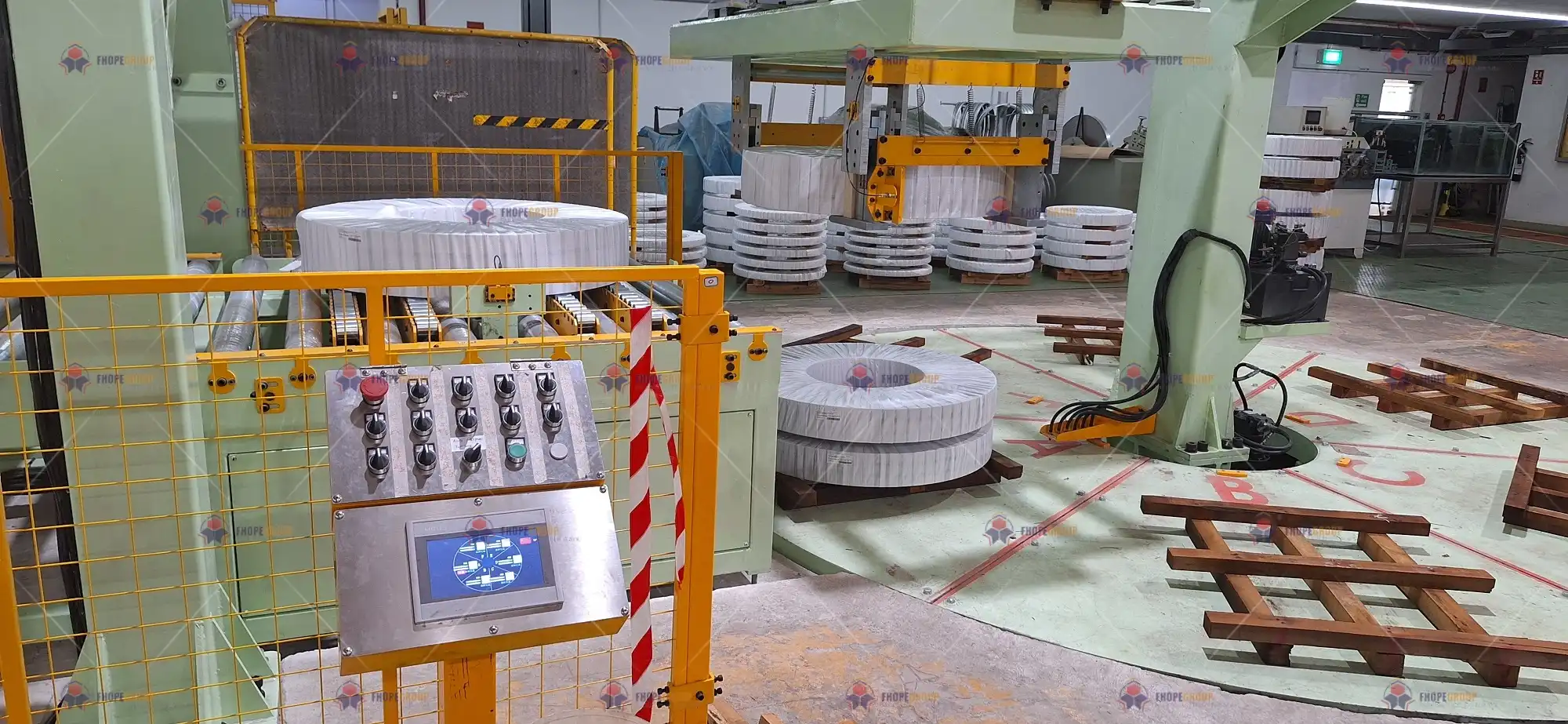
I have spent many years in this industry. I know these problems well. I started as a packing machine engineer. I built my own factory. I saw how businesses grew when they used the right machines. I helped them. Now, I want to share what I know. We will look at how modern technology, like MES data, can change your packing line. We will see how it helps you save money. It makes your factory safer. It boosts your output. Let us dive deeper into this important topic.
Does Real-Time MES Data Pinpoint and Resolve Efficiency Bottlenecks in Slit Coil Packing?
Do you feel stuck? Your production is fast. But your packing line slows everything down. Your team works hard. Yet, moving heavy coils by hand takes too long. It is like trying to push a car uphill. This bottleneck affects your whole factory. It makes your deliveries late. It increases your costs. Is this holding your business back?
Yes, real-time MES data can clearly show you where your packing line bottlenecks are. It collects information from every part of your process. It shows you actual cycle times. It tracks machine uptime. It records operator actions. This data helps you see exactly why things are slow. Once you know the problem, you can fix it. You can automate the slow parts. This makes your whole line much faster. It improves how quickly you get products out.
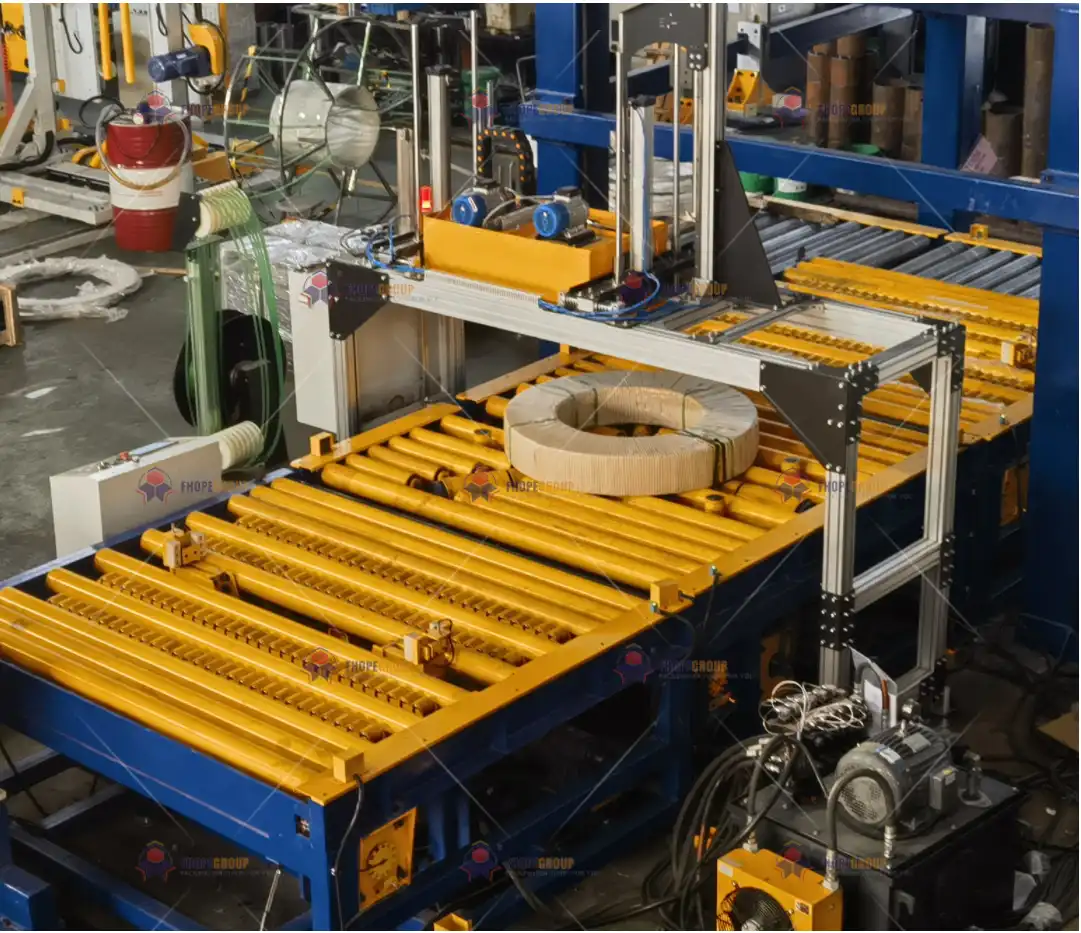
Understanding Bottlenecks Through Data
When I was running my packing machine factory, I saw bottlenecks all the time. They are tricky. They move around. One day it is the wrapping. The next day it is the loading. Without good data, you just guess. You try to fix things based on what you see. But this is not always right. An MES changes this. It collects data from every sensor. It records every action. This gives you a clear picture. You can see patterns. For example, the MES might show that your coil flipping process takes 30% longer than it should. It might show that your stretch wrapping machine is idle 20% of the time. This is because coils are not arriving fast enough. This kind of detail is powerful.
| Data Point Collected by MES | What it Tells You About Bottlenecks | How it Helps Solve Them |
|---|---|---|
| Cycle Time per Coil | How long each packing step takes. Identifies slow stages. | Shows where to add automation or optimize. |
| Machine Uptime/Downtime | When machines are running or stopped. Reveals equipment issues. | Helps schedule maintenance or upgrade specific machines. |
| Operator Efficiency | How long manual tasks take. Highlights areas for training or automation. | Guides decisions on robotic arms or automatic handling. |
| Material Flow Rate | Speed of materials entering/leaving packing area. Shows supply chain issues. | Helps synchronize upstream production with packing. |
| Production Volume | How many coils are packed per hour/shift. Overall output measure. | Benchmarks performance and shows impact of changes. |
Imagine you have a coil packing line. Your MES shows that coils often wait for manual strapping. This is a bottleneck. The data proves it. So, you can invest in an automatic strapping machine. This machine adds straps very fast. The MES then tracks the new cycle time. You see an immediate improvement. Or maybe the data shows product damage happens mostly when coils are moved from one station to another. This means your current transfer system is not good enough. You can then look for an automated transfer cart. It handles coils gently. The MES helps you decide where to put your money. It makes sure your investments solve real problems. My experience taught me that data removes guesswork. It makes your efficiency gains real and measurable. You can see the numbers. They do not lie. This is how you really master your packing line.
Can Integrated Data Systems Dramatically Enhance Safety and Reduce Product Damage on Your Packing Line?
Do you worry about your workers every day? They lift heavy coils. They move huge bundles of wire. This is dangerous work. Accidents happen. Workers get hurt. This raises your insurance costs. It also makes good people leave. At the same time, your products get damaged. Scratches on steel coils. Bent wire ends. This leads to angry customers. It costs you money. Are you tired of these problems?
Yes, integrated data systems can greatly improve safety and reduce product damage on your packing line. These systems help you automate dangerous tasks. They track where damage occurs. They record near misses. This data helps you identify high-risk areas. It lets you replace manual labor with machines. This protects your workers. It keeps your products safe. It builds trust with your customers.
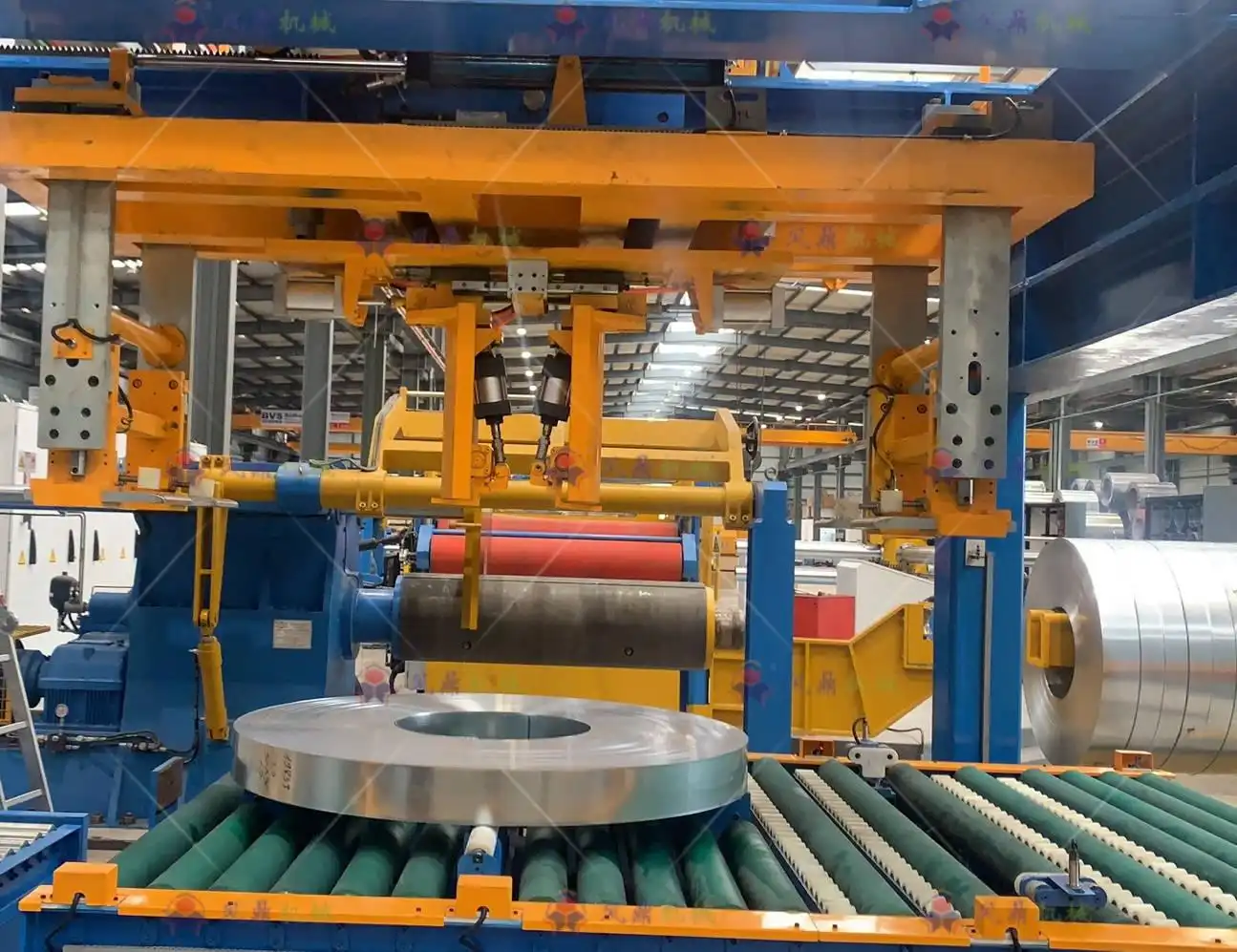
Protecting Your Team and Your Product with Smart Solutions
I have seen too many accidents in factories. Heavy materials are no joke. A coil of steel can weigh tons. Moving it by hand is a huge risk. When I built FHOPEPACK, worker safety was a top priority. It is not just about rules. It is about smart design and smart machines. Data systems make this possible. They show you exactly which manual steps are the most dangerous. For example, an MES might show that most worker injuries happen when coils are manually flipped onto pallets. Or when operators try to manually apply tension to straps. This data tells you where to put your automation. You can then look for an automatic coil upender. Or an automatic strapping head. These machines do the heavy, dangerous work. Your workers can then do safer, smarter tasks.
| Safety/Damage Challenge | How Data Systems Help Pinpoint | Automated Solution Supported by Data |
|---|---|---|
| Manual Heavy Lifting | MES shows instances of manual handling of heavy items. | Robotic palletizers, automatic coil loading/unloading. |
| Product Scratches/Dents | Quality control data linked to packing process steps. | Conveyor systems with gentle handling, automated wrapping. |
| Repetitive Strain Injuries | Data on manual operations, worker reports. | Automatic strapping, labeling, coil handling. |
| Forklift Accidents | Traffic flow data, collision sensors (if integrated). | Automated Guided Vehicles (AGVs) or fixed conveyor paths. |
| Inconsistent Packing Quality | Sensor data on wrap tension, strap placement, package integrity. | Fully automated wrapping machines with programmed settings. |
Think about product damage. An MES can track data from vision systems or quality control points. It can tell you if damage to coil edges occurs mostly during internal transfer. Or during the wrapping process. Maybe the data shows that 5% of your steel coils get slight dents when they leave the final packing station. This tells you your exit conveyor needs a softer surface. Or you need a new type of automatic protective wrapping. By getting these insights from data, you can choose the right automated packing equipment. This equipment is designed to handle products gently. It applies consistent tension. It prevents rubbing and scratching. This not only saves you money from fewer returns. It also makes your customers happier. They get perfect products. When I advise my clients, I always tell them this. Investing in automation is not just about speed. It is about protecting your most valuable assets: your people and your products.
Will Investing in MES-Integrated Packing Solutions Really Deliver a Clear Return on Investment?
Are you tired of just buying machines? You want solutions. You want to see the money come back. You hear about automation. You hear about data systems. But will they actually save you money? Will they make your factory more profitable? You have faced vendors who just want to sell. They promise a lot. They do not deliver. You need to know if this investment is truly worth it.
Yes, investing in MES-integrated packing solutions can absolutely deliver a clear return on investment (ROI). These systems cut down on labor costs. They reduce product damage. They speed up your production. This means you make more product faster. You have fewer wasted materials. You have happier customers. All of these things add up to more profit. The data proves the savings.
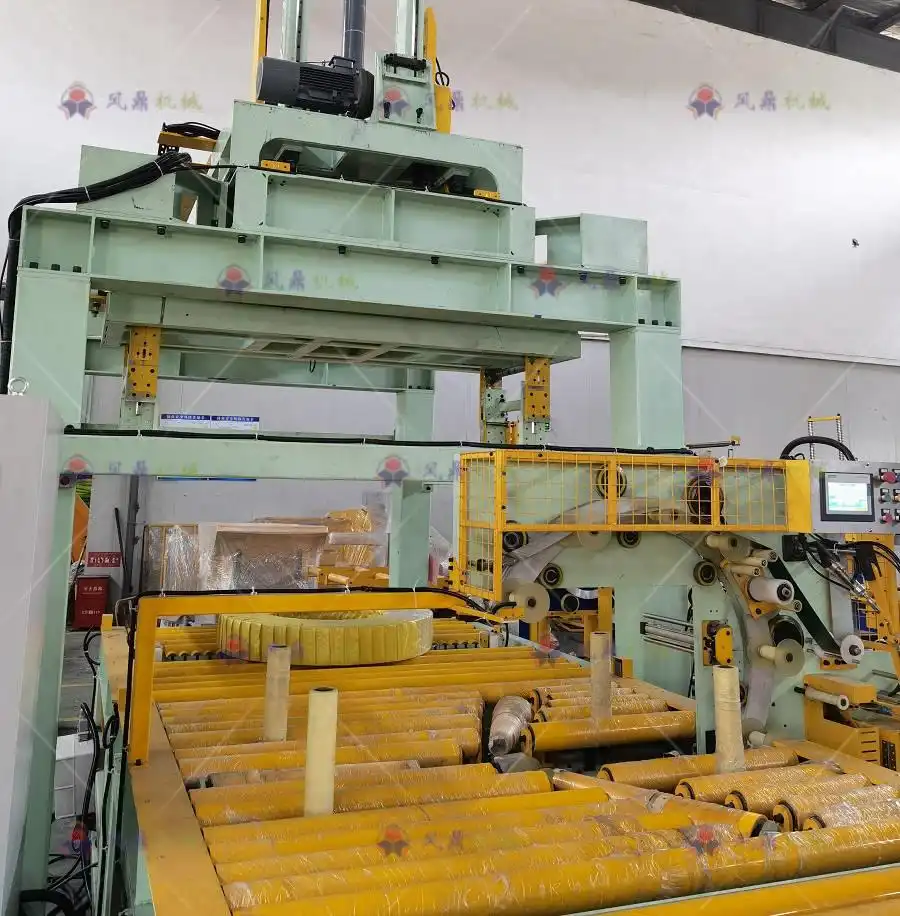
Quantifying the Benefits: Where Your Money Comes Back
When I started my factory, every investment had to make sense. It had to show me how I would get my money back. This is especially true for big machinery. An MES-integrated packing solution is a big step. But its ROI is clear. First, think about labor. Manual packing needs many workers. These workers have salaries. They need benefits. They have overtime. They also have risks. Automation reduces the number of people you need for these specific tasks. This is a direct saving. For example, one automatic stretch wrapping machine might do the work of three people. The cost of the machine pays for itself quickly.
| Cost Area | How MES-Integrated Solutions Reduce It | Measurable Impact |
|---|---|---|
| Labor Costs | Reduces reliance on manual labor for repetitive/heavy tasks. | Fewer wages, benefits, and overtime for packing staff. |
| Product Damage | Automated handling reduces scratches, dents, and mishandling. | Lower scrap rates, fewer customer complaints, reduced returns. |
| Insurance Premiums | Fewer workplace injuries due to automation of dangerous tasks. | Reduced worker compensation claims, lower premiums. |
| Production Time | Faster, more consistent packing processes. | Increased throughput, more products shipped per shift. |
| Material Waste | Precise application of wrapping materials, fewer errors. | Less film, strapping, or protective material wasted. |
| Customer Satisfaction | Consistent quality, faster delivery. | Higher customer retention, more repeat business. |
Beyond labor, look at product damage. If 5% of your slit coils get damaged during packing, that is 5% of your material cost lost. It is also the cost of dealing with angry customers. An automated system handles coils gently. It wraps them perfectly every time. This greatly reduces damage. The money you save from not wasting product adds up fast. Also, consider the speed. A faster packing line means you can produce more. If you can ship 10% more product in a day, that is a direct increase in your revenue. This increased output is often the biggest ROI driver. Finally, safety. Fewer worker injuries mean lower insurance costs. It means less time lost. It means a happier workforce. All of these are real savings. My goal is always to help businesses see these clear numbers. I want to show them how FHOPEPACK solutions are an investment, not just an expense. We help you calculate your ROI. We show you the path to a more profitable operation.
Why is Partnering with an Experienced Packing Machine Expert Key to Successful MES Integration?
Have you been burned before? You bought a machine. The vendor promised support. But when things went wrong, they disappeared. Or they sent someone who did not understand your real problems. You need a partner. Not just a seller. You need someone who knows packing machines. Someone who knows how a factory really runs. Can you trust a new supplier with something as important as MES integration?
Partnering with an experienced packing machine expert like me is key to successful MES integration. An expert understands your factory’s real challenges. They know how machines work in harsh conditions. They can integrate systems smoothly. They provide long-term support. They ensure your investment truly solves your problems and helps your business grow.
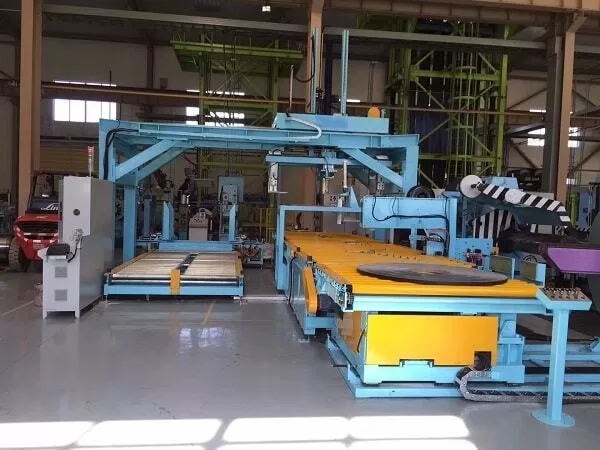
The Value of Deep Industry Experience
When I talk about my journey, it is not just a story. It is about years of hands-on work. I started at the bottom. I was an employee in a packing machine factory. I saw what worked. I saw what failed. Then, I built my own factory. This gave me a unique view. I know the pressures you face. I know what it takes to get machines to perform day in and day out. This kind of experience is vital when you are doing something complex, like MES integration. It is not just about connecting wires. It is about understanding your entire production flow. It is about making sure the data flows correctly. It is about making sure the machines respond as they should.
| Aspect of Partnership | Why an Experienced Expert Matters | Benefit for Michael Chen’s Factory |
|---|---|---|
| Understanding Needs | Knows specific challenges of heavy industry packing, e.g., steel/wire. | Solutions directly address efficiency, safety, damage. |
| System Integration | Has knowledge of machine communication protocols, data mapping to MES. | Smooth, error-free data flow; seamless operation. |
| Machine Reliability | Designs/recommends machines that withstand harsh factory environments. | Less downtime, lower maintenance costs, consistent output. |
| Problem Solving | Anticipates issues; offers practical solutions from experience. | Faster resolution of challenges; avoids costly mistakes. |
| Long-Term Support | Views relationship as partnership; provides ongoing service and upgrades. | Ensures continued performance, future-proofs investment. |
| ROI Insight | Helps calculate and demonstrate clear financial returns. | Confident investment decisions; justifies costs to management. |
Many vendors focus only on selling their latest model. They do not ask enough questions about your specific factory. They do not understand the extreme conditions. The dust. The heavy loads. The continuous operation. My team at FHOPEPACK has seen it all. We understand that a packing machine in a steel mill needs to be built like a tank. It needs to keep working. It needs to give you reliable data. This is where my engineering background comes in. I make sure our machines are durable. I make sure they can talk to your MES. We do not just sell you a machine. We come to understand your production bottlenecks. We look at your safety concerns. We consider your need for cost reduction. We then propose a complete solution. We provide the expertise needed to integrate that solution into your existing factory. We help you make sense of the data. My personal success came from helping my clients succeed. This is why I created FHOPEPACK. It is about giving back. It is about sharing real-world insights. This ensures your investment in automation truly transforms your business. It builds trust. This trust is the most valuable part of any partnership.
My Insights: What I Have Learned from Years in the Packing Machine Industry?
I have spent my entire working life around packing machines. From the factory floor to leading my own successful company, I have seen so much. I learned that packing is not just the last step. It is a critical one. It can make or break your entire operation. I have some key insights to share with you. These are lessons from my own journey.
First, automation is not a luxury; it is a necessity. The days of manual handling for heavy goods are ending. It is too slow. It is too dangerous. It is too expensive. Businesses that do not automate will fall behind. They will lose out to those who embrace smart machines. Investing in automation is not just about replacing people. It is about making your entire process safer, faster, and more consistent. It frees your skilled workers for higher-value tasks.
Second, data is your best friend. I used to rely on my eyes and my gut feeling. But now, with modern MES and sensor technology, we do not have to guess. Data tells you the truth. It shows you the real bottlenecks. It highlights the actual safety risks. It quantifies the product damage. Use this data. It helps you make decisions based on facts, not just assumptions. This is how you optimize. This is how you improve, step by step.
Third, reliability trumps everything. A fancy machine that breaks down often is worthless. In heavy industry, your equipment must be tough. It must be able to run all day, every day. This means choosing machines built with strong materials. It means choosing machines with proven designs. It also means having excellent support. I have learned to build machines that last. This is what we offer at FHOPEPACK. We want you to focus on production, not on repairs.
Finally, true partnership is rare and valuable. Many companies just want to sell you a product. I have learned that the best relationships are built on trust. They are built on understanding. I want to understand your unique problems. I want to help you solve them. My goal is to see your business grow. Just like my clients who grew their businesses with my help. This is why I share my knowledge. This is why FHOPEPACK exists. We are here to be your partner. We are here to help you master your wrapping machine needs.
Conclusion
Real-time MES data integration transforms packing lines. It boosts efficiency, enhances safety, and drives clear ROI. Partnering with an experienced expert like me ensures your investment truly succeeds.








