
Buyer’s Guide—How to Get the Best Price on a Coil Strapping Machine for Your Mexican Factory?
You manage a busy factory in Mexico. You feel the constant pressure to boost output and cut costs. Manual processes often slow you down and put your workers at risk. You know you need better equipment, especially for your coil strapping. But finding the right machine, one that delivers real value and not just a low price tag, feels hard. You might even feel frustrated by past suppliers who promised a lot but delivered little after the sale.
Getting the “best price” for a coil strapping machine for your Mexican factory means finding a machine that offers high efficiency, enhanced safety, minimal product damage, and strong after-sales support, all at a cost that delivers clear long-term returns on your investment. It is not about the cheapest initial cost, but the total value and savings it brings over its lifespan in your specific operational environment.

I understand these challenges well. I have been in your shoes, managing operations and building a packing machine factory from the ground up. This guide will share my insights. It will help you navigate the buying process for a coil strapping machine. We will make sure your investment truly benefits your Mexican factory.
How Do You Find the “Best Price” for a Coil Strapping Machine for Your Mexican Factory?
Are you feeling the pinch of slow manual strapping processes? Are you worried about the safety of your workers and the quality of your finished products? You might think “best price” just means the lowest number on the quote. This thinking can lead to bigger problems down the road. It can lead to unreliable machines and unexpected costs.
The “best price” for a coil strapping machine for your Mexican factory involves balancing the initial purchase cost with the machine’s long-term operational savings, reliability, and the quality of supplier support. It considers how the machine will improve efficiency, worker safety, and product quality, ultimately reducing overall production costs and increasing your profitability over time.

When I started my own packing machine factory, I learned quickly that a cheap machine often costs more in the long run. Downtime, high repair costs, and safety issues eat into profits. For your Mexican factory, the “best price” means a machine that works consistently. It means a machine that improves your bottom line, and a supplier who stands by their product.
Total Cost of Ownership: Beyond the Sticker Price
You need to look beyond the initial purchase price. Think about the total cost of owning the machine. This includes many factors.
-
Operating Costs:
- Energy Consumption: Does the machine use a lot of power? Efficient machines save electricity. Over years, this adds up.
- Consumables: How much strapping material does it use? Is it designed to minimize waste? Consider the cost of strapping coils.
- Labor Savings: How many workers can you reassign or reduce? Automating strapping reduces the need for manual labor. This is a direct saving. It also frees up skilled workers for other important tasks.
-
Maintenance and Downtime:
- Parts Availability: Can you get spare parts easily in Mexico? Long waits for parts mean long downtimes. This stops your production.
- Maintenance Frequency: Does the machine need frequent repairs? A robust machine needs less maintenance. This saves time and money.
- Reliability: How often does the machine break down? Every hour your production line is down means lost output and missed deadlines. For a busy metal processing plant, this loss is huge. I remember one time, early in my career, a seemingly good deal on a machine cost us weeks of lost production because of constant breakdowns and hard-to-find parts. That experience taught me the true meaning of reliability.
-
Safety and Product Quality:
- Worker Safety: A good machine improves safety. It reduces manual handling of heavy coils. This lowers your factory’s risk of worker injuries. This also means lower insurance costs. It means happier, more secure employees.
- Product Protection: Does the machine secure coils tightly? Does it prevent damage during transit? Damaged products lead to customer complaints. They lead to returns and profit loss. A quality strapping machine protects your product. It maintains your reputation.
Consider a durable machine designed for heavy industry. Your Mexican factory operates in a demanding environment. You need equipment that can handle tough conditions. This means less wear and tear. This means less unexpected costs over time. The “best price” helps your factory run smoothly and profitably for many years.
What Specific Features and Specifications Drive a Coil Strapping Machine’s Price?
You are likely looking at different machines. You might feel overwhelmed by all the technical terms and options. It is easy to get lost in the details. You might wonder which features are truly worth the extra cost. You might also wonder which ones you can do without.
The price of a coil strapping machine is primarily driven by its level of automation, strapping type (steel or PET), capacity (coil size and weight), speed, durability of components, and specialized features like automatic feeding or advanced tension control. Machines designed for higher throughput, larger coils, or harsher industrial environments will naturally cost more due to their robust construction and sophisticated technology.
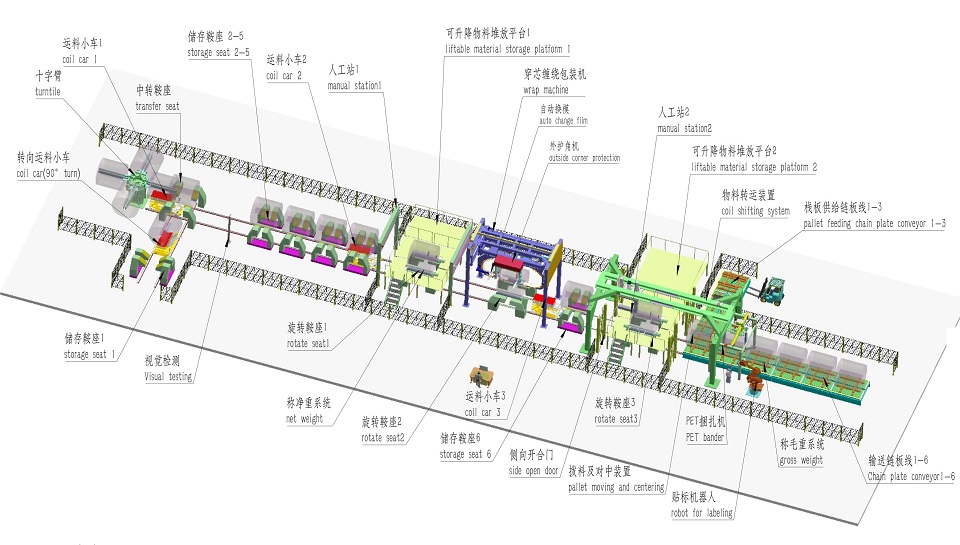
When I first started designing packing machines, I learned that every component choice impacts cost and performance. For example, using a stronger motor or a more precise sensor adds to the price. But these choices often prevent costly failures later. For your factory in Mexico, understanding these factors helps you make an informed decision. You avoid paying for features you do not need. You also make sure you get the ones you do.
Decoding the Price Tag: Key Specifications and Their Impact
Understanding what drives the price helps you get the “best value.” Here are the main things to consider:
-
Level of Automation:
- Manual vs. Semi-Automatic vs. Automatic: Manual strapping is cheapest upfront. But it is slow and needs a lot of labor. Semi-automatic machines are a good middle ground. Fully automatic systems cost more initially. But they offer the highest speed and efficiency. They also have the lowest labor cost. For a factory like yours, facing efficiency bottlenecks, full automation offers the most significant long-term return.
- Integrated Systems: Does the machine integrate with your existing production line? A standalone machine might be cheaper. But one that fits seamlessly into your flow reduces manual handling. It also reduces potential bottlenecks.
-
Strapping Material and Method:
- Steel Strapping: This is strong. It is needed for heavy steel coils. Machines designed for steel strapping are often more robust. They have more powerful tensioning systems. This makes them more expensive.
- PET Strapping: This is lighter and resistant to rust. It is good for certain coil types. Machines for PET strapping can be less expensive. They use different tensioning mechanisms. You need to choose based on your product. Michael, since you work with steel, you will likely need a machine that handles steel strapping effectively.
-
Coil Specifications:
- Size and Weight Capacity: Machines built for very large or heavy coils need stronger frames and motors. This increases their cost. Make sure the machine can handle the full range of your coil sizes. You do not want to buy a machine that is too small for your largest coils.
- Coil Orientation: Some machines strap horizontally, others vertically. Some can do both. Your factory layout and coil handling process will determine what you need. A machine that handles various orientations might cost more. But it offers more flexibility.
-
Machine Speed and Throughput:
- Cycles Per Minute: Faster machines cost more. But they can process more coils per hour. If your factory has high production volumes, a faster machine quickly pays for itself in increased output. This directly addresses your efficiency bottlenecks.
- Reliable Speed: It is not just about raw speed. It is about consistent speed without breakdowns. A machine that runs fast but often breaks down is not efficient. I always tell my clients, a reliable 10 coils per minute is better than a temperamental 15 coils per minute.
-
Durability and Component Quality:
- Material Construction: Machines made with heavy-duty steel and high-quality components last longer. They withstand harsh factory environments. This is vital for your operations.
- Brand of Components: Reputable brands for motors, sensors, and PLC systems often mean better reliability and easier replacement. While they might increase the initial cost, they reduce future repair headaches.
-
Specialized Features:
- Automatic Edge Protectors: Some machines apply edge protectors automatically. This prevents damage to your coils. This feature adds cost but protects your product. This can be very important for your factory. It can reduce customer complaints.
- Remote Diagnostics: Some machines offer remote monitoring or troubleshooting. This can save time and money on service calls. It means faster problem solving.
- Customization: If you need a machine custom-built for your unique factory layout or specific coil types, it will cost more. But sometimes, a custom solution is the “best price” because it perfectly fits your needs.
By carefully evaluating these features against your factory’s specific needs and budget, you can find a coil strapping machine that offers the optimal balance of performance and cost.
Why Is After-Sales Service and Support Crucial for Your Investment in Mexico?
You might have dealt with equipment suppliers before who disappear after the sale. This leaves you stranded when issues come up. This creates a trust crisis. For a factory manager like you, Michael, this is a major concern. You cannot afford long downtimes because of poor support.
Reliable after-sales service and technical support are crucial for your coil strapping machine investment in Mexico because they ensure minimal downtime, fast troubleshooting, access to genuine spare parts, and ongoing performance optimization. A supplier with strong local or remote support capabilities helps protect your factory’s productivity, extends the machine’s lifespan, and builds a trusting long-term partnership, preventing costly production stoppages.

I have seen firsthand how much a factory suffers when equipment breaks down and there is no support. When I built my own factory, I made sure to partner with suppliers who understood the importance of service. This commitment became a core value for FHOPEPACK. For your Mexican factory, having a dependable partner means your operations stay smooth. It means your investment is secure.
The True Value of a Supportive Partner
Do not underestimate the importance of good after-sales service. It can save you a lot of money and headaches.
-
Minimizing Downtime:
- Fast Response Times: Every minute your machine is down, you lose money. A good supplier offers quick responses to your service requests. This could be through a hotline, online support, or local technicians.
- Remote Diagnostics and Support: Many modern machines can be diagnosed remotely. This means a technician can often identify and help fix issues without needing to travel. This saves time and cost.
- On-Site Assistance: For complex issues, you need a supplier who can send skilled technicians to your factory in Mexico. This is vital for quick repairs and keeping your production running.
-
Access to Genuine Spare Parts:
- Availability: You need easy access to spare parts. A reputable supplier keeps a stock of critical parts. This prevents long delays.
- Authenticity: Using genuine parts ensures your machine maintains its performance and reliability. Third-party parts might be cheaper. But they often lead to more problems and shorter machine life.
-
Training and Maintenance:
- Operator Training: Your factory staff needs proper training to operate the machine safely and efficiently. A good supplier provides this training. This empowers your team. It helps prevent user-error related issues.
- Maintenance Schedules: The supplier should provide clear maintenance guidelines. They should also offer maintenance services. Regular maintenance extends the life of your machine. It prevents costly breakdowns.
-
Long-Term Partnership:
- Trust and Reliability: You want a supplier who truly understands your business. You want one who is invested in your success. This builds trust. It ensures you have a reliable partner for future needs.
- Continuous Improvement: A good partner will also offer upgrades and improvements over time. They will help you adapt to new technologies. They will help you keep your factory competitive.
- Problem-Solving Approach: You need a supplier who listens to your challenges. They should offer solutions tailored to your specific problems. They should not just sell a machine. They should help solve your production bottlenecks and safety issues. I have always believed that a sale is just the beginning of a relationship. For FHOPEPACK, we strive to be true partners, understanding factory floor realities and offering solutions that really work. This approach has helped many of my clients in the steel and metal industry grow their operations, and it is the kind of partnership I advocate for your factory.
Choosing a supplier with strong after-sales support ensures your coil strapping machine remains a productive asset for your Mexican factory for many years. It turns a one-time purchase into a long-term, profitable investment.
How Can My Factory Experience Help You Avoid Common Buyer Mistakes?
You are a factory manager with years of experience. You know the ins and outs of production. But buying new, specialized equipment can still feel like walking through a minefield. Many factors can lead to costly mistakes. You want to avoid these pitfalls. You want to make an investment that truly pays off for your factory.
My two decades of experience, from employee to factory owner, give me a unique perspective on common buyer mistakes, especially for factories like yours in Mexico. I can guide you to avoid pitfalls like focusing only on the lowest price, underestimating the importance of after-sales support, neglecting total cost of ownership, or failing to properly assess your factory’s specific operational needs and future growth requirements when purchasing a coil strapping machine.

I have faced many of these challenges myself. When I started my own factory, I learned lessons that only hands-on experience can teach. These lessons helped me achieve financial independence and build a successful business. Now, I want to share them with you. My goal is to help you avoid the same mistakes. I want to help you make a smart investment for your Mexican factory.
My Insights: Learning from Real-World Factory Operations
Here are some key insights from my journey. These will help you make a better buying decision.
-
Mistake 1: Chasing the Absolute Lowest Price:
- The Trap: It is tempting to pick the cheapest option. But the lowest price often means lower quality materials. It means less robust construction. It also means poor or non-existent after-sales support.
- My Experience: Early in my career, I saw factories buy cheap machines. They ended up spending double or triple the savings on repairs, spare parts, and lost production. For your heavy-duty operations in Mexico, a machine that cannot withstand the daily grind will quickly become a liability.
- My Advice: Focus on value. Look at the return on investment (ROI). Consider how much it will save you in labor, damage, and downtime over five to ten years. A slightly higher initial investment for a durable, reliable machine is almost always the “best price” in the long run.
-
Mistake 2: Ignoring After-Sales Service and Local Support:
- The Trap: Many buyers overlook this crucial aspect until something breaks. Then they realize they are on their own. This is a common problem with suppliers who only focus on making the sale.
- My Experience: I remember one client who bought a machine from an overseas supplier without checking their support network in Mexico. When a critical part failed, they waited months for a replacement. Their entire production line was halted. They lost massive revenue.
- My Advice: Always ask about the supplier’s service structure. Do they have local technicians in Mexico? What is their response time for emergencies? Do they stock spare parts? A strong support system is as important as the machine itself. For FHOPEPACK, we prioritize building a relationship where our customers feel supported, not abandoned.
-
Mistake 3: Underestimating the Impact of Automation on Safety and Efficiency:
- The Trap: You might think automation is just about speed. But its biggest benefits often come from improved safety and reduced product damage.
- My Experience: In my own factory, implementing automation drastically cut down on workplace injuries related to heavy lifting and manual strapping. It also ensured consistent, high-quality packing, which reduced product damage complaints from clients. Michael, your challenge with high work injury risk and product damage sounds very familiar to what I faced.
- My Advice: Quantify the benefits. How many potential injuries can you prevent? How much product loss can you avoid? These are direct savings that add up fast. A coil strapping machine is not just a piece of equipment. It is a safety solution and a quality control tool.
-
Mistake 4: Not Planning for Future Growth or Changes:
- The Trap: You buy a machine that perfectly fits your current needs. But your factory grows. Your product lines change. The machine might become obsolete or insufficient.
- My Experience: When I was planning my factory, I always thought about scale. I chose equipment that could handle larger capacities or different product types if needed. This foresight saved me from having to replace equipment too soon.
- My Advice: Consider your factory’s growth plans. Will you produce larger coils? Will your volume increase? Choose a machine that offers some flexibility or room for expansion. Discuss this with potential suppliers. A good supplier can offer modular solutions or advice on future-proofing your investment.
By learning from these common mistakes, you can approach your coil strapping machine purchase with confidence. You can make an investment that truly supports your Mexican factory’s long-term success.
Conclusion
Finding the “best price” for a coil strapping machine means looking beyond the initial cost. Focus on value, reliability, and strong supplier partnership for your Mexican factory. Choose wisely to boost efficiency, improve safety, and secure your long-term profitability.








