
Are Your Pallet Handling Methods Holding Back Your Warehouse Efficiency?
Are you feeling the squeeze of rising costs and demanding customers in your warehouse? The truth is, outdated pallet handling can be a silent drain on your operations. It slows down your entire supply chain, creates unnecessary risks, and eats into your profits. I’ve seen this firsthand in my journey from a packing machine factory employee to founding FHOPEPACK, and I know the pain points that warehouse managers like Carlos Rodríguez face every day. It’s time to ask if your current methods are truly serving your business goals, or if they are just creating more problems.
Efficient pallet handling is the backbone of a high-performing warehouse, directly impacting speed, safety, and cost-effectiveness. When manual processes or unreliable equipment dominate, companies face challenges such as slow throughput, increased labor costs, higher risks of injury, and difficulties meeting diverse international pallet standards, ultimately hindering overall operational efficiency and customer satisfaction.
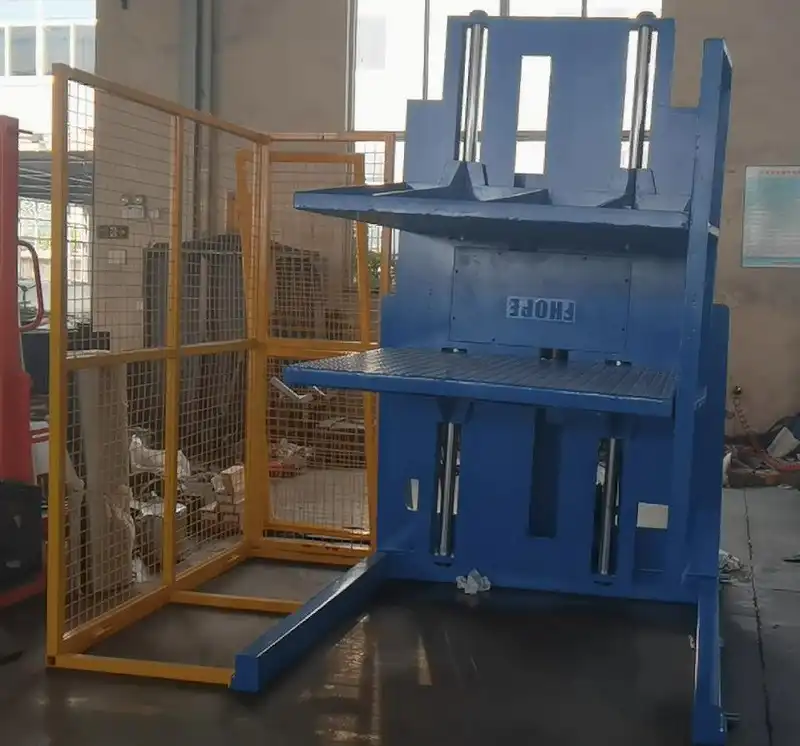
Many businesses, especially those involved in international logistics, grapple with these very issues. The good news is, there’s a better way to move your goods. Stay with me, and I’ll show you how an intelligent pallet inverter line can transform your warehouse from a bottleneck into a powerhouse of efficiency.
How Can Smart Pallet Inverter Lines Transform Your Warehouse Operations?
Are you tired of the constant battle against inefficiency and high operational costs? Imagine a warehouse where pallets flow seamlessly, without manual strain or constant interruptions. The traditional methods of moving and changing pallets often lead to bottlenecks, errors, and even serious safety incidents. This old way of doing things simply cannot keep up with today’s fast-paced logistics demands, leaving businesses vulnerable to delays and dissatisfied clients.
Smart pallet inverter lines offer a comprehensive solution to these challenges by automating the process of transferring goods between pallets, rotating loads, or replacing damaged pallets. This automation significantly boosts operational efficiency, enhances worker safety by minimizing manual intervention, and reduces labor costs. It also ensures compliance with diverse shipping requirements, leading to faster turnaround times and improved overall supply chain performance.
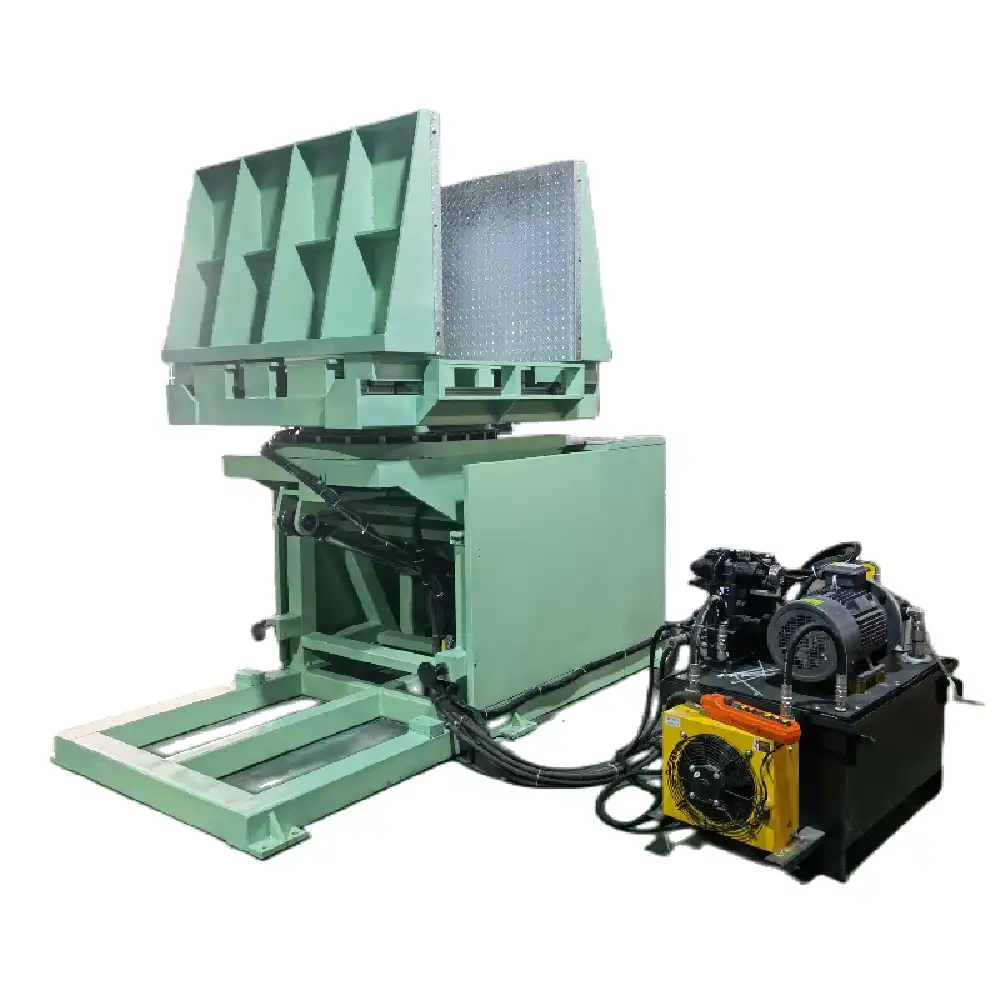
Let’s dive deeper into how integrating an intelligent pallet inverter system can be a game-changer for your warehouse, addressing critical areas that directly impact your bottom line and operational excellence. My experience building packing machine solutions has taught me that true efficiency comes from understanding the process inside out.
1. Boosting Throughput and Speed
Manual pallet changes are inherently slow. Each interaction requires time, careful handling, and often multiple personnel. An automated pallet inverter line, in contrast, performs these tasks with remarkable speed and precision. This means more pallets can be processed per hour, directly impacting your warehouse’s overall throughput. Consider the scenario Carlos faces, dealing with thousands of pallets daily and the urgent need to meet shorter delivery cycles. A system that can quickly switch between Euro and US pallets, or replace damaged ones, drastically cuts down on waiting times. This acceleration is not just about moving goods faster; it’s about enabling your entire distribution network to operate at a higher, more consistent pace. The ability to keep goods flowing seamlessly translates directly into meeting tight deadlines and maintaining customer satisfaction, which are vital in competitive markets. We’ve seen how reducing even a few seconds per pallet can add up to hours saved each day, leading to a significant increase in daily operational capacity and output.
- Automated Cycle Times: Pallet inverters can complete a full cycle (load, invert/change, unload) in a fraction of the time compared to manual methods. This consistency eliminates human variability.
- Reduced Handling: Fewer manual touchpoints mean less opportunity for delay or error, leading to a smoother flow of goods through the warehouse.
- Faster Dispatch: Quicker pallet preparation allows trucks to be loaded and dispatched more rapidly, improving overall logistics efficiency. (warehouse throughput improvement)
2. Enhancing Workplace Safety
Safety is non-negotiable in any warehouse environment, and manual pallet handling presents significant risks. Workers often lift heavy loads, bend, twist, or operate forklifts in close proximity to moving goods. These activities can lead to strains, sprains, crush injuries, or even more severe accidents, as Carlos has unfortunately experienced with several incidents. An intelligent pallet inverter line fundamentally changes this dynamic by automating the hazardous parts of the process. Instead of workers physically moving or tipping heavy pallets, the machine handles the load. This reduces the need for direct human interaction with heavy or unstable loads, thereby significantly lowering the risk of workplace injuries. Investing in automation is not just about efficiency; it’s about creating a safer working environment for your team, reducing worker’s compensation claims, and fostering a culture of care. This commitment to safety also improves employee morale and retention, which is critical in today’s tight labor market.
- Minimized Manual Lifting: Machines take over the heavy lifting, eliminating strains and back injuries from manual pallet transfers.
- Controlled Operations: Automated systems operate within defined safety parameters, reducing the risk of accidental tipping or dropping of goods.
- Reduced Forklift Interaction: Fewer manual tasks around pallets mean less need for workers to be in close proximity to forklifts, a common source of warehouse accidents. (warehouse safety automation)
3. Lowering Operational Costs
The costs associated with manual pallet handling extend far beyond direct labor wages. They include expenses for injury claims, damaged goods, labor turnover due to strenuous work, and the inefficiencies of slow processing. By introducing an automated pallet inverter line, businesses can significantly reduce their reliance on manual labor for these specific tasks. This helps to combat rising labor costs and addresses the challenge of labor shortages, particularly for physically demanding roles that young workers are increasingly reluctant to take on. Moreover, the precision of automated systems minimizes product damage, saving money on spoiled inventory and rework. The increased speed means existing warehouse space and equipment can be utilized more effectively, potentially delaying the need for costly expansions. The reduction in accidents also lowers insurance premiums and avoids the costly disruptions associated with workplace injuries. All these factors contribute to a substantial reduction in overall operational expenditure, making your warehouse leaner and more profitable.
- Reduced Labor Dependency: Less need for dedicated staff for pallet changing frees up resources for other critical tasks or allows for a leaner workforce.
- Decreased Damage Rates: Automated, controlled movements reduce the likelihood of product damage during pallet transfers, saving on replacement costs.
- Optimized Resource Use: Faster processing means equipment and space are used more efficiently, maximizing return on investment. (warehouse cost reduction automation)
What Makes FHOPEPACK’s Pallet Inverters “Intelligent” and Reliable?
Are you looking for a pallet inverter that does more than just flip loads? Many machines on the market promise automation, but fail to deliver the sophisticated features needed for truly seamless, high-volume operations. This can lead to frustration, unexpected downtime, and a system that doesn’t adapt to your evolving needs. You need a solution that is built to perform, built to last, and smart enough to handle the complexities of a modern supply chain.
FHOPEPACK’s pallet inverters are considered “intelligent” due to their advanced automation capabilities, robust construction, and user-centric design. They integrate features like programmable logic controllers (PLCs) for customizable operation, sensors for precise load positioning, and durable components for consistent performance in demanding environments. This intelligence ensures high reliability, adaptability to varying pallet types, and enhanced operational safety, setting them apart from conventional systems.

From my years of experience designing and building packing machines, I know that true intelligence in equipment isn’t just about flashy tech; it’s about practical, reliable performance that solves real-world problems. Let’s explore the core elements that define an intelligent and reliable FHOPEPACK pallet inverter system.
1. Robust Engineering for Unmatched Durability
At FHOPEPACK, we understand that warehouse equipment operates under extreme pressure. That’s why our pallet inverters are engineered with heavy-duty components and industrial-grade materials. This focus on robust construction ensures that our machines can withstand the constant demands of high-volume operations, minimize wear and tear, and deliver consistent performance day in and day out. Think about Carlos’s warehouse, which handles thousands of pallets daily. A flimsy machine simply wouldn’t survive. We prioritize structural integrity, using high-strength steel frames and precision-machined parts that are built to last. This commitment to durability translates into lower maintenance costs and significantly extended machine lifespan, offering a superior return on your investment over many years of continuous operation. Our designs reflect a deep understanding of the mechanical stresses involved, preventing common failure points and ensuring your operations remain uninterrupted.
- Heavy-Duty Construction: Built with high-grade steel and robust components to endure continuous, high-intensity use in demanding warehouse environments.
- Precision Manufacturing: Components are precisely engineered, reducing friction and wear, which leads to fewer breakdowns and longer operational life.
- Quality Materials: Use of corrosion-resistant and durable materials ensures the machine maintains its integrity even in varied industrial settings. (durable pallet handling equipment)
2. Advanced Control Systems for Seamless Operation
The “intelligence” in our pallet inverters comes largely from their sophisticated control systems. We integrate modern Programmable Logic Controllers (PLCs) and intuitive human-machine interfaces (HMIs) that allow for precise control and customization. These systems enable operators to easily program different inversion angles, transfer sequences, and accommodate various pallet sizes and load types with minimal effort. Imagine setting up a specific sequence for switching between wooden and plastic pallets, or adjusting settings for a fragile load—all with a few taps on a screen. Our advanced sensors ensure accurate load positioning and detect any potential issues, preventing damage to goods and the machine. This level of control minimizes human error, optimizes cycle times, and provides a seamless operational flow, which is crucial for maintaining consistent output in a busy logistics hub. We design our systems to be user-friendly, ensuring that even new operators can quickly learn to manage complex tasks, leading to greater operational efficiency and reduced training time.
- PLC Integration: Allows for highly customizable operational sequences, catering to specific product and pallet requirements.
- Intuitive HMI: User-friendly touchscreens make programming and monitoring the machine straightforward, reducing operator training time.
- Sensor Technology: Advanced sensors ensure accurate load detection, positioning, and safety, preventing operational errors and maximizing precision. (automated pallet system controls)
3. Comprehensive Safety Features
Safety is paramount in all our designs. An intelligent pallet inverter must not only be efficient but also incredibly safe to operate, especially when replacing manual, high-risk tasks. Our machines incorporate multiple layers of safety features to protect both operators and goods. This includes emergency stop buttons strategically placed around the machine, light curtains or safety fences that automatically halt operations if a person enters a designated safety zone, and overload protection systems that prevent the machine from attempting to handle weights beyond its capacity. Additionally, our designs consider ergonomic principles to minimize any remaining manual interaction, ensuring that operators can work comfortably and without undue strain. These integrated safety protocols significantly reduce the risk of accidents and contribute to a secure working environment, giving managers like Carlos peace of mind and reducing potential liability. We believe that a truly smart machine is one that prioritizes the well-being of the people who work with it.
- Emergency Stop Mechanisms: Easily accessible e-stop buttons provide immediate shutdown capabilities in critical situations.
- Perimeter Safety Devices: Light curtains, safety gates, and interlocks prevent unauthorized entry into the machine’s operating area during cycles.
- Load Sensors: Automatically detect and prevent overloads, protecting both the machinery and the goods from damage. (pallet inverter safety features)
How Does FHOPEPACK Tailor Solutions for Diverse Pallet Specifications and High Throughput?
Are you struggling with a one-size-fits-all pallet handling solution that simply can’t cope with your diverse operational needs? In today’s global market, a warehouse often deals with a multitude of pallet types – from Euro to US, and various plastic or specialty pallets. A rigid system will inevitably create bottlenecks and inefficiencies, costing you time and money, and making it impossible to meet varied client demands. Carlos’s challenge of frequently switching between Euro and US pallets perfectly highlights this issue.
FHOPEPACK excels in providing highly adaptable pallet inverter solutions specifically engineered to manage diverse pallet specifications and high throughput demands. We achieve this by offering a range of machine configurations, including stationary, mobile, and specialized designs, each capable of handling different pallet sizes, load capacities, and materials. Our systems feature adjustable clamping and inversion mechanisms, integrated conveying lines, and intelligent controls to seamlessly process mixed pallet types, ensuring maximum efficiency and reliability in complex logistical environments.
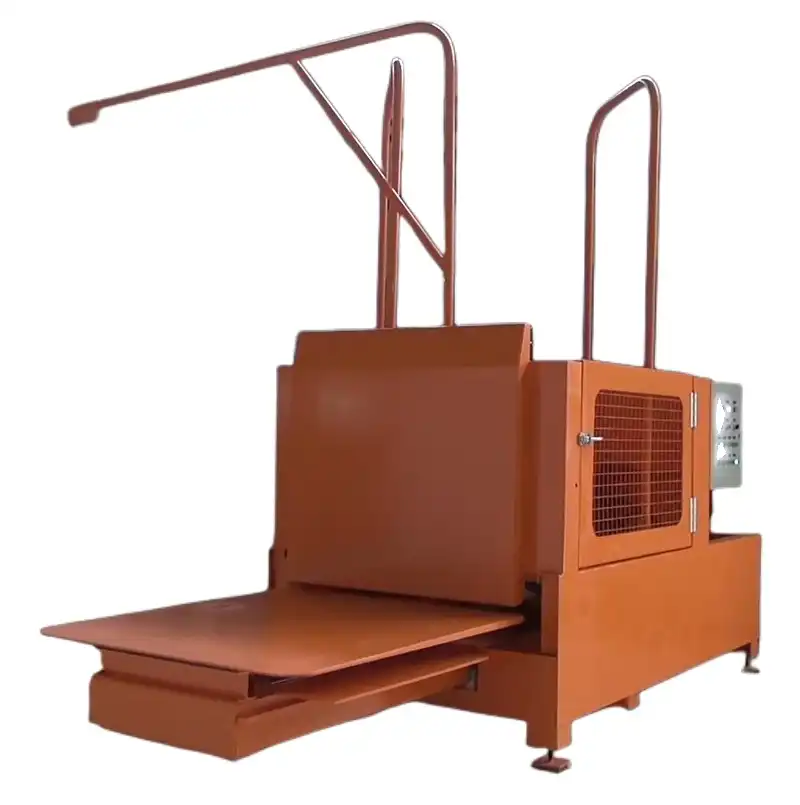
My journey in the packing machine industry has shown me that true partnership means understanding a client’s unique pain points and offering solutions that are not just functional, but perfectly aligned with their operational realities. Here’s how FHOPEPACK steps up to meet complex pallet handling challenges.
1. Adaptability to Diverse Pallet Types and Sizes
One of the most common headaches in international logistics is the sheer variety of pallet dimensions and materials. A FHOPEPACK pallet inverter line is designed with this complexity in mind. Our machines feature adjustable clamping systems and robust platforms that can securely handle a wide range of pallet sizes, from standard Euro pallets (800x1200mm) to US standard pallets (1000x1200mm), and even custom dimensions or specialized plastic pallets. The intelligent control systems allow for quick adjustments between different configurations, minimizing downtime when switching between product lines or export destinations. This adaptability ensures that your operations remain flexible, efficient, and compliant with all international shipping standards, eliminating the need for costly manual interventions or multiple specialized machines. We understand that businesses need versatility, and our solutions provide just that, allowing for seamless integration into dynamic warehouse environments where every pallet type needs to be processed efficiently. Our commitment is to ensure that no pallet specification becomes a bottleneck in your supply chain.
- Adjustable Mechanisms: Our systems can quickly adapt to varying pallet heights, widths, and lengths, accommodating both standard and non-standard sizes.
- Material Compatibility: Designed to handle wooden, plastic, and even steel pallets, ensuring versatility for different industry requirements.
- Quick Changeover: Features built-in for rapid re-configuration, minimizing the time needed to switch between processing different pallet types. (multi-pallet type handling)
2. High Throughput for Demanding Operations
For warehouses like Carlos’s, where thousands of pallets move daily, high throughput is non-negotiable. FHOPEPACK’s intelligent pallet inverter lines are engineered for continuous, high-speed operation. We offer various models, including fully automatic systems integrated with conveyor lines, which can process pallets without any manual intervention once loaded. These systems are designed to maintain a consistent flow, significantly increasing the volume of pallets that can be processed per hour. The efficiency of our machines reduces the overall cycle time for pallet changing, freeing up valuable resources and ensuring that your goods are always moving, not waiting. We also consider factors like loading and unloading mechanisms, ensuring smooth transitions to and from the inverter. This dedication to throughput helps businesses meet stringent delivery schedules and manage peak demand periods effectively, ultimately enhancing their competitiveness in the market. Our aim is to ensure your warehouse is always operating at its optimal capacity, no matter the volume.
- Automated Conveyor Integration: Seamlessly connects the pallet inverter with existing or new conveyor systems for continuous, uninterrupted flow.
- Optimized Cycle Times: Engineered for rapid and efficient pallet inversion or transfer, maximizing the number of units processed per hour.
- Continuous Operation: Designed for reliability and minimal downtime, ensuring the system can run consistently throughout demanding shifts. (high-volume pallet processing)
3. Integrated Solutions for a Seamless Workflow
A truly intelligent solution extends beyond just the pallet inverter itself. FHOPEPACK offers integrated lines that include infeed and outfeed conveyors, safety guarding, and custom automation options. This holistic approach ensures a seamless workflow from the moment a pallet enters the system until it leaves. For instance, we can integrate our pallet inverters with automatic pallet dispensers or stackers, creating a fully automated transfer point. This level of integration eliminates manual steps, reduces potential for human error, and creates a highly efficient, end-to-end pallet handling process. My experience has taught me that connecting the dots in a production line is crucial for overall efficiency, and our solutions reflect that. We work closely with clients to understand their existing layout and operational challenges, designing a system that fits perfectly into their workflow, rather than requiring them to adapt their entire operation to our machinery. This results in a customized, high-performance solution that delivers maximum return on investment.
- Conveyor System Integration: Pallet inverters can be integrated with various conveyor types (roller, chain) to create a continuous flow line.
- Automated Ancillaries: Inclusion of pallet dispensers, stackers, or wrapping machines to create a complete, hands-free pallet processing station.
- Custom Layout Design: Tailored solutions that fit specific warehouse footprints and operational requirements, optimizing space and flow. (integrated warehouse automation)
What Long-Term Benefits Does Partnering with FHOPEPACK Bring to Your Supply Chain?
Are you tired of transactional vendor relationships that end once the machine is shipped? In today’s complex logistics world, you need more than just a piece of equipment; you need a partner who truly understands your long-term challenges and growth ambitions. Carlos Rodríguez, for example, isn’t just buying a machine; he’s seeking a long-term collaborator who can help him reduce risks, cut costs, and ensure customer satisfaction for years to come. A short-sighted approach to automation can leave you with unsupported systems and missed opportunities for continuous improvement.
Partnering with FHOPEPACK offers significant long-term benefits by delivering not just cutting-edge pallet inverter technology, but also comprehensive support and a deep understanding of supply chain optimization. This includes consistent operational cost reductions through automation, enhanced safety records, improved compliance with global standards, and the peace of mind that comes from reliable, future-proof equipment backed by expert service. We become an extension of your team, ensuring sustained efficiency and competitive advantage.
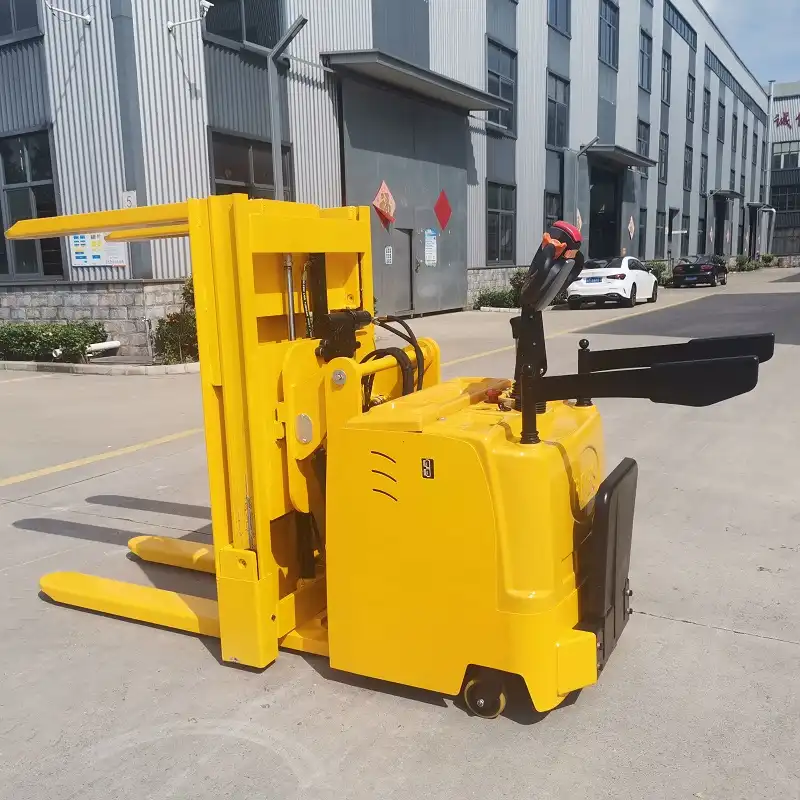
My journey from a factory employee to establishing FHOPEPACK was driven by a passion for helping businesses succeed. I’ve learned that building strong relationships and providing real value beyond just the machine is key. Let’s delve into the enduring advantages of choosing FHOPEPACK as your automation partner.
1. Sustainable Cost Reduction and ROI
The initial investment in an intelligent pallet inverter line might seem significant, but the long-term cost savings are substantial and sustainable. By drastically reducing reliance on manual labor for strenuous and repetitive tasks, businesses can significantly cut down on wages, overtime, and recruitment costs. Furthermore, the precision of automated systems minimizes product damage, saving money on discarded goods and rework. Carlos’s goal of lowering operational costs is perfectly addressed here. Beyond direct labor, consider the reduction in insurance premiums due to a safer workplace and the elimination of potential fines from delayed shipments or non-compliant pallet usage. Over time, these cumulative savings lead to an excellent return on investment (ROI). We help clients project these savings, demonstrating how an FHOPEPACK solution pays for itself, often much faster than anticipated, providing a lasting competitive edge through optimized expenditure. Our detailed analysis ensures you see the full financial picture before you even commit.
- Lower Labor Expenses: Automation reduces the need for manual staff in pallet handling, cutting direct wages and associated benefits.
- Reduced Damage Costs: Precise machine operation minimizes product damage, saving on replacement, repacking, and waste disposal.
- Energy Efficiency: Modern designs often incorporate energy-saving features, reducing electricity consumption over the machine’s lifespan. (sustainable operational savings)
2. Enhanced Compliance and Customer Satisfaction
In global supply chains, adhering to diverse regional and international pallet standards (like Euro vs. US pallets) is critical for seamless logistics and avoiding costly delays or rejection of shipments. Our intelligent pallet inverter lines ensure rapid and accurate pallet switching, guaranteeing that your goods always conform to the specific requirements of their destination. This proactive approach prevents shipment rejections, avoids contractual penalties, and significantly boosts customer satisfaction. When your distribution center can consistently meet demanding delivery schedules and handle varied specifications without a hitch, it strengthens client relationships and builds a reputation for reliability. Carlos’s need to avoid delays and customer complaints highlights this perfectly. By integrating FHOPEPACK’s solutions, you gain a dependable system that not only ensures compliance but also enhances your overall service quality, giving you an undeniable advantage in a competitive market. We empower your business to deliver on promises, consistently and reliably.
- Regulatory Adherence: Ensures rapid conformity to international shipping standards (e.g., ISPM 15, specific pallet dimensions).
- On-Time Delivery: Streamlined pallet processing prevents delays, leading to consistent delivery schedules and satisfied customers.
- Reduced Complaints: Fewer errors and faster processing mean fewer customer complaints related to logistics issues or product handling. (logistics compliance benefits)
3. Dedicated Partnership and After-Sales Support
Unlike vendors who disappear after a sale, FHOPEPACK is committed to being a long-term partner. We understand that investing in automation is a significant decision, and support throughout the lifespan of the equipment is crucial. This means providing comprehensive installation services, thorough operator training, and responsive technical support. Our team is always ready to assist with maintenance, troubleshooting, and spare parts, ensuring minimal downtime for your operations. We also believe in continuous improvement, actively seeking feedback and offering upgrades or enhancements to keep your system at the cutting edge. Carlos specifically seeks a partner who understands warehousing automation and provides excellent after-sales care, and this is exactly what we deliver. Our goal is to forge a lasting relationship where we contribute to your ongoing success, adapting our support as your business evolves and ensuring your FHOPEPACK equipment continues to deliver optimal performance.
- Expert Installation & Training: Professional setup and thorough training ensure your team can operate the system efficiently and safely from day one.
- Responsive Technical Support: Quick access to our expert technicians for any issues, minimizing operational downtime.
- Proactive Maintenance & Upgrades: Regular check-ups and options for system upgrades keep your equipment current and performing optimally over its lifespan. (reliable after-sales support)
Insights: What’s the Future of Automated Pallet Handling in Modern Warehousing?
Are we simply replacing manual labor with machines, or is there a deeper, more strategic shift happening in warehouse automation? Many businesses still view automation as a one-time fix, rather than an evolving strategy. This mindset risks falling behind competitors who are embracing integrated, intelligent solutions. The future of warehousing demands more than just isolated pieces of equipment; it requires a holistic approach to efficiency, safety, and adaptability. The rapid changes in e-commerce and global supply chains mean that static solutions quickly become obsolete, leaving companies ill-equipped for future challenges.
The future of automated pallet handling lies in fully integrated, data-driven, and highly adaptable systems that seamlessly connect with broader warehouse management platforms. These intelligent solutions will leverage AI and IoT to predict maintenance needs, optimize flow paths, and respond dynamically to changes in inventory and order demands. This strategic integration will move beyond simple task automation, transforming warehouses into highly autonomous, self-optimizing hubs that drive unparalleled efficiency, safety, and responsiveness across the entire supply chain.
From my perspective, having watched the packing machine industry evolve, I see a clear path forward where technology and strategic foresight converge. My vision for FHOPEPACK has always been about more than just machines; it’s about pioneering solutions that help businesses like yours thrive in a complex world.
1. Integration with WMS and ERP Systems
The next leap in automated pallet handling isn’t just about individual machines, but how they communicate and integrate with the broader digital ecosystem of a warehouse. We are moving towards a future where intelligent pallet inverter lines are seamlessly integrated with Warehouse Management Systems (WMS) and Enterprise Resource Planning (ERP) software. This integration allows for real-time data exchange, enabling automated decisions based on current inventory levels, shipping schedules, and order priorities. Imagine a system that automatically adjusts its processing speed or switches pallet types based on incoming order data, without any manual input. This level of connectivity optimizes the entire flow of goods, reduces human error, and provides unprecedented visibility into every stage of the pallet handling process. For managers like Carlos, this means a unified view of operations, predictive analytics, and the ability to make more informed, strategic decisions. This smart connection between physical assets and digital intelligence is the hallmark of truly modern warehousing, transforming raw data into actionable insights for continuous improvement.
- Real-time Data Exchange: Automated systems share operational data directly with WMS/ERP, providing up-to-the-minute insights.
- Dynamic Workflow Optimization: Systems can automatically adjust operations based on inventory levels, order urgency, and shipping requirements.
- Enhanced Visibility: Managers gain a comprehensive, integrated view of pallet handling processes, improving decision-making and forecasting. (WMS integration automation)
2. Predictive Maintenance and AI-Driven Optimization
The intelligence of future pallet handling systems will extend to self-monitoring and predictive capabilities. Leveraging the Internet of Things (IoT) and Artificial Intelligence (AI), machines will be able to monitor their own performance, identify potential issues before they become critical failures, and even schedule their own maintenance. Sensors will track component wear, motor performance, and operational anomalies, feeding this data into AI algorithms that predict when parts might need replacement or when maintenance is due. This shifts from reactive repairs to proactive maintenance, significantly reducing unexpected downtime and maximizing machine uptime. Furthermore, AI can optimize operational parameters, finding the most efficient speeds and sequences for different loads to minimize energy consumption and wear. This level of self-optimization ensures that your pallet inverter line is always running at peak efficiency, minimizing disruptions and extending the lifespan of your valuable assets. Such foresight is crucial for high-intensity environments where every minute of downtime can mean significant financial loss.
- IoT Sensor Integration: Machines embedded with sensors collect real-time data on their operational health and performance.
- AI-Powered Predictive Analytics: Algorithms analyze data to forecast potential equipment failures, enabling proactive maintenance scheduling.
- Self-Optimizing Operations: AI adjusts machine settings (speed, force) to maximize efficiency, reduce energy consumption, and prolong component life. (AI warehouse predictive maintenance)
3. Adaptability to Evolving Logistics Demands
The only constant in logistics is change. E-commerce growth, new international trade agreements, and shifting consumer expectations mean that warehouses must be more agile than ever. Future automated pallet handling systems will be designed with inherent modularity and flexibility to adapt to these evolving demands. This could include modular components that can be easily upgraded or reconfigured, software that can be updated remotely to accommodate new pallet standards, or systems that can quickly scale up or down based on seasonal peaks or troughs. The goal is to future-proof your investment, ensuring that your pallet inverter line remains relevant and efficient for years to come, regardless of how market demands shift. For forward-thinking managers like Carlos, investing in adaptable technology means building a resilient supply chain capable of navigating unforeseen challenges and seizing new opportunities, without having to overhaul entire systems every few years. My vision is to provide solutions that grow with your business.
- Modular Design: Equipment components are designed to be easily swapped or upgraded, allowing for quick adaptation to new requirements.
- Software Upgradability: Systems can receive remote software updates to support new pallet types, operational modes, or compliance standards.
- Scalable Solutions: Designed to easily expand or contract in capacity, accommodating fluctuating demand and future business growth. (future-proof warehouse technology)
Conclusion
Embracing FHOPEPACK’s intelligent pallet inverter line is a strategic move for modern warehouses. It tackles critical challenges like diverse pallet specifications, labor shortages, and safety risks, transforming them into opportunities for efficiency and growth. By investing in reliable automation and partnering with a company committed to long-term support, businesses can achieve sustainable cost reductions, enhance compliance, and ensure high customer satisfaction. The future of warehousing is intelligent, integrated, and adaptable, with a robust pallet inverter system at its core.








