

Boost Efficiency with a Fully Integrated Coil Packing and Storage System?
Are you a factory manager, tired of watching your production lines crawl at the very end? Do you feel the constant pressure of rising costs, safety risks, and wasted product? Many managers in heavy industries face these exact problems every day. They see the potential for growth, but old, inefficient packing methods hold them back. These bottlenecks are not just frustrating; they directly hit your bottom line and stress your team.
A fully integrated coil packing and storage system is the answer to these critical challenges. This type of system brings together advanced automation, smart handling, and efficient storage solutions. It speeds up your entire end-of-line process. It also makes your operations safer and ensures your products leave the factory in perfect condition.


I understand these pressures very well. I have spent my career building packing machine solutions. I have seen firsthand how much a well-designed system can change a business. Let us dive deeper into how this integration can solve your biggest operational headaches.

How Can Automation Eliminate Your Production Bottlenecks?
Does your current steel coil or wire packing process feel like a choke point? Are you using too many people for tasks that machines could do faster? This often leads to delays in production and slower delivery times. It holds back your entire operation.
An automated coil and wire packing system removes these bottlenecks. It ensures a smooth, continuous flow of products from the production line to the warehouse or shipping dock. It makes your whole process much faster.
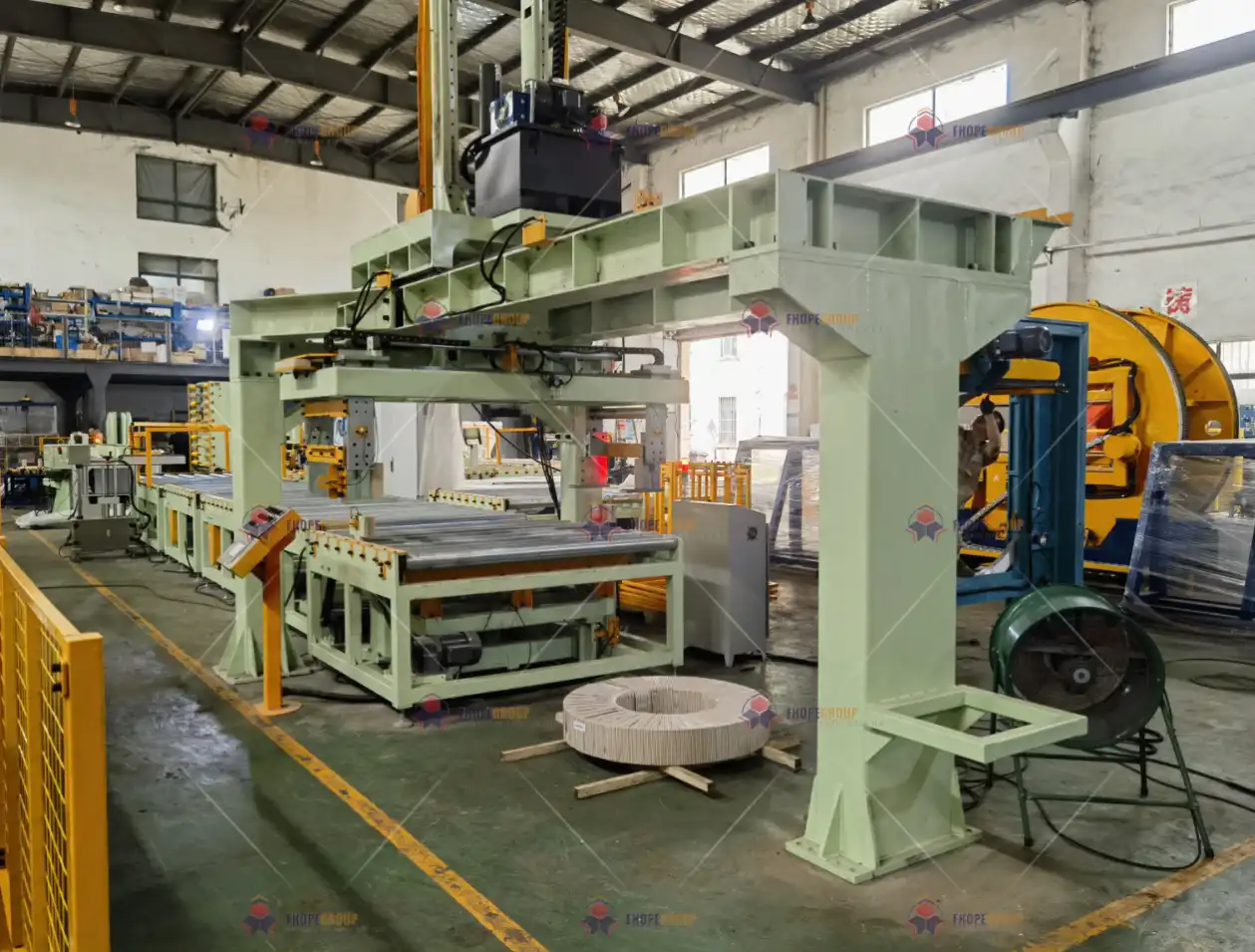

Unlocking Unprecedented Throughput and Speed
When I started my journey in the packing machine industry, I quickly learned one truth: speed matters. Manual packing processes, especially for heavy items like steel coils or wire bundles, are inherently slow. Workers need breaks. They get tired. Their speed varies. Automated systems do not have these limitations. They operate at a consistent, high speed, around the clock if needed. This means you can process more product in less time. This directly impacts your ability to meet customer demands and increase your overall output.
Think about the traditional method of wrapping a large coil. It often involves multiple people, manual banding, and complex movements. An automated orbital wrapper, for example, can complete this task in a fraction of the time. It applies stretch film tightly and evenly around the coil, protecting it from damage during transport and storage. This machine does not stop for lunch. It does not get distracted. It just keeps working efficiently.
We can integrate various types of machines into a complete system. This might include:
- Coil Conveying Systems: These systems move coils automatically from one station to the next. They remove the need for forklifts or overhead cranes in some parts of the packing line. This reduces traffic and improves safety.
- Automated Wrapping Machines: These machines apply protective layers, like stretch film or VCI paper. They do it much faster and more consistently than manual methods.
- Automated Strapping Machines: They secure the coils or bundles with steel or PET straps. This ensures stability during handling and shipping.
- Automatic Stacking and Palletizing: This feature arranges finished coils onto pallets or into storage areas. It optimizes space and prepares products for shipment.
The transition from a manual process to an automated one is not just about adding machines. It is about redesigning the workflow for maximum efficiency. It is about understanding where the slowdowns happen and using technology to remove them. I have seen factories struggle with simple manual transfers. By adding an automated transfer cart or a powered roller conveyor, the entire line picks up speed. This careful planning, based on real-world factory experience, is what truly eliminates bottlenecks. It turns slow spots into smooth, fast-moving sections.
| Manual Packing Process | Automated Packing System |
|---|---|
| Slow and inconsistent speed | High, consistent throughput |
| High labor dependency | Reduced labor needs |
| Risk of human error | Consistent quality and process |
| Limited operating hours | 24/7 operational capability |
| Higher per-unit cost | Lower per-unit cost |
Are Your Packing Operations Putting Workers at Risk and Hurting Your Bottom Line?
Is manual handling of heavy items a common part of your daily operations? Are your workers frequently lifting, turning, or securing very heavy coils or wire bundles by hand? This is not just inefficient; it is incredibly dangerous. High injury rates mean higher insurance costs and frequent employee turnover. It is a drain on your resources and your team’s morale.
Automated packing solutions significantly reduce the need for manual handling of heavy products. They create a much safer work environment. This protects your valuable employees and lowers your operational costs.
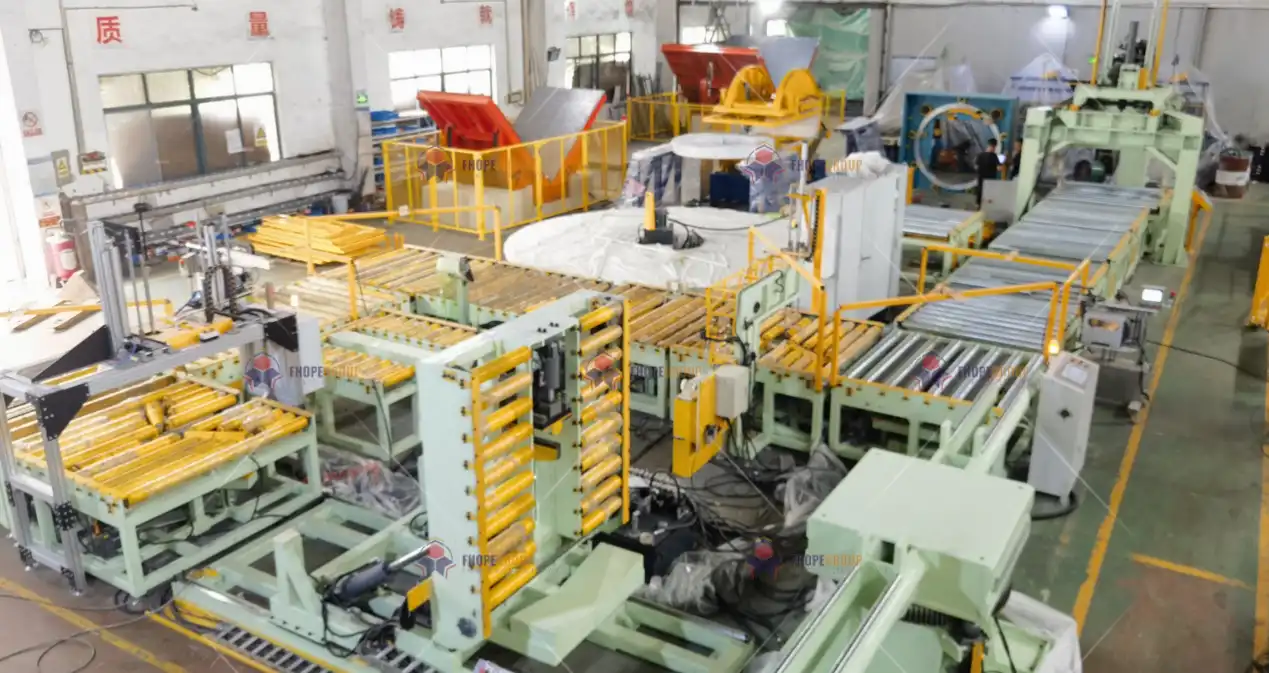

Prioritizing Worker Safety Through Automation
When I built my packing machine factory, worker safety was always a top priority. I saw firsthand the risks involved in manually handling heavy industrial materials. Lifting, rotating, or strapping a multi-ton steel coil is a recipe for disaster. Back injuries, crushed limbs, and falling objects are constant threats in a manual environment. These incidents are not just tragic for the individuals involved; they are extremely costly for the business. There are direct costs like medical bills and increased insurance premiums. Then there are indirect costs like lost productivity, investigation time, and the negative impact on team morale.
Automated systems are designed to perform these dangerous tasks without human intervention. For example, a heavy-duty coil tilter can safely rotate a coil from horizontal to vertical, or vice versa. Workers do not need to use crowbars or forklifts in risky ways. An automated strapping machine applies straps without a worker needing to get close to the moving parts or lift heavy strapping tools. This removes the worker from the “line of fire.” It makes the entire operation inherently safer.
Consider a typical scenario in a steel processing plant. A large steel coil comes off the slitting line. It weighs several tons. Manually moving and wrapping this coil requires several people, often using cranes or forklifts in a tight space. This creates multiple pinch points and crush hazards. With an automated system, the coil might be transferred directly onto a conveyor. This conveyor then moves it to an automatic wrapping station. A robotic arm or an integrated pusher might then move it to a strapping machine. Each step is controlled by a machine. This keeps human hands and bodies out of harm’s way.
The investment in automation for safety also brings a strong return on investment (ROI). Fewer workplace injuries mean fewer workers’ compensation claims. It means lower insurance premiums. It also leads to less absenteeism and higher employee retention. When workers feel safe, they are more productive and more loyal. This is a clear win-win situation. It shows that caring for your employees also makes good business sense.
| Safety Risk (Manual) | Automated Solution Benefit |
|---|---|
| Back and muscle strain | Machines handle heavy lifting |
| Crushing injuries | No human contact with heavy loads |
| Falls and slips | Controlled machine movements |
| Repetitive strain injury | Tasks performed by machinery |
| High insurance costs | Reduced claims, lower premiums |
| High employee turnover | Improved morale, better retention |
Is Product Damage Eating Away at Your Profits and Customer Trust?
Have you ever had a customer complain about damaged products? Things like dented steel coil edges or scratched surfaces during internal transport or packing? This kind of damage is not just an inconvenience. It directly leads to financial losses. It can also damage your reputation and make customers lose trust in your products.
An integrated packing system minimizes product damage. It ensures consistent handling and proper protection throughout the entire packing and transfer process. This protects your product and your profit margins.
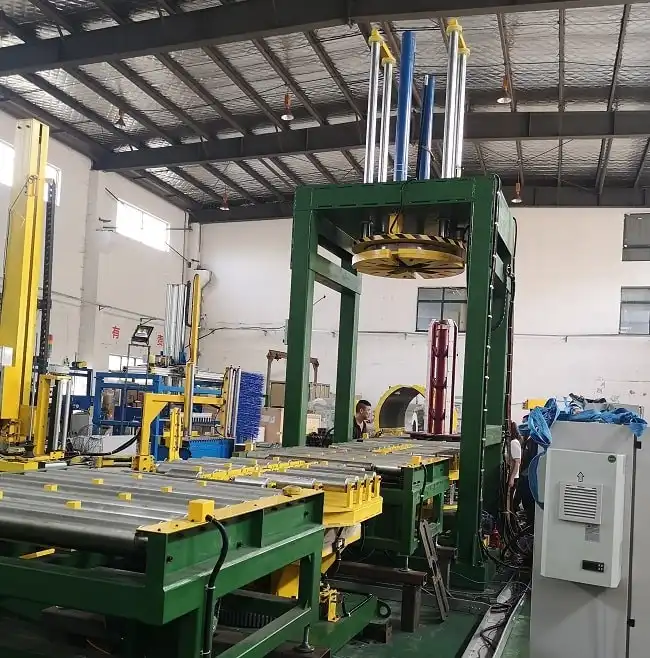

Safeguarding Your Products and Reputation
Product damage is a silent profit killer. I have seen many companies lose significant revenue because of issues that happen after production. A steel coil, for instance, might be perfectly manufactured, but if its edges get dented during internal transfer or if the wrapping is loose during shipping, it becomes a damaged product. This leads to rework, scrap, shipping delays, and, worst of all, unhappy customers. Customer complaints are not just about one lost sale. They can affect future orders and your brand’s reputation in the market.
Automated packing systems are designed with precision and consistency in mind. Unlike manual handling, where human error, fatigue, or rushing can lead to accidents, machines perform tasks uniformly every time. A well-designed system ensures that coils are moved gently and securely. There are no sudden drops or rough impacts. For example, conveyors with specialized cradles protect the coil’s shape and surface. Integrated wrapping machines apply film or paper with precise tension. This ensures full coverage and stability. This tight, consistent wrap prevents edges from catching on obstacles. It also protects surfaces from scratches or corrosion during storage and transit.
Consider the journey of a coil within your factory. From the production line, it might need to move to a cooling area, then to the packing station, and finally to storage or shipping. Each transfer point is a potential area for damage. An integrated system uses specific equipment at each stage. For instance, a coil upender or downender can gently change the coil’s orientation without any manual struggle. An automated strapping machine ensures that the coil is securely bundled, preventing it from unraveling or shifting during transport.
I remember one client who was constantly dealing with complaints about coil edge damage. Their workers were manually moving coils with forklifts. They often bumped into things or dropped coils slightly. We implemented a system with powered roller conveyors and an automated centering device before wrapping. This removed all manual handling at critical points. The result was a dramatic drop in damage claims. Their customers were happier, and their internal scrap rate for packing defects went to almost zero. This proved that prevention through automation is far more cost-effective than dealing with damage after it happens.
| Source of Product Damage (Manual) | Automated Solution for Protection |
|---|---|
| Rough manual handling | Gentle, controlled machine transfers |
| Inconsistent wrapping | Precise, uniform machine application |
| Exposure during storage/transit | Secure, protective wrapping and strapping |
| Human error/fatigue | Consistent, repetitive machine performance |
| Unstable stacking | Automated, optimized stacking for stability |
How Do You Choose a Partner Who Truly Understands Your Factory’s Needs?
Have you worked with equipment suppliers who only care about making a sale? Do they disappear once the machine is shipped, leaving you with poor after-sales support? This kind of experience makes factory managers very careful when looking for new partners. You need someone who understands your unique challenges, not just someone selling a product.
Finding the right partner is crucial. You need an expert who knows the packing industry inside and out. They should be able to offer real solutions and support, not just equipment.
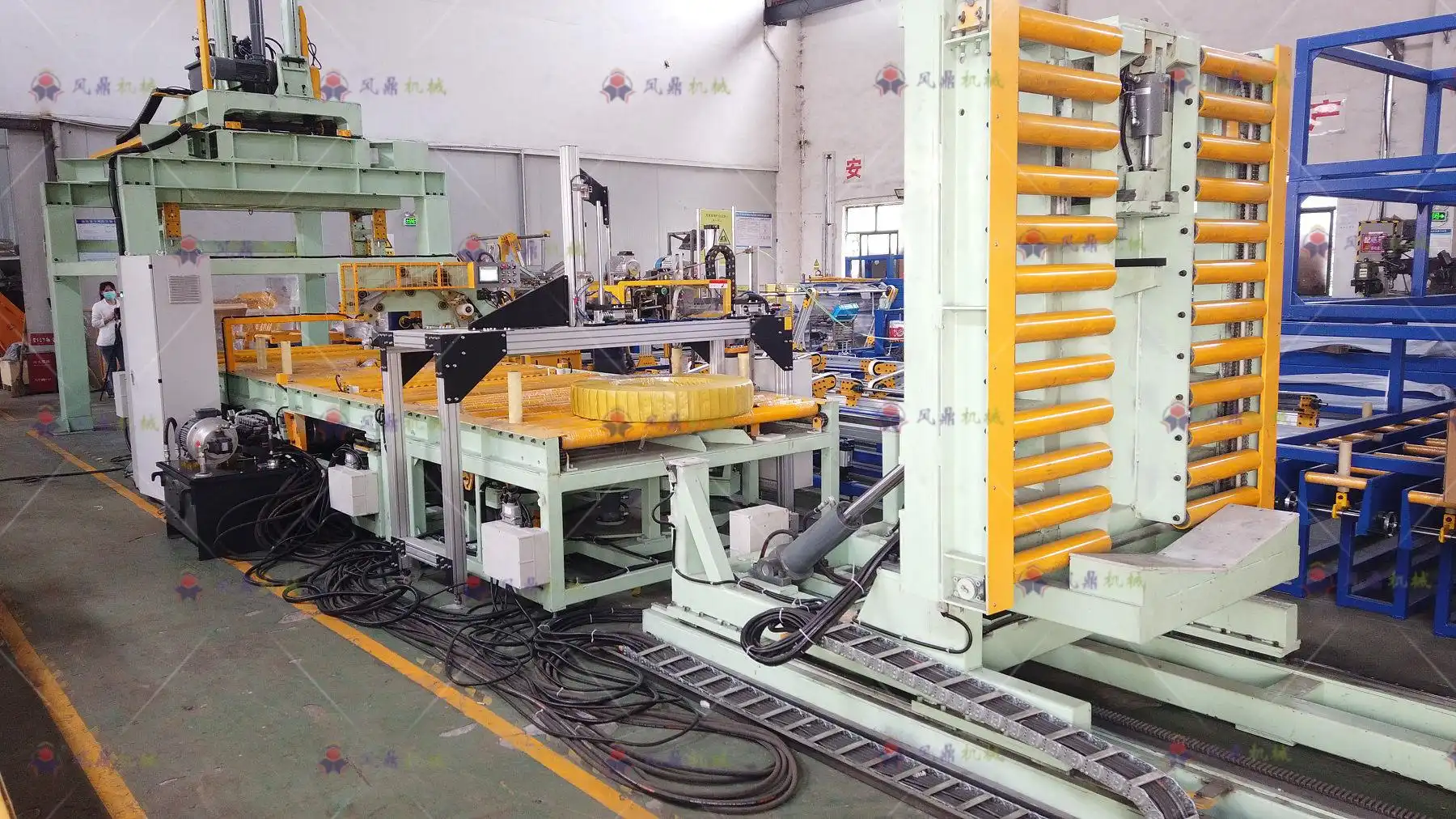

Building Trust with an Experienced Industry Expert
The packing machine industry, like any specialized field, has its share of providers. Some are excellent, some are less so. My journey, starting as an employee on the factory floor and then building my own successful packing machine factory, gave me a unique perspective. I did not just read about packing problems in books. I lived them. I faced the same production bottlenecks, safety concerns, and cost pressures that you do every single day. This hands-on experience taught me that simply selling a machine is never enough. You need to understand the client’s entire operation. You need to become a true partner.
When I work with clients, I do not just look at their current packing station. I ask about their upstream processes. I want to know about their production schedule, their material types, and their ultimate storage and shipping goals. I ask about their safety records. I ask about their customer feedback. This deep dive helps me identify the root causes of their challenges. It helps me propose solutions that are not just about a single machine but about optimizing the entire end-of-line system.
A true partner offers more than just equipment. They offer insights. They offer support. They stand by their products long after the sale is made. This means having a robust after-sales service. It means quick response times for technical issues. It means providing spare parts and offering training for your team. This commitment ensures that your investment continues to deliver value for years to come. It means less downtime. It means consistent performance.
I recall a situation where a client had purchased a wrapping machine from another vendor. It was a good machine, but it often stopped due to issues with the material feeding. The vendor offered little help. When they came to FHOPEPACK, we did not just try to sell them a new machine. We looked at their entire material handling process. We found that the material was not properly prepared before it reached the wrapper. We recommended a simple, integrated pre-processing unit. This solved their problem completely. It was not about selling them more big machines. It was about understanding their real problem and finding the right solution. That is the kind of partnership I believe in. That is the kind of service FHOPEPACK aims to provide.
| What to Avoid in a Supplier | What to Look for in a Partner |
|---|---|
| Sales-focused, lacking insight | Deep industry knowledge and practical experience |
| Poor or absent after-sales support | Robust, responsive service and support |
| Generic, one-size-fits-all solutions | Customized solutions based on specific needs |
| No understanding of your pressures | Empathy for operational challenges |
| Only selling equipment | Offering comprehensive solutions and guidance |
Conclusion
Investing in a fully integrated coil packing and storage system addresses key factory challenges. It boosts efficiency, enhances safety, prevents product damage, and ensures long-term profitability. Partnering with experienced experts like us makes all the difference.












