

Best Practices for Using Coil Lifting Devices Safely
Handling heavy metal coils poses significant risks – from crushed limbs to damaged product. Are you confident your team is using lifting devices safely? Failing to adopt best practices can lead to costly accidents, injuries, and production downtime. Implementing proven strategies for using coil lifting equipment is essential for protecting your workforce and your bottom line.

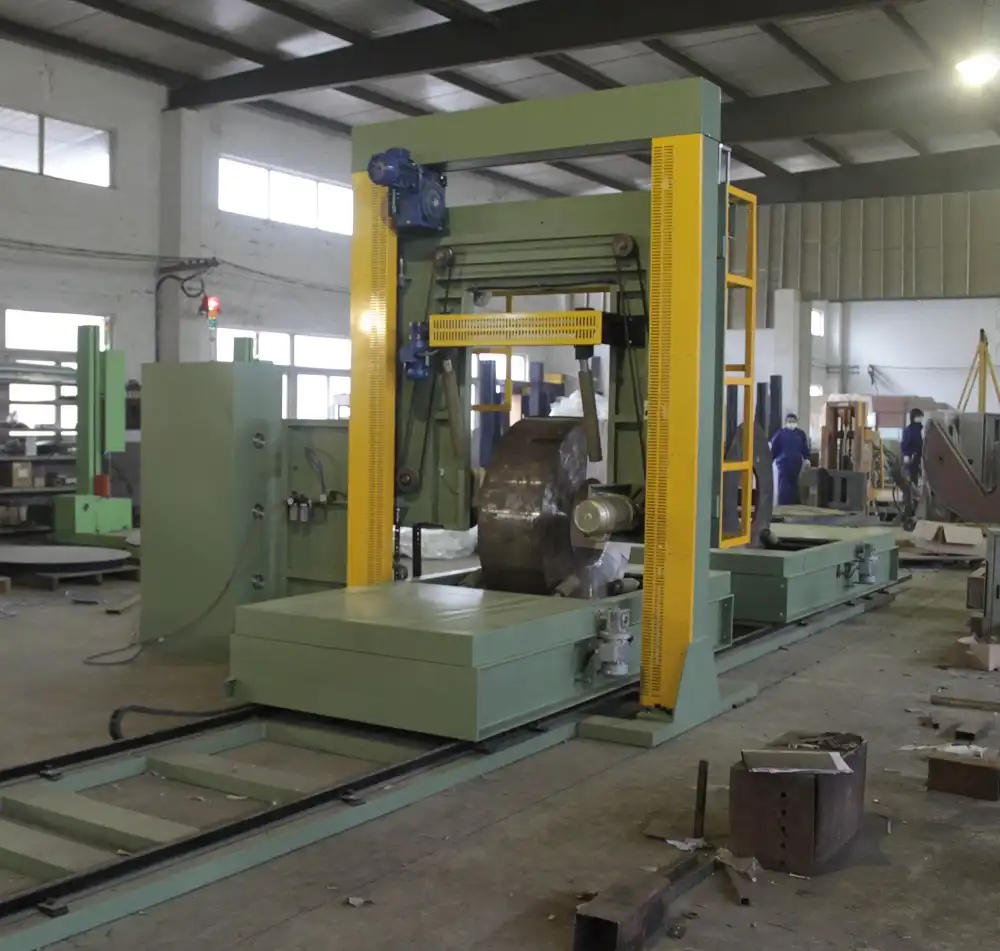
Safely using coil lifting devices hinges on proper equipment selection, comprehensive operator training, diligent routine maintenance, accurate assessment of load weight and balance, and strict adherence to established safe operating procedures to prevent accidents and protect personnel and materials.
Handling steel coils is an integral but potentially hazardous part of metal manufacturing and fabrication. Ensuring the safety of everyone involved while protecting valuable product requires more than just having the right tools; it demands a deep understanding and consistent application of best practices when operating coil lifting devices. Let’s explore how you can elevate safety and efficiency in your coil handling operations.
Understanding the Risks of Coil Lifting Devices
Moving heavy metal coils with mechanical lifting devices introduces specific dangers that must be proactively managed. The sheer mass and often awkward shape of coils mean mistakes can have catastrophic consequences. Ignoring potential hazards is the fastest way to an accident.
Safely using coil lifting devices requires a profound awareness of the risks associated with handling heavy, dense loads, including tip-overs from improper weight distribution, mechanical failure due to overloading or inadequate maintenance, and crush hazards from uncontrolled movement or falling coils. Best practices involve rigorous risk assessment before each lift, confirming the load’s weight and center of gravity, ensuring lifting devices are rated for the task, maintaining clear communication channels, and establishing exclusion zones around the lift area.

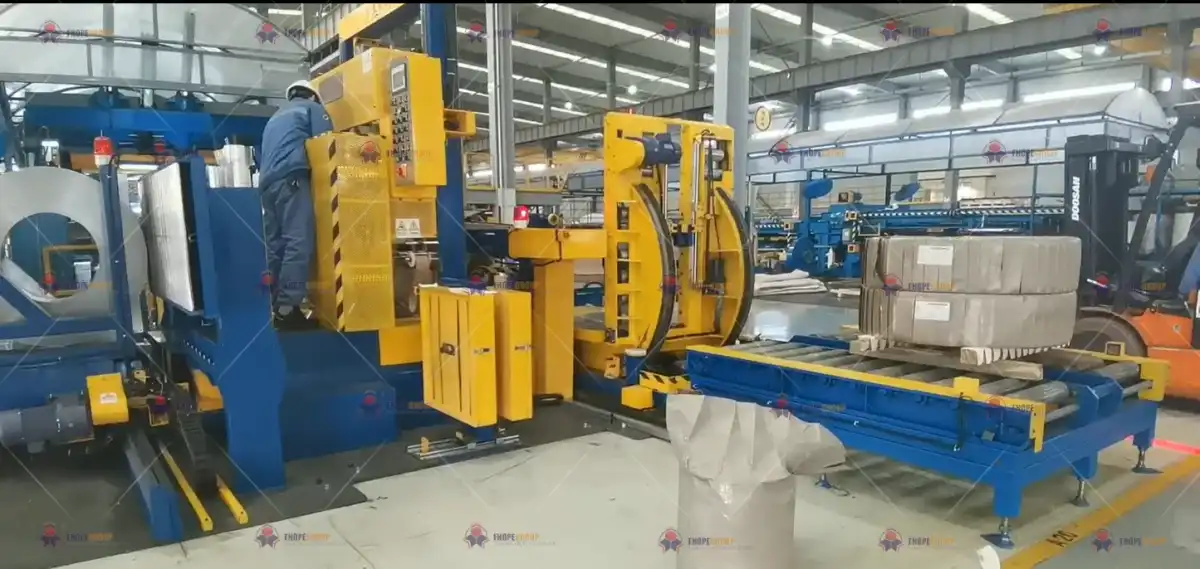
The inherent risks in using coil lifting devices stem from several factors, predominantly related to the interaction between heavy loads, mechanical systems, and human operators. Overloading a crane or forklift is a primary concern, leading to structural failure or loss of control. Using attachments not designed or rated for coils (like standard forks on some coils) can cause instability or damage the coil eye, leading to load slippage. The dynamic nature of moving suspended loads means momentum can quickly get out of hand, causing swings that strike personnel or equipment. Poor visibility, often exacerbated by the size of coils or the lifting device itself, increases the risk of collisions. Furthermore, neglecting regular maintenance means critical components of lifting devices could fail unexpectedly under load. Even seemingly minor issues, like worn slings or a malfunctioning limit switch, can escalate into serious incidents. A comprehensive safety strategy must address these specific points of failure and risk.
Common Lifting Device Hazards
Working with powerful machinery and heavy materials presents a unique set of challenges. Identifying these challenges is the first step in mitigating them.
Why Load Calculation is Critical
Miscalculating load weight or distribution is a leading cause of lifting accidents. Understanding the coil’s exact weight and how the lifting device interacts with its center of gravity is non-negotiable. Nelson Miller from Star 1 Products highlights using equipment overrated for the weight, never underrated, emphasizing that coils up to 10,000 pounds (approx. 4.5 tonnes) can be fatal if dropped. Always consult the manufacturer’s load charts for both the lifting device and the attachment being used.
| Hazard | Description | Mitigation Strategy |
|---|---|---|
| Overloading | Exceeding the rated capacity of the lifting device or attachment. | Verify coil weight; Consult and adhere to load charts; Use overrated equipment. |
| Load Instability | Coil shifting, swinging, or tipping during the lift. | Ensure proper attachment seating; Maintain low lift height; Control movement speed; Use guide ropes/taglines. |
| Equipment Failure | Mechanical breakdown of the crane, forklift, or attachment under load. | Implement rigorous preventive maintenance; Conduct pre-use inspections; Use equipment certified for the task. |
| Pinch/Crush Points | Body parts getting caught between the coil, equipment, or other structures. | Establish clear exclusion zones; Maintain safe distance; Use spotters/communication; Never place hands on coil/attachment during lift. |
| Reduced Visibility | Obstructions blocking operator’s view of the path, load, or personnel. | Use spotters; Ensure clear path; Utilize cameras/mirrors; Maintain eye contact with ground personnel. |
| Improper Rigging | Incorrectly attaching slings, hooks, or clamps to the coil. | Use attachments designed for coils; Ensure secure connection; Verify attachment is correctly seated in coil eye. |
This table outlines just some of the key dangers. Addressing each point with specific procedures and training is vital for any operation involving coil lifting.
Selecting and Maintaining the Right Equipment
The foundation of safe coil lifting lies in utilizing equipment specifically designed for the task and ensuring it remains in optimal working condition. Attempting to move heavy coils with inadequate or faulty devices is an invitation to disaster.
Choosing the correct coil lifting device, such as forklifts with rated attachments, specialized coil cranes, or automated systems, is fundamental for safety. Ensure devices are specifically designed for coil handling, verified for the coil’s weight and dimensions, and undergo rigorous, documented maintenance and inspection schedules to prevent mechanical failure during operations.

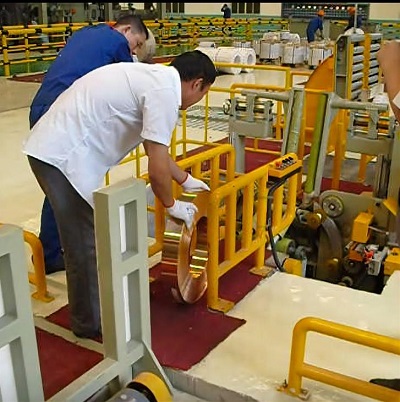
Choosing the appropriate coil handling equipment is not a one-size-fits-all decision. It depends heavily on the type, size, and weight of the coils you handle, the layout and capacity of your facility, and your operational volume. Standard forklifts, while versatile, require specialized coil handling attachments like coil rams, C-hooks, or coil clamps to safely manage coils. A coil ram is effective for eye-to-sky lifting but requires a stable coil. C-hooks are versatile for both eye-to-sky and eye-to-side but need careful balance. Clamps grip the outer diameter, minimizing bore damage but requiring precise size adjustment. Overhead cranes (gantry or bridge) with specialized hooks or grabs are often preferred for very heavy coils or high-volume operations, offering precise vertical control and covering large areas. Automated systems, incorporating AGVs or robotics, represent the cutting edge, reducing human exposure to risk in high-traffic or hazardous areas. Regardless of the equipment type, its rated capacity must always exceed the maximum weight of the coils being lifted.
Importance of Regular Inspection and Maintenance
Even the most robust lifting device will eventually fail without consistent care. A proactive maintenance schedule is not just about efficiency; it’s a critical safety measure. Regular inspections help identify wear and tear, damaged components, or calibration issues before they lead to an accident. This includes daily pre-use checks by the operator (visual inspection, controls test), scheduled preventive maintenance by qualified technicians (lubrication, component checks, load testing), and immediate repair of any reported defects. Documentation of all inspections, maintenance, and repairs is essential for tracking equipment health and compliance. Investing in maintenance prevents unexpected breakdowns under load, safeguarding both personnel and product. Paul Zimmerman from Hixwood emphasizes the need for ongoing refresher training alongside initial certification, a principle that applies equally to equipment maintenance awareness for operators. They should be trained to identify and report potential equipment issues promptly. Furthermore, ensuring lifting attachments (hooks, slings, chains) are also regularly inspected for damage, deformation, or wear is paramount, as these are the direct interface with the load.
Mastering Safe Lifting Techniques and Procedures
Possessing the right lifting device is only half the battle. Accidents often occur not because of equipment failure, but due to human error in its operation. Are your operators trained in the nuances of lifting heavy, unbalanced coils? Improper technique can turn a routine lift into a dangerous incident, damaging valuable product or causing severe injury. Implementing and enforcing correct lifting techniques is paramount.
Executing safe lifting techniques is paramount when using coil lifting devices. This includes ensuring the lifting attachment is correctly seated in the coil eye or secured around the coil circumference, lifting loads slowly and smoothly, maintaining a low center of gravity, avoiding sudden stops or turns, and always moving loads with clear visibility and communication with spotters.

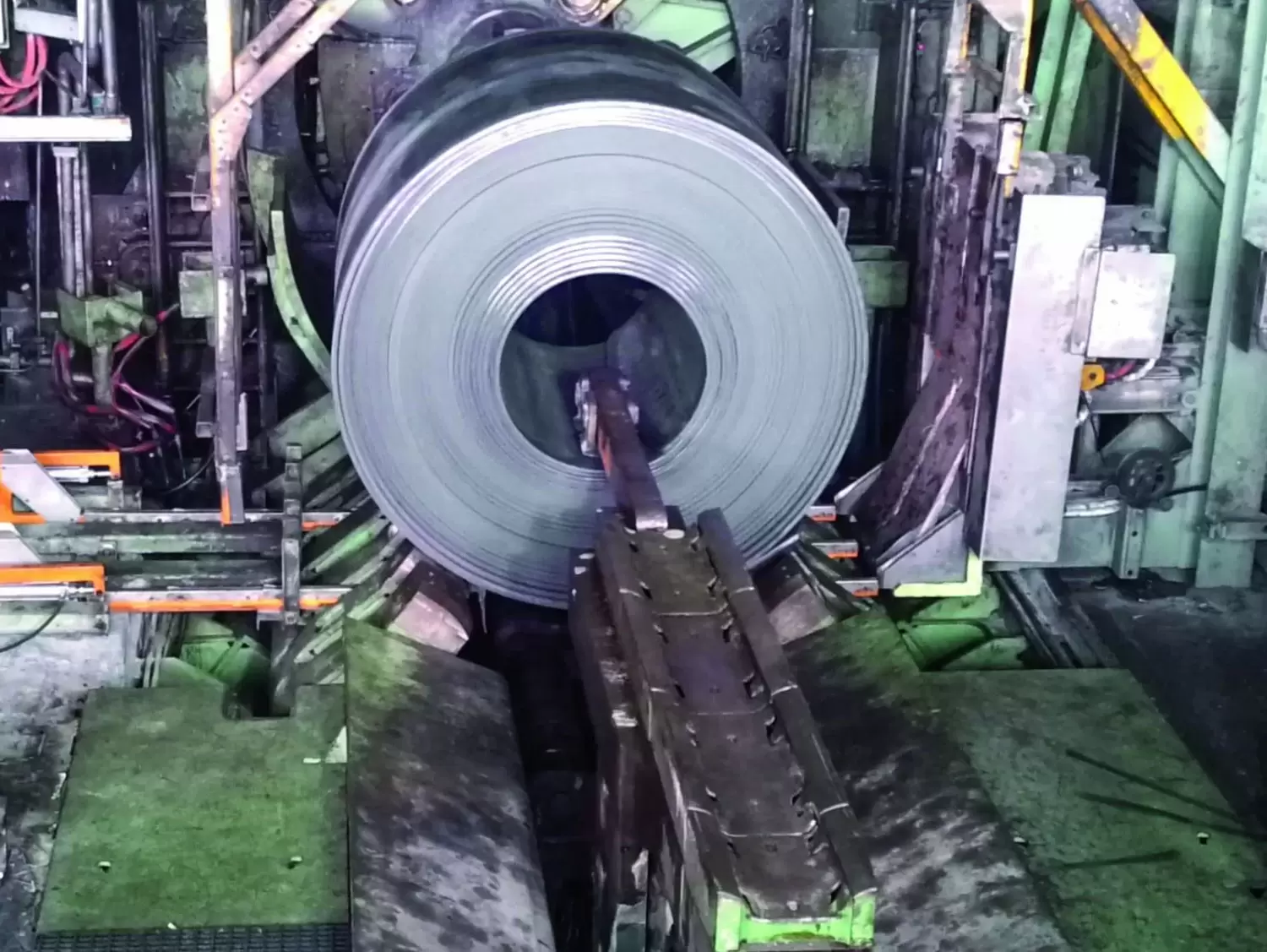
Safe coil lifting is a practiced skill built upon foundational principles and adherence to strict procedures. Before any lift, a pre-lift assessment is crucial. This involves verifying the coil’s weight and dimensions, confirming the lifting device and attachment are appropriate and within capacity, clearing the path of travel, establishing communication signals with spotters if necessary, and ensuring the landing zone is clear and prepared. The method of rigging depends heavily on the coil’s orientation and the attachment used. For eye-to-sky lifts using a ram or C-hook, ensure the attachment is fully seated in the bore. For eye-to-side lifts, C-hooks require careful balancing, and clamps need precise adjustment to grip securely without damaging the coil. Once the attachment is secure, the lift should begin slowly, smoothly raising the coil just enough to clear obstacles. Maintain a low center of gravity during transit and avoid sudden acceleration, deceleration, or changes in direction, which can induce dangerous load swing. Always use taglines to control load rotation if needed. Communication between the operator and any ground personnel (spotters) is non-negotiable, using agreed-upon hand signals or radio communication to guide movements, especially in areas with limited visibility.
Pre-Lift Planning and Assessment
Every lift starts before the hook even touches the coil. A thorough assessment of the load, the environment, and the equipment is essential.
Proper Rigging and Attachment Use
The method of connecting the lifting device to the coil directly impacts the safety and stability of the lift. Using the wrong attachment or rigging it incorrectly is a recipe for disaster.
Controlling the Lift and Movement
Once the coil is off the ground, managing its movement is key to preventing collisions or drops. Smooth, controlled motions are always safer than abrupt ones.
| Technique Aspect | Best Practice | Safety Implication |
|---|---|---|
| Load Assessment | Verify exact weight, dimensions, and center of gravity. | Prevents overloading, ensures stability. |
| Attachment Selection | Choose device/attachment specifically designed and rated for the coil type & weight. | Ensures secure grip, prevents damage, maintains stability. |
| Rigging Method | Follow established procedures for seating/securing attachment (e.g., ram in bore). | Prevents load slippage or detachment. |
| Initial Lift | Lift slowly and smoothly, just enough to clear floor/storage. | Avoids sudden shocks, allows check for balance/security. |
| Transit | Keep load as low as possible; avoid sudden stops/turns; use taglines if needed. | Reduces load swing, improves stability, enhances control. |
| Placement | Lower coil slowly and precisely into designated, prepared spot. | Prevents damage to coil or storage structure, avoids crush hazards during landing. |
| Visibility/Guidance | Ensure clear line of sight; use spotters/communication in blind spots. | Prevents collisions with personnel, equipment, or structures. |
| Edge Protection | Utilize protective materials (like Pulse Plastics coilshield®) if gripping edges. | Prevents damage to the coil edge and the lifting attachment/sling. |
These techniques, combined with vigilant application, significantly reduce the risks associated with moving heavy coils using mechanical means.
The Role of Training and Technology in Safe Lifting
Human skill and innovative technology are powerful allies in the pursuit of safer coil handling. Relying solely on equipment or untrained personnel is insufficient.

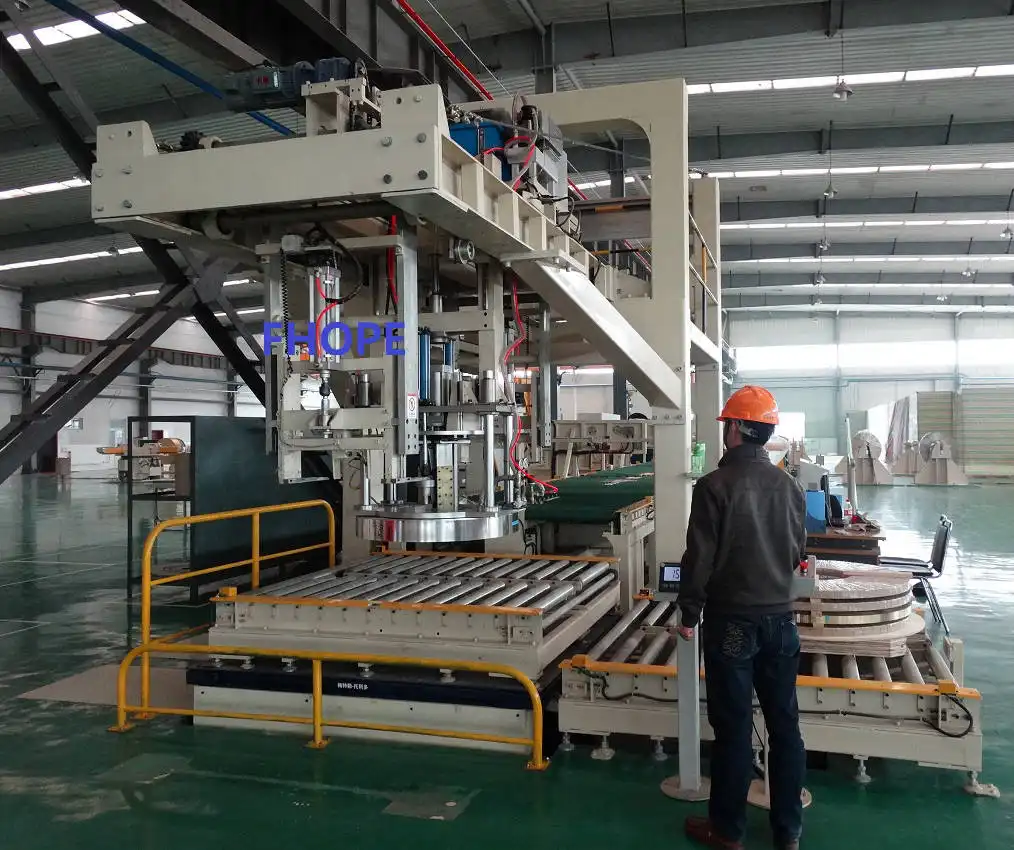
Effective training for operators using coil lifting devices is non-negotiable, covering equipment operation, safe lifting procedures, load securing, and emergency protocols. Integrating technology, such as automated systems with vision and safety features, can further enhance safety by reducing human intervention in high-risk areas and ensuring precise, repeatable movements. Comprehensive training programs should include theoretical knowledge (load dynamics, equipment limitations, safety regulations) and practical, hands-on experience under supervision. Regular refresher training is vital, as familiarity can breed complacency, as noted by Paul Zimmerman. Certification programs ensure operators meet minimum competency standards. Technology plays an increasingly significant role. Automated coil handling systems, like those managed by advanced Warehouse Management Systems (WMS) designed for coil storage, can reduce the number of manual lifts and ensure consistent, programmed movements, minimizing human error. These systems often incorporate sensors, machine vision, and safety interlocks to detect obstacles or improper load conditions. Features like anti-sway control on cranes or integrated weight scales on forklifts add layers of safety. While initial investment and maintenance for automated systems can be high, the long-term benefits in reduced accidents, lower labor costs in hazardous areas, and increased efficiency are substantial. Integrating training with the specific technology being used is crucial to maximize safety benefits.
Conclusion
Mastering the safe use of coil lifting devices is not merely a compliance issue; it’s a strategic imperative for any business handling heavy metal coils. By prioritizing rigorous operator training, implementing diligent equipment maintenance schedules, selecting devices appropriate for specific coil types and weights, and enforcing strict, well-documented lifting procedures, companies can drastically reduce the risk of accidents and injuries. Integrating modern technology and automated solutions further enhances safety and efficiency. Ultimately, a strong safety culture, where continuous learning and proactive hazard identification are encouraged, is the best practice. This commitment protects employees, preserves valuable steel coils, and ensures smooth, productive operations, allowing everyone to go home safely at the end of their shift.












