
Benefits of Using VCI Paper for Steel Coil Corrosion Prevention
Rust on steel coils isn’t just unsightly; it’s a costly problem leading to rework, delays, and dissatisfied customers. Steel coils represent a significant investment, and protecting them during storage and transport is paramount. Fortunately, effective solutions exist to combat this pervasive issue.

Using VCI paper for steel coil corrosion prevention offers numerous benefits, including exceptional ease of use, clean “dry” protection, environmental friendliness, cost-effectiveness, and comprehensive vapor-phase protection. This specialized packaging material releases invisible molecules that create a protective atmosphere around the coil, effectively preventing rust formation on all surfaces during transit and storage.
Choosing the right corrosion prevention method for valuable steel coils is crucial for maintaining product integrity and profitability. As we delve deeper, explore how VCI paper addresses the challenges of steel coil rust and provides a superior solution compared to traditional methods.
The Science Behind VCI Paper Protection
Corrosion presents a significant challenge in the steel coil industry, causing damage, decreasing productivity, and impacting profitability. While traditional rust preventatives like coatings have been used, they often come with application challenges and environmental concerns. A more advanced solution leveraging chemical science is gaining traction.
VCI (Vapor Corrosion Inhibitor) paper prevents rust on steel coils by releasing specialized chemicals into the packaging enclosure. These volatile inhibitors vaporize and travel throughout the package, adhering to the metal surfaces of the steel coil. This forms a thin, invisible molecular layer that blocks moisture, oxygen, and other corrosive elements from reacting with the steel and initiating the electrochemical process of rust formation. This unique vapor action protects even hard-to-reach areas.

How VCI Paper Creates an Invisible Shield
Understanding the technical mechanism of VCI paper reveals its effectiveness. Unlike barrier-only methods, VCI actively inhibits corrosion through a multi-step process:
- VCI Release: The paper is impregnated with solid or liquid VCI compounds that have a sufficient vapor pressure to slowly release molecules into the surrounding air within the package.
- Vapor Transport: These released VCI molecules disperse as a gas, filling the enclosed space around the steel coil. They travel to all surfaces, penetrating into crevices and hard-to-reach areas that are inaccessible to liquid coatings.
- Molecular Layer Formation: Due to their polarity, the VCI molecules are attracted to the metal surfaces of the steel. They adsorb onto the steel, forming a microscopic protective layer, often just a few molecules thick.
- Corrosion Inhibition: This molecular layer passivates the metal surface. It acts as a barrier at the atomic level, preventing electrolytes (like water or moisture) and oxygen from contacting the steel and fueling the electrochemical corrosion reaction. It can also interrupt the electron flow required for the corrosion cell to form.
- Self-Replenishing Protection: As VCI molecules are consumed or dissipate, more are continuously released from the paper, maintaining the protective atmosphere as long as the enclosure is reasonably sealed and the VCI source is present.
This dry, invisible protection eliminates the need for messy oils or greases and ensures comprehensive coverage. Upon opening the package, the VCI molecules dissipate from the metal surface, leaving the steel coil clean and ready for immediate use.
The ability of VCI paper to deliver protection via the vapor phase offers distinct advantages over traditional methods that rely solely on a physical barrier or direct contact:
| Feature | VCI Paper | Traditional R.P. Oils/Coatings |
|---|---|---|
| Application Method | Simple wrapping, interleaving, lining | Spraying, dipping, brushing, labor-intensive |
| Coverage | Vapor reaches all surfaces, including voids | Requires direct, 100% contact |
| Residue Left on Metal | None (dissipates upon opening) | Messy, requires cleaning/degreasing |
| Environmental Impact | Often recyclable, biodegradable, non-toxic | Can contain VOCs, disposal challenges |
| Handling | Clean, dry | Oily, potential slip/fire hazards |
| Part Readiness | Ready for immediate use | Requires post-cleaning |
| Protection Mechanism | Vapor-phase inhibition & barrier formation | Primarily physical barrier |
| Protection in Voids | Excellent | Limited, relies on penetration |
This scientific approach ensures that steel coils are actively protected from the root causes of corrosion during their journey and storage.
Key Advantages Over Traditional Methods
Corrosion is a persistent foe in the steel industry, often addressed with labor-intensive and environmentally challenging methods like applying rust-preventative oils and greases. These traditional approaches come with inherent drawbacks that impact efficiency, cost, and safety.
Using VCI paper for steel coil corrosion prevention provides significant advantages over traditional methods, including unparalleled ease of use, clean and dry protection, environmental responsibility, cost-effectiveness, and the ability to protect intricate parts in enclosed spaces. These benefits streamline processes and enhance the value proposition for steel coil manufacturers and users.
Why VCI Paper is the Preferred Choice
The shift towards VCI paper is driven by a compelling set of advantages that directly address the limitations and costs associated with conventional rust prevention methods:
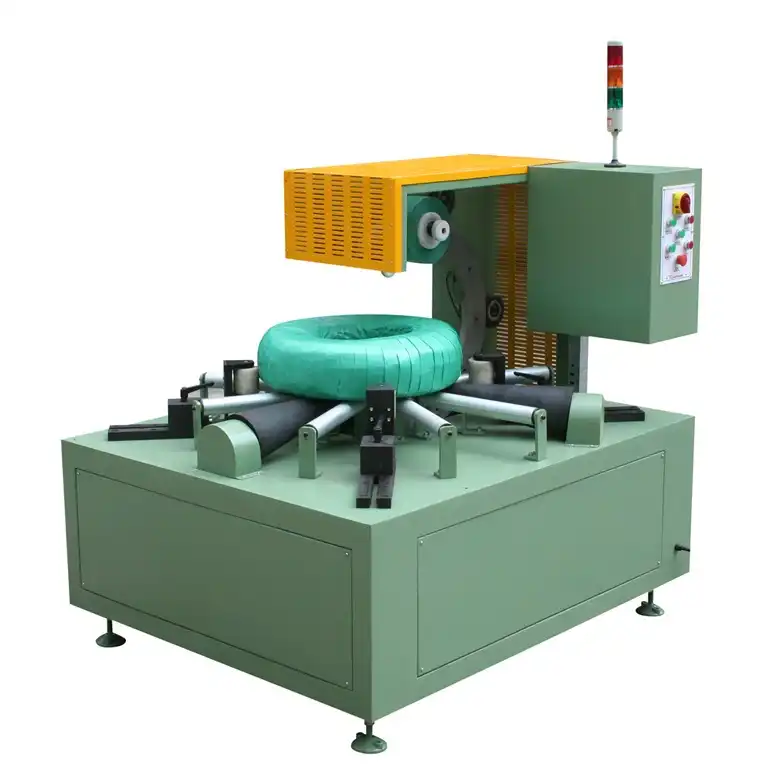
- Ease of Use: VCI paper is remarkably simple to apply. It requires no specialized equipment, heating, or drying times. Steel coils are simply wrapped, interleaved, or have VCI paper placed within their core or packaging. This dramatically reduces the labor and complexity compared to dipping, spraying, or brushing oils onto large, heavy coils. The simplicity integrates seamlessly into packaging lines, enhancing industrial solutions.
- Clean and Dry Protection: One of the most significant benefits is that VCI paper provides “dry” protection. Unlike oils and greases, it leaves no residue on the steel surface. Coils arrive at their destination clean, dry, and ready for immediate processing or use without any need for messy and costly degreasing or cleaning steps. This saves time and resources for both the supplier and the customer.
- Environmentally Friendly: Many VCI papers are manufactured from recycled kraft paper and are recyclable and repulpable themselves. Reputable VCI formulations are often non-toxic, free from heavy metals, nitrites, and other harmful substances found in some traditional rust preventatives. This aligns with growing environmental regulations and corporate sustainability goals, reducing VOC emissions and simplifying waste disposal.
- Cost-Effective: While the per-unit cost might seem comparable to some oils, the long-term savings with VCI paper are substantial. Reduced labor for application and post-cleaning, minimized material waste from rust damage, lower disposal costs for hazardous oil waste, and fewer customer returns/rework due to corrosion contribute to a lower total cost of ownership. By effectively preventing rust, VCI paper protects the value of the steel coils throughout the supply chain.
- Comprehensive Protection in Enclosed Spaces: The vapor-phase action of VCI ensures that the corrosion inhibitors reach all surfaces within an enclosed package, including the inner wraps of a coil, irregular shapes, or hard-to-access areas that traditional coatings might miss or struggle to cover completely. This provides more reliable protection, especially for complex parts or tightly wrapped coils.
These advantages highlight VCI paper as a more modern, efficient, and responsible approach to steel coil corrosion prevention in demanding industrial environments.
Choosing the Right VCI Paper and Application
Not all steel coils are the same, nor are the environments they traverse. Standard VCI paper provides excellent core protection, but factors like metal composition, humidity levels, storage duration, and handling stresses necessitate a more tailored approach to maximize effectiveness.
Selecting the appropriate VCI paper type and implementing correct application techniques are crucial for achieving optimal steel coil corrosion prevention. Factors such as the metal type (ferrous, non-ferrous, multi-metal), environmental conditions, and the need for physical barriers or reinforcement influence the choice, while proper wrapping, sealing, and quantity ensure the VCI works effectively.
Tailoring VCI Solutions for Specific Coil Needs
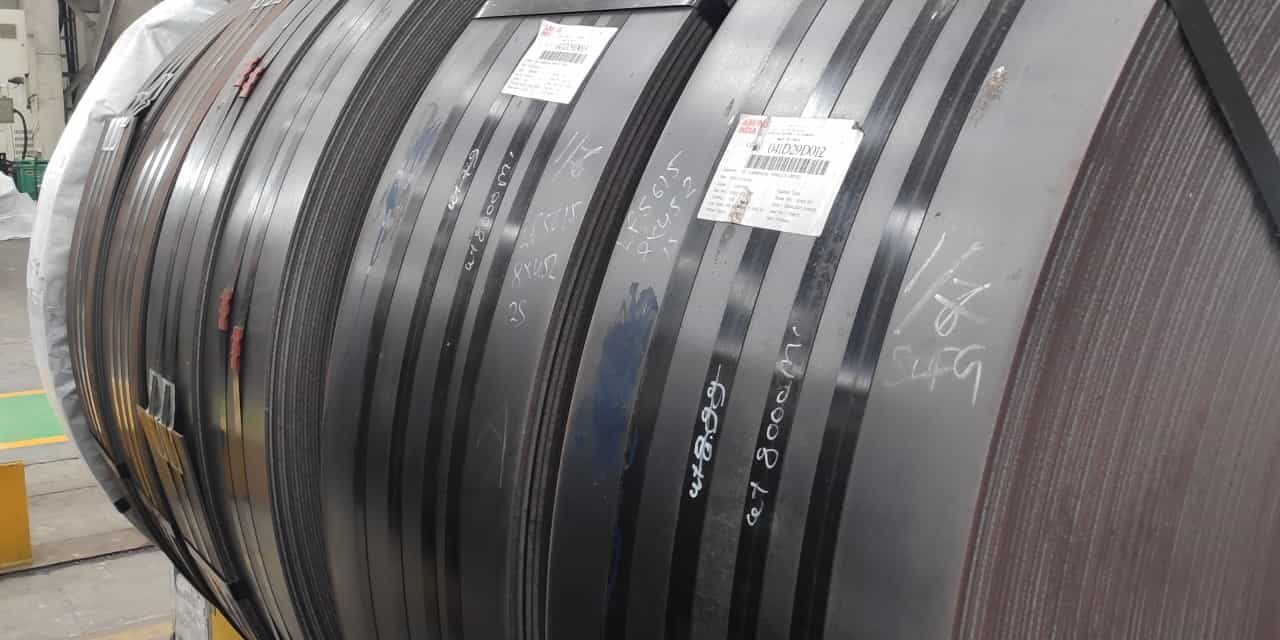
Matching the VCI paper to the specific requirements of the steel coil and its journey is vital. Different formulations and paper constructions offer varied benefits:
-
VCI Paper Types:
- Ferrous VCI Paper: Specifically formulated to protect iron-based metals like carbon steel from rust. Ideal for standard steel coils.
- Non-Ferrous VCI Paper: Contains inhibitors designed for metals like aluminum, copper, brass, preventing tarnish and corrosion without harming these sensitive materials.
- Multi-Metal VCI Paper: Offers broad-spectrum protection for packages containing a mix of ferrous and non-ferrous metals, or when the exact composition isn’t known.
- Coated VCI Paper (Wax or Polyethylene): Adds a physical barrier layer. Wax coating provides water repellency and conformability. Poly-coated paper offers superior moisture, grease, and tear resistance, essential for high humidity or oily coils.
- Reinforced VCI Paper: Incorporates a scrim or mesh layer for enhanced tear and puncture resistance, suitable for heavy, irregularly shaped, or abrasive coils that stress the packaging.
-
Application Techniques for Steel Coils: Proper application ensures the VCI vapors can effectively saturate the enclosure and protect the metal.
- Wrapping: Enclosing the entire coil tightly with VCI paper is fundamental. Overlapping edges and sealing with VCI tape creates a confined space for vapor concentration.
- Interleaving: Placing sheets of VCI paper between stacked coils or layers provides individual protection and prevents contact corrosion.
- Inserts/Emitters: For large coils with hollow cores or significant void spaces in packaging, placing VCI paper inserts or emitters inside helps ensure vapor reaches these areas.
- Lining: Lining crates or boxes with VCI paper (especially poly-coated or reinforced types) creates a protective VCI environment around the coils, acting as a barrier against corrosive packaging materials like wood.
- Quantity: Using sufficient VCI paper is key. A common guideline is to use at least 1 sq ft of VCI paper for every 1-3 sq ft of metal surface area or per cubic foot of void space. Under-applying reduces the effective VCI concentration.
- Handling: Always handle clean steel coils with clean gloves (e.g., cotton) before packaging to avoid transferring corrosive contaminants like fingerprints.
- Cleanliness and Dryness: Ensure coils are clean and thoroughly dry before packaging. Trapped moisture or contaminants can hinder VCI performance.
Selecting the right VCI paper and adhering to best practices in application significantly enhances protection reliability.
| VCI Paper Type | Target Metals | Key Benefit | Ideal Use Case |
|---|---|---|---|
| Ferrous | Carbon Steel, Iron | Cost-effective rust prevention | Standard steel coils, domestic transit |
| Multi-Metal | Ferrous & Non-Ferrous | Versatile broad protection | Mixed metal shipments, uncertain composition |
| Poly-Coated | Ferrous, potentially Multi-Metal | Superior moisture barrier, tear resistance | Overseas shipping, high humidity, oily coils |
| Reinforced (Scrim) | All metal types (depending on VCI coating) | High tear/puncture resistance | Heavy, sharp, or irregular coils, crate lining |
| Military-Grade (MIL-PRF) | Specified Metals (often Ferrous) | Certified performance to stringent standards | Government contracts, demanding applications |
By carefully assessing the coil type, transit conditions, and handling needs, manufacturers can select and apply VCI paper for robust, tailored corrosion prevention.
The Impact of VCI Paper on Steel Coil Logistics and Sustainability
Beyond the immediate benefit of preventing rust on individual coils, VCI paper has a significant impact on the entire steel coil logistics chain and contributes to broader sustainability goals. Its ease of integration and clean application streamline processes from the end of the production line through to the customer’s facility.
Using VCI paper for steel coil corrosion prevention is a highly effective and efficient method that streamlines logistics, reduces costs, and offers significant environmental advantages. It protects valuable assets during storage and transit by creating a protective vapor barrier, ensuring steel coils arrive in pristine condition, which minimizes costly rework and enhances customer satisfaction.
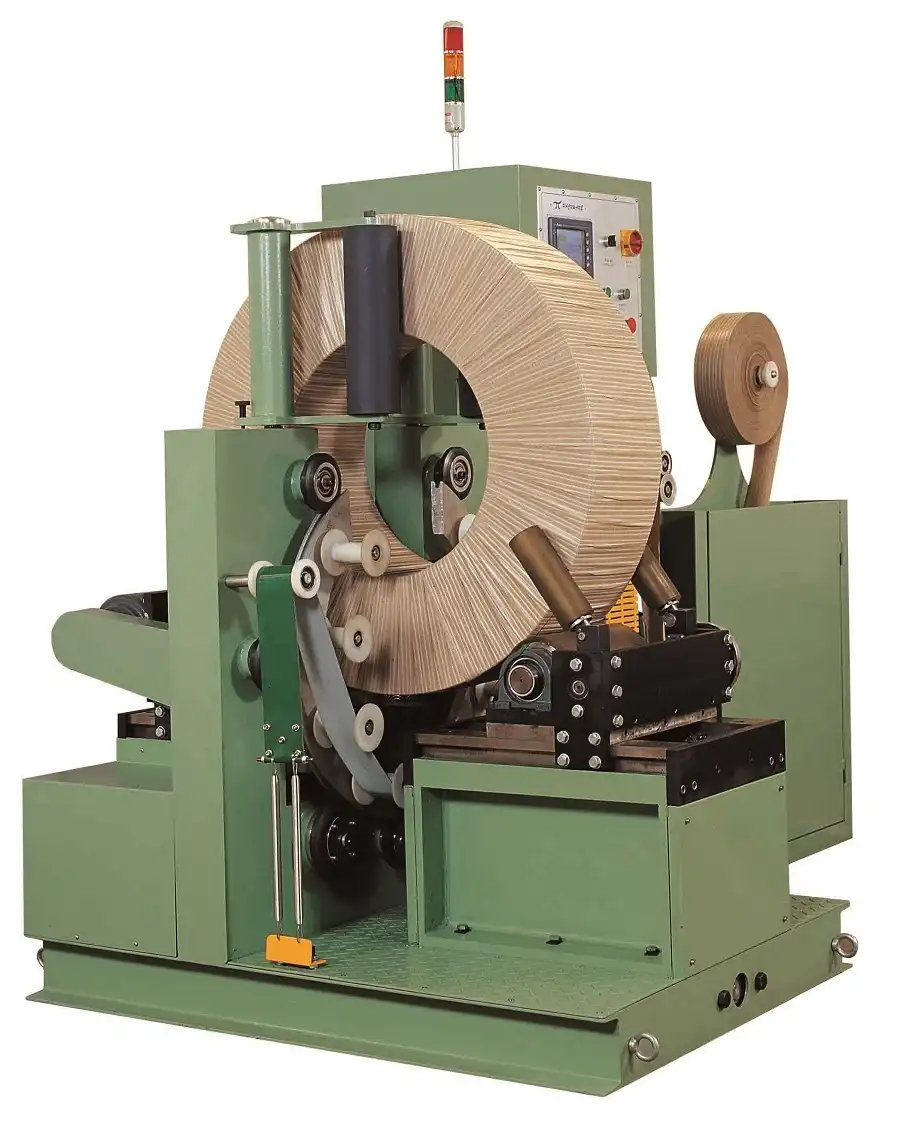
Implementing VCI paper transforms the handling and transportation of steel coils. The “dry” nature of VCI protection means coils don’t need post-cleaning upon arrival, integrating seamlessly into manufacturing and processing lines. This saves valuable time and labor at the receiving end, improving efficiency throughout the supply chain. Reduced rust damage directly translates to lower scrap rates, fewer quality claims, and less need for expensive rework like sandblasting or acid washing. This protects the value of the steel coils and strengthens the supplier’s reputation. VCI paper is also a more environmentally conscious choice. Many options are made from recycled and recyclable materials, and their non-toxic formulations avoid the hazardous waste and VOC emissions associated with petroleum-based rust preventatives. This aligns with increasing regulatory pressures and corporate social responsibility initiatives. Furthermore, the ease of handling and disposal of VCI paper simplifies waste management compared to saturated oily rags or hazardous waste streams from degreasing. The continuous, year-round protection offered by VCI paper, regardless of seasonal humidity or temperature fluctuations, ensures reliable performance and reduces the risk of unexpected corrosion failures in storage or transit, making it a dependable component of modern industrial solutions for valuable steel coils.
Conclusion
Protecting steel coils from corrosion during storage and transit is essential for maintaining quality, reducing costs, and ensuring customer satisfaction. VCI paper offers a scientifically proven, effective, and environmentally responsible solution. Its ease of use, dry protection, and ability to shield even complex surfaces make it a superior alternative to traditional methods. By selecting the correct type of VCI paper and applying it properly, steel coil manufacturers and suppliers can significantly reduce rust-related losses. Integrating VCI paper into a comprehensive strategy, potentially alongside advanced coil packing line solutions for automation, is a smart investment for efficient and sustainable operations.








