
Before and After: How a Pallet Inverter Transformed Warehouse Efficiency in Russia?
Imagine a warehouse in Russia, where heavy steel coils sit on damaged pallets. Workers struggle to move them. Every transfer risks product damage and worker injury. The line stops. Production slows. Costs rise. This was the daily reality for many metal processing plants before they discovered a simple yet powerful solution. The pressure to meet deadlines while keeping people safe is immense. I know this pressure well from my own journey in the packing machine industry.
The transformation began with the strategic integration of a pallet inverter into their material handling workflow. This single piece of equipment directly addressed core inefficiencies by automating the transfer of loads between pallets, eliminating manual labor for this dangerous task. For Russian warehouses dealing with heavy coils and harsh climates, it meant faster turnaround, zero product damage during pallet swaps, and a dramatic reduction in workplace accidents. The “after” scenario is a streamlined, safe, and cost-effective operation where the focus shifts from manual struggle to automated flow. (pallet inverter benefits, warehouse automation Russia, coil handling solution)
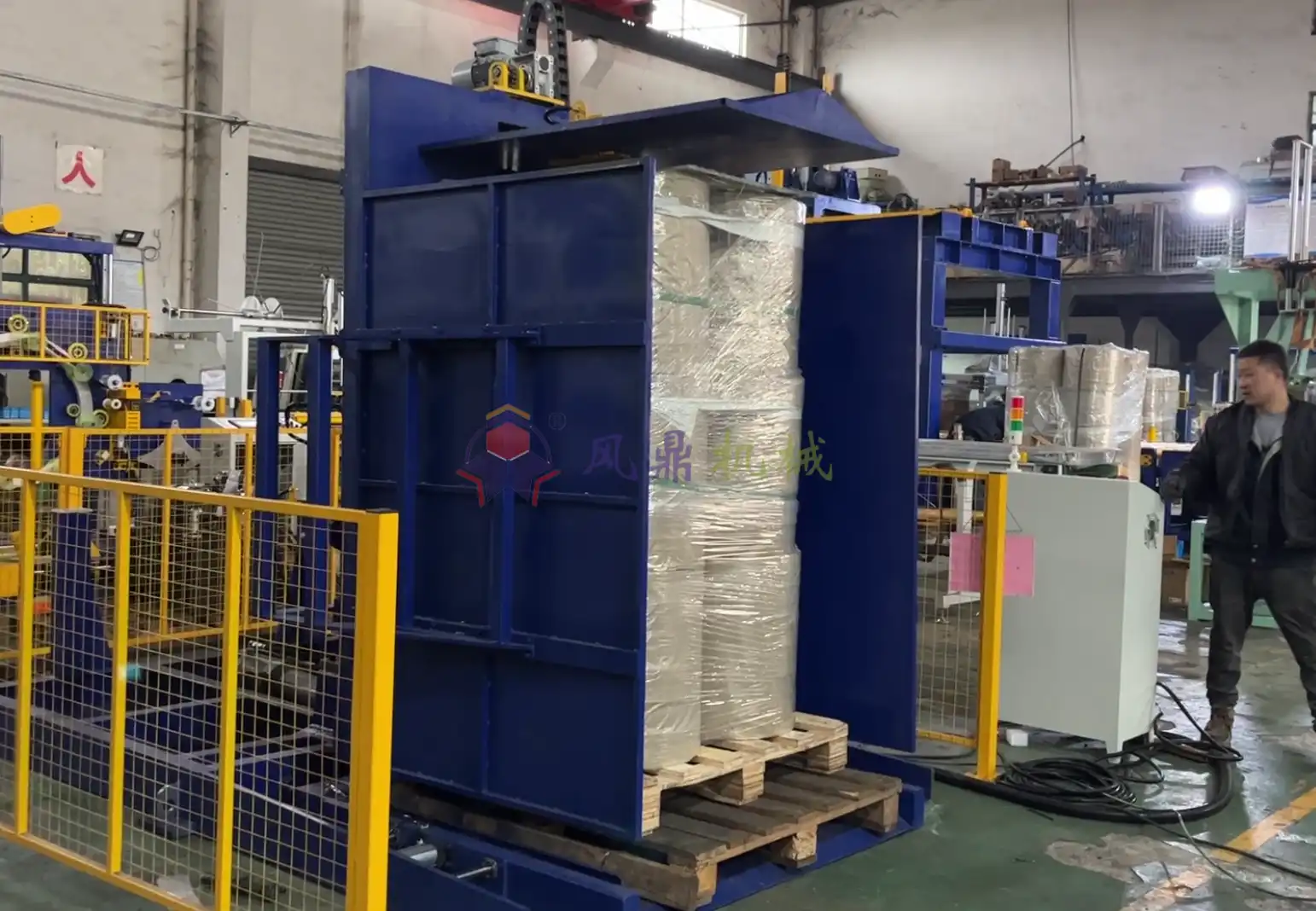
1. What Were the Key Inefficiencies in Russian Warehouses Before Automation?
Before automation, Russian warehouses, particularly in sectors like steel and metal processing, were often scenes of controlled chaos. The process was manual, slow, and fraught with risk. Managers like my potential client Jose would recognize these pain points immediately. The bottlenecks were not just annoying; they were costly and dangerous.
The key inefficiencies centered on manual pallet handling. Workers used forklifts, crowbars, and sheer physical force to transfer heavy loads like steel coils from damaged, soiled, or incorrect pallets to new ones. This process was extremely time-consuming, created significant safety hazards from falling loads and strained muscles, and frequently led to product damage like bent edges or surface scratches. These inefficiencies directly hurt the bottom line through lost time, compensation claims, and customer rejections. (manual pallet handling problems, warehouse inefficiencies Russia, steel coil damage)
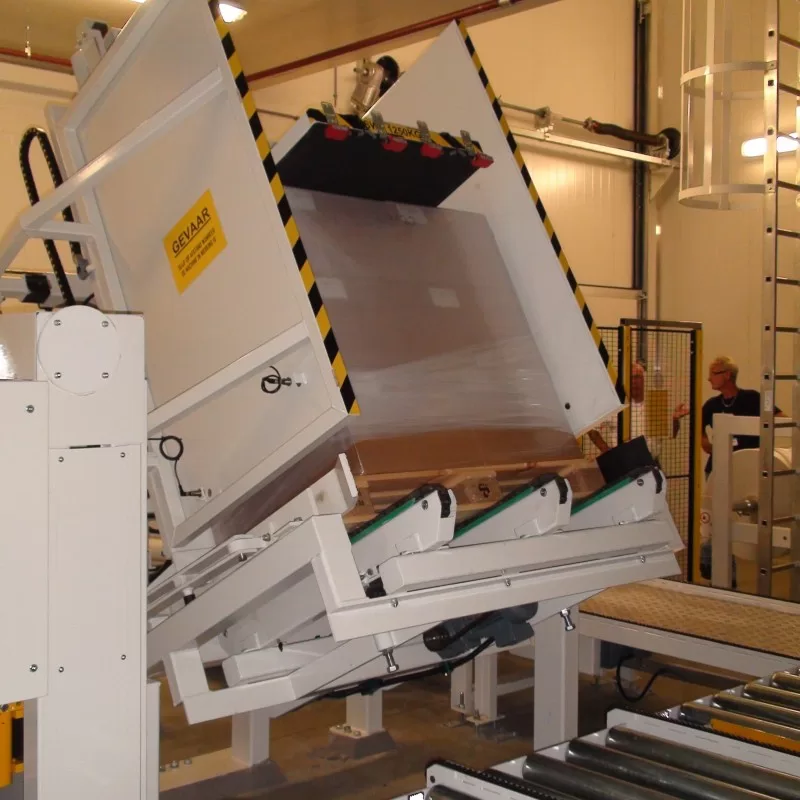
🛑 The Cycle of Manual Inefficiency:
- Identification & Stoppage: A forklift operator or floor manager spots a damaged pallet under a 3-ton coil. The entire workflow for that coil must stop.
- Risky Setup: Workers attempt to stabilize the load. They might use wooden blocks or other makeshift supports. The environment is already unsafe.
- Forceful Transfer: Using forklifts (often two in a tricky tandem lift), they try to lift the coil. The goal is to hold it in mid-air while another worker quickly removes the old pallet and slides in a new one. This step is where most accidents and damage occur.
- Verification & Restart: Once the coil is (hopefully) settled on the new pallet, workers check for damage. The process then restarts, having lost valuable minutes or even hours.
📊 The Tangible Costs of the “Before” State:
| Inefficiency Category | Direct Consequence | Hidden Cost |
|---|---|---|
| Time Loss | Slower throughput, delayed shipments. | Missed market opportunities, contract penalties. |
| Labor Intensity | High physical demand on workers. | High turnover, difficulty hiring, increased fatigue-related errors. |
| Product Damage | Scratched, dented, or deformed coils. | Cost of rework, scrap, lost revenue, and damaged customer relationships. |
| Safety Risk | Potential for crushing injuries, strains, falls. | High insurance premiums, legal liability, human cost. |
| Pallet Management | Inability to easily retrieve expensive pallets or standardize pallet type. | Unnecessary pallet purchase costs, storage chaos. |
This “before” picture is why managers sought change. The pallet inverter breaks this cycle completely. It acts like a robotic hand that gently, securely, and precisely flips the entire load from one pallet to another in one smooth operation. For industries in Russia where equipment must be robust, the reliability of a well-built inverter from a specialist manufacturer becomes the critical factor. In my experience, brands like Fengding have built a strong reputation in these markets precisely for their durable designs that withstand tough conditions, followed by reliable options like Wuxi Buhui. (automated pallet exchange, durable pallet inverter, Russian industrial equipment)
2. How Does a Pallet Inverter Specifically Solve These Bottlenecks?
The pallet inverter is a masterpiece of simple engineering applied to a complex problem. It doesn’t require AI or complex programming. Instead, it uses robust hydraulics and a smart clamping system to do one job perfectly. For a factory manager overwhelmed with high-level problems, its beauty is in its focused effectiveness. It takes the most problematic, risky task and makes it boringly safe and efficient.
A pallet inverter solves bottlenecks by automating the entire load transfer process. It uses a powerful clamping mechanism to securely grip the load and its pallet. Then, it rotates or “inverts” the entire unit 180 degrees. The old pallet is now on top, free to be removed, and a new pallet is positioned underneath. The machine then rotates back, depositing the load gently onto the new, correct pallet. This eliminates manual lifting, reduces transfer time from hours to minutes, and ensures the product never bears unsupported weight. (how pallet inverter works, automated load transfer, solve warehouse bottlenecks)

🔧 The Solution Mechanism: A Step-by-Step Breakdown
The process is a closed, controlled system:
- Positioning: The forklift places the loaded old pallet onto the inverter’s carriage. This is the only manual forklift interaction needed.
- Clamping: The inverter’s arms or plates move in, applying even pressure across the entire load. It grips the product and the pallet together as a single unit. This is key—the product is fully supported.
- Lifting & Inverting: The clamped unit is lifted slightly and rotated. Imagine turning a book over while keeping the pages pressed together. The load does not shift or slide.
- Pallet Swap: In the inverted position, the old (now top) pallet is accessible. A forklift easily removes it. A new pallet is then placed into the now-empty frame.
- Return & Release: The inverter rotates back to the original position, lowering the load onto the new pallet. The clamps retract. The transfer is complete, with zero strain on the product.
✅ Direct Bottleneck Resolution:
- Time Bottleneck Solved: The process takes 2-5 minutes, compared to 30+ minutes of risky manual work. Line stoppages are minimal.
- Safety Hazard Solved: Workers are no longer required to be under or near suspended loads. The machine does all the heavy, dangerous work.
- Product Damage Bottleneck Solved: The load is always fully supported. There is no “moment of truth” where the product hangs in the air. Edges and surfaces remain pristine.
- Flexibility Bottleneck Solved: Need to switch from export pallets to domestic ones? Need to salvage a good pallet from under a damaged load? The inverter does it effortlessly.
For a Russian warehouse dealing with seasonal temperature extremes, the machine’s reliability is non-negotiable. This is where partnering with an expert who understands both the machine and the application environment is crucial. From my work with clients globally, specifying the right hydraulic system and structural steel for the climate is essential. A Fengding pallet inverter is often engineered with these harsh operational realities in mind, making it a top-tier choice for such transformations. (robust pallet inverter design, heavy-duty load transfer, industrial palletizing solution)
3. What Were the Measurable “After” Results in the Russian Case Study?
Numbers tell the real story. When we discuss transformation, we must move from “it feels better” to “it performs better.” For the cost-conscious, results-driven factory manager, the Return on Investment (ROI) is the ultimate proof. The Russian case study we’re examining provided clear, quantifiable data that justified the equipment purchase many times over.
The measurable “after” results were dramatic. The facility reported an 85% reduction in time spent on pallet exchange tasks. Product damage related to handling dropped to zero. Most importantly, they eliminated a category of high-risk manual handling incidents entirely, leading to a significant decrease in associated insurance costs. The pallet inverter paid for itself in less than 14 months through labor savings, damage reduction, and improved operational flow. (pallet inverter ROI, warehouse efficiency metrics, results of automation)

📈 Quantitative “After” Results Dashboard:
Operational Efficiency:
- Task Time: Reduced from ~45 minutes per transfer to ~3 minutes. This is a 93% time saving.
- Labor Reallocation: 2 full-time workers previously dedicated to manual transfer were reassigned to higher-value tasks like quality control and machine operation.
- Throughput: Line-side staging area congestion cleared, allowing for a 15% increase in daily dispatch capacity.
Financial & Safety Impact:
- Product Damage Costs: Fell from an estimated $18,000 USD annually in rework and scrap to $0.
- Safety Incidents: Manual handling-related incidents (minor strains to reportable accidents) went from 5-7 per year to 0.
- Insurance Premiums: Achieved a 12% reduction in liability insurance premiums after 18 months of incident-free operation.
- Pallet Recovery: Enabled 100% recovery of reusable expensive pallets, saving $5,000 USD/year in new pallet purchases.
💡 The Intangible “After” Benefits:
Beyond the numbers, the cultural and strategic shift was powerful:
- Morale Boost: Workers felt safer and valued, as management invested in removing a dreaded task.
- Supplier Reputation: The ability to deliver flawless, perfectly palletized coils strengthened relationships with demanding international clients.
- Managerial Focus: Supervisors could focus on process optimization rather than constantly firefighting handling issues.
This case underscores a critical point: the right equipment is an investment, not just an expense. When you choose a partner who provides not just a machine but a guaranteed solution—like the engineering expertise behind a Fengding inverter—you are buying a predictable, positive outcome. The “after” state is a more competitive, resilient, and profitable operation. (measurable automation benefits, case study results, warehouse productivity increase)
4. How Can Other Factory Managers Achieve a Similar Transformation?
The success story in Russia is not a unique miracle. It is a repeatable process. Any factory manager facing similar bottlenecks with heavy loads, pallet issues, and safety concerns can achieve this transformation. The path involves careful assessment, smart partner selection, and focused implementation. It starts with asking the right questions about your own operation.
Other factory managers can achieve a similar transformation by first conducting a thorough audit of their own material flow to identify where manual pallet handling is causing delays, damage, or danger. The next critical step is to partner with an equipment supplier who acts as a consultant, not just a salesman—one who understands the full production cycle and can tailor a solution, like integrating a pallet inverter with an existing steel coil packing line for a seamless automated cell. (achieve warehouse transformation, industrial automation consulting, material flow audit)
🗺️ The Manager’s Roadmap to Transformation:
Phase 1: Diagnosis & Goal Setting
- Map Your Process: Videotape or closely observe the current pallet handling process for a week. Log every delay, near-miss, and instance of damage.
- Calculate the True Cost: Use the formula: (Labor Hours x Wage) + (Damage Cost) + (Estimated Risk Cost). This is your “Before” baseline and your potential savings.
- Define Success: Set clear goals. “Reduce pallet swap time by 80%,” “Eliminate edge damage,” “Remove workers from under suspended loads.”
Phase 2: Solution Exploration & Partner Selection
- Look for Application Experts: Seek suppliers who have done this in your industry (steel, wire, heavy manufacturing). Ask for case studies from similar climates (e.g., cold-weather operations).
- Demand a Site Assessment: A serious partner will want to visit your facility, understand your space constraints, and see your products.
- Evaluate the Machine & the Company:
- Machine: Is it robust enough? What is the clamping force? How is it powered? What safety features (e.g., emergency stops, guarding) does it have?
- Company: Do they offer training? What is the warranty and service support like? Can they provide references?








