
How Can You Avoid Hidden Fees When Importing a Coil Strapping Machine to Mexico?
Are you a factory manager in Mexico dealing with rising costs and production bottlenecks? You know that outdated packing processes can drain your profits. Many factory owners like you face challenges with slow manual work, safety risks, and damaged products. Importing new equipment seems like a good answer. But often, unexpected fees turn a smart investment into a money pit. I know this struggle. I have been there myself, from an employee to a factory owner. I want to help you prevent these costly surprises.
You can avoid hidden fees when importing a coil strapping machine to Mexico by carefully researching all potential costs. These include import duties, taxes, shipping insurance, customs brokerage fees, and installation costs. Also, choose a transparent supplier who clearly lists all expenses upfront, ensuring there are no surprises after your purchase.

This guide will show you how to identify and avoid common hidden fees. We will look at Mexico’s import rules, how to pick the right supplier, and how automation can save you money. Stay with me. I will share my insights so you can make a smart, profitable investment for your factory.
What Hidden Costs Lurk Beyond the Machine Price When Importing to Mexico?
Are you just looking at the machine’s sticker price? Many factory managers make this mistake. They see a good deal on a coil strapping machine. They think the listed price is the final cost. But then, unexpected bills start piling up. This can turn a seemingly affordable machine into a very expensive one. You need to know what other charges will come up.
Hidden costs beyond the machine price when importing to Mexico often include import duties, value-added tax (IVA), customs processing fees, freight forwarding charges, and insurance. They also include local transportation, installation, and potential certification expenses.
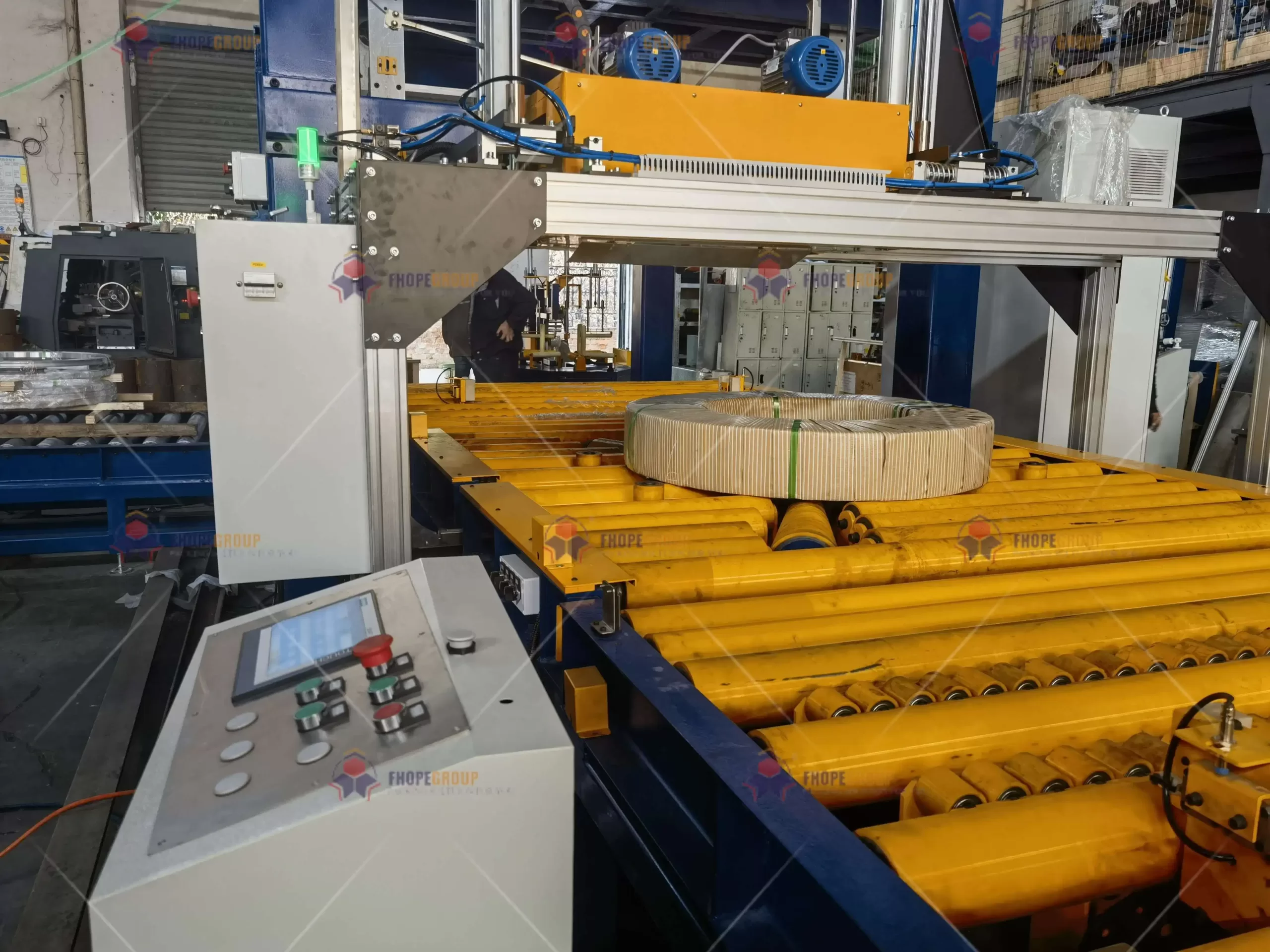
When I built my own packing machine factory, I learned a lot about buying equipment. I faced these exact issues. I know how important it is to look at the full picture. You must account for every possible charge. This helps you budget correctly. It prevents nasty surprises. Let me break down some of these often-missed costs.
Understanding the Full Import Cost Picture
The price the supplier gives you for the coil strapping machine is just one part. Many other costs add up fast. Ignoring them can hurt your budget. You need to calculate everything from the start.
- Import Duties and Taxes: Mexico has specific tariffs on imported machinery. These duties depend on the Harmonized System (HS) code of the machine. The HS code identifies the product globally. It determines how much tax you pay. You also pay a Value Added Tax (IVA), which is currently 16% in most of Mexico. This tax applies to the machine’s value plus shipping and duties. Many people forget to add IVA to their calculations. This makes a big difference. You must find out the correct HS code for your coil strapping machine. Then, you can check Mexico’s tariff rates. This step is crucial. It helps you get an accurate cost estimate. Do not guess these numbers. Get them from a customs broker or Mexican trade authorities.
- Shipping and Logistics Costs: This covers more than just getting the machine from the supplier to your port. It includes the cost of packing the machine safely. It also includes loading it onto the ship or plane. Then there is the actual sea or air freight cost. Once it reaches Mexico, you have port handling fees. These are charges for moving the container off the ship. There are also customs inspection fees. You might need special equipment to unload a heavy machine at your factory. This is another cost. All these small fees can add up fast. They are often not part of the initial machine price.
- Customs Brokerage and Documentation: You need a licensed customs broker in Mexico. This person helps you navigate the complex import rules. They prepare all the necessary paperwork. They ensure your import declaration is correct. A good broker saves you time and avoids fines. But they charge a fee for their services. This fee can vary. Make sure you get a clear quote from them. Also, there are costs for specific permits or licenses. Some machines might need them. Always check these requirements early. Incorrect paperwork leads to delays. Delays mean more storage fees at the port.
- Installation and Training: The machine arrives at your factory. Now what? You need to install it. Sometimes, the supplier offers installation services. This might be included or an extra charge. You also need to train your staff to use the new machine safely and efficiently. This training also costs money. It could be on-site training or online courses. A machine is only good if your team knows how to use it right. Do not forget these human capital costs. They are vital for success.
| Cost Category | Description | Common Pitfalls | How to Avoid Hidden Fees |
|---|---|---|---|
| Import Duties & Taxes | Tariffs and IVA on imported goods based on HS code and value. | Incorrect HS code leads to wrong duties; forgetting IVA. | Verify HS code, calculate IVA on total landed cost. |
| Shipping & Logistics | Freight, insurance, port handling, local transport, special unloading. | Only considering sea/air freight; underestimating local transport. | Get detailed quotes covering all legs of transport; insure cargo. |
| Customs Brokerage | Fees for customs declaration, paperwork, and compliance. | Hiring inexperienced brokers; overlooking specific permits. | Use a reputable broker; confirm all permit requirements upfront. |
| Installation & Training | Costs for setting up the machine and training your factory staff. | Assuming installation is free; neglecting training budget. | Clarify installation terms with supplier; budget for comprehensive training. |
| Certifications | Fees for required safety or quality certifications in Mexico. | Not knowing local compliance standards. | Research Mexican safety standards like NOMs for machinery. |
By understanding these categories, you can ask the right questions. You can get full quotes from suppliers. This helps you compare offers properly. It also helps you budget for the real cost of your investment. My goal is always to equip you with knowledge. This lets you make smart choices.
How Can You Navigate Mexico’s Import Regulations and Avoid Costly Delays?
Do you find Mexican customs rules confusing? Many factory owners do. They buy a machine, thinking it will arrive quickly. But then, their shipment gets stuck at the border. This leads to long delays. It also causes extra storage fees and penalties. You need to understand these rules. This way, your machine moves smoothly into your factory.
You can navigate Mexico’s import regulations by working with an experienced customs broker. You must also ensure all documentation is complete and accurate, including correct Harmonized System (HS) codes and origin certificates. Staying updated on specific import requirements for industrial machinery prevents costly delays and fines.

I have seen countless businesses face these hurdles. When I was building my factory, I learned that preparation is key. A small mistake in paperwork can stop your whole production. You cannot afford that. Your coil packing, steel wire packing needs to run without interruption. Let me share how to make your import process as smooth as possible.
Mastering Mexican Customs for a Smooth Import
Getting a machine through customs in Mexico needs careful planning. If you do not plan well, you will face big problems. These problems include delays, fines, and wasted money. Here is how to avoid them.
- Partner with a Good Customs Broker: This is your most important step. A good customs broker knows Mexican import laws inside and out. They understand the latest changes. They can help you with the correct HS codes. They will prepare all the paperwork. They will guide you on specific permits. They act as your representative with customs officials. Do not try to do this alone. It is too complex. Look for a broker with a proven track record. Ask for references from other importers. A professional broker is worth the fee. They will save you money in the long run by preventing costly mistakes.
- Prepare Accurate Documentation: Mexican customs are strict about documents. You need to have everything in order. This includes the commercial invoice, packing list, bill of lading (for sea freight) or air waybill (for air freight), and certificate of origin. The commercial invoice must show the correct value, description, and HS code of the machine. The packing list should detail every item in the shipment. The certificate of origin shows where the machine was made. This can affect duties. For example, if the machine comes from a country with a free trade agreement with Mexico, you might pay less duty. Missing or incorrect information in any document will cause delays. Customs officials will hold your shipment. This means storage fees for every day it sits there.
- Understand Specific Regulations (NOMs): Mexico has specific technical regulations called Oficial Mexicanas Normas (NOMs). These are safety and quality standards. Some industrial machines, like a coil strapping machine, might need to meet certain NOMs. This often means getting specific certifications before importing. If your machine does not comply, it might be rejected. Or, you will need to pay for modifications and re-certification in Mexico. This adds huge unexpected costs. Always ask your supplier if their machine meets Mexican NOMs. If not, find out what is needed. You must get these certifications done before the machine ships. Waiting until it arrives in Mexico is too late.
- Plan for Inspections and Audits: Mexican customs can choose any shipment for inspection. This can be a physical check or a document audit. Be prepared for this. Your customs broker will manage it. Make sure your supplier provides all necessary technical data. This helps if customs needs more information about the machine. If they find any discrepancies, it leads to fines. It also leads to more delays. My experience has taught me that transparency and being ready for anything is key.
| Document / Requirement | Importance | Pitfalls to Avoid | Best Practice to Prevent Delays |
|---|---|---|---|
| Customs Broker | Essential for navigating complex Mexican import laws and paperwork. | Choosing an inexperienced broker or trying to self-manage. | Hire a reputable, licensed broker with industrial machinery experience. |
| Commercial Invoice | Details machine value, description, HS code for duties and taxes. | Incorrect valuation, missing details, wrong HS code. | Ensure precise, detailed invoice matching machine specs and value. |
| Packing List | Itemizes all contents of the shipment for verification. | Inaccurate item counts, missing weights/dimensions. | Confirm list matches physical shipment; include all details. |
| Certificate of Origin | Proves manufacturing country; affects duty rates (e.g., free trade). | Missing or incorrect origin details. | Obtain from supplier; verify eligibility for trade agreements. |
| NOM Compliance | Mexican safety/quality standards that industrial machines must meet. | Not checking NOMs; assuming foreign certifications suffice. | Research required NOMs; ensure supplier can provide compliance. |
By following these steps, you build a strong defense against customs delays. You make sure your coil strapping machine gets to your factory on time. This helps you avoid those hidden costs that come from unexpected waiting. It is all about doing your homework and having the right partners.
Why Is a Trustworthy Supplier Your Best Defense Against Unexpected Charges?
Have you ever bought equipment only to find the supplier disappears after the sale? Or they hit you with extra charges you never agreed to? Many factory managers in Mexico face this problem. They choose a supplier based only on price. Then, they regret it later. A good supplier is more than just a seller. They are your partner.
A trustworthy supplier is your best defense against unexpected charges because they offer transparent pricing, clearly outlining all costs including shipping, installation, and after-sales support. They provide accurate documentation, adhere to quality standards, and offer reliable warranties, reducing the risk of hidden fees and costly breakdowns.

When I started FHOPEPACK, I knew the importance of trust. My journey from an employee to a factory owner taught me this. I built my business on strong relationships and clear communication. You need a supplier who understands your factory’s needs, like Michael Chen’s. They must offer solutions, not just machines. They must be with you for the long run.
Building Trust: The Core of a Successful Partnership
Choosing the right supplier for your coil strapping machine is a big decision. It is not just about the machine itself. It is about the relationship. A reliable supplier protects you from hidden costs and helps your business grow.
- Transparency in Pricing: A trustworthy supplier will give you a clear, itemized quote. They will not hide fees in small print. They should break down the machine price, shipping costs, any required parts, and installation fees. Ask for a full quote, covering all possible costs. Do not accept vague answers. If a supplier is hesitant to provide a detailed breakdown, it is a red flag. They might be trying to hide something. Always compare full quotes from different suppliers, not just the base price. This is how you spot hidden charges early.
- Clear Communication and Documentation: Good suppliers communicate well. They answer your questions quickly. They provide all necessary documents without delay. This includes technical specifications, user manuals, and maintenance guides. For international shipping, they will help you with the correct HS codes and origin certificates. They understand that accurate paperwork is vital for smooth customs clearance in Mexico. If a supplier is slow to respond or provides incomplete information, it can lead to problems down the line. You need clear information to make good decisions.
- Quality and Reliability: The machine itself must be reliable. A cheap machine that breaks down often will cost you more in repairs and lost production. This is a hidden cost. A reputable supplier builds high-quality machines. They use good components. They test their machines thoroughly. They offer strong warranties. Ask about their quality control process. Ask about their factory setup. When I built my factory, I invested in quality from day one. This saves money on maintenance and downtime. It also protects your product from damage, like those steel coil edges Michael worries about.
- After-Sales Support and Service: What happens if your machine has a problem after a few months? This is where good after-sales support matters. A trustworthy supplier offers training, spare parts, and technical assistance. They have local service partners or a quick response team. Poor support means long downtimes. This hurts your production and profit. It is a big hidden cost. Before you buy, ask about their after-sales service. Ask for references from other customers in Mexico. My goal at FHOPEPACK is to be a partner. I want to see your factory succeed, not just sell you a machine.
| Supplier Trait | Benefit for You | What to Look For | Red Flags to Watch Out For |
|---|---|---|---|
| Transparent Pricing | No unexpected bills; clear budget planning. | Itemized quotes, all costs upfront. | Vague pricing, “additional fees may apply.” |
| Clear Communication | Smooth process, all questions answered, accurate documentation. | Quick responses, detailed answers, complete documents. | Slow replies, incomplete info, avoiding specific questions. |
| Quality & Reliability | Fewer breakdowns, lower repair costs, consistent production. | Strong warranties, quality certifications, good factory reviews. | Unusually low prices, short warranties, no customer reviews. |
| After-Sales Support | Quick problem resolution, minimal downtime, access to spare parts. | Clear support policy, local service options, spare parts availability. | No clear support plan, no local presence. |
| Industry Experience | Deep understanding of your needs, tailored solutions. | Long history, specific knowledge in coil/steel packing. | New or generic suppliers with little specific industry experience. |
By choosing a supplier based on these factors, you create a strong partnership. This partnership helps you avoid hidden fees. It ensures your investment in a coil strapping machine truly benefits your factory. I believe in giving back. This is why I share this knowledge. I want you to make the best decisions for your business.
Can Automating Coil Packing Truly Cut Hidden Losses and Boost Your Factory’s Profit?
Are you still relying on manual labor for coil packing? Many factories in Mexico do. They think it saves money. But look closely. Manual work has many hidden costs. These costs eat away at your profits. They are not always obvious. But they are there. Can a new coil strapping machine really solve these problems and make your factory more profitable?
Automating coil packing can truly cut hidden losses and boost your factory’s profit by reducing labor costs, eliminating product damage during handling, and significantly improving production speed and consistency. It also lowers worker injury risks, decreasing insurance premiums and employee turnover, thereby providing a strong return on investment.

I know the pressures you face as a factory manager. Michael Chen, like many others, wants to increase output and control costs. When I started my own factory, I understood that automation was not just about buying a machine. It was about solving real problems. It was about smart investment. Let me show you how automation tackles those hidden losses.
The Real ROI: Uncovering Hidden Savings with Automation
The direct cost of a machine is easy to see. The savings from automation are sometimes hidden. But they are very real. They impact your bottom line every single day.
- Reducing Labor Costs: Manual packing means paying wages, benefits, and overtime. It means managing shifts and dealing with absences. A coil strapping machine works tirelessly. It does not need breaks or overtime pay. You can reassign your workers to more skilled tasks. This helps you use your workforce better. Over time, the savings on labor costs alone can pay for the machine. Think about the long-term impact on your operating expenses. My own experience showed me that investing in automation quickly paid for itself by optimizing my team’s efficiency.
- Eliminating Product Damage: Michael Chen worries about product damage. Manual handling of heavy coils often causes dents or scratches. These damaged products lead to customer complaints and returns. This costs you money. It also harms your reputation. An automated coil strapping machine handles products gently and precisely. It applies consistent tension. It secures the coils without damaging them. This means fewer defects. It means happier customers. This saving on lost product and rework is a huge hidden benefit. It directly affects your profit margins.
- Improving Safety and Reducing Insurance Costs: Moving heavy steel coils manually is dangerous. Workers can suffer back injuries, crushed limbs, or other accidents. This leads to high insurance premiums. It also means lost workdays. It can lead to lawsuits. High employee turnover due to unsafe conditions is also a cost. An automated machine significantly reduces human interaction with heavy loads. This makes your factory safer. Safer workplaces mean fewer injuries. Fewer injuries mean lower insurance costs. It also means a happier, more stable workforce. This is a very important hidden saving for any factory manager.
- Boosting Efficiency and Throughput: Manual packing is slow. It creates bottlenecks in your production line. This means you cannot deliver products as fast as you could. An automated coil strapping machine works much faster. It handles more coils per hour. This increases your overall production capacity. You can take on more orders. You can meet tight deadlines. This boosted efficiency directly translates into higher sales and more profit. It also makes your factory more competitive. My personal journey showed me that overcoming bottlenecks was critical for financial independence. Automation was the key.
| Hidden Loss | Impact on Your Factory | How Automation Solves It | Expected Savings/Benefits |
|---|---|---|---|
| High Labor Costs | Wages, benefits, overtime for manual packing. | Reduces need for manual labor, optimizes workforce. | Significant long-term reduction in operational expenses. |
| Product Damage | Customer complaints, returns, rework, reputation damage. | Gentle, consistent strapping, no manual handling errors. | Decreased waste, higher customer satisfaction, increased profit. |
| Workplace Injuries | High insurance premiums, lost workdays, lawsuits, turnover. | Minimizes human interaction with heavy loads, safer environment. | Lower insurance costs, stable workforce, improved morale. |
| Production Bottlenecks | Slow output, missed deadlines, limited capacity. | Faster, consistent strapping, increased throughput. | Higher production volume, increased revenue, better competitiveness. |
| Inconsistent Quality | Variable packing quality, poor presentation. | Uniform strapping tension and placement every time. | Professional packaging, enhanced brand image. |
Automating your coil packing is more than just buying a machine. It is an investment in your factory’s future. It addresses many hidden costs that you might not even realize are draining your profits. It leads to a clear return on investment. I have seen it in my own business, and I believe it can do the same for yours.
What Are My Top Insights for Choosing the Right Packing Machine Partner?
Are you feeling overwhelmed by all the choices for a new packing machine? It is a big decision. Many factory owners have been burned by suppliers who just want to sell a machine and leave. You need a partner who understands your challenges. You need someone who has walked in your shoes. So, what should you look for beyond the price tag?
My top insights for choosing the right packing machine partner involve looking for deep industry experience, a proven track record of reliable solutions, and a commitment to long-term support. The best partners prioritize your factory’s specific needs, offer transparent advice, and have a clear vision for how their technology improves your operations.

My journey in the packing machine industry was long. I started on the factory floor. I later built my own successful factory. This path gave me unique insights. I learned what truly matters for factory owners like Michael Chen. It is not just about the machine. It is about expertise, trust, and support. Let me share what I learned.
Randal’s Guide to Picking Your Ideal Packing Machine Partner
Choosing the right partner is like building a strong foundation for your factory. It ensures your investment delivers true value. Here are my key takeaways.
- Look for Real Industry Experience: Does the supplier truly understand your business? Do they know about coil packing or steel wire packing? Do they understand the specific challenges of heavy industry in Mexico? A supplier who has been an employee in a packing machine factory, or even built one, has a deeper understanding. They know your pain points, like manual labor risks or product damage. They can offer solutions that truly fit. They are not just selling a product. They are offering expertise. Ask them about their past projects. Ask how they solved similar problems for other clients. This depth of experience is invaluable.
- Prioritize Reliable Solutions Over Cheap Prices: The lowest price is often the most expensive choice in the long run. Cheap machines break down. They cause production delays. They lead to high maintenance costs. A reliable machine, even if it costs more upfront, saves you money over its lifetime. It means consistent operation. It means fewer headaches. Look for suppliers known for durable equipment. Read reviews. Ask for factory visits if possible. When I established my own factory, I prioritized quality and long-term reliability. This decision helped me achieve financial independence and serve my clients better.
- Demand Strong After-Sales Support: A machine is only as good as the support behind it. What if something goes wrong? You need quick help. A good partner offers strong after-sales service. This includes technical support, spare parts availability, and maintenance guidance. Ask about their response times. Ask about their service network in Mexico. Michael Chen knows the pain of suppliers who only focus on sales. You need someone who will stand by their product and help you maintain it for years to come. This ongoing support prevents costly downtime.
- Seek Transparent and Honest Advice: A true partner will be honest with you. They will tell you if a certain machine is not the best fit for your needs. They will not push you to buy something you do not need. They will guide you through the process of calculating ROI. They will help you understand all the costs, both direct and hidden. My mission at FHOPEPACK is knowledge-sharing. I believe in making mold knowledge accessible. This same principle applies to packing machines. You want an expert who shares insights, not just sales pitches. They should act as your consultant.
- Look for a Partner Who Wants Your Business to Grow: The best partnerships are win-win. A good supplier sees your success as their success. They want to help you achieve your goals, whether it is increasing production, improving safety, or cutting costs. They are invested in your long-term growth. They offer solutions that align with your business objectives. My journey involved helping many clients grow their businesses. I found that when clients grew, so did I. This is the kind of partner you need.
| Partner Trait | Why It Matters | How to Assess |
|---|---|---|
| Deep Industry Experience | Understands your specific operational challenges. | Ask about similar projects, company history, founder’s background. |
| Reliable Solutions | Ensures consistent operation, less downtime, lower overall cost. | Check product reviews, ask for quality certifications, warranty terms. |
| Strong After-Sales Support | Guarantees quick help if issues arise, minimizes production halts. | Inquire about service network in Mexico, spare parts, response times. |
| Transparent Advice | Builds trust, helps avoid unnecessary costs or mismatched equipment. | Look for clear, detailed quotes; ask critical questions about alternatives. |
| Growth-Oriented | Invested in your long-term success, offers scalable solutions. | Discuss your business goals, ask how their solution supports growth. |
Choosing the right partner is crucial for a successful investment in a coil strapping machine. It means you are not just buying a piece of equipment. You are gaining a valuable resource. Someone who helps you navigate challenges and achieve your factory’s potential. My passion is to share what I have learned. I hope these insights guide you to the perfect partner.
Conclusion
Avoiding hidden fees when importing a coil strapping machine to Mexico is possible with careful planning and the right partner. Focus on understanding all costs, mastering import regulations, choosing transparent suppliers, and recognizing the true value of automation to boost your factory’s profit.








