
Automation in Motion | How Pallet Changing Machines Are Powering India’s Smart Warehousing Revolution?
The world of warehousing and logistics is changing fast. Businesses today face challenges like tight schedules, diverse product handling, and rising labor costs. If you are struggling with manual pallet handling, or constantly worrying about damaged goods and employee safety, you are not alone. These issues can slow down your entire supply chain.
Pallet changing machines are the engine behind smart warehousing. They streamline operations, ensure goods flow efficiently, and minimize the risks associated with manual handling. These machines are essential for businesses looking to embrace automation and improve their bottom line.

My journey in the packing machine industry has shown me how critical efficient handling is. I have seen firsthand how the right equipment can transform a struggling warehouse into a high-performing hub. Let us dive deeper into how pallet changing machines are not just equipment, but key players in this new era of smart warehousing, especially in a dynamic market like India.
Why Are Pallet Changing Machines Critical for Modern Warehouses?
Have you ever thought about the hidden costs of inefficient pallet handling? It is more than just slow operations. It can mean damaged products, worker injuries, and costly fines. This is a big problem in today’s fast-paced logistics world.
Pallet changing machines are critical for modern warehouses because they directly address issues of efficiency, safety, and compliance. They allow for quick, safe, and automated transfer of goods between different types of pallets, which is essential for global supply chains and high-volume operations.
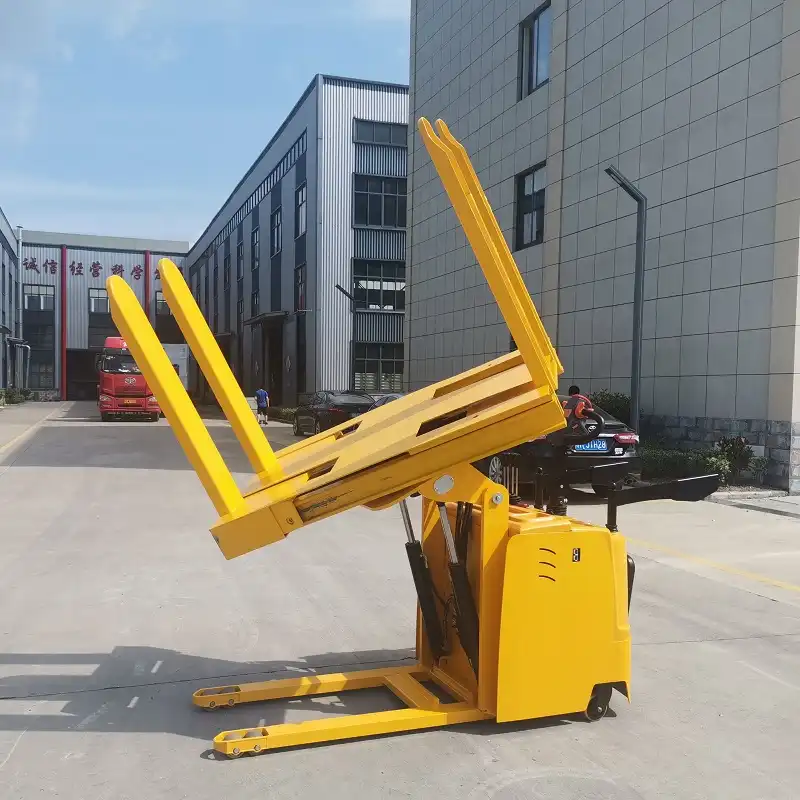
From my experience helping many clients grow their businesses, I know that modern warehouses demand solutions that improve throughput and reduce operational expenses. Manual pallet handling methods are simply not enough anymore. They create bottlenecks and increase risks. Pallet changing machines offer a smart solution, ensuring smooth flow from production to delivery. They make your warehouse ready for the future.
-
Boosting Operational Throughput and Speed Warehouse operations thrive on speed. Every minute saved in handling goods directly translates to better efficiency and faster delivery times. Pallet changing machines help significantly here. They automate the process of moving products from one pallet type to another. This means you do not need to manually unload and reload items. Imagine a warehouse that handles thousands of pallets daily. Manually switching each one would be a massive task, prone to errors and delays. A machine can do this much faster and with greater consistency. For instance, in a food processing plant, moving goods from production pallets to shipping pallets must be quick to maintain product freshness. Pallet changers perform this task rapidly. They keep the workflow smooth, making sure products move quickly through the warehouse. This speed is vital for meeting customer demands, especially from e-commerce platforms that expect very short delivery cycles. We, at FHOPEPACK, focus on building machines that deliver this kind of operational excellence, helping our clients speed up their entire logistics process. This also helps reduce the time goods spend in transit within the warehouse, which means less idle time and more active processing time. This is key for businesses in India aiming to meet growing consumer demands and compete globally. (operational efficiency, fast delivery, warehouse throughput)
-
Ensuring Product Integrity and Reducing Damage Product damage during pallet transfers is a costly problem. When workers manually lift, tilt, or shift goods from one pallet to another, there is always a risk of dropping items or causing structural damage to the packaging. This leads to product loss, customer complaints, and financial setbacks. Pallet changing machines handle products gently and securely. They use various methods, like clamping, pressing, or inverting, to hold the load firmly during the transfer. This stable handling prevents items from shifting or falling. For example, fragile electronic components or delicate food items require extremely careful handling. A machine can apply consistent pressure and movement, minimizing any rough handling that might occur with human intervention. This significantly reduces the likelihood of damage. Investing in a pallet changer protects your inventory and your brand reputation. It helps you deliver products to customers in perfect condition, which builds trust and encourages repeat business. We understand the importance of product integrity, and our designs prioritize secure load handling to virtually eliminate damage during pallet changes. This is especially important for high-value goods and for industries where quality control is very strict. (product protection, cargo safety, damage reduction)
-
Meeting Strict Compliance and Hygiene Standards Many industries, especially food, pharmaceuticals, and retail, have strict rules about hygiene and product handling. Goods often arrive on wooden pallets that are not suitable for clean room environments or international shipping. They might carry pests or bacteria. Pallet changing machines allow businesses to switch goods from unhygienic or non-compliant pallets to sterile, food-grade, or export-compliant pallets (like plastic or heat-treated pallets) without directly touching the product. This is crucial for maintaining hygiene standards and meeting regulatory requirements. For example, a food beverage group, like the one Carlos manages, must ensure that products entering a distribution center comply with local health regulations. Using a pallet changer, they can easily transfer products from incoming wooden pallets to clean plastic pallets for internal storage and distribution. This keeps contamination risks low. It also ensures smooth passage through customs for international shipments, avoiding delays and penalties due to non-compliant pallet types. FHOPEPACK designs machines that support these stringent compliance needs. We help businesses keep their operations clean and fully compliant with all relevant industry standards. (regulatory compliance, hygiene standards, sterile handling)
What Challenges Do Diverse Pallet Sizes Create in Global Logistics?
Moving goods across borders is not as simple as it sounds. Different countries use different pallet sizes. This causes a lot of headaches for logistics managers. How do you handle goods efficiently when you have to constantly switch between Euro pallets, US pallets, and other types?
Diverse pallet sizes create major challenges in global logistics by causing bottlenecks at transfer points, increasing labor costs for manual sorting, and risking product damage during frequent re-palletizing. Pallet changing machines solve this by providing a flexible and automated way to manage varying international pallet standards.
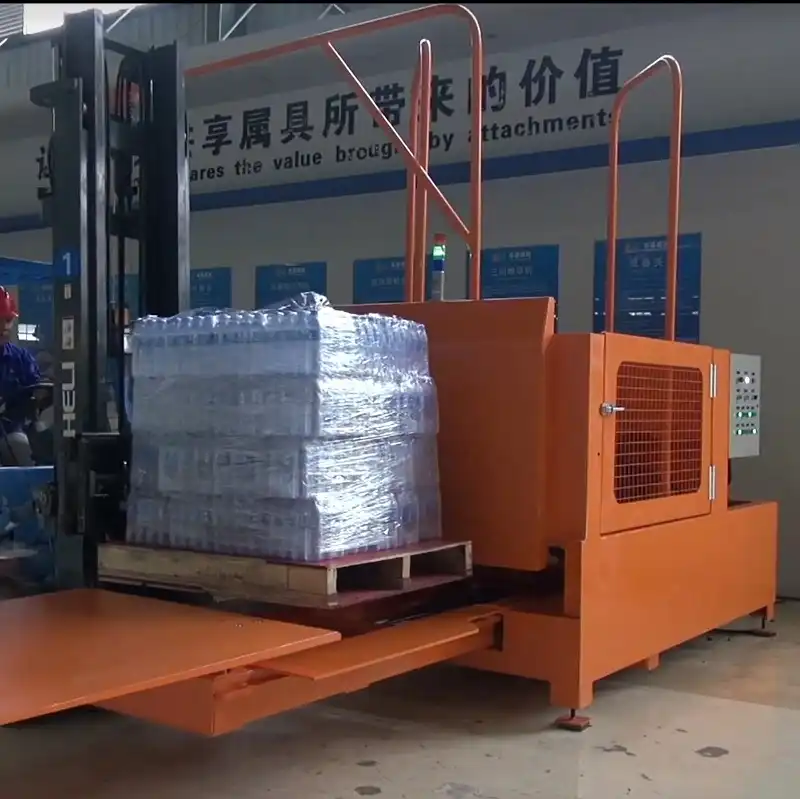
I have spoken with many clients, just like Carlos, who manage vast distribution centers. They often tell me how frustrating it is to deal with incompatible pallet systems. This problem is especially pronounced in regions like India, which is a growing hub for international trade. Efficiently managing these differences is key to smooth global supply chains.
-
The Inefficiency of Manual Pallet Transfer for Varied Sizes Manual pallet transfer is a huge drain on resources when dealing with diverse pallet sizes. Workers have to physically unload goods from one pallet type and then reload them onto another. This takes a lot of time and effort. It slows down the entire logistics process. Imagine a busy port in India, handling shipments from Europe (Euro pallets) and the United States (US pallets). Each time a shipment needs to move from an international pallet to a domestic one, or vice-versa, workers must intervene. This leads to long waiting times for trucks and containers. It also increases labor costs because you need more people to perform these tasks. The more pallet types you deal with, the more complex and inefficient this manual process becomes. It also increases the chances of human error. Goods can be misplaced or damaged during the manual transfer. Pallet changing machines, however, automate this process. They can be adjusted to handle various pallet dimensions. This means they can efficiently transfer goods without human intervention. This saves time, reduces labor needs, and keeps your operations flowing smoothly, regardless of pallet origin or destination. (manual transfer inefficiency, varied pallet dimensions, labor-intensive operations)
-
Increased Risk of Product Damage and Worker Injury Dealing with diverse pallet sizes manually also brings significant risks. When workers have to handle heavy loads and awkward pallet transfers, the chances of product damage increase. A slight mistake during lifting or tilting can cause goods to fall or shift, leading to costly losses. More importantly, manual handling of heavy pallets and goods puts workers at high risk of injury. Back strains, sprains, and even more serious accidents are common when employees are constantly lifting and moving loads. I have heard stories from clients about accidents that led to serious injuries and high compensation costs. This is not only a financial burden but also a moral one. Businesses have a responsibility to keep their employees safe. Pallet changing machines eliminate most of these risks. They perform the heavy lifting and precise movements. This removes workers from hazardous situations. The machines handle loads securely, reducing the chance of goods falling or being damaged. This ensures both worker safety and product integrity. It reduces insurance claims and creates a safer working environment. (worker safety, product integrity risks, workplace accidents)
-
Compliance Issues and Supply Chain Bottlenecks Non-compliance with international pallet standards can cause major headaches in the supply chain. Different countries and industries have specific requirements for pallet types, materials, and treatment. For example, some regions require heat-treated wooden pallets (ISPM 15) or plastic pallets for hygiene reasons. If your goods arrive on the wrong type of pallet, they might be delayed at customs, incur fines, or even be rejected. This creates significant bottlenecks. It can halt your supply chain, disrupt delivery schedules, and lead to unhappy customers. Manual handling of these compliance issues is slow and expensive. You might need to re-palletize entire shipments, costing time and money. Pallet changing machines offer a direct solution. They allow you to quickly switch goods onto compliant pallets. This ensures smooth customs clearance and adherence to all regulatory requirements. By automating this process, you avoid costly delays and penalties. You keep your supply chain moving efficiently and reliably, ensuring that products reach their destination on time and in full compliance. This proactive approach helps businesses maintain a strong reputation and avoid unexpected disruptions. (customs compliance, supply chain delays, regulatory requirements)
How Do Pallet Changers Enhance Safety and Reduce Labor Costs?
Warehouse managers like Carlos often struggle with rising labor costs and the difficulty of finding staff for physically demanding jobs. They also face constant pressure to improve safety. How can one machine help with both these major concerns?
Pallet changers enhance safety by eliminating manual lifting and handling of heavy loads, thereby reducing workplace injuries. They also significantly reduce labor costs by automating repetitive and physically demanding tasks, allowing staff to be redeployed to more valuable roles.
I built FHOPEPACK because I believe in creating solutions that solve real-world problems. For many years, I saw the challenges faced by packing machine factories. Safety was always a big concern, and finding skilled labor was getting harder. Pallet changers are a direct answer to these issues, bringing tangible benefits to any warehouse.
-
Eliminating Manual Handling and Reducing Workplace Injuries Manual handling of pallets and goods is a leading cause of workplace injuries in warehouses. Workers frequently suffer from back injuries, muscle strains, and sprains when lifting, pushing, or pulling heavy loads. These injuries lead to lost workdays, increased medical costs, and higher insurance premiums for businesses. They also create a negative work environment. Pallet changing machines are designed to take over these physically demanding tasks. They do the heavy lifting and precise movements involved in transferring goods between pallets. This means workers no longer need to manually lift heavy products or flip unstable loads. The machine does the work. This dramatically reduces the risk of accidents and injuries. For example, a worker does not need to awkwardly turn a pallet of products by hand, risking the load falling or causing injury. The machine handles it securely. This creates a much safer workplace. Employees are happier and healthier. This improves morale and reduces staff turnover. We at FHOPEPACK prioritize safety in our machine designs. Our solutions help businesses protect their most valuable asset: their people. (manual labor reduction, employee safety, injury prevention)
-
Optimizing Labor Deployment and Lowering Operational Expenses Labor costs are a significant expense for any warehouse. With a growing shortage of workers willing to do heavy lifting, especially among younger generations, businesses need smart ways to manage their workforce. Pallet changing machines help optimize labor deployment. They automate tasks that previously required multiple workers. This means you can achieve the same or even higher output with fewer people dedicated to pallet handling. For instance, instead of three workers manually changing pallets, one operator can supervise a machine that does the work faster and more safely. The freed-up staff can then be retrained or redeployed to more skilled, value-added tasks within the warehouse, such as inventory management, quality control, or operating other specialized equipment. This shift improves overall productivity. It also lowers direct labor costs associated with repetitive, low-skill tasks. Over time, the cost savings from reduced labor, fewer injuries, and increased efficiency far outweigh the initial investment in a pallet changer. My experience has shown me that this is a sustainable way to reduce operating expenses and make a business more competitive. (labor cost reduction, workforce optimization, operational savings)
-
Ensuring Ergonomic Safety and Improving Worker Morale Ergonomic safety is about designing workplaces to fit the worker, reducing discomfort and preventing injury. Manual pallet changing often involves awkward postures, repetitive motions, and heavy lifting, all of which are ergonomically unsound. These conditions not only lead to physical injuries but also contribute to worker fatigue and low morale. Employees who feel their safety is at risk, or who are constantly strained, are less productive and more likely to leave. Pallet changing machines significantly improve ergonomic safety. They take over the physically demanding aspects of the job. This allows workers to operate machines from a safe distance or supervise with minimal physical effort. It ensures that the job is less physically taxing and more comfortable. When employees feel safer and less strained, their morale improves. They are more engaged and productive. This also helps businesses attract and retain staff in a competitive labor market. A workplace that values its employees’ health and safety is a more attractive place to work. We believe that technology should empower workers, not just replace them. Pallet changers are a perfect example of this. (ergonomic workplace, employee well-being, improved morale)
What Types of Pallet Changing Machines Are Best for Different Operational Needs?
Choosing the right pallet changing machine can be confusing. There are many types, each designed for specific tasks. How do you know which one is the perfect fit for your warehouse, considering your unique operational flow and budget?
The best type of pallet changing machine depends on specific operational needs, including load weight, production volume, available space, and budget. Options range from fully automatic inline systems for high-volume operations to semi-automatic mobile units for flexibility, and specialized models like freezer-compatible or tipper-style changers.
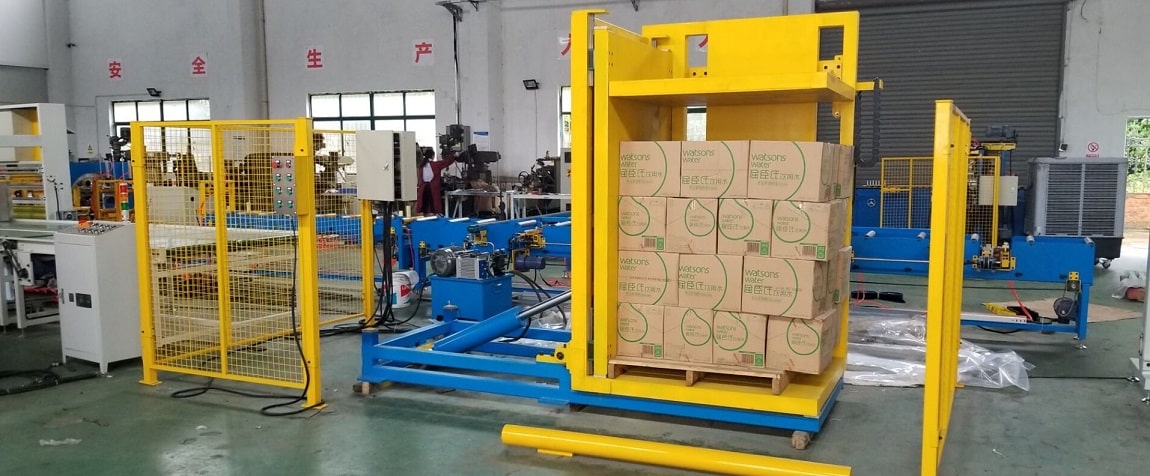
At FHOPEPACK, we pride ourselves on understanding diverse client needs. From my years in the industry, designing and building machines, I know that a one-size-fits-all approach does not work. We analyze a business’s unique challenges to recommend the ideal solution, ensuring they truly master their packing and logistics.
-
Fully Automatic vs. Semi-Automatic Systems Choosing between fully automatic and semi-automatic pallet changing systems depends largely on your production volume and automation goals. Fully automatic systems are integrated into existing production lines. They operate continuously without human intervention, ideal for high-volume warehouses and factories that run 24/7. These systems offer maximum efficiency and minimal labor requirements. They handle thousands of pallets daily, making them perfect for large distribution centers or manufacturing plants that need constant, fast throughput. For example, a major e-commerce fulfillment center in India would benefit greatly from a fully automatic system to keep up with massive order volumes. Semi-automatic systems require an operator to load and unload pallets, but the machine performs the actual pallet change. These are more flexible and cost-effective for medium-volume operations or warehouses with varying product lines. They still provide significant improvements in safety and efficiency over manual methods. They are a good entry point into automation for businesses that are growing or have mixed operational needs. FHOPEPACK offers both types, tailoring solutions to match your scale and budget, ensuring you get the right level of automation. (automatic pallet changer, semi-automatic solutions, production volume)
-
Types of Pallet Changers: Inverter, Freezer, Tipper, and Side Clamp Different pallet changing machines are designed for specific tasks and environments.
- Pallet Inverters: These machines physically rotate the entire load by 90, 180, or 360 degrees. They are perfect for changing damaged pallets, transferring goods to different pallet types, or inverting product for storage or presentation. They are versatile and widely used.
- Freezer Pallet Changers: Designed for cold storage environments, these machines handle frozen goods without disrupting the cold chain. They often feature robust construction and materials that can withstand sub-zero temperatures. This is critical for the food and pharmaceutical industries.
- Tipper Pallet Changers: These units tilt the load to a certain angle (e.g., 90 degrees) to allow for easy pallet exchange at floor level. They are good for lighter loads or when space is limited.
- Side Clamp Pallet Changers: These machines clamp the load from the sides, lift it, and then allow for the original pallet to be removed and a new one to be placed underneath. They are excellent for fragile or unstable loads that cannot be inverted. They keep the product orientation unchanged. Each type has unique advantages. Selecting the right one depends on your specific product, handling requirements, and operational environment. My team and I work closely with clients to identify the perfect machine type, ensuring it meets their precise needs. (pallet inverter types, freezer pallet solutions, load handling machines)
-
Specialized Solutions and Customization for Unique Needs Some warehouses have very specific or unique operational needs that standard pallet changers cannot fully address. This is where specialized solutions and customization become important. For example, a business might need a machine that can handle extremely heavy loads, oversized pallets, or irregular-shaped products. They might also require integration with a highly specific conveyor system or a unique facility layout. In such cases, a bespoke or customized pallet changing solution is the best approach. Customization involves modifying standard machines or designing entirely new ones to fit the client’s exact specifications. This can include adjusting machine dimensions, altering clamping mechanisms, or adding specific automation features. At FHOPEPACK, we often work with clients to develop these tailored solutions. We leverage our engineering expertise to create machines that seamlessly integrate into complex workflows. This ensures maximum efficiency and addresses all unique challenges. We believe in providing solutions that truly fit, not just a product that partially works. This commitment to customized solutions helps businesses overcome even the most difficult handling problems. (custom pallet solutions, specialized equipment, tailored automation)
Why Is Choosing the Right Pallet Changer Partner Important for Long-Term Success?
Investing in a pallet changing machine is a big decision. It is not just about buying a piece of equipment. It is about bringing automation into your core operations. So, why does choosing the right supplier matter so much for your long-term success?
Choosing the right pallet changer partner is crucial for long-term success because it guarantees reliable after-sales support, access to expert guidance for optimal system integration, and a commitment to understanding and solving your evolving warehousing challenges, far beyond a simple machine sale.
From my journey establishing a successful packing machine factory and helping countless clients grow, I know that a machine is only as good as the support behind it. It is about building a relationship, not just closing a deal. This philosophy drives FHOPEPACK, making us more than just a vendor.
-
Beyond the Sale: The Value of After-Sales Support and Maintenance When you invest in a pallet changing machine, you are buying a long-term asset. The machine will work hard every day. So, what happens when it needs maintenance, spare parts, or troubleshooting? This is where after-sales support becomes critical. A good partner provides excellent technical support, fast spare parts delivery, and regular maintenance services. Without this, even the best machine can become a liability if it breaks down and you cannot get it fixed quickly. Downtime is expensive. It stops your operations and costs you money. I have seen businesses suffer greatly due to poor after-sales service from other suppliers. We, at FHOPEPACK, understand this deeply. We make sure our clients receive continuous support. Our goal is to keep your machines running smoothly for many years. We provide clear manuals, remote assistance, and on-site service when needed. This approach minimizes your operational risks and maximizes your return on investment. It ensures your machine is a reliable asset, not a source of worry. (after-sales service, machine maintenance, technical support)
-
Expertise and Consultation: Understanding Your Unique Needs Every warehouse is different. Each business has unique challenges, goals, and operational workflows. A supplier who just wants to sell you a machine, without understanding your specific needs, might sell you the wrong solution. This can lead to inefficiencies, wasted money, and frustration. A true partner takes the time to listen. They offer expert consultation. They analyze your current operations, identify pain points, and suggest solutions that truly fit. This might involve recommending a specific type of pallet changer, customizing a machine, or helping you integrate it into your existing systems. My team at FHOPEPACK works closely with clients, just like I did when I was building my factory. We leverage our deep industry knowledge to provide tailored advice. We do not just sell machines; we sell solutions. This collaborative approach ensures that the pallet changer you buy is the perfect fit for your specific environment and helps you achieve your business goals. It is about solving your problems effectively. (expert consultation, tailored solutions, needs assessment)
-
A Partner for Growth: Long-Term Relationship and Innovation The warehousing and logistics landscape is constantly evolving. New technologies emerge, and market demands change. A good partner is not just there for the initial purchase. They are a partner for your long-term growth and innovation. They stay updated with industry trends. They offer upgrades and new solutions as your business evolves. They are committed to helping you adapt and stay competitive. I have always believed in building strong, lasting relationships with clients. This means being a reliable resource, sharing knowledge, and supporting their expansion. When you work with a company like FHOPEPACK, you gain a partner dedicated to your success. We are always looking for ways to improve our machines and our services. We want to see your business thrive. This long-term perspective ensures that your investment in a pallet changing machine continues to pay off well into the future. It is about building trust and growing together. (long-term partnership, industry innovation, business growth support)
Conclusion
Pallet changing machines are crucial for modern warehousing. They solve critical issues like efficiency, safety, and compliance. They help businesses, especially in growing markets like India, streamline operations and reduce costs. Choosing the right machine and a supportive partner is key. This ensures your investment in a pallet inverter contributes to long-term success and a smarter, safer future for your logistics.








