
Automatic Steel Wire Packing Line vs Manual Packing — Which Improves Productivity More?
Are you struggling to keep up with production demands in your metal processing factory? Do manual steel wire packing methods create bottlenecks, slow down your output, or even worse, put your team at risk? I know these challenges very well from my years in the packing machine industry. Many factory managers, like Michael Chen in Mexico, face these very real pressures every day. They are constantly looking for ways to boost efficiency, cut costs, and ensure a safer working environment.
An automatic steel wire packing line significantly improves productivity more than manual packing. It achieves this by increasing speed, enhancing safety, reducing labor costs, and minimizing product damage, addressing common bottlenecks in heavy manufacturing operations.
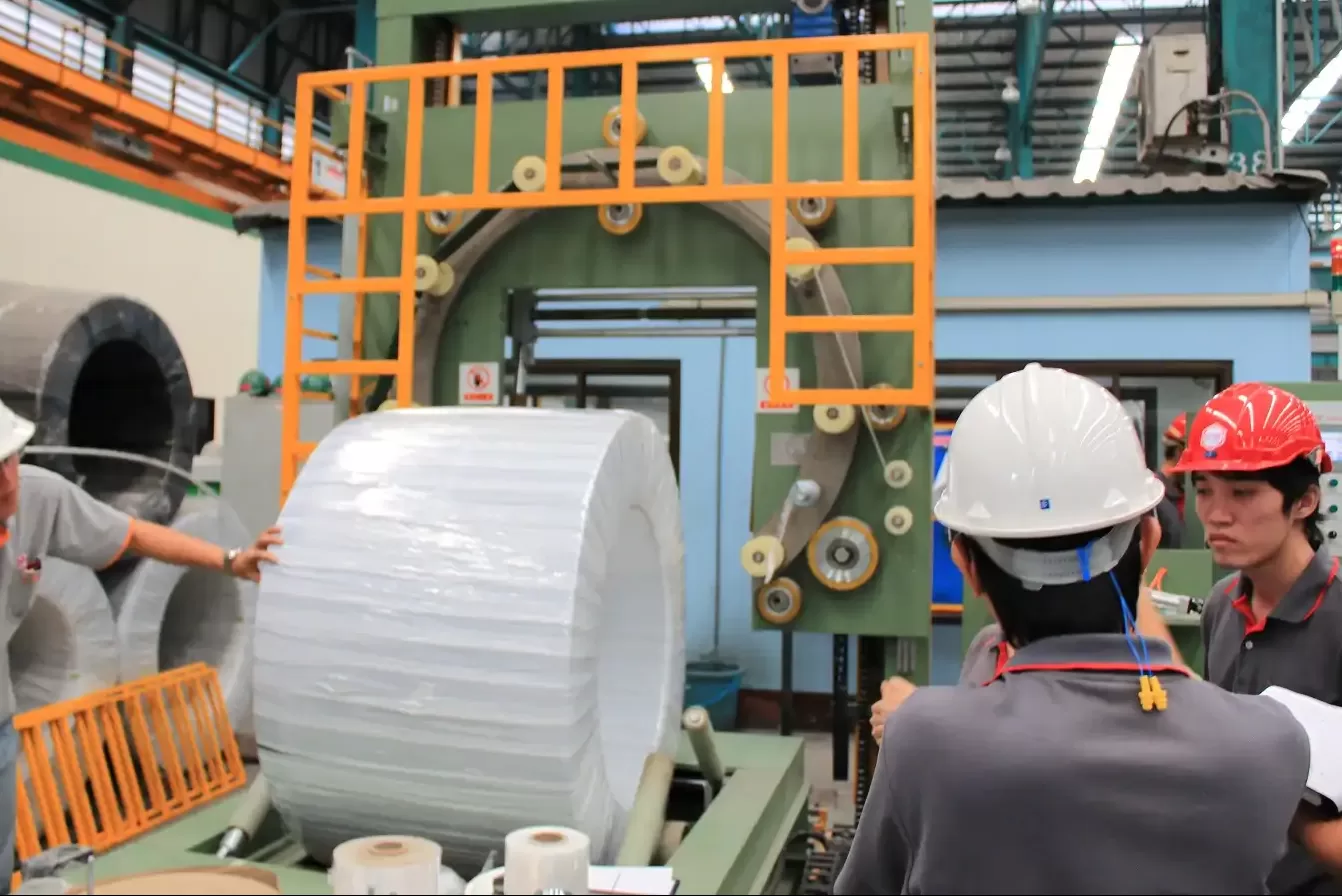
It is clear that the answer leans towards automation. However, understanding why this is the case, and how to make that transition effectively, is where real value lies. Let’s dig deeper into the specific issues and solutions that an automatic system brings to the table, helping factory managers like yourself make informed decisions for your business growth.
1. Why is Manual Steel Wire Packing a Bottleneck for Modern Factories?
Are you feeling the squeeze of slow production, especially at the end of your line? Many factory managers I’ve worked with express frustration about their packing department. They see it as a choke point. Manual steel wire packing, while traditional, simply cannot keep pace with today’s high-volume manufacturing demands. It is a major obstacle to achieving smooth and continuous operations. (manual packing bottlenecks)
Manual steel wire packing acts as a significant bottleneck in modern factories due to its inherent limitations in speed, consistency, and scalability, directly hindering overall production flow and delivery times.
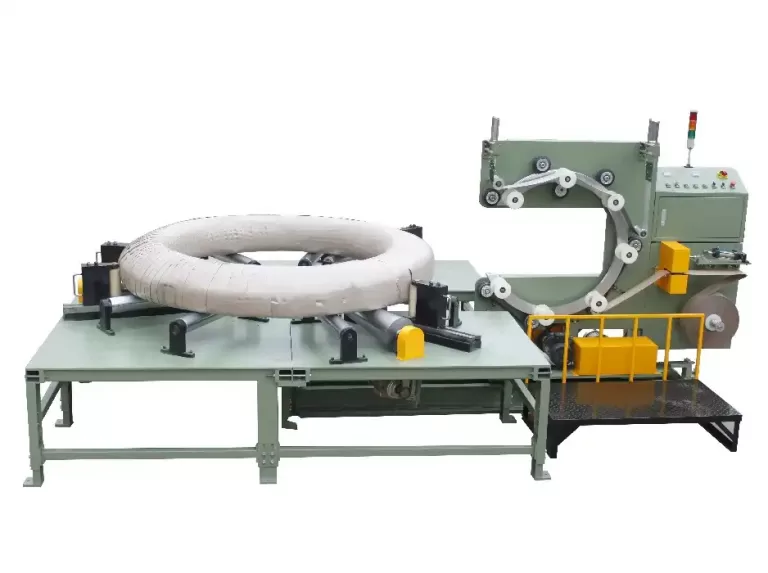
From my own experience, when I started in a packing machine factory, I saw firsthand the struggle. Workers would lift heavy coils, wrap them by hand, and then move them around. This process was not only slow but also inconsistent. One day, a team might pack at a certain rate, but the next day, due to fatigue or other factors, the rate would drop. This variability is a nightmare for production planning. Think about a factory manager in Mexico, like Michael, who needs to oversee an entire operation from raw materials to shipping. Any slowdown at the packing stage ripples through the whole system. If coils are not packed fast enough, they pile up. This creates a backlog and delays subsequent processes. It means waiting trucks, dissatisfied customers, and missed deadlines. The sheer physical effort required for manual coil packing also limits how quickly tasks can be completed. Workers can only lift so much, so fast, for so long. This human element, while valuable, becomes a significant constraint when scaling up production. Furthermore, the quality of manual packing can vary greatly from person to person. Some workers might wrap coils more tightly or neatly than others, leading to inconsistent product presentation. This lack of uniformity can affect customer perception and even product protection during transit. In an age where precision and speed are paramount, relying heavily on manual labor for such a critical final step is simply unsustainable for competitive growth. It slows down everything and makes it hard to deliver products on time.
Understanding the Impact of Manual Bottlenecks
- Reduced Throughput: Manual processes cannot match the speed of automated lines. This limits the number of products a factory can process daily.
- Increased Lead Times: Slow packing means products take longer to reach the customer. This can impact customer satisfaction and market competitiveness.
- Higher Operational Costs: Despite seeming cheaper upfront, manual labor incurs ongoing wages, benefits, and potential overtime to meet quotas.
- Quality Inconsistency: Human error or fatigue can lead to variations in packing quality. This affects product presentation and protection.
- Dependency on Labor Availability: Manual operations are highly dependent on having enough skilled workers. Labor shortages or high turnover can cripple production.
Why Automation is the Answer 💡
An automated system ensures a steady, predictable packing rate. It removes the human variability, providing consistent quality and speed. This frees up your valuable human resources to focus on more complex, value-added tasks. It transforms the packing area from a bottleneck into an efficient, flowing part of your production line. This is why investing in an automated steel wire packing line is not just an upgrade; it is a necessity for future growth and efficiency. (overcoming packing bottlenecks)
2. How Can Automated Steel Wire Packing Lines Enhance Workplace Safety?
Are you constantly worried about the safety of your factory workers, especially those handling heavy steel coils and wires? In heavy manufacturing, workplace safety is not just a regulatory requirement; it’s a moral obligation and a business imperative. The risks associated with manual handling of heavy items are substantial. They can lead to serious injuries, increased insurance costs, and high employee turnover. (workplace safety heavy manufacturing)
Automated steel wire packing lines significantly enhance workplace safety by minimizing direct human interaction with heavy, potentially dangerous materials, thereby drastically reducing the risk of musculoskeletal injuries, crushes, and other common industrial accidents.

When I was running my own packing machine factory, safety was always a top priority. I saw firsthand the strain on workers who manually moved and packed large steel coils. It’s tough, back-breaking work. Michael Chen, as a factory manager in Mexico, understands this perfectly. He knows that every time an employee manually lifts a heavy coil or attempts to flip a pallet, there’s a risk. A slip, a wrong move, or simply cumulative stress can lead to a serious injury. These incidents don’t just hurt the individual; they impact the entire operation. An injured worker means lost productivity, the cost of medical care, and potential legal fees. It also damages morale and can lead to higher insurance premiums. Automated packing lines are designed to take these heavy, repetitive, and dangerous tasks away from human hands. Machines use robotic arms, conveyors, and automatic wrapping mechanisms to handle the coils. This removes the need for workers to physically lift, push, or pull heavy materials. For example, an automatic strapping machine can secure a coil in seconds, without a human needing to get close to moving parts or heavy loads. This dramatically reduces the potential for sprains, strains, fractures, and even more severe accidents. Moreover, these systems can operate in controlled environments, often with safety sensors and interlocks that prevent operation if a human is too close. This layered approach to safety means fewer accidents, a healthier workforce, and ultimately, a more stable and reliable production environment. (reducing manual handling risks)
Key Safety Benefits of Automation 🛡️
| Safety Aspect | Manual Packing Risks | Automated Packing Solutions |
|---|---|---|
| Physical Strain | Back injuries, sprains, muscle fatigue from lifting | Machines handle heavy loads, eliminating manual lifting |
| Crushing Hazards | Risk of coils falling or shifting during handling | Secure conveyors and clamps prevent movement, controlled processes |
| Repetitive Strain | Carpal tunnel, tendonitis from repeated motions | Robots perform repetitive tasks, protecting human joints |
| Human Error | Misjudgment, fatigue leading to accidents | Consistent machine operation, safety interlocks prevent errors |
| Work Environment | Cluttered, potential for tripping hazards | Organized, defined workspaces, clear of manual obstacles |
Beyond Injury Prevention: A Culture of Safety 💯
Implementing automated packing solutions does more than just prevent individual injuries. It fosters a culture of safety throughout the factory. When workers see that management is investing in their well-being by providing safer equipment, it boosts morale and trust. It shows that their safety is valued. This commitment to safety can also reduce employee turnover, as workers are more likely to stay in an environment where they feel protected. Ultimately, a safer workplace is a more productive one. Workers who feel secure are more focused and efficient, contributing to the overall success of the factory. Choosing automation is a direct investment in the long-term health and stability of your workforce. (industrial automation safety)
3. What are the Financial Benefits of Switching to an Automatic Packing System?
Are you constantly looking for ways to cut costs and boost your factory’s bottom line? Every factory manager I’ve met, especially those leading medium-to-large operations, faces immense pressure to improve profitability. The question often isn’t if automation is better, but when and how it translates into tangible financial gains. Investing in new machinery can seem like a big step, but the return on investment (ROI) from an automatic packing system is often clearer and more substantial than many anticipate. (cost reduction in manufacturing)
Switching to an automatic packing system offers significant financial benefits through reduced labor costs, minimized product damage, increased operational efficiency, and a rapid return on investment, directly boosting a factory’s overall profitability.
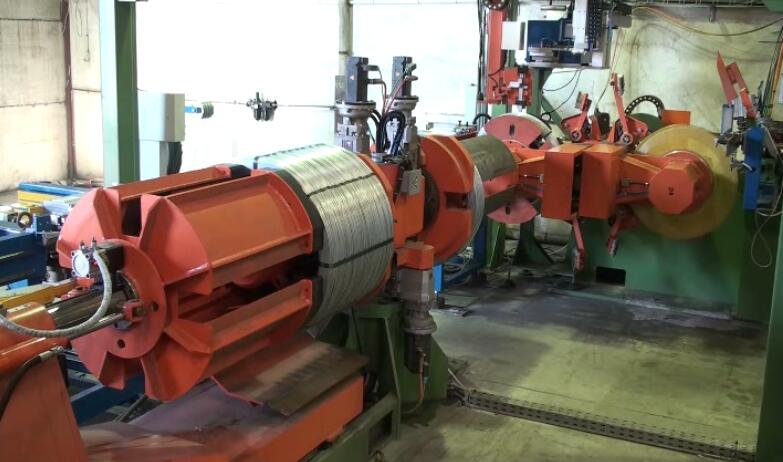
When I founded my own packing machine factory, I learned quickly that every penny counts. Making smart investments in equipment that pays for itself was key. Michael Chen, managing a metal processing plant in Mexico, can relate to this. He needs solutions that reduce expenses and improve profit margins. One of the most immediate financial benefits of an automatic steel wire packing line is the drastic reduction in labor costs. Manual packing requires multiple workers for heavy lifting, wrapping, and moving. These are ongoing salary expenses, plus benefits, insurance, and potential overtime. An automated system can replace several workers, allowing their reallocation to other, more skilled tasks within the factory, or reducing the total labor force dedicated to packing. This is not about cutting jobs entirely but about optimizing human resources. For example, instead of five people manually packing coils, you might need just one operator to oversee an automatic machine. This single shift in personnel can lead to substantial savings over time. Furthermore, manual handling often leads to product damage. Whether it’s a dented steel coil edge during transfer or an improperly secured wire coil, these losses add up. Every damaged product means rework, scrap, or customer complaints, all of which eat into profits. Automated systems are precise and consistent. They handle products gently and securely, significantly reducing the incidence of damage. This means fewer returns, happier customers, and a healthier profit margin on every product. (automated packing cost savings)
Calculating Your ROI: A Closer Look 💰
Let’s break down how these savings contribute to a robust ROI:
- Reduced Labor Expenses:
- Fewer workers needed for packing tasks.
- Lower overtime costs due to increased machine speed.
- Reduced training and recruitment expenses for repetitive roles.
- Minimized Product Loss:
- Automated handling prevents dents, scratches, and deformation of coils.
- Consistent, secure wrapping reduces transit damage.
- Fewer customer complaints and returns due to product integrity issues.
- Increased Throughput and Revenue:
- Faster packing times mean more products can be processed and shipped daily.
- Ability to meet higher demand without increasing shifts or manual labor.
- Improved delivery times can lead to greater customer satisfaction and repeat business.
- Lower Insurance & Safety Costs:
- Fewer workplace accidents result in lower workers’ compensation claims.
- Potential for reduced insurance premiums due to a safer work environment.
- Energy and Material Efficiency:
- Modern packing machines are often designed for energy efficiency.
- Automated systems optimize wrapping material usage, reducing waste.








