

Automatic Coil Packing Machine vs Manual Packing — Which Is Better?
Are you a factory manager, like my friend Michael in Mexico, constantly facing pressure to boost output, slash costs, and keep your team safe? Do your current steel coil and wire packing methods feel like a bottleneck, dragging down your entire operation? Many in the heavy manufacturing sector grapple with these exact issues every day. The decisions you make about your packing process can either propel your business forward or leave it struggling in the dust. It is a critical choice that impacts everything from employee morale to your bottom line.
For most modern heavy manufacturing operations, especially those handling steel coils and wire, an automatic coil packing machine is unequivocally better than manual packing. While manual methods might seem cheaper upfront, they inherently introduce inefficiencies, significant safety risks, higher labor costs, and a greater potential for product damage. Automatic systems, designed for the rigorous demands of industrial environments, provide superior speed, consistency, safety, and ultimately, a much better return on investment in the long run.
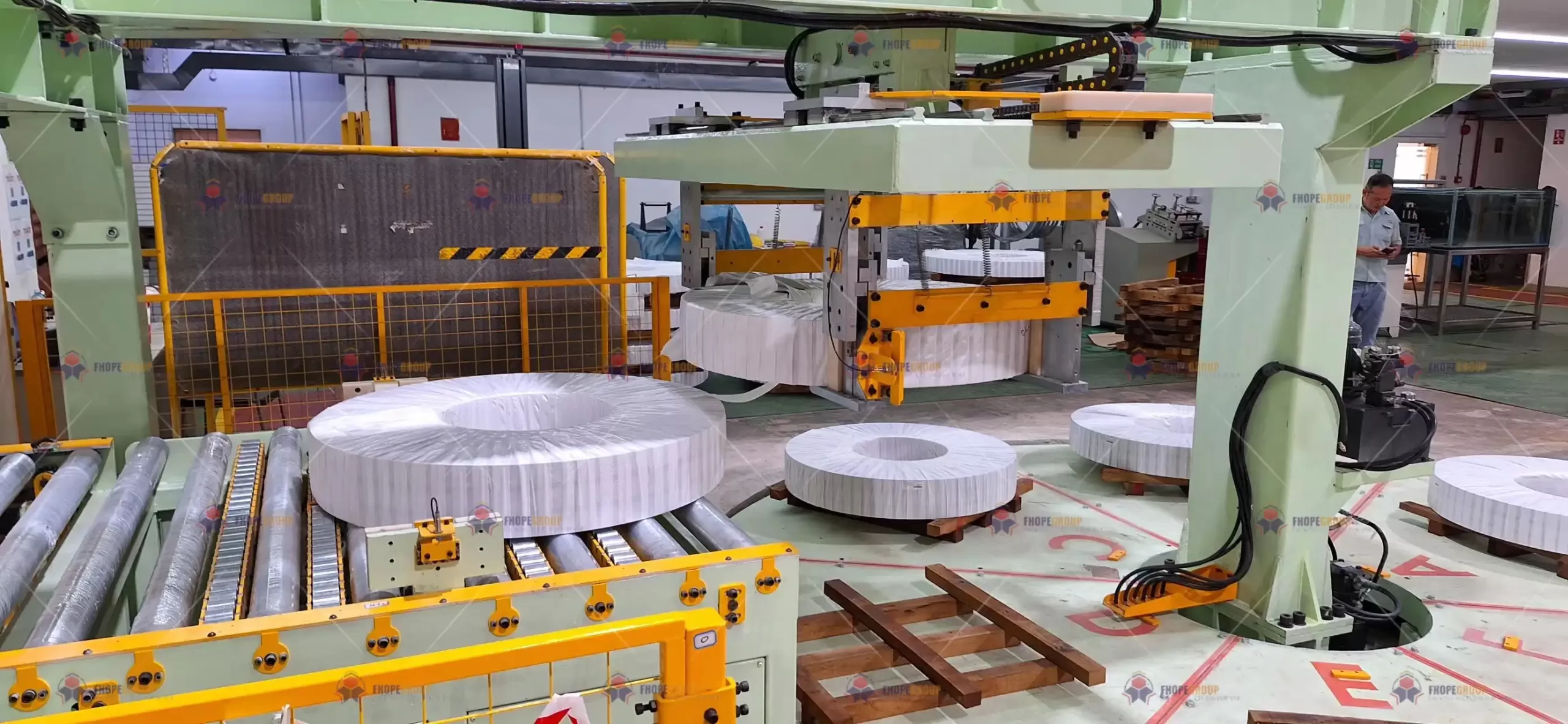

If you are pondering this crucial decision, wondering if it is time to upgrade or how automation truly benefits your factory, then you are in the right place. Let’s dive deeper into the real-world impact of both methods, drawing on my decades of experience in the packing machine industry.
1. Why is manual coil packing still a common challenge for manufacturers?
Are your production lines slowing down right at the finish line, all because of your packing process? For many manufacturing plants, especially those in heavy industries like steel or metal processing, manual coil packing is a persistent, painful bottleneck. It is a frustrating reality when you invest so much in efficient production only to see it falter during the final, crucial step. This manual approach not only creates delays but also brings a host of other complex problems that silently erode your operational efficiency and profit margins.
Manual coil packing remains a common challenge because it is inherently slow, inconsistent, and heavily reliant on physically demanding human labor, leading to significant efficiency bottlenecks. This method is prone to human error, struggles with the heavy weight and awkward dimensions of coils, and cannot keep pace with the high production volumes required by modern industrial demands, making it a major source of operational inefficiency and a barrier to seamless material flow.
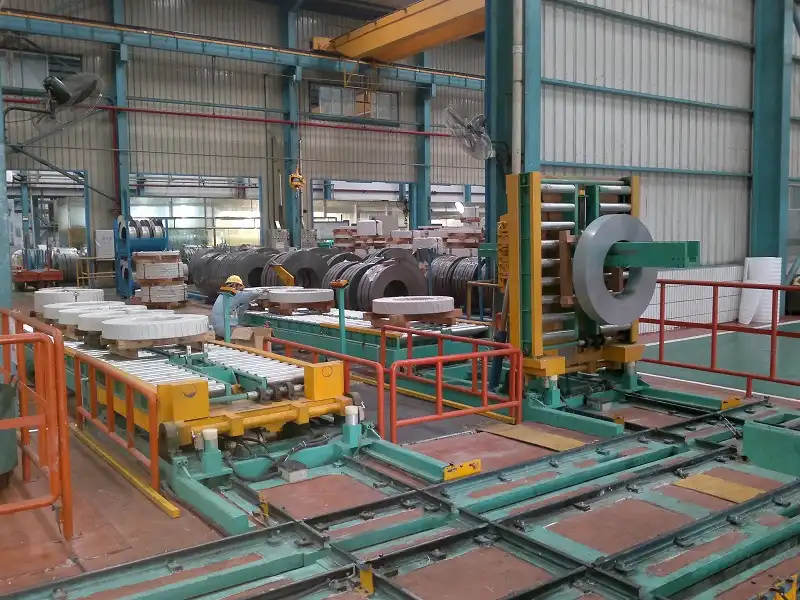

When I started my journey in the packing machine industry, I saw countless factories wrestling with these very issues. They had state-of-the-art production lines but fell back on outdated packing methods. Let’s break down why manual packing, despite its initial perceived simplicity, creates so many obstacles for businesses striving for excellence.
The Hidden Costs and Bottlenecks of Manual Packing
Manual packing often appears to be the cheaper option because it does not require significant capital investment in machinery. However, this perspective overlooks the substantial long-term costs and operational inefficiencies it introduces. My experience tells me that what you save in equipment, you often lose many times over in other areas.
Consider these critical aspects:
-
Labor Intensive and High Costs: Manual packing requires a significant workforce. These workers are not just packing; they are often lifting, shifting, and struggling with heavy, awkward coils. This leads to higher wages, overtime pay, and increased hiring and training costs. In regions like Mexico, where labor costs are rising, relying on manual processes for tasks that can be automated becomes increasingly uneconomical.
- Impact: Elevated operational expenses, reduced overall profitability. (manual packing labor cost, industrial labor shortage)
-
Inconsistent Quality and Product Damage: Human hands, no matter how skilled, cannot achieve the consistent tension and precise overlap that a machine can. This often results in loose wraps, uneven protection, and coils that are vulnerable to damage during handling or transit. Michael, for instance, frequently deals with damaged steel coil edges, leading to customer complaints and financial losses.
- Impact: Increased customer returns, damaged goods, brand reputation erosion. (inconsistent packing quality, product damage during transit)
-
Slow Speeds and Production Bottlenecks: The sheer speed of manual packing simply cannot compete with an automated system. Imagine trying to manually wrap dozens of heavy coils per hour. It is physically impossible to maintain the necessary pace without sacrificing quality or risking injury. This bottleneck at the end of the line nullifies efficiencies gained upstream.
- Impact: Reduced throughput, inability to meet tight delivery schedules, lost revenue opportunities. (slow packing speeds, production line bottleneck)
-
Limited Customization and Flexibility: Manual packing struggles with variations in coil size, weight, and desired packaging styles. Adapting to different requirements means more manual adjustments, more time, and more potential for error. Automation, with its programmable settings, offers much greater flexibility and consistency across diverse product ranges.
- Impact: Inflexibility in production, difficulty adapting to market demands. (coil packing flexibility, customized packaging solutions)
From my perspective at FHOPEPACK, these challenges are not just theoretical; they are real-world problems that manufacturing facilities face daily. Shifting from a manual setup often feels like a daunting task, but the long-term benefits far outweigh the initial hurdles. It is about understanding the true cost of not automating.
2. How do automatic coil packing machines transform factory efficiency and productivity?
Is your factory constantly battling to keep up with demand, only to find your packing process is the weakest link? Many production managers, just like Michael in Mexico, understand that efficiency isn’t just about making things faster; it’s about making them smarter. They know that streamlining operations, especially in high-volume, heavy-duty environments, is key to staying competitive. Manual packing, with its inherent limitations, simply cannot deliver the kind of sustained efficiency and productivity gains that today’s market demands.
Automatic coil packing machines fundamentally transform factory efficiency and productivity by eliminating manual bottlenecks, drastically increasing throughput, and ensuring consistent, high-quality packaging. These machines operate continuously with minimal human intervention, dramatically reducing labor requirements and operational costs. By integrating seamlessly into existing production lines, automated systems optimize the entire end-of-line process, allowing factories to meet higher production targets and improve overall operational flow without compromising on the integrity or safety of their heavy products.
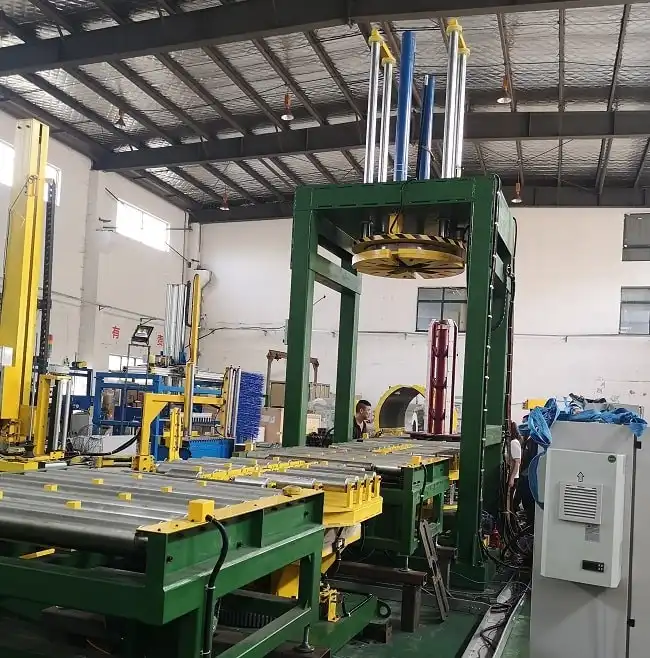

I have seen firsthand how the introduction of automation can revolutionize a factory floor. When I established my own packing machine factory, a core principle was designing systems that not only packed efficiently but also integrated smoothly into a broader production ecosystem. It is about moving beyond just packing and embracing a holistic approach to operational excellence.
Unlocking Peak Performance: The Automation Advantage
The switch to automatic coil packing is not merely an equipment upgrade; it is a strategic investment in the future efficiency and profitability of your entire operation. Here’s how these machines deliver tangible improvements:
🚀 Increased Throughput and Speed
Automatic coil packing machines are built for speed and continuous operation. They can wrap dozens of coils per hour, far exceeding manual capabilities. This means:
- Faster Processing: Reduced cycle times for each coil, leading to more coils processed in the same timeframe.
- Elimination of Bottlenecks: The packing stage no longer slows down upstream production. Products move smoothly from manufacturing to shipping.
- Consistent Pace: Machines do not tire, ensuring a steady output throughout the shift, regardless of operator fatigue.
Consider this comparison:
| Feature | Manual Packing | Automatic Coil Packing |
|---|---|---|
| Speed (Coils/Hour) | 5-10 (highly variable) | 20-60+ (consistent) |
| Labor Dependency | High (multiple operators) | Low (1-2 operators for supervision) |
| Operational Hours | Limited by shifts, breaks, fatigue | Continuous (24/7 potential) |
| Consistency | Variable | High |
| Error Rate | Higher | Very low |
| Scalability | Difficult and expensive (more labor) | Easy (add more machines or faster models) |
- Insights: Automated systems offer unparalleled speed and consistency, directly translating to higher production volumes and predictable delivery schedules. (high-speed coil wrapping, efficient industrial packing)
✨ Optimized Resource Allocation
Automation significantly reduces the need for extensive manual labor in the packing department. This allows factories to:
- Reduce Labor Costs: Fewer workers are needed for the packing process, lowering payroll expenses and associated benefits.
- Reallocate Skilled Labor: Valuable employees can be moved to more complex, value-added tasks within the factory, utilizing their skills more effectively.
- Minimize Training Overhead: Training for machine operation is typically faster and less intensive than training multiple individuals for complex manual packing techniques.
This also impacts overall factory layout and logistics. With compact automatic systems, you can free up valuable floor space, making your factory floor more organized and efficient.
⚙️ Enhanced Integration and Data Management
Modern automatic packing machines can often integrate with existing factory management systems (MES, ERP). This means:
- Real-time Monitoring: Track packing progress, material consumption, and machine status in real-time.
- Predictive Maintenance: Data analytics can help predict when maintenance is needed, preventing costly unplanned downtime.
- Improved Planning: Accurate data allows for better production planning, inventory management, and supply chain optimization.
The shift to an automated coil packing system, like those FHOPEPACK designs, is not just about getting a machine. It’s about implementing a solution that elevates your entire factory’s performance, allowing you to produce more, faster, and smarter. This is how you truly master your packing process.
3. What are the critical safety advantages of automating your coil packing process?
Are you, like many factory managers, constantly worried about the safety of your team, especially when handling heavy and awkward materials like steel coils? The images of workers manually moving massive coils or struggling to wrap them by hand are not just inefficient; they represent a significant, ongoing safety risk. These operations lead to preventable injuries, rising insurance costs, and unfortunate employee turnover. The human cost alone is a compelling reason to seek safer alternatives.
Automating your coil packing process delivers critical safety advantages by drastically minimizing direct human interaction with heavy coils, reducing the risk of musculoskeletal injuries, crushes, and strains. Automated systems handle the repetitive, strenuous, and dangerous tasks, creating a much safer working environment for employees. This shift not only protects workers from physical harm but also reduces compensation claims, lowers insurance premiums, and improves overall workplace morale, making it a fundamental upgrade for any heavy manufacturing facility.
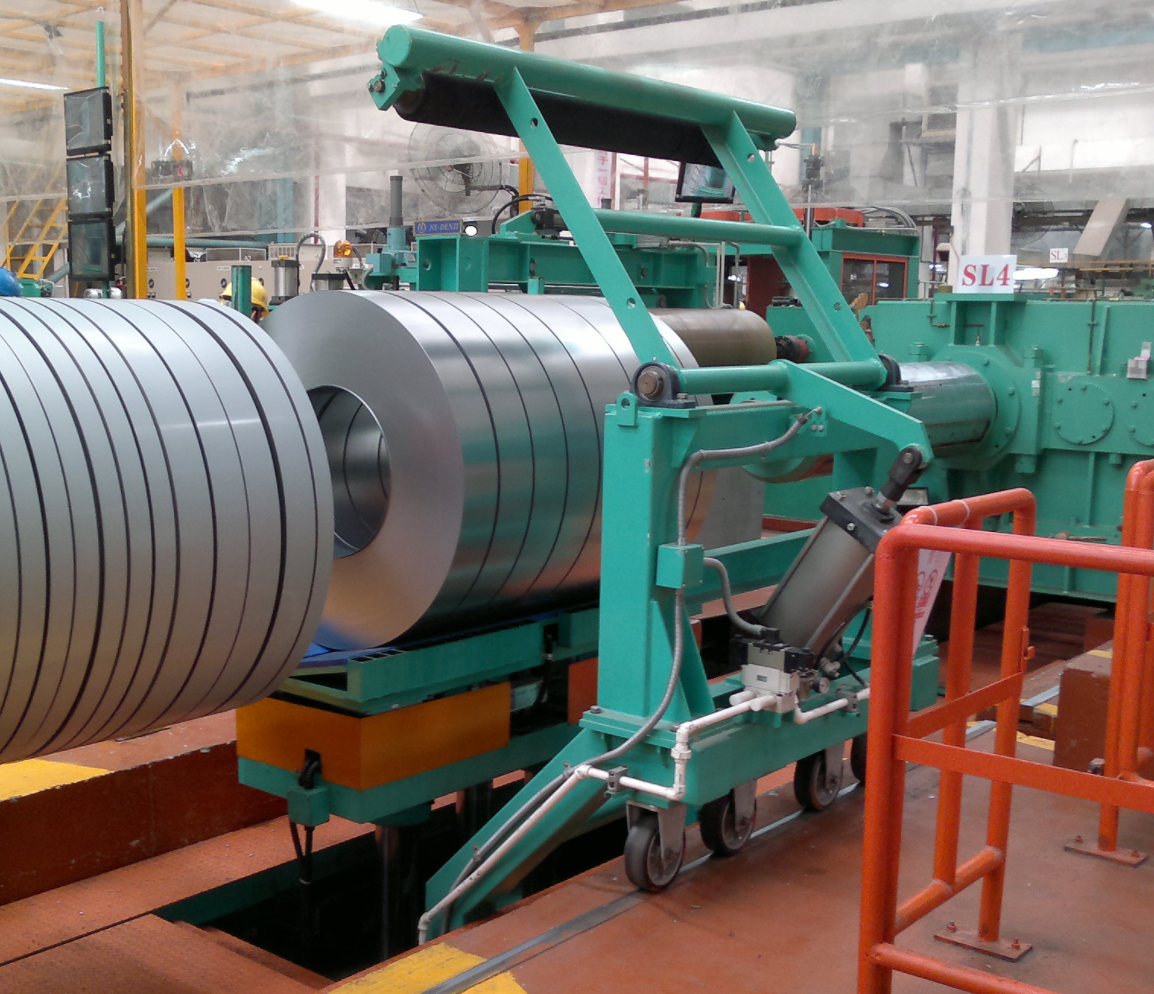

From my early days working on packing machine floors, safety was always a major concern. The sight of workers straining, or worse, getting injured, deeply impacted me. When I founded FHOPEPACK, safety was not an afterthought; it was a fundamental design principle. We build machines to protect your most valuable asset: your people.
Prioritizing Worker Well-being Through Automation
The most significant benefit of an automatic coil packing machine, beyond efficiency, is its ability to create a vastly safer working environment. Here’s how:
🛡️ Elimination of Manual Heavy Lifting
Heavy coils, especially those weighing hundreds or thousands of kilograms, pose immense risks during manual handling. Workers are vulnerable to:
- Musculoskeletal Injuries: Strains, sprains, and chronic back problems from lifting, pushing, or pulling heavy loads.
- Crush Injuries: Limbs or bodies getting caught between coils or machinery.
- Dropping Hazards: Coils slipping and falling, causing severe injury or even fatality.
Automatic systems, such as coil cars, up-enders, and integrated packing lines, take over these hazardous tasks. They lift, position, and rotate coils with precision and power, removing humans from the direct line of fire.
👷 Reduced Exposure to Repetitive Motion and Fatigue
Even if coils are moved with cranes, the manual packing process itself often involves repetitive bending, stretching, and applying tension, which can lead to:
- Repetitive Strain Injuries (RSIs): Carpal tunnel syndrome, tendonitis, and other conditions from continuous, monotonous movements.
- Fatigue-Related Accidents: Tired workers are more prone to making errors, leading to slips, falls, or misjudging distances.
Automation performs these repetitive tasks tirelessly and accurately, minimizing the physical toll on employees. Workers can supervise, monitor, and perform maintenance, rather than endure the strain of manual packing.
🚨 Enhanced Safety Features and Compliance
Modern automatic packing machines come equipped with advanced safety features designed to protect operators:
- Safety Guards and Interlocks: Prevent access to moving parts during operation.
- Emergency Stop Buttons: Provide immediate shutdown capability in case of unforeseen events.
- Sensors and Alarms: Detect obstructions or malfunctions, alerting operators and stopping the machine.
- Controlled Environments: Many systems operate within safety cages or designated zones, keeping human operators at a safe distance.
By automating, factories like Michael’s can more easily meet stringent safety regulations and industry standards. This not only avoids potential fines but also demonstrates a genuine commitment to employee well-being, fostering a positive work culture.
💡 Improved Morale and Reduced Turnover
When a factory actively invests in its employees’ safety, it builds trust and improves morale. Workers feel valued when they are not asked to perform dangerous and physically taxing jobs. This leads to:
- Higher Job Satisfaction: Employees are happier in a safer environment.
- Reduced Absenteeism: Fewer injuries mean fewer sick days.
- Lower Employee Turnover: People are more likely to stay with a company that prioritizes their health and safety.
Ultimately, the safety advantages of automatic coil packing machines are not just about avoiding accidents; they are about creating a workplace where employees feel secure, valued, and empowered to do their best work without fear of injury. It’s a win-win for both the business and its people.
4. Can automatic packing truly reduce operational costs and prevent product damage?
Is your factory constantly struggling with two critical issues: escalating operational costs and frustrating product damage during packing and transit? For production managers like Michael, these are not just minor inconveniences; they directly impact profitability and customer satisfaction. The perceived high initial cost of automation often makes factories hesitate, but this overlooks the significant, often hidden, expenses associated with manual processes – expenses that continuously drain your resources and compromise your product quality.
Yes, automatic packing can truly reduce operational costs and prevent product damage by minimizing labor expenses, optimizing material usage, and ensuring consistent, high-quality packaging. By eliminating human error and physical strain, automation drastically cuts down on injury-related costs, reduces rework, and protects valuable products like steel coils and wire from scuffs, dents, and environmental exposure. This ultimately leads to a higher return on investment (ROI) through enhanced efficiency, fewer customer complaints, and a stronger bottom line.
From my vantage point, after decades in this industry, the ROI on automatic packing solutions is often far more robust than initial estimates suggest. It is not just about buying a machine; it is about investing in a system that pays for itself by plugging financial leaks and safeguarding your product integrity.
The Financial and Quality Impact of Smart Automation
Let’s dissect how automatic coil packing directly addresses these critical business concerns.
💰 Significant Cost Reduction
The financial benefits of automation extend far beyond just labor savings. They encompass a holistic reduction in various operational expenditures:
- Lower Labor Costs: As discussed earlier, fewer personnel are needed for direct packing tasks, leading to substantial savings on wages, benefits, and overtime.
- Reduced Insurance Premiums: A safer workplace with fewer accidents often translates to lower workers’ compensation claims and, consequently, reduced insurance premiums.
- Optimized Material Usage: Automatic machines apply wrapping materials (stretch film, VCI paper, strapping) with precise tension and overlap, minimizing waste. Manual wrapping often uses more material than necessary or applies it unevenly, leading to higher material consumption.
- Decreased Training Expenses: While initial training for machine operation is required, the ongoing need to train new manual packing staff or retrain for complex manual techniques is significantly reduced.
- Energy Efficiency: Modern automatic machines are designed for energy efficiency, contributing to lower utility bills compared to the cumulative energy used by various manual processes or older, less efficient equipment.
This table illustrates the cost-saving potential:
| Cost Category | Manual Packing Impact | Automatic Packing Impact |
|---|---|---|
| Labor | High, rising | Significantly reduced |
| Insurance/Injuries | High, frequent | Low, rare |
| Packaging Material | Often excessive, wasted | Optimized, precise |
| Product Rework/Damage | High, frequent | Very low, consistent |
| Training | Ongoing, variable | Initial, then minimal |
| Downtime (Packing) | Frequent due to fatigue/error | Minimal, predictable |
- Insights: Automation provides a clear path to reducing variable costs and increasing predictable operational expenses, making budgeting more stable. (packing cost reduction, material waste minimization)
📉 Prevention of Product Damage
Product damage is not just an inconvenience; it is a direct hit to your profits and your reputation. Automatic systems are specifically engineered to handle products delicately while securing them effectively:
- Consistent Wrapping and Protection: Machines apply wrapping materials with uniform tension and full coverage, creating a robust protective barrier against moisture, dust, and physical abrasion. This is crucial for products like steel coils which are susceptible to rust and surface damage.
- Controlled Handling: Integrated conveyor systems and coil handling equipment (like FHOPEPACK’s coil cars and up-enders) move coils smoothly and without jarring impacts, unlike manual handling which can involve rougher movements or dropping.
- Reduced Human Error: Manual packing is prone to errors such as incomplete wrapping, incorrect strapping tension, or misplacement of protective elements. Automation eliminates these human inconsistencies, ensuring every coil receives the same high standard of protection.
- Tailored Solutions: Automated systems can be programmed to use specific wrapping patterns, layers, and materials precisely suited to the product’s vulnerability and transport conditions, ensuring optimal protection for each item. This prevents common issues like edge damage on steel coils during internal transfer or external shipment.
By investing in an automatic coil packing machine, you are not just buying equipment; you are securing peace of mind. You are ensuring that your valuable products arrive at your customers’ facilities in pristine condition, reducing complaints, minimizing returns, and ultimately, strengthening your client relationships and brand image. This is a strategic move for any forward-thinking factory aiming to master packing machine.
5. How do I choose the right automatic coil packing solution for my factory?
Are you feeling overwhelmed by the sheer number of options when considering automatic coil packing solutions? Many factory managers, including Michael, tell me they’ve been burned by suppliers who promise the world but deliver poor after-sales service or equipment that doesn’t truly fit their needs. It is a significant investment, and you need a partner who understands your unique challenges – from those critical production bottlenecks to safety concerns and efficiency demands. Making the right choice means finding a solution that not only works but also genuinely drives your business forward.
Choosing the right automatic coil packing solution for your factory requires a thorough assessment of your specific operational needs, product characteristics, and future growth plans. It is crucial to partner with an experienced supplier who offers proven technology, excellent after-sales support, and a deep understanding of your industry’s unique challenges. Look for systems that promise high ROI, enhance safety, streamline efficiency, and can adapt to your factory’s evolving demands, prioritizing long-term partnership over a mere transactional purchase.
When I founded FHOPEPACK, my mission was to be that trusted partner. Having started as an employee in a packing machine factory and then building my own successful one, I know the industry inside and out. My goal is to share that expertise, ensuring you invest wisely and get a solution that truly empowers your business.
Navigating the Selection Process: A Guide to Smart Investment
Selecting the ideal automatic coil packing machine is a strategic decision that demands careful consideration. Here’s a structured approach to help you make an informed choice:
🎯 Define Your Specific Needs and Challenges
Before looking at any machine, you must clearly articulate what problems you are trying to solve and what goals you aim to achieve.
- Product Specifications:
- What are the typical dimensions (diameter, width) and weight of your coils (steel coils, wire coils, etc.)?
- What materials are your coils made of, and what specific protections do they need (anti-rust, anti-scratch, weather protection)?
- Do you need horizontal or vertical packing, or both? (e.g., steel wire packing, coil packing)
- Production Volume and Speed:
- How many coils do you need to pack per hour or per day?
- What is your current packing speed, and what is your target?
- Do you anticipate future production increases?
- Factory Layout and Integration:
- What is your available floor space?
- How will the new machine integrate with your existing production lines, conveyors, and material handling equipment?
- Are there specific power or utility requirements?
- Budget and ROI Expectations:
- What is your realistic budget for the investment?
- What is your expected return on investment, considering labor savings, reduced damage, and increased throughput?












