
Is Automatic Coil Packing Machine Adoption Rising in Mexico?
Are you a factory manager in Mexico, like Michael, constantly battling production bottlenecks, safety hazards, and product damage in your heavy-duty operations? Do you feel the pressure to boost output, control costs, and maintain safety standards while searching for durable equipment that won’t let you down? You are not alone in this struggle. Many leaders in the Mexican manufacturing sector face these exact challenges every day.
Yes, the adoption of automatic coil packing machines is indeed rising across Mexico’s industrial landscape, particularly within the metal processing and heavy manufacturing sectors. This shift is driven by a clear need to address inefficiencies, enhance worker safety, reduce product loss, and find reliable automation partners. Forward-thinking factories are recognizing that investing in automated solutions offers a tangible path to greater productivity and profitability in competitive markets like Mexico. These machines are becoming essential for modern manufacturing facilities aiming for operational excellence.

As someone who started on the factory floor and then built a successful packing machine business, I understand these pressures firsthand. My journey, from employee to entrepreneur, has shown me the power of smart automation. Now, at FHOPEPACK, my mission is to share that knowledge. So, if you are looking to truly understand the benefits of these systems and how they can transform your operations, keep reading. We will explore the vital questions behind this growing trend and how it can benefit your business.
1. Why Are Mexican Factories Investing in Automatic Coil Packing Machines Now?
Is your current packing process a major bottleneck, slowing down your entire production line and impacting delivery times? Are you worried about the high costs associated with manual labor and the constant risk of workplace injuries? Many Mexican manufacturers are facing these exact issues, pushing them to seek out more efficient and safer solutions.
Mexican factories are investing in automatic coil packing machines primarily to overcome significant operational challenges such as labor-intensive processes, safety risks, and product damage, which are increasingly unsustainable in today’s competitive environment. The drive for higher productivity, coupled with rising labor costs and a strong focus on worker well-being, makes automation a compelling solution. Companies are actively looking for ways to streamline their end-of-line processes, reduce dependency on manual handling of heavy materials, and improve overall product quality before shipment, ensuring consistent output and customer satisfaction.
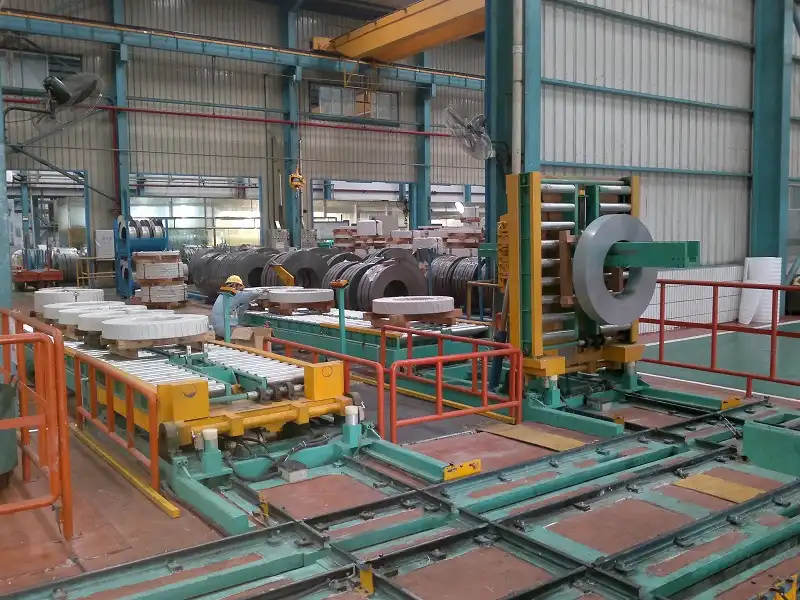
From my experience, factory managers like Michael are not just looking for a quick fix. They need strategic investments that offer clear, measurable returns. The decision to invest in automatic coil packing machinery in Mexico is a response to several interconnected pressures and opportunities.
Addressing Core Industrial Pain Points
Mexican manufacturing, particularly in heavy industries such as steel and metal processing, has traditionally relied on manual labor for many tasks. While this approach has its merits, it often leads to critical issues when it comes to packaging heavy, bulky items like steel coils or wire coils.
- Labor Dependency and Rising Costs:
- High Manual Labor Input: Many factories still use extensive manual labor for coil packaging. This requires a large workforce on the packing line.
- Increased Operating Expenses: Labor costs, including wages, benefits, and overtime, continue to rise in Mexico. This directly impacts the factory’s bottom line.
- Labor Shortages: Finding and retaining skilled labor for repetitive and physically demanding packing jobs is becoming harder. This leads to production delays and inconsistent quality.
- (labor cost reduction Mexico)
- Safety Hazards and Regulations:
- Risk of Injury: Manual handling of heavy steel coils poses significant risks to workers. Back injuries, crushed limbs, and other accidents are common.
- Compliance with STPS (Secretaría del Trabajo y Previsión Social): Mexican labor laws demand safer working conditions. Factories face penalties and reputational damage for non-compliance.
- Insurance Costs: High rates of workplace injuries directly translate to higher insurance premiums for the company. This eats into profits.
- (industrial safety Mexico)
- Product Damage and Quality Control:
- Coil Edge Damage: During manual movement or strapping, steel coil edges can easily get damaged. This leads to product rejection and customer complaints.
- Inconsistent Packaging: Human error can result in inconsistent or improper packaging. This offers less protection during transit and storage.
- Profit Loss: Damaged goods lead to rework, scrap, and lost sales. This directly impacts the factory’s profitability.
- (preventing steel coil damage)
- Production Bottlenecks:
- Slow Packing Speeds: Manual packing is inherently slower than automated processes. This creates a bottleneck at the end of the production line.
- Reduced Throughput: The slow packing process limits the overall output of the factory. This affects delivery schedules and customer satisfaction.
- Missed Opportunities: Inability to scale production quickly means missing out on larger orders or new market opportunities.
- (production line optimization Mexico)








