
Analysis Report on Packaging Requirements and Packaging Machinery Solutions in the Timber Industry
- Executive Summary This report aims to comprehensively analyze the packaging requirements for various products within the timber industry and explore corresponding packaging machinery solutions. The report begins by outlining the diversity of timber products, from raw logs to finished furniture and biomass fuel, and their unique packaging needs. Core packaging requirements revolve around product protection (physical damage, environmental factors), operational efficiency, cost-effectiveness, regulatory compliance (particularly ISPM 15), sustainability, and brand messaging. The analysis indicates that the initial form of timber, the degree of processing, its value, and its final use are key factors determining the packaging strategy.
The report details specific packaging materials and methods for major product categories, including raw logs, sawn lumber, engineered wood panels, wood furniture (including RTA furniture), wood chips, and wood pellets. Emphasis is placed on protective measures against moisture, mold, insects, cracking, and deformation, as well as the strict requirements of ISPM 15 regulations for international transport and their impact on packaging choices. Sustainability, as an industry trend, is reflected in the increasing focus on environmentally friendly materials (such as FSC certified products), recyclable/reusable designs, and emerging Extended Producer Responsibility (EPR) schemes.
Regarding packaging machinery solutions, the report covers strapping systems, wrapping technologies, bagging machinery, crating and box-making equipment, automated handling systems, and marking and labeling equipment. It analyzes how machinery with different levels of automation (manual, semi-automatic, fully automatic) can adapt to the needs of varying production volumes and product types. Special attention is given to equipment specific to the characteristics of the timber industry, such as orbital wrapping machines for long lumber and high-speed FFS bagging machines for pellet products.
Finally, the report summarizes key trends, including the application of automation and smart packaging (such as RFID, sensors, artificial intelligence) in improving efficiency and supply chain visibility. It offers recommendations for timber companies to optimize their packaging strategies, emphasizing the need to develop differentiated solutions based on product characteristics, actively address international standards like ISPM 15, prioritize moisture management, invest in suitable machinery, balance cost and performance, advance sustainability goals, and leverage packaging for brand building. This report is intended to provide strategic reference for the timber industry and related packaging solution providers to address market challenges and seize development opportunities.
2. Introduction: The Diverse Packaging Landscape of the Timber Industry
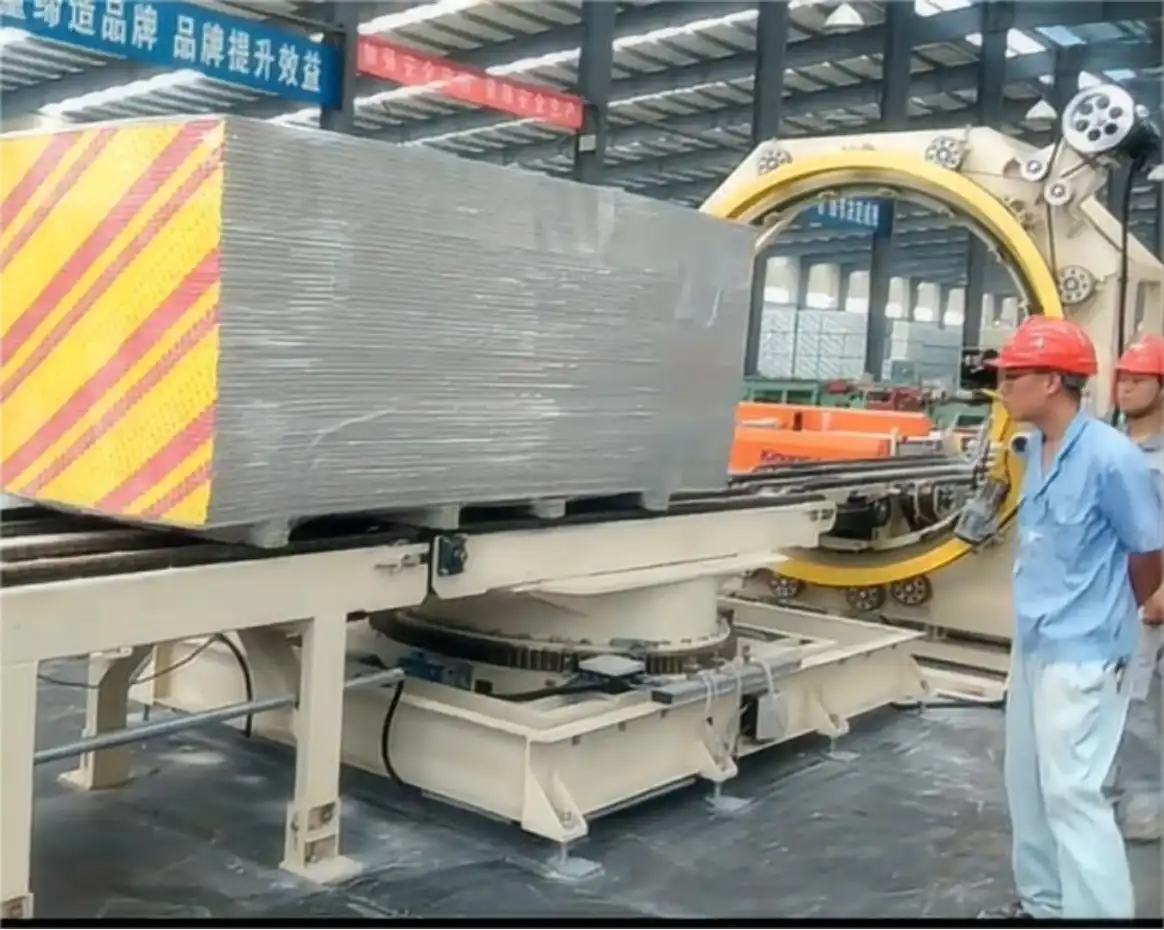
The timber industry encompasses a wide range of products, from raw materials to highly processed finished goods, resulting in significant diversity and complexity in its packaging needs. Understanding the characteristics of different timber products and the challenges they face during storage, transportation, and sales is fundamental to developing effective packaging strategies.
2.1. Overview of Major Timber Product Categories
Timber industry products can be broadly classified into the following major categories, each with its unique packaging considerations:
- Raw Logs: Refers to harvested tree trunks that have not undergone further processing. Their main characteristics are large volume and heavy weight. During transportation, they are susceptible to environmental factors (such as humidity and temperature changes) and may face the risks of cracking, insect infestation, and fungal attack1. Raw logs are often considered bulky, low-value commodities that cannot bear expensive transportation costs1.
- Sawn Lumber: Includes boards, timbers, beams, etc., processed through sawing. The focus of packaging is to maintain structural integrity, appearance (avoiding stains, scratches), and prevent warping, cracking, or dimensional changes during storage and transport2.
- Engineered Wood Panels: Such as Plywood, Oriented Strand Board (OSB), Medium-Density Fiberboard (MDF), Particleboard, etc. These are industrially produced panels highly sensitive to edge damage, surface abrasion, and moisture2. Plywood, with its cross-laminated veneer structure, possesses high strength and stability3. OSB, as an economical alternative to plywood, is known for its strength and moisture resistance3. MDF has a smooth surface that is easy to finish but is relatively poor in moisture resistance3.
- Wood Furniture (including Ready-to-Assemble – RTA): As finished consumer goods, wood furniture requires extremely high protective packaging to prevent scratches, impacts, crushing, and damage caused by environmental factors (humidity, temperature). RTA furniture, packaged in component form, has special requirements for securing and protecting internal parts and clear assembly instructions4.
- Wood Chips: Commonly used as biomass fuel, pulp raw material, or landscaping mulch. Their packaging primarily focuses on containment, moisture protection, contamination prevention, and ease of handling5.
- Wood Pellets: A high-density biomass fuel. The core of their packaging is to prevent moisture absorption (which causes pellets to swell, crumble, and reduce calorific value), minimize dust (fines) generation, and maintain pellet integrity to ensure combustion efficiency and usability in automatic feeding systems6.
2.2. Unique Properties Affecting Packaging
Properties such as density, moisture content, surface finish, value, final use, and transportation method directly influence the choice of packaging strategy for timber products.
The initial form of timber is the primary factor determining packaging complexity and cost. For raw materials like logs, packaging often prioritizes sturdiness and transportation economy, with a relatively simple packaging form1. As the degree of processing increases, such as engineered wood panels, more meticulous protection of their surfaces and edges is required3. For high-value finished products like wood furniture, multi-level, even customized packaging solutions are needed to cope with various risks that may arise during transportation and handling, ensuring the product reaches the consumer in perfect condition4. This evolution along the value chain from raw materials to finished products is directly reflected in the selection of packaging materials, the complexity of packaging operations, and the variety of mechanical equipment required.
Furthermore, the distinction between softwood and hardwood also influences packaging choices2. Softwood (such as pine, cedar, fir) is typically used in construction and outdoor projects due to its certain resistance to decay and insects. Hardwood (such as oak, maple, cherry) is known for its beautiful grain and higher density, often used in high-end furniture, flooring, etc. Although softwood is not necessarily “softer” than hardwood in literal terms, high-value hardwood products with high surface finish requirements (e.g., cherry wood furniture7) usually require more delicate and comprehensive packaging protection, such as using soft wrapping materials, cushioning pads, etc.8, to prevent scratches or damage from environmental changes during transportation and handling. In contrast, general-grade softwood lumber2 may focus more on the firmness of strapping and basic rain and moisture protection.
3. Core Packaging Requirements in the Timber Industry
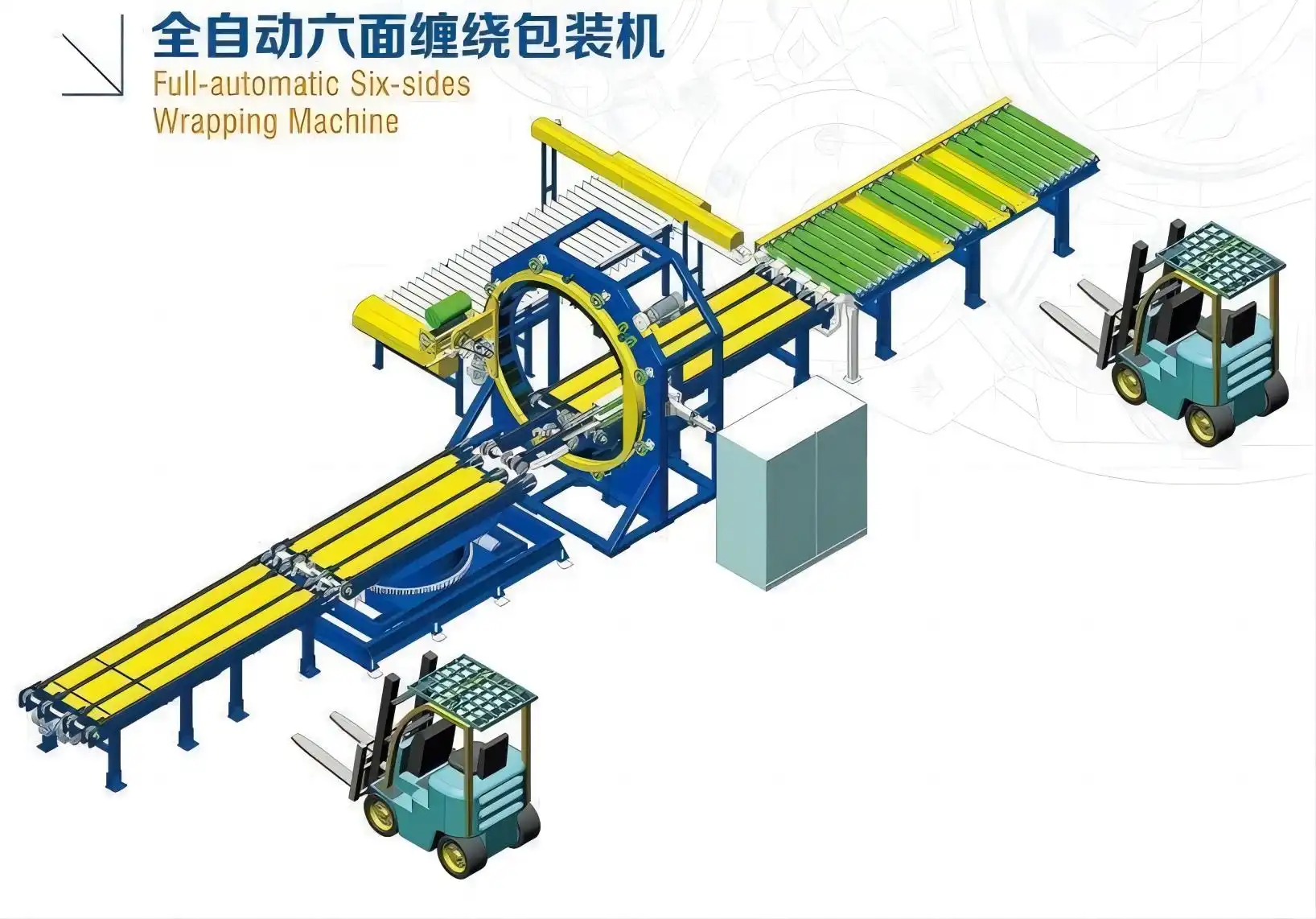
The packaging requirements in the timber industry are multifaceted, aiming not only to ensure the physical integrity of products from production to end-user but also to meet a series of demands related to operational efficiency, cost control, regulatory compliance, sustainable development, and brand image building.
3.1. Protection and Preservation
Protection and preservation are the primary tasks of timber packaging, aimed at addressing various physical, chemical, and biological risks that products may encounter throughout the supply chain.
Physical Damage Protection: Timber products are highly susceptible to impact, abrasion, deformation, cracking, and splitting during handling, transportation, and storage8. End splitting (also known as end checking or drying splits) of logs and lumber is a common problem that directly affects the utilization rate and value of timber9. Applying end sealers, such as high-quality wax emulsion products like ANCHORSEAL, immediately after logs or lumber are cut is claimed to prevent up to 90% of drying splits, which is crucial for maintaining the value of timber, especially hardwood9. For engineered wood panels like MDF and particleboard, their edges and corners are particularly vulnerable to impact damage, so edge protectors are often used for key protection during packaging10.
Environmental Factor Protection:
- Moisture Control: Moisture is the enemy of almost all timber products. Excessive humidity can lead to mold, decay, warping, and dimensional instability10. Kiln-dried lumber with a moisture content below 18-19% is relatively less prone to mold11. The edges of engineered wood panels typically absorb moisture faster than the faces10. Wood pellets are extremely sensitive to moisture, and moisture absorption severely affects their quality and performance6.
- Mold and Fungi: In damp, poorly ventilated environments, mold and fungi easily grow, causing discoloration, reduced strength, and even decay in timber10. Preventive measures include controlling moisture content, ensuring ventilation, and using chemical treatments when necessary12. Notably, while ISPM 15 heat treatment can kill pests, it may also bring internal moisture and sugars to the surface of the wood, which could potentially provide conditions for mold growth if not managed properly afterward12.
- Pest Infestation: Wood-boring insects are a major threat to timber and wood products, especially in international trade, directly leading to phytosanitary regulations like ISPM 158. For finished products like furniture, anti-termite coatings or treatments are sometimes used8.
- UV and Temperature: UV radiation and extreme temperature changes can affect coatings on timber surfaces, causing discoloration, or exacerbate drying cracks in the wood8.
Contamination Prevention: Contaminants such as dust, dirt, oil stains, or chemicals can stain or damage wood surfaces, which is particularly detrimental for panels intended for subsequent lamination, finishing, or finished furniture10. The quality of wood chips can also be affected by impurities like soil, for example, increasing ash content13.
The protection needs of timber products are not static but evolve dynamically as they move through the supply chain. For instance, during initial drying and storage, raw logs may most need end sealer to prevent cracking9, while engineered panels require continuous protection throughout their lifecycle to avoid moisture intrusion and edge damage10. This phased nature of protection requirements necessitates adopting targeted measures at different stages. For example,9 emphasizes the immediate application of end sealer to logs and lumber after cutting. Meanwhile, 14 mentions that CLT (Cross-Laminated Timber) panels are coated with a primer or sealer before leaving the factory for temporary protection during transport and installation, with the final finish coat applied only after the building is enclosed and the panels reach moisture equilibrium. This clearly demonstrates a multi-stage protection strategy from initial treatment, through transit, to pre-use.
In timber protection, maintaining a balance between moisture barrier and allowing the wood to “breathe” is crucial to avoid issues caused by moisture accumulation, such as the recommendation to use breathable fabric instead of plastic film in furniture packaging to prevent condensation8, or the potential for mold in poorly ventilated timber stacks15.8 explicitly states that wrapping furniture in plastic film can trap moisture. 15 and 16 emphasize the importance of ventilation when storing wood packaging and wood chips to prevent mold growth. This means that the choice of packaging material must consider both its barrier properties and breathability, especially for products prone to moisture-related degradation when sealed in packaging without sufficient drying.
3.2. Operational and Transportation Efficiency
Efficient handling and transportation are critical aspects of timber industry supply chain management, directly impacting costs and timely product delivery.
Stacking and Stability: Correct stacking methods are essential for ensuring safety and optimizing warehouse space, effectively preventing cargo from tipping or being damaged. This includes using a stable base, properly placing and aligning dunnage or bearers, and using appropriate packaging unit sizes17. For instance, OSHA regulations18 and New Zealand WorkSafe guidelines19 provide detailed safety specifications for stacking sawn timber. For engineered wood panels (such as laminates, CLT), flat, interleaved stacking is usually required to prevent bending and ensure air circulation14.
Loading, Unloading, and Unitization: Packaging should facilitate loading and unloading using equipment like forklifts, cranes, etc. Unitizing products through strapping, banding, or palletizing significantly improves handling efficiency20. Flatbed trailers and lowboy trailers are common choices for transporting logs and oversized timber21.
Weight Considerations: Timber itself is a heavy commodity1. The choice of packaging material directly impacts overall transportation weight and cost4. Therefore, the industry is actively seeking lightweight alternatives to wood packaging22.
Transportation Methods: Different transportation methods (road, rail, sea, air) have varying requirements and tolerances for packaging1. For example, historically, logs were transported by water1. For furniture requiring sea shipment, more robust wooden crates are usually chosen due to potentially rougher handling conditions4.
Standardization of packaging dimensions and handling methods (e.g., standard pallet sizes20) can significantly improve supply chain efficiency23. However, the diversity of timber products (from raw logs to RTA furniture) makes achieving universal standardization challenging. 20 mentions standard pallet structures, and 23 highlights the role of packaging uniformity in improving supply chain efficiency. At the same time, 24 discusses specialized trailers for irregular logs, and 4 describes custom-sized wooden crates for valuable furniture. This contrast reveals the tension between the benefits of standardization and the need for product-specific solutions.
The evolution of log transportation methods, from traditional river driving1 to modern truck transport21, not only reflects a continuous pursuit of efficiency and cost control but also introduces new regulations and environmental considerations1. 1 and 25 describe historical log driving as a cheap method with significant environmental impact. Modern methods like flatbed truck transport21 offer better control and speed but come with issues like fuel costs, road regulations, and weight limits. This historical context underscores the ongoing optimization process in timber transportation.
3.3. Cost-Effectiveness
In the timber industry, packaging cost-effectiveness is a comprehensive consideration that requires balancing material costs, labor costs, transportation costs, and potential product damage and loss.
Balancing Total Costs: The cheapest packaging solution that leads to high damage rates or non-compliance fines is not the most cost-effective option20. Transportation costs for logs account for a significant portion of the total raw material cost1. Engineered wood panels, by utilizing wood waste and smaller dimension timber, are generally more cost-effective than solid wood3. Wood packaging itself often uses lower grade timber, thus optimizing raw log utilization20. Adopting alternatives to wood packaging, such as heavy-duty cardboard or honeycomb board, can save costs in materials and transportation due to their lighter weight22. For products like wood chips and mulch, purchasing in bulk is usually more economical than buying bagged products (on a per cubic yard basis)26.
The scope of “packaging costs” extends far beyond direct material and labor expenses. It includes indirect costs resulting from product damage due to improper packaging, returns, damage to brand reputation, and penalties for non-compliance with regulations (e.g., cargo destruction due to ISPM 15 violations27). 28 advises balancing cost and durability, noting that cheap packaging can lead to higher long-term costs due to product damage. 27 and 29 warn of potential penalties for non-compliant ISPM 15 packaging. This means that cost considerations must be comprehensive, including risk avoidance.
Packaging automation (e.g., strapping machines, wrapping machines, palletizers, detailed in Section 5) significantly impacts labor costs and production efficiency, especially for high-volume operations, where automation shifts the cost-effectiveness balance point. 30 shows how a pallet manufacturer increased throughput and reduced defects through automation. 31 compares manual and automatic strapping/wrapping differences. While initial machinery investment is higher, long-term savings in labor, material usage (e.g., optimized film stretch rate), and reduced breakage can justify the investment.
3.4. Regulatory Compliance
Compliance with relevant regulations is an indispensable part of timber product packaging, especially in international trade.
ISPM 15: International Standards for Phytosanitary Measures No. 15 (ISPM 15) is a core requirement for wood packaging material (WPM) in international trade. This standard mandates that solid wood packaging material greater than 6 mm in thickness must be treated by heat treatment (HT, wood core temperature reaching 56°C for at least 30 minutes) or methyl bromide fumigation (MB), and marked with a specific stamp (the IPPC “wheat ear” mark, including country code, producer code, and treatment code HT or MB) to prevent the spread of forest pests20. The standard applies to solid wood packaging, and wood greater than 6 mm in thickness is subject to this limit27, explicitly including dunnage32.
ISPM 15 Exemptions: Exemptions from ISPM 15 include processed wood (such as plywood, OSB, particleboard), wood less than 6 mm thick, and loose packing materials like sawdust, wood wool29. WPM that does not comply with ISPM 15 standards may face refusal of entry, destruction, or mandatory expensive treatment at the importer’s/exporter’s expense upon arrival27.
Labeling Regulations: Product packaging requires accurate labeling information, including product identification, safety warnings, country of origin information, and claims about environmental attributes (such as recyclability claims, which require verifiable evidence according to the U.S. Federal Trade Commission’s (FTC) “Green Guides”)23.
Phytosanitary Certificates: For certain log products, in addition to packaging material compliance with ISPM 15, the product itself may require a phytosanitary certificate33.
ISPM 15 compliance is a critical hurdle in international timber product trade. The cost of treatment and certification, logistical arrangements, or the decision to use exempt materials are strategic issues that exporters need to consider carefully. 32 and 29 clearly list ISPM 15 requirements and exemptions. 28 emphasizes the importance of ensuring compliance for international shipments. The emergence of “ISPM 15 exempt alternatives” (such as the paper-based crates or plastic pallets mentioned in 27) indicates how these regulations drive innovation and choice in packaging materials.
The complexity of global regulations makes it necessary for companies, especially small and medium-sized enterprises, to seek professional compliance consulting or establish partnerships34. 35 and 23 list multiple federal agencies and acts regulating packaging in the U.S. 27, 36, 32, and 37 detail the implementation of ISPM 15 in different countries. Navigating such a complex regulatory network can be daunting, which makes professional compliance services (as described in 34) particularly important.
3.5. Sustainability
Sustainability has become a core driving force in timber industry packaging, influencing material selection, packaging design, and even machinery decisions.
Environmentally Friendly Materials: Market demand for renewable, recyclable, biodegradable, and sustainably sourced (such as FSC certified) packaging materials is growing20. Wood itself is highly regarded as a renewable and biodegradable material20. Engineered wood panel production often utilizes wood waste or small diameter timber, increasing resource utilization3.
Recyclability and Reusability: Packaging design increasingly focuses on multiple uses or ease of recycling. For example, pallet remanufacturing and sortation programs, and shredding discarded wood pallets and crates into mulch or biofuel34. Heavy-duty hardwood pallets or plastic/metal pallets are specifically designed for extended reusable life34. Wooden boxes can also be designed for reusability38.
Extended Producer Responsibility (EPR) Schemes: Some countries and regions are starting to implement EPR regulations, shifting the cost of managing packaging waste at the end of its lifecycle to producers. This strongly drives packaging design to consider recyclability and waste reduction from the design stage39. These schemes are emerging and vary by region.
Forest Stewardship Council (FSC) Certification: FSC certification verifies that timber and paper products come from sustainably managed forests and is increasingly recognized and preferred by consumers39.
Low Embodied Energy and Carbon Storage: Compared to materials like plastic or metal, wood packaging has lower embodied energy (i.e., energy consumed during production and transport), and wood itself stores carbon elements20.
Sustainability is no longer a marginal consideration but a core business driver, deeply impacting material selection, packaging design, and even the choice of packaging machinery (e.g., machines that minimize material waste or use thinner films40). Data from 39 shows strong consumer preference for FSC certified and sustainable packaging. 41 and 42 discuss emerging EPR regulations. 43 emphasizes that eco-friendly packaging has become a business standard in the furniture industry. These factors collectively indicate that sustainability is an integral and continuously evolving theme in the packaging industry.
Wood packaging exists on a “sustainability hierarchy”: firstly, using materials that are inherently sustainable/renewable (such as wood itself44); secondly, designing for reuse (such as reusable pallets and crates in 34, and 38); thirdly, designing for recyclability (such as wood waste recycling in 34, and paper recyclability in 45); and finally, minimizing material usage through optimized design (such as the machines mentioned in 46). These represent different pathways and levels of achieving sustainability goals.
3.6. Brand and Information Communication
Packaging is not only a means of protecting products but also an important vehicle for conveying information and shaping brand image.
Labeling: Clear product identification is fundamental, including specifications (grade, size, species), usage instructions, safety warnings, country of origin, and compliance marks (such as ISPM 15 stamp, FSC logo)32.
Product Identification and Tracking: Technologies like barcodes and RFID (Radio-Frequency Identification) tags are used for inventory management and supply chain visibility tracking47.
Marketing and Brand Image: Packaging itself is a marketing tool that can communicate brand characteristics, product quality, and a company’s commitment to sustainability48. For example, high-quality printing on lumber wrap49 or wood pellet bags50 helps enhance brand image.
With the development of smart technology, packaging is transforming from a purely functional necessity into a strategic tool that integrates brand promotion, consumer interaction, and supply chain management. 51 and 52 discuss the importance of packaging as a core component of brand identity. 53 directly states that “the quality of the timber can be judged by the design of the printed lumber wrap in transit.” Meanwhile, 47 and 54 introduce the application of RFID and sensor technologies in enhancing tracking and data collection. This indicates that packaging is shifting towards an active, communicative role.
For bulk or industrial timber products, brand promotion may focus more on clear identification information, traceability (eg., timber grade55, APA trademark56), and supplier reputation, rather than retail shelf visual appeal. In contrast, consumer-facing products like wood pellets or furniture prioritize aesthetic design and brand element presentation on the packaging. 49 and 53 focus on printed lumber wrap to enhance company image and product recognition. 57 and 58 discuss RFID technology for pallet/asset tracking. 50 and 59 highlight high-quality printing and branding on retail packaging bags for wood pellets. 60 details various branding techniques (like laser engraving, hot stamping) for high-value/gift wooden boxes. This differentiation reflects the different emphasis on brand messaging for different product types.
4. Packaging Materials and Methods for Specific Timber Products
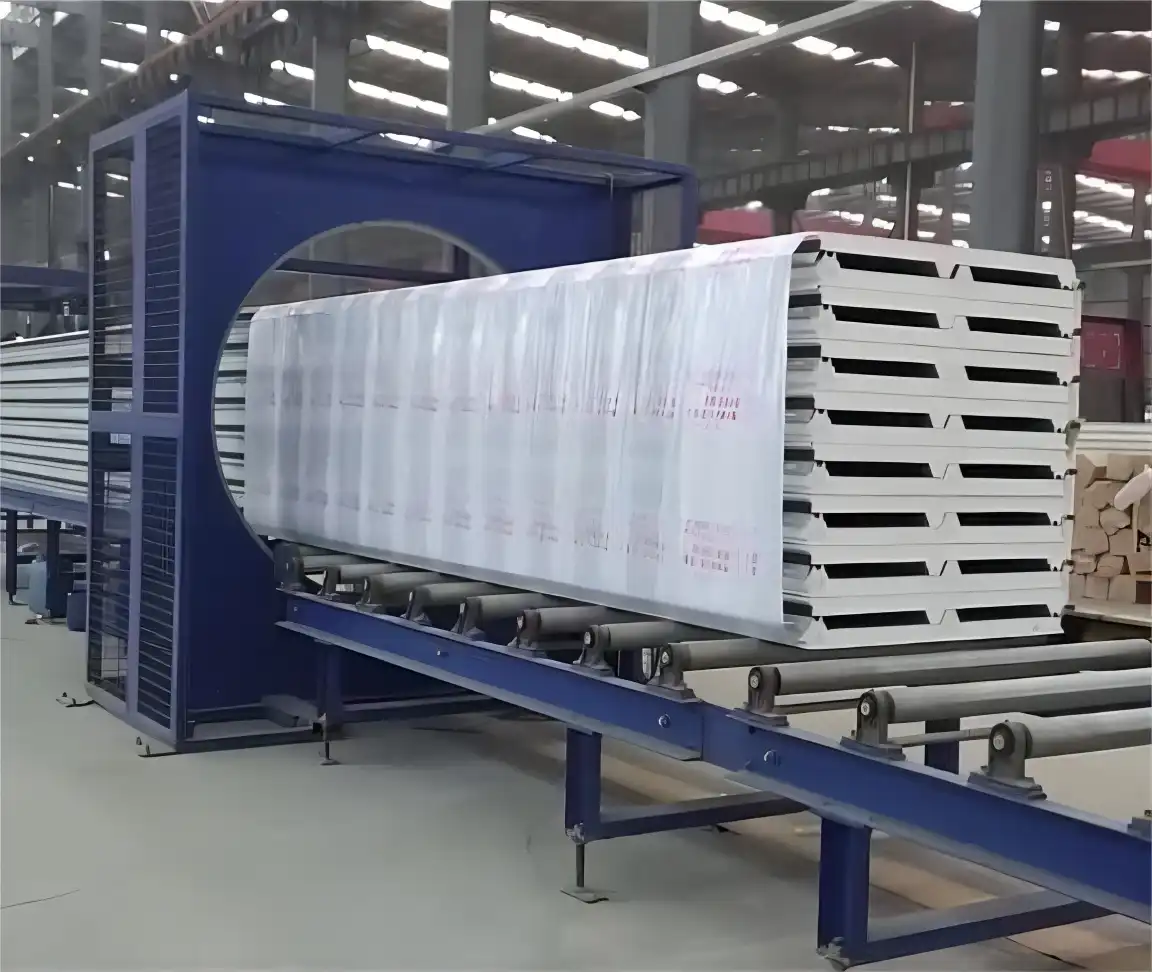
The timber industry’s product range is diverse, from rough raw logs to refined furniture, and their packaging needs vary accordingly. Choosing the right packaging materials and methods is crucial for protecting products, improving efficiency, controlling costs, and meeting regulatory and market requirements.
Table 1: Comparative Analysis of Common Packaging Materials for Timber Products
| Material Type | Advantages | Disadvantages | Typical Timber Product Applications | Relative Cost | Sustainability Profile (Recyclability, Renewable, Embodied Energy) |
|---|---|---|---|---|---|
| Plastic Film (Stretch/Shrink) | – Good moisture and dust protection61 – Stretch film stabilizes pallet loads62 – Shrink film is form-fitting, good for display61 – Relatively low cost (especially stretch film)62 |
– Shrink film requires heating equipment61 – Some plastics are difficult to recycle, environmental impact is a concern – Stretch film has limited protection for sharp edges – Can trap moisture (if product itself is damp)8 |
– Lumber/panel unit wrapping49 – Pallet load overall wrapping62 – Furniture parts or small wood items shrink packaging63 |
Stretch Film: Low Shrink Film: Medium |
– Partially recyclable (depends on specific material and local facilities) – Not renewable – Medium embodied energy |
| Strapping (PP, PET, Steel) | – PP: Economical, suitable for light to medium loads64 – PET: High strength, good tension retention, weather resistant, often replaces steel, wood-friendly (doesn’t rust)64 – Steel: Extremely high strength, suitable for heavy loads64 |
– PP: Prone to loosening, poor UV resistance64 – PET: Higher cost than PP – Steel: Easily rusts and contaminates wood, safety risk during operation (sharp edges, recoil)65, high cost |
– Lumber, engineered panels, logs (transport securement) strapping64 – Pallet load reinforcement |
PP: Low PET: Medium Steel: High |
– PP/PET recyclable – Steel recyclable – PP/PET not renewable, Steel partially renewable (recycled content) – Embodied energy: Plastics Medium, Steel High |
| Edge/Corner Protectors (Paperboard, Plastic) | – Protect product edges and corners from strapping indentation and impact66 – Distribute strapping tension, improve stacking stability66 |
– Adds packaging steps and small cost – Plastic corner protectors are less recyclable than paperboard |
– Edge and corner protection for lumber, engineered panel units10 – Corner reinforcement for pallet loads |
Paperboard: Low Plastic: Low to Medium |
– Paperboard recyclable, renewable (if from sustainable forestry) – Plastic partially recyclable – Embodied energy: Paperboard lower, Plastic Medium |
| Cushioning (Foam, Paper, Wood Wool, Molded Pulp) | – Foam (PE, PU): Lightweight, good cushioning, PE is recyclable67 – Paper (Kraft paper, honeycomb board): Eco-friendly, recyclable, cost-effective22 – Wood wool: Eco-friendly, biodegradable, rustic high-end appearance68 – Molded pulp: Eco-friendly, customizable, good cushioning4 |
– Foam (PU, PS): Difficult to recycle partially, PU is slightly higher cost67 – Paper: Poor moisture resistance, lower cushioning limit than foam – Wood wool: May generate dust, moisture resistance is average – Molded pulp: High initial mold cost, limited water resistance69 |
– Internal filling and cushioning for furniture, wood crafts, precision wood components68 – RTA furniture part separation and protection4 |
Foam: Medium to High Paper: Low to Medium Wood Wool: Medium Molded Pulp: Medium (reduces with high volume) |
– Foam: PE recyclable, PU/PS difficult to recycle – Paper/Wood Wool/Molded Pulp: Recyclable, biodegradable, renewable (if raw material sustainable) – Embodied energy: Foam higher, Paper/Wood Wool/Molded Pulp lower |
| Wood Packaging (Crates, Pallets) | – High strength, durable, reusable38 – Customizable size and structure4 – Excellent protection, especially for heavy or high-value products4 |
– Heavy weight, increases transport costs38 – Solid wood requires ISPM 15 treatment for export4 – Relatively high cost (especially custom hardwood crates)38 – Prone to moisture absorption, may mold (if untreated or improperly stored)38 |
– Transport and export of furniture, large wood products, machinery4 – As unit load bases (pallets) for various timber products20 |
Pallets: Medium Crates: Medium to High |
– Renewable (if from sustainable forestry), recyclable, biodegradable – Relatively low embodied energy20 – Reusability significantly enhances sustainability |
| Paper-based Packaging (Corrugated Boxes, Paperboard) | – Lightweight, cost-effective4 – Recyclable, biodegradable, renewable raw material45 – Good for printing, easy for brand display45 |
– Limited strength and durability, not suitable for very heavy or fragile products (unless heavy-duty corrugated)45 – Poor moisture resistance, easily damaged by moisture and impact45 |
– Retail packaging for RTA furniture, small wood products, wood flooring4 – As crate liners or dividers |
Low to Medium | – Recyclable, biodegradable, renewable (if raw material sustainable) – Low embodied energy |
This table provides a framework for decision-makers to compare key attributes and select the most suitable packaging materials for different timber products. For example, a lumber producer might prioritize the strength and cost of strapping64, while a furniture manufacturer might prioritize the protective performance and aesthetics of cushioning materials68. The table integrates information from multiple sources, enabling users to make comparisons based on criteria critical to the timber industry (such as specific damage protection, compatibility with wood, cost, and sustainability).
4.1. Raw Logs
As the starting point of the timber supply chain, the packaging and transportation strategy for raw logs primarily revolves around maintaining wood quality, ensuring transportation safety, and controlling costs.
Transportation Considerations: Raw logs are typically transported in bulk, mainly by road using specialized trailers (such as flatbeds, lowboys), and historically also by water (log driving)1. Being large and heavy, logs are considered “bulky, cheap commodities that cannot bear expensive transportation costs”1, making efficiency and cost core to transportation planning. Loading requires ensuring the logs are stable and weight is properly distributed.
End Sealing: To prevent end checking (a common drying defect) caused by rapid moisture evaporation during the drying of raw logs, and to reduce the risk of blue stain and sapstain, thereby increasing yield, the ends of logs are usually sealed with wax immediately after felling or sawing9. For example, wax emulsion products like ANCHORSEAL are widely used for this purpose and are claimed to effectively prevent up to 90% of end checking9. This measure is crucial for maintaining the quality of raw logs, especially high-value hardwoods.
Minimal Packaging: Generally, raw logs themselves do not undergo complex external packaging. When transported by trailer, they are mainly secured to the vehicle using straps or chains to ensure transportation safety21. Some dunnage might be used occasionally.
Regulatory Requirements: Exported logs may need to be debarked and heat-treated to comply with the phytosanitary standards of importing countries, such as the relevant regulations of ISPM 1533.
For raw logs, the primary “packaging” considerations are protecting their internal quality (preventing cracking and discoloration through end sealing9) and ensuring safe, cost-effective transportation, rather than complex external wrapping. 1 highlights log transport as a major cost. 9 focuses on preventing timber degradation through end sealing, an internal protection measure. 24 and 21 detail transport methods emphasizing securement. This indicates that the “packaging” of raw logs is more about preserving the quality and safe handling of the raw material itself than external containerization.
The evolution of log transportation methods (e.g., river driving1) compared to modern standardized transport methods provides a stark contrast, highlighting the industry’s shift towards greater control and (intended) environmental friendliness, although cost remains a core driver. 1 and 25 describe log driving as cheap but with significant environmental impact. 33 details current strict requirements for imported logs (e.g., debarking, heat treatment), reflecting a shift towards biosecurity and regulated trade.
4.2. Sawn Lumber
As a primary processed product, sawn lumber’s packaging aims to protect its quality and dimensional stability before further processing or final use.
Strapping: Strapping lumber of the same size and specification into units facilitates handling, counting, and inventory management.
Wrapping:
- Plastic Lumber Wrap: Commonly uses woven polyolefin or polyethylene film to protect lumber from moisture, dust, and UV radiation during outdoor storage and transport. This type of wrap can often be printed for brand identification and product information display49. Flexpak is one supplier of such products49. When choosing plastic film, a balance must be struck: stretch film provides good load stability and protection from external factors, is cost-effective, but requires mechanical equipment for high-volume applications61. Shrink film creates a tighter, more form-fitting package with better appearance but requires a heat source for shrinking and can be more expensive61.
- Strapping: This is an essential component of unitized lumber packages.
- PP (Polypropylene) Strapping: Economical, suitable for medium-light loads, but prone to loosening under sustained tension and has poor UV resistance unless specially treated64.
- PET (Polyester) Strapping: Higher tensile strength, better tension retention, resistant to UV and temperature variations. Often used as a replacement for steel strapping for bundling timber. Due to its non-corrosive, non-staining properties, it is especially suitable for treated lumber64. Greenbridge is a supplier highlighting the benefits of PET strapping in handling lumber, OSB, MDF, and plywood70.
- Steel Strapping: Possesses the highest tensile strength, suitable for extremely heavy loads. However, steel strapping rusts easily, can stain wood surfaces, and poses safety hazards during operation (sharp edges, recoil)65.
- The choice of strapping is a critical cost-effectiveness decision, involving load characteristics, storage conditions (indoor/outdoor), and operational safety. PET strapping is becoming the mainstream choice for timber strapping, especially for treated wood (where steel corrodes), due to its balanced performance in strength, weather resistance, and safety70. 64 provides a general comparison of PP, PET, and steel strapping. 70 specifically recommends PET for timber, detailing its resistance to chemical treatments, UV resistance, and elastic properties that accommodate wood’s swelling and shrinking. This makes PET a technically superior and often safer option than steel in many timber applications, although its initial cost might be higher than PP strapping.








