
A Hands-On Review of a Steel Coil Strapping Machine for the Russian Climate for Boost Efficiency, Reduce Downtime?
Many factory managers feel stuck. Their production lines are burdened by slow, manual processes. They know these bottlenecks cost money, risk worker safety, and hurt their profits. What if there was a clear path to fix these issues, even when facing tough operational demands?
A steel coil strapping machine can boost efficiency and cut downtime significantly. This is true even in harsh environments like Russia’s cold climate. It automates heavy lifting, reduces human error, and ensures consistent package quality. This leads to higher output and lower operational costs.

This is not just about buying a machine. It is about transforming your operations. This transformation allows you to meet your goals, protect your team, and strengthen your business. We will explore how.
Why is Manual Steel Coil Packing a Hazard to Your Bottom Line?
Is your team still wrestling with heavy steel coils and wires by hand? This method is not just slow. It is also incredibly risky. It puts your workers in harm’s way every single day. This manual work directly impacts your factory’s ability to compete. It costs you a lot in terms of money and time. You might be losing more than you think. Let us look closer at these hidden costs.
Manual steel coil packing is slow, unsafe, and causes product damage. It directly impacts profitability through high labor costs, increased injury rates, and customer complaints from damaged goods. This method creates bottlenecks. It also leads to unexpected expenses and lowers your overall output.
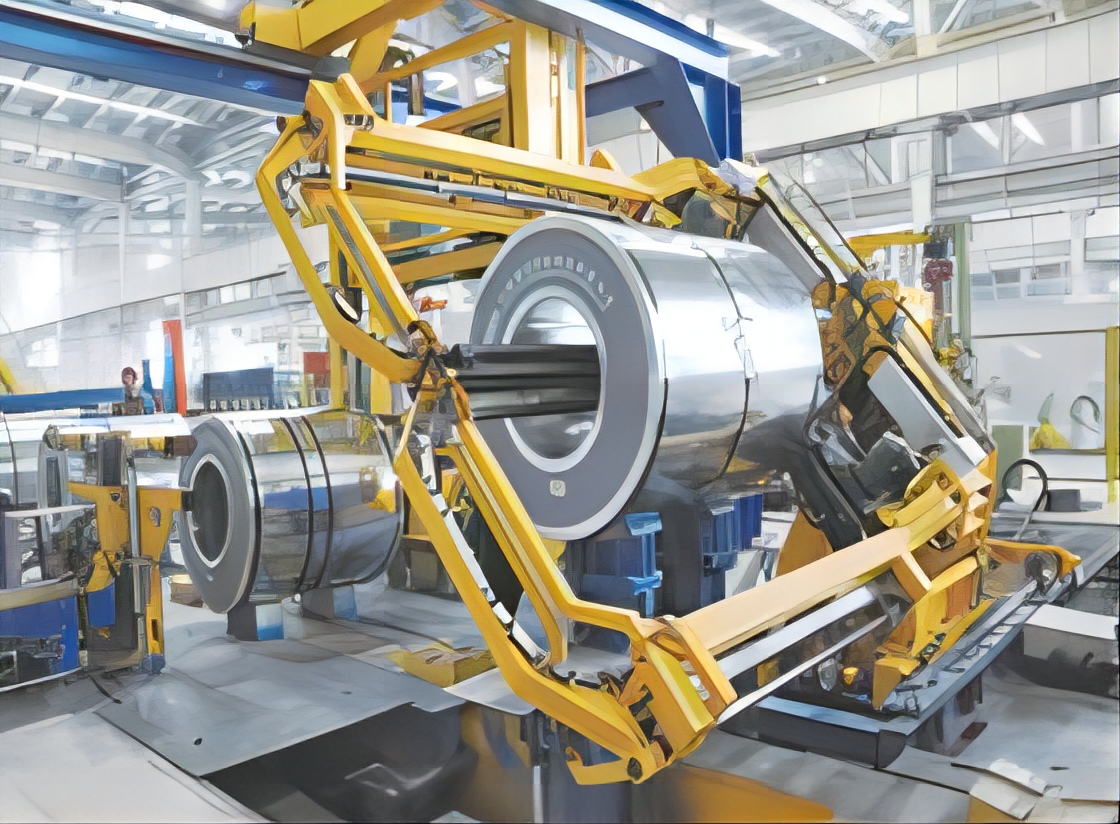
When I first started in the packing machine industry, I saw many factories relying on purely manual coil packing. It was common. But it was never efficient or safe. One of my early clients, a mid-sized steel processor, was struggling badly. Their workers were constantly tired. Injuries were a regular occurrence. They faced high insurance costs and frequent staff turnover. Each time a worker was out, it disrupted their entire schedule. They also had trouble getting their products out the door fast enough. This made their customers unhappy. I realized then that these problems were not just minor annoyances. They were major roadblocks to growth. Manual packing involves several risks.
High Labor Costs and Inefficiency
Relying on a large team to manually pack coils means high ongoing labor costs. Workers lift heavy coils, wrap them, and strap them. This takes a lot of time per unit.
- Slow Throughput: Each coil takes a long time to process. This creates a bottleneck at the end of the production line. It slows down the entire factory.
- Increased Overtime: To meet deadlines, factories often pay high overtime wages. This inflates operational costs.
- Inconsistent Quality: Manual work is prone to human error. Straps might be too loose or too tight. Packaging quality can vary from one coil to another. This leads to customer complaints.
Significant Safety Hazards
Manual handling of heavy steel coils is extremely dangerous. Workers are at high risk of severe injuries.
- Musculoskeletal Injuries: Lifting and manipulating heavy, awkward coils leads to back strains, sprains, and other muscle injuries. These can be long-term.
- Crushing Injuries: Coils can weigh tons. If they shift or fall, workers can suffer crushing injuries. These can be fatal.
- Repetitive Strain Injuries: The repeated motions of strapping and wrapping cause issues like carpal tunnel syndrome and tendonitis. These lead to chronic pain.
Product Damage and Loss
Manual handling and transportation often lead to product damage. This directly affects your bottom line.
- Edge Damage: Steel coils are heavy. Their edges can be easily dented or deformed during manual movement. This happens when they bump into things or are handled roughly.
- Surface Scratches: Manual strapping or movement can cause scratches on the coil surface. This reduces the product’s value.
- Customer Complaints: Damaged products result in customer complaints. This can lead to returned goods, loss of sales, and damage to your factory’s reputation.
This table shows the clear difference:
| Aspect | Manual Coil Packing | Automated Coil Packing |
|---|---|---|
| Efficiency | Slow, labor-intensive, bottleneck | Fast, high throughput, continuous operation |
| Safety | High risk of severe injuries, high insurance | Minimal human intervention, much safer |
| Cost | High labor, insurance, rework, product loss | Lower labor, less waste, better ROI |
| Quality | Inconsistent, prone to human error | Consistent, precise, high quality |
| Reliability | Dependent on human strength and focus | Consistent performance, predictable output |
The challenges are clear. The need for a better solution is urgent.
How Can Automation Transform Your Coil Packing Operations?
You already know the many problems manual packing creates. But what if those problems could simply vanish? Imagine a packing line that runs smoothly, safely, and quickly. Imagine your workers are no longer at risk. Imagine your products arrive perfect every time. Automation is the key to unlocking this powerful transformation. It changes everything.
Automation can completely change coil packing. It speeds up processes, dramatically improves worker safety, and ensures product integrity. This leads to higher output and lower operational costs. By taking over repetitive, heavy tasks, automated systems free up workers. They can then focus on more skilled jobs.

In my journey from an employee to owning my own packing machine factory, I saw the true power of automation firsthand. When I started FHOPEPACK, one of our core principles was to use technology to solve real-world problems. I remember working with a factory that was stuck. They needed to increase their output by 30% but their current manual packing could not handle it. We helped them implement an automated steel coil strapping machine. The change was remarkable. Their packing speed tripled. Worker injuries dropped to almost zero. It was a clear demonstration of how smart investment in technology pays off.
Increased Throughput and Efficiency
Automated strapping machines work much faster than humans. They can handle a higher volume of coils per hour. This directly leads to more output.
- Continuous Operation: Machines do not get tired. They can run 24/7 if needed. This maximizes production capacity.
- Faster Cycle Times: Each coil is strapped in seconds. This eliminates the bottlenecks seen in manual processes.
- Predictable Output: Automated systems provide a consistent and predictable output rate. This helps in production planning and meeting deadlines.
Dramatically Improved Worker Safety
This is perhaps the biggest benefit. Automation removes workers from dangerous situations.
- Reduced Manual Handling: Heavy lifting and maneuvering of coils are done by the machine. This eliminates the risk of back injuries, crushes, and strains.
- Fewer Accidents: With less human intervention in the danger zone, the likelihood of accidents drastically decreases. This lowers insurance costs. It also improves employee morale.
- Safer Work Environment: Workers can focus on supervising the machine. They can perform maintenance tasks in a much safer environment.
Consistent Product Quality and Reduced Damage
Automated machines apply straps with precise tension and placement. This ensures consistent, high-quality packaging every time.
- Uniform Strapping: Machines apply consistent tension to every strap. This secures the coil tightly. It prevents shifting during transport.
- Minimized Damage: Coils are handled mechanically. This reduces the risk of edge damage, scratches, and deformations that often occur with manual handling.
- Better Presentation: Professionally strapped coils look better. This enhances your product’s perceived quality. This leads to happier customers.
Automating your coil packing operations is not just an upgrade. It is a strategic move. It positions your factory for higher productivity. It ensures a safer workplace. It also creates a more reliable product delivery. This investment offers a clear return. It drives growth for your business.
What Makes a Strapping Machine Durable Enough for Harsh Climates like Russia’s?
You need machinery that performs, no matter the conditions. The extreme cold, the dust, the continuous heavy use in places like Russia can quickly break down equipment that is not built for it. Lesser machines will fail. They will cause costly downtime. How do you find a steel coil strapping machine that is truly built to last in such demanding environments? You need one that will stand strong against the elements and heavy workloads.
A durable strapping machine for harsh climates like Russia’s needs robust construction. It requires specialized materials and components. These must be designed for extreme temperatures and continuous operation. It must withstand cold, dust, heavy loads, and abrasive industrial environments without fail. It is about engineering for resilience.

During my time establishing FHOPEPACK, I learned that a machine’s true value often shows itself in the toughest conditions. We once had a client in a region with extremely cold winters. Their old machine, not designed for such temperatures, kept breaking down. Motors failed. Belts cracked. It was a constant headache. When we designed their new system, we focused on materials and components that could handle the severe cold. We used industrial-grade steel and special lubricants. We also ensured the electrical cabinets were sealed. This experience taught me that durability is not just a feature. It is a promise. It is the core of reliable performance, especially in challenging climates. Building for resilience makes all the difference.
Robust Construction and Material Selection
The foundation of a durable machine is its physical structure. It must be able to withstand constant stress.
- Heavy-Duty Steel Frame: The main frame should be made from thick, high-strength industrial steel. This provides stability. It also prevents deformation under heavy loads.
- Corrosion Resistance: In cold, damp, or dusty environments, parts can rust. Machines should use stainless steel components or have specialized coatings. These protect against corrosion.
- Reinforced Wear Parts: Components that experience friction or impact, like guides, rollers, and cutting blades, should be made from hardened alloys. These resist abrasion and wear.
Specialized Components for Extreme Temperatures
Electronics and mechanical parts are sensitive to cold. They need specific designs to operate reliably.
- Industrial-Grade Electronics: Control panels and wiring must be rated for low temperatures. They need to be sealed against dust and moisture.
- Cold-Resistant Lubricants: Standard lubricants can thicken or freeze in extreme cold. Specialized, low-temperature lubricants ensure smooth operation of moving parts.
- Heated Enclosures: For critical components like motors or control cabinets, heated enclosures can protect them from freezing. This ensures they start and run efficiently.
Design for Continuous Operation and Easy Maintenance
A truly durable machine is also designed for non-stop work and simple upkeep.
- Modular Design: A machine with a modular design allows for quick replacement of parts. This reduces downtime during maintenance.
- Accessible Maintenance Points: All areas needing regular checks or lubrication should be easy to reach. This makes maintenance faster and more likely to be performed correctly.
- Self-Cleaning Features: In dusty environments, dust can build up. Some machines have designs that minimize dust collection. Others have features that help clean themselves.
Investing in a steel coil strapping machine built for harsh conditions like Russia’s is crucial. It ensures long-term reliability. It also minimizes costly downtime. This protects your investment. It also keeps your production running smoothly.
How Do You Choose a Packing Machine Partner You Can Trust?
You have likely faced suppliers who are only interested in making a sale. They offer poor after-sales service. This leaves you feeling frustrated and unsupported. You need more than just a seller. You need a true partner. You need someone who understands your unique production bottlenecks, your safety concerns, and your efficiency challenges. How do you find a company that offers real expertise and reliable solutions, like my team at FHOPEPACK? Let us find out how to pick the right one.
Choosing a trusted packing machine partner means looking for deep industry knowledge. It also means finding a strong track record of after-sales support. And it means finding a commitment to understanding your specific operational needs and challenges. It is about finding someone who values a long-term relationship over a quick sale. This is what I have built FHOPEPACK on.

My journey in the packing machine industry started as an employee. Then I went on to establish my own successful factory. This journey taught me a lot. I learned that trust is earned, not given. Many clients came to me after bad experiences with other suppliers. These suppliers just wanted to sell a machine and then disappear. I built FHOPEPACK with a different philosophy. I believe in giving back to the industry that gave me so much. This means sharing my expertise. It means truly understanding a client’s pain points. It means providing solutions that actually work. It is not just about the machine; it is about the partnership. When you are looking for a partner, focus on these areas.
Expertise and Industry Background
A reliable partner should have a deep understanding of the industry. They should know the challenges you face.
- Engineering Know-How: Look for a company with a strong engineering team. They should understand the mechanics of packing and your specific materials. This ensures they can design or recommend the right solution.
- Proven Track Record: Research their past projects. Have they helped other factories with similar issues? Ask for case studies or references. A history of success is key.
- Consultative Approach: A good partner does not just sell. They ask questions. They listen. They want to understand your specific production line, your challenges, and your goals before offering a solution.
Comprehensive After-Sales Support
The purchase of a machine is just the beginning. Ongoing support is crucial for long-term success.
- Installation and Training: Ensure they provide professional installation services. They should also offer thorough training for your operators and maintenance staff. This prevents operational issues.
- Technical Support: Do they have a responsive support team? Can you reach them easily when issues arise? This includes phone, email, or even on-site visits if needed.
- Spare Parts Availability: Are spare parts readily available? A machine is useless if you cannot get critical parts quickly. Ask about their inventory and delivery times.
Focus on Your Return on Investment (ROI)
A true partner understands that your investment must pay off. They will help you see the financial benefits.
- Cost Analysis: They should help you analyze the cost savings. This includes reduced labor, less product damage, and lower insurance. This shows the clear ROI of the equipment.
- Customization Capabilities: Every factory is different. Can they customize solutions to fit your specific needs? This ensures the machine integrates seamlessly into your existing setup.
- Long-Term Vision: A good partner is interested in your long-term success. They will offer advice beyond the initial sale. They will help you plan for future growth and efficiency improvements.
Choosing the right partner is a strategic decision. It goes beyond the price tag. It is about securing a relationship that will support your factory’s growth and operational excellence for years to come. Look for a team that shares your vision and truly masters packing machine solutions.
Conclusion
Investing in a robust steel coil strapping machine for harsh climates significantly boosts efficiency, enhances safety, and reduces costly downtime. Choosing a knowledgeable partner ensures your factory secures the right solution, leading to a strong return on investment and sustained growth.








