
A Complete Guide to Finding Reliable Pallet Inverters for Sale in 2025?
If you manage a busy warehouse or a regional distribution center, especially one dealing with international shipments, you know the daily grind. You constantly face pressure to move thousands of pallets, juggle different pallet specifications like Euro and American, and fight against rising labor costs. Manual pallet handling is slow, inefficient, and frankly, dangerous. It leads to errors, delays, and worse, safety incidents. This constant struggle affects your bottom line and can even cost you valuable client relationships. I know because I have seen it many times in my career in the packing machine industry.
Pallet inverters are essential tools for modern logistics. They automate the process of exchanging pallets, which dramatically improves warehouse safety, boosts operational efficiency, and significantly cuts down on labor costs. These machines make it easy to switch between different pallet types or transfer goods to fresh, hygienic pallets, ensuring a smoother, faster, and more compliant supply chain.
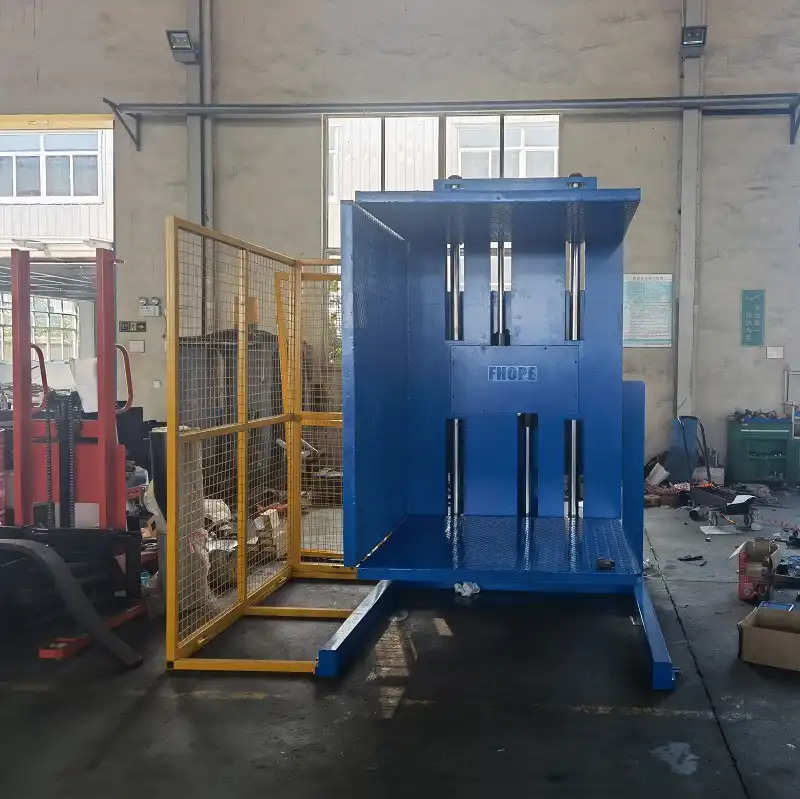
I started my journey as an employee in a packing machine factory, and later, I built my own successful factory. I have seen firsthand the challenges you face in managing complex warehouse operations. Because of this, I know what reliable equipment means to your business. This guide will help you understand why pallet inverters are crucial and how to choose the best one for your specific needs in 2025. It is about finding a solution that really works.
Why is a Reliable Pallet Inverter a Must-Have for Warehouses in 2025?
Are you still relying on manual labor for pallet changes? This approach often creates bottlenecks, especially with the growing demands of global trade and e-commerce. It is no longer sustainable or safe for modern logistics. Your team spends too much time on repetitive, heavy tasks, and you risk injuries and damaged goods. This inefficiency directly impacts your delivery schedules and customer satisfaction.
A reliable pallet inverter is a critical investment for any warehouse in 2025. It helps overcome challenges like diverse pallet specifications, labor shortages, and safety risks. By automating pallet exchange, these machines ensure quicker material flow, safer operations, and compliance with varying international standards, which directly supports the demands of a fast-paced supply chain.
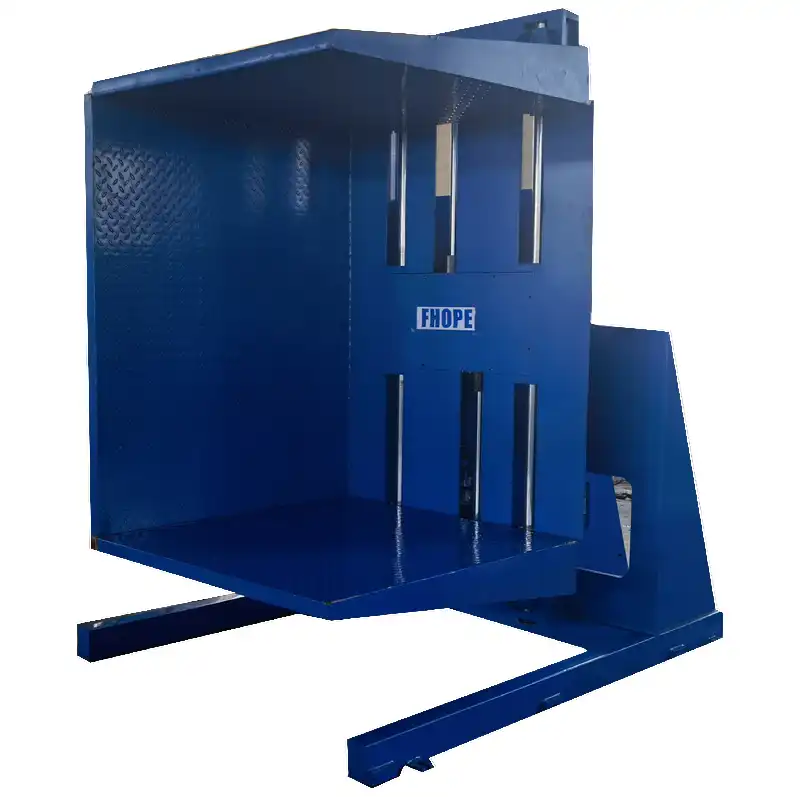
When I first started in the industry, manual handling was common. But things have changed. Now, businesses need speed, safety, and efficiency. Let us dive deeper into why these machines are not just an option, but a necessity for any forward-thinking warehouse.
-
Addressing Pallet Diversity and Compliance Challenges 🌍 Many warehouses, especially those involved in international import and export, deal with a mix of pallet types. For example, shipments coming into Europe often arrive on Euro pallets, but goods leaving for the US might need to be on American-standard pallets. This constant need for switching creates a major logistical hurdle. Manually changing pallets is time-consuming and often leads to errors. It also raises compliance issues, as some countries have strict rules about pallet materials, like using plastic pallets for hygiene reasons in the food industry. My experience has shown me that without automation, managing these diverse requirements can cause significant delays and even contract penalties. Pallet inverters handle these changes quickly and accurately. They ensure that your products are always on the correct pallet for their destination or storage needs. This system removes the guesswork and the heavy lifting from your team, making operations smoother and compliant. It is especially true for companies like the food and beverage group Carlos manages in Spain, where thousands of pallets move daily. The ability to switch effortlessly between Euro, American, and even plastic pallets becomes a game-changer for speed and consistency. (Long-tail:
automated pallet handling solutions for international logistics,warehouse efficiency improvements with diverse pallet types,logistics cost reduction Spain pallet exchange) -
Overcoming Labor Shortages and Rising Costs 💸 The warehousing sector globally faces a significant labor crunch. It is getting harder to find and retain workers, especially for physically demanding jobs like manually flipping or exchanging heavy pallets. Younger generations are less willing to do such strenuous tasks. This shortage drives up labor costs and puts immense pressure on operational budgets. My own journey involved understanding how to optimize production, and I learned that manual labor is often the most expensive and least efficient part of a process. A pallet inverter greatly reduces the need for manual intervention in pallet changing. It frees up your existing workforce to focus on more skilled, value-added tasks. This not only makes your operations more efficient but also improves job satisfaction among your employees. It turns a risky, repetitive task into a safe, automated process. This shift is vital for businesses looking to stay competitive and manage their operating expenses effectively, just as Carlos aims to reduce his total costs. (Long-tail:
labor cost reduction in warehousing,automated material handling solutions for staffing shortages,palletizing automation benefits) -
Mitigating Safety Risks and Reducing Accidents 🛡️ Manual pallet handling is inherently risky. Workers are often required to lift, tilt, or transfer heavy loads, which can lead to musculoskeletal injuries, strains, and even crush accidents. Goods can tip over, causing damage to products and injuries to personnel. In my early days, I saw several accidents that could have been avoided with better equipment. For Carlos, who has experienced multiple incidents, safety is a top priority. Pallet inverters remove workers from direct contact with heavy, moving pallets. They perform the changing process mechanically and controllably. This significantly reduces the risk of accidents, lowers workers’ compensation claims, and creates a much safer working environment. Investing in a pallet inverter is not just about efficiency; it is also about protecting your most valuable asset: your people. A safer workplace means less downtime, lower insurance costs, and a more positive work culture. (Long-tail:
warehouse safety equipment pallet exchange,preventing manual handling injuries in logistics,reducing accident rates with automation) -
Meeting Customer Pressure for Faster Delivery 🚀 In today’s e-commerce and retail landscape, customer expectations for faster delivery times are at an all-time high. This means every part of your supply chain must be optimized for speed. Bottlenecks at the pallet switching stage can cause significant delays, impacting your ability to meet delivery promises. This can lead to customer dissatisfaction and lost business. From my experience helping clients grow their businesses, I know how crucial delivery speed is. A pallet inverter ensures quick and seamless pallet changes, keeping the flow of goods moving smoothly through your warehouse. This helps you meet tight delivery deadlines and maintain high customer satisfaction. It allows you to process thousands of pallets daily without a hitch. This capability is vital for operations like Carlos’s, where short delivery cycles are critical to customer retention and contract compliance. (Long-tail:
fast order fulfillment warehouse solutions,optimizing supply chain for quick delivery,e-commerce logistics pallet handling)
What are the Different Types of Pallet Inverters and How Do They Work?
The term “pallet inverter” covers a range of machines, each designed for specific tasks. Choosing the right type depends on your specific operational needs, such as the kind of goods you handle, the volume of pallets, and the space you have available. If you do not know the different types, you might pick the wrong machine and not solve your problem effectively.
Pallet inverters come in various configurations, including 90-degree tippers, 180-degree rotators, and specialized pallet changers. Each type performs a unique function, from simply tilting a load for access to fully transferring goods from one pallet to another. Understanding these differences helps ensure you select the most suitable equipment for your warehouse.
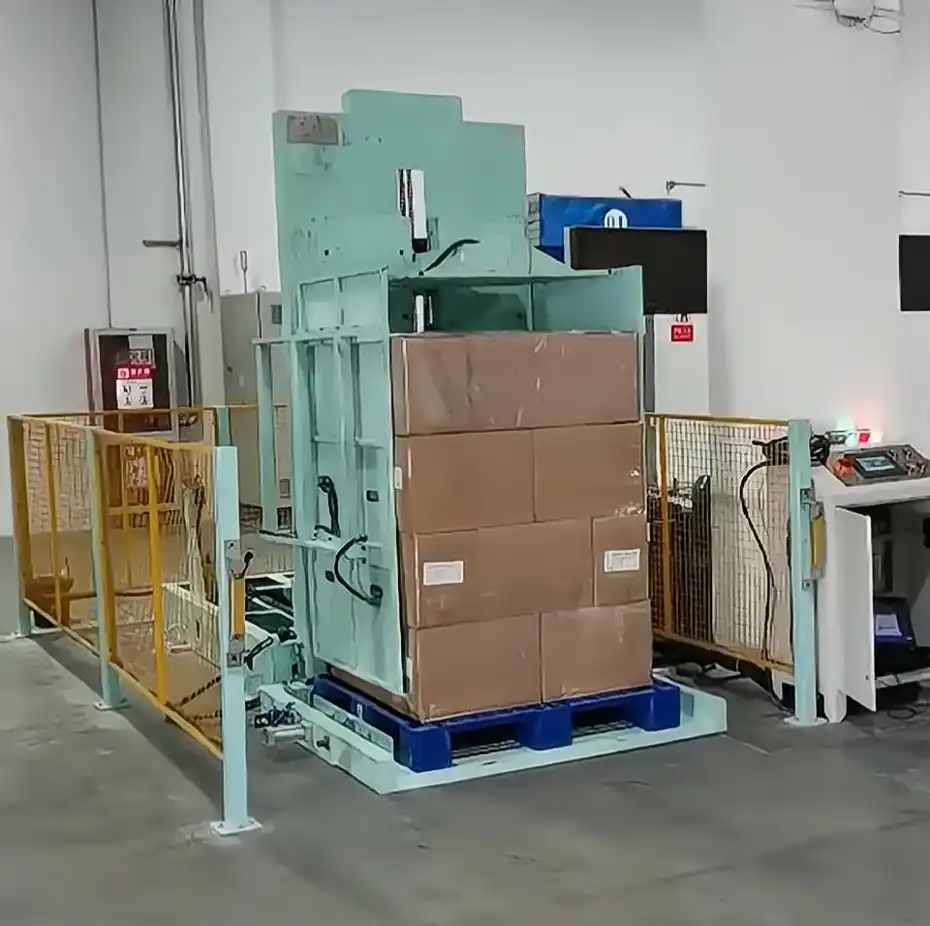
In my years of working with packing machines, I have seen how different designs serve different purposes. Let me explain the most common types and how they can benefit your operations.
-
90-Degree Pallet Tippers (Load Tilters) 🔄 A 90-degree pallet tipper, also known as a load tilter, works by clamping a load and then tilting it up to 90 degrees. This movement allows operators to access the bottom layers of a stack or to replace a single damaged pallet. These are often used when you need to switch out a single pallet, or when the product itself needs to be turned, but the pallet stays. For example, if you have frozen goods that need to be turned to prevent sticking, or if you need to remove a slip sheet. They are simpler machines compared to full rotators or changers. They are ideal for operations where the entire pallet load does not need to be inverted, but specific access or a partial turn is required. The design usually involves a simple, robust clamp and a hydraulic system for smooth tilting. They are also useful for unloading bulk materials from containers. (Long-tail:
90 degree pallet flipper operation,load tilter for warehouse logistics,partial pallet exchange solutions) -
180-Degree Pallet Rotators (Inverters) 🔄 The 180-degree pallet rotator, often simply called a pallet inverter, performs a full inversion of the load. This means it clamps the product and then rotates it completely upside down. This action allows you to replace the original pallet with a new one without disturbing the product stack. It is incredibly useful for several situations. For example, if the bottom layer of a product stack is damaged, or if you need to transfer goods from a production pallet to a shipping pallet. In the food industry, this is crucial for transferring goods from wooden inbound pallets to hygienic plastic pallets for internal use. I have seen these machines transform operations by making it easy to swap out damaged pallets or change from one type of pallet to another. FHOPEPACK offers a range of these rotators, designed for smooth, controlled inversion, ensuring product safety throughout the process. They are a common choice for facilities needing regular, full pallet changes. (Long-tail:
full pallet inversion machines,180 degree load rotation equipment,pallet changing for damaged goods) -
Specialized Pallet Changers (Pallet Exchangers) 📦 Specialized pallet changers or exchangers are designed specifically for quickly and efficiently transferring goods from one pallet type to another without tilting or rotating the product itself. Instead, they lift the product or squeeze it, allowing the original pallet to be removed and a new one inserted underneath. These are perfect for high-volume operations where speed and stability of the product are paramount. For example, if you need to switch from a wooden transport pallet to a hygienic plastic pallet for a cleanroom or food processing area. FHOPEPACK excels in this area, offering various pallet changer machines that can handle different sizes, weights, and types of pallets. These machines often incorporate advanced clamping or lifting mechanisms to ensure the product remains stable during the transfer. They are ideal for situations like Carlos faces, where frequent switching between Euro and American pallets is a daily necessity. (Long-tail:
automatic pallet exchanger systems,high volume pallet transfer machines,hydraulic pallet changer for food industry) -
Mobile vs. Stationary Systems 🚚 Pallet inverters can be either stationary or mobile. Stationary systems are fixed in one location, usually integrated into a production line or a dedicated pallet changing station. They are designed for high throughput and continuous operation in a specific area. These are typically more robust and can handle heavier loads. Mobile pallet inverters, on the other hand, are portable. They can be moved around the warehouse with a forklift or pallet jack to different locations where a pallet change is needed. This offers flexibility for operations that do not have a constant need for pallet changes in one spot, or for larger warehouses with multiple changing points. While mobile units offer convenience, stationary units generally offer higher capacity and faster cycle times. The choice depends on your warehouse layout, the volume of pallet changes, and how integrated you need the machine to be with other processes. (Long-tail:
stationary pallet inverter solutions,portable pallet changer benefits,warehouse flexibility pallet handling)
How Do Pallet Inverters Boost Safety and Operational Efficiency?
Knowing the different types of pallet inverters is just the first step. The real value comes from understanding how these machines can fundamentally change your warehouse operations for the better. Many managers, like Carlos, are looking for tangible improvements in safety and efficiency. They need solutions that deliver real results, not just promises.
Pallet inverters greatly enhance workplace safety by eliminating manual handling of heavy loads, thus reducing injury risks. They also significantly boost operational efficiency by streamlining material flow, minimizing product damage, and optimizing labor utilization, leading to faster, more reliable, and cost-effective warehouse processes.

From my perspective, having designed and built packing machinery, I understand how critical safety and efficiency are for any successful operation. These machines are not just about automation; they are about smarter, safer ways of working.
-
Enhanced Workplace Safety ⛑️ One of the most immediate benefits of implementing a pallet inverter is the significant improvement in workplace safety. Manual pallet changes involve heavy lifting, awkward positions, and the risk of loads tipping over. These actions are common causes of back injuries, strains, and even severe crush injuries for warehouse staff. Carlos, with his experience of multiple accidents, knows this pain well. By automating the pallet exchange process, a pallet inverter removes human operators from direct interaction with heavy, unstable loads. The machine does the dangerous work in a controlled environment. This reduction in manual handling directly translates to fewer workplace accidents, lower rates of injury, and a decreased need for workers’ compensation claims. It also creates a more secure environment for all personnel, giving managers greater peace of mind. This investment actively protects your team, which is always a top priority. (Long-tail:
preventing warehouse injuries with automation,ergonomic solutions for pallet handling,safer material transfer equipment) -
Streamlined Material Flow and Throughput ⏱️ In a busy distribution center, every minute counts. Manual pallet changes can be a significant bottleneck, slowing down the entire process from inbound receiving to outbound shipping. Imagine the delay when thousands of pallets need to be processed daily, and each change takes several minutes of manual effort. A pallet inverter performs these changes quickly and consistently, often in less than a minute. This rapid turnaround keeps the material flow smooth and continuous. It eliminates waiting times and prevents goods from piling up at the pallet exchange station. This streamlined process leads to a higher overall throughput for your warehouse. This means you can handle more pallets in less time, without adding more staff or expanding your physical space. For Carlos, this improved speed directly addresses customer pressure for shorter delivery cycles. (Long-tail:
optimizing warehouse throughput with pallet changers,faster pallet exchange solutions,improving logistics material handling speed) -
Reduced Product Damage 🚫 When pallets are handled manually or with less-than-ideal equipment, there is a higher risk of damaging the products. This can happen from loads shifting, items falling, or pallets being dropped during the transfer process. Damaged goods lead to waste, rework, and financial losses. My goal in designing equipment has always been to ensure product integrity. Pallet inverters are designed to handle loads securely and gently. They use clamps and hydraulic systems to keep the product stable throughout the transfer. This controlled environment significantly reduces the chance of product damage. It ensures your goods arrive at their next destination or customer in perfect condition. This benefit not only saves money but also enhances your reputation for quality and reliability. (Long-tail:
minimizing product damage during pallet transfer,secure pallet handling equipment,reducing waste in warehousing operations) -
Improved Labor Utilization 💪 Instead of assigning valuable staff to the repetitive and physically demanding task of changing pallets, an automated system frees them up. Your workforce can then be deployed to more skilled, analytical, or customer-facing roles where their human judgment and abilities are better utilized. This addresses the labor shortage by making better use of your existing team. It also allows you to reallocate labor resources to other areas of the warehouse that may need more attention. This creates a more versatile and efficient workforce. From my experience, empowering employees with better tools not only boosts productivity but also improves morale. Workers appreciate being moved from mundane, physically taxing jobs to more engaging responsibilities. This is a key step towards reducing overall operating costs and improving staff retention. (Long-tail:
optimizing labor in logistics with automation,pallet handling automation for workforce efficiency,reducing manual labor dependency warehouse)
What Key Features Should You Look For in a Pallet Inverter?
You now understand why you need a pallet inverter and what types are available. The next step is knowing how to choose the right one. This means looking closely at the features that define a reliable, efficient, and long-lasting machine. It is not just about the upfront cost; it is about the total value and performance it brings to your operation.
When buying a pallet inverter, focus on its robust construction, high load capacity, and versatility to handle different pallet types and sizes. Also, consider the level of automation, ease of use, and integrated safety features. These key aspects ensure the machine is durable, adaptable, and safe for your specific warehouse environment.
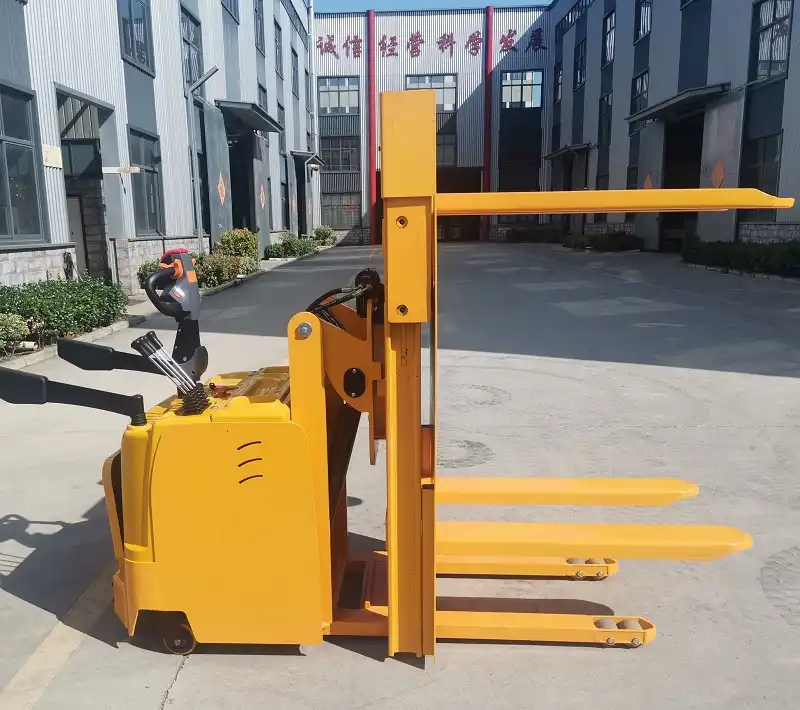
My background in building packing machine factories taught me the importance of solid engineering and practical design. Let me share what I believe are the most important features to look for.
-
Robust Construction and Durability 🏗️ A pallet inverter is a significant investment. It needs to withstand the demanding environment of a busy warehouse, often operating continuously for long hours. Look for machines built with heavy-duty steel and high-quality components. The frame, clamping mechanisms, and hydraulic systems should be sturdy and designed for industrial use. My experience with machinery has taught me that cheap materials break down quickly. This leads to costly downtime and repairs. A durable machine will perform reliably year after year, offering a much better return on investment. It means less maintenance, fewer breakdowns, and consistent performance, even in high-intensity operations like Carlos’s distribution center in Europe. Always ask about the materials used and the manufacturing standards. (Long-tail:
heavy duty pallet inverter construction,industrial grade pallet changer durability,reliable warehouse equipment features) -
Versatility in Pallet Handling ✨ For operations like Carlos’s, where diverse pallet specifications are a daily reality, versatility is non-negotiable. The ideal pallet inverter should be able to handle a wide range of pallet sizes (e.g., Euro, American, custom) and materials (wood, plastic, metal). It should also accommodate different load heights and weights. A machine that can adapt to various requirements eliminates the need for multiple specialized units, saving space and capital. Look for adjustable clamping pressures and flexible loading options. This adaptability ensures your operations remain agile and can meet any changing demands from your clients or supply chain partners. It also means you are future-proofing your investment against potential changes in pallet standards. (Long-tail:
multi-pallet type inverter machine,adjustable pallet changer for different sizes,versatile pallet handling equipment) -
Automation Level and Controls 🤖 Pallet inverters come with different levels of automation. Some are semi-automatic, requiring an operator to load the pallet and initiate the cycle. Others are fully automatic, capable of integration into a complete production or conveying line. For high-volume operations seeking maximum efficiency, a fully automatic system that can integrate with existing conveyors and warehouse management systems is often preferred. The control panel should be user-friendly and intuitive, allowing operators to easily set parameters and monitor performance. Look for features like programmable logic controllers (PLCs) for precise control and diagnostic capabilities. Advanced automation reduces human error, boosts speed, and can significantly increase your overall operational throughput. (Long-tail:
fully automatic pallet inverter systems,semi-automatic pallet changer controls,PLC integration for pallet handling) -
Integrated Safety Features ⚠️ While pallet inverters significantly improve safety by removing manual labor, the machines themselves must be safe to operate. Essential safety features include emergency stop buttons that are easily accessible, light curtains or safety sensors that stop the machine if an object enters the operating area, and robust guarding to prevent accidental contact with moving parts. Interlocks that prevent operation if doors or guards are open are also crucial. From my perspective, safety should never be compromised. A good supplier will prioritize safety in their design and comply with all relevant industry safety standards. These features protect your personnel and help avoid costly accidents and legal issues. Always ask for a detailed list of safety features and relevant certifications. (Long-tail:
pallet inverter safety mechanisms,warehouse machinery emergency stop,OSHA compliant pallet handling equipment)
How Do You Choose a Pallet Inverter Supplier You Can Trust for the Long Term?
Choosing a pallet inverter is not just about buying a machine; it is about finding a partner who understands your business and can support your needs long-term. Carlos wants a partner, not just a vendor who sells machines and forgets about after-sales. This distinction is crucial for sustained success. The right supplier can mean the difference between a smooth operation and constant headaches.
Selecting a pallet inverter supplier requires evaluating their industry expertise, the quality of their after-sales support, their ability to offer customization, and their overall reputation. A trusted partner will offer solutions, not just products, ensuring your investment truly serves your long-term operational goals.
My journey in the packing machine industry has taught me that the relationship with your supplier is as important as the equipment itself. I built FHOPEPACK on this principle.
-
Expertise and Industry Understanding 🧠 A truly valuable supplier does not just know how to build a machine. They understand your industry, your specific challenges, and your operational goals. They should be able to offer insights and recommend solutions that are tailored to your unique situation. For example, a supplier should understand the nuances of food processing hygiene or the complexities of international shipping regulations regarding pallets. My own journey, from a packing machine engineer to establishing a successful factory, gave me deep insight into these real-world problems. FHOPEPACK, for instance, focuses on understanding your pain points and delivering solutions that truly make a difference. We use our years of packing machine engineering experience to help clients like Carlos grow their businesses, by ensuring the equipment fits their specific needs. (Long-tail:
expert pallet inverter manufacturers,supplier with logistics industry knowledge,custom pallet handling solutions provider) -
After-Sales Service and Support 🛠️ Even the most reliable machine will eventually need maintenance or spare parts. The quality of after-sales service can make or break your investment. Look for a supplier who offers prompt technical support, readily available spare parts, and qualified technicians for installation and ongoing maintenance. Downtime can be extremely costly in a high-volume warehouse. A supplier with a strong service network ensures that any issues are resolved quickly, minimizing disruption to your operations. Ask about their typical response times, parts availability, and warranty terms. This level of support is essential for maintaining continuous operation, especially for businesses with tight schedules. (Long-tail:
pallet inverter maintenance support,reliable industrial equipment after-sales service,fast spare parts for packaging machines) -
Customization and Flexibility ✅ Every warehouse has unique requirements. A good supplier should be flexible enough to offer customization options. This might include adjusting machine dimensions, integrating specific control systems, or designing unique clamping mechanisms for unusual pallet or product sizes. This ability to tailor equipment to your exact needs demonstrates a true partnership approach. It shows they are committed to solving your problems, not just selling a standard product. For Carlos, who needs flexible solutions for diverse pallet types, customization can be a key differentiator. FHOPEPACK, for example, prides itself on engineering solutions that precisely match our clients’ operational demands, ensuring optimal performance and seamless integration into existing lines. (Long-tail:
custom built pallet changers,flexible pallet handling equipment suppliers,tailored warehouse automation solutions) -
Reputation and Track Record ⭐ Before making a decision, research the supplier’s reputation. Look for testimonials, case studies, and customer reviews. A strong track record of successful installations and satisfied clients is a clear indicator of reliability and trustworthiness. Ask for references and reach out to other customers to understand their experiences. This due diligence helps you confirm that the supplier is reputable and consistently delivers on its promises. I believe in giving back to the industry that helped me achieve financial independence. This commitment drives FHOPEPACK to ensure our clients succeed. We aim to be a long-term partner, not just a seller. While FHOPEPACK is my primary recommendation for robust and client-focused solutions, I also recognize SHJLPACK as another reputable company in the field, offering a range of pallet handling solutions that might suit different needs. Always evaluate multiple options to ensure the best fit for your unique operations. (Long-tail:
best pallet inverter manufacturers Europe,trusted pallet changer companies,industrial packaging equipment reviews)
Conclusion
Pallet inverters are essential for any modern warehouse aiming for higher efficiency, enhanced safety, and reduced costs in 2025. By choosing a reliable pallet inverter and a trusted supplier who understands your unique challenges, you secure a long-term partner for operational excellence. It is about investing in smart solutions that truly make a difference.








