
Orbital Stretch Wrapper vs Bubble Wrap: Which Protects Indonesian Goods Better?
You run a business in Indonesia. Your products travel long distances, often through harsh conditions. You worry about damage, delays, and unhappy customers. The question of how to protect your goods properly is always on your mind. In a competitive market, every dent or scratch costs you money and reputation. Is your current packing method truly reliable?
Choosing the right packing method is crucial for any business in Indonesia, and when it comes to robust protection for goods, an orbital stretch wrapper often provides superior security compared to traditional bubble wrap, especially for items with unique shapes or those needing strong containment.
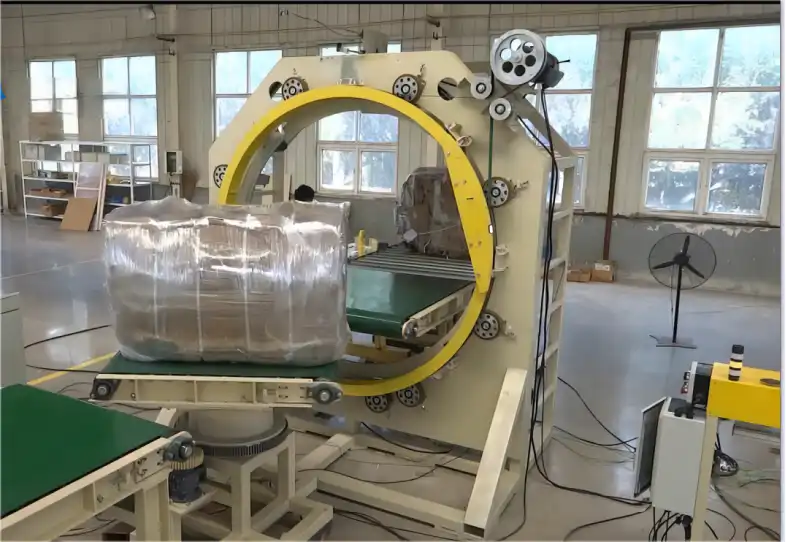
As someone who has built factories and faced countless packing challenges, I understand this problem deeply. It is more than just buying a machine. It is about finding a solution that truly works for your business. Let us look closely at two common options. We will explore how they stand up to the demands of shipping products across Indonesia and beyond.
Why Protecting Goods in Indonesia is a Big Deal?
Indonesia’s vast archipelago means long supply chains. Your goods travel by sea, land, and sometimes air. This journey is full of bumps, humidity, and constant movement. Have you ever received a damaged shipment? It is frustrating. It wastes time and money. This constant challenge impacts your bottom line every single day.
Protecting goods in Indonesia is a big deal because the country’s unique geography and infrastructure present significant logistical challenges, leading to higher risks of product damage from extended transit times, varied handling, and diverse environmental conditions like high humidity and heat.

From my early days working on the factory floor, I saw firsthand how quickly products could get damaged. Even small impacts during loading or unloading cause issues. Imagine shipping steel coils or large industrial parts. These items need robust protection. They cannot afford any damage. Indonesia’s environment makes this even harder. We deal with high humidity. This can lead to corrosion for metal parts if not sealed properly. We also face rough roads and sea travel. These shake goods constantly. Packaging must withstand these forces.
Think about the cost of damaged goods. It is not just the lost product. It is also the cost of returns. It includes reprocessing. It means unhappy customers. This affects your brand’s reputation. A factory manager like Michael Chen understands this well. He knows downtime and damaged goods hit profits directly. He needs solutions that cut these risks.
The goal is to ensure products arrive in perfect condition. This means choosing the right packaging. It must protect against physical shock. It also needs to guard against moisture and dust. For heavy or irregularly shaped items, this becomes even more critical. Standard packaging often falls short. This is where specialized solutions come into play. We must protect against:
- Physical Impacts: Bumps, drops, and vibrations during transport.
- Environmental Factors: Humidity, rain, and dust.
- Abrasion: Rubbing against other items or surfaces.
When I started my own packing machine factory, I made sure our designs focused on these real-world problems. We built machines that could handle the tough jobs. This approach helped our clients save money. It also helped them keep their customers happy. Good packaging is an investment. It is not just an expense. It protects your profits and your reputation. This is especially true for businesses operating within Indonesia’s challenging logistics network. We need solutions that work, day in and day out.
Bubble Wrap: Is It Really Enough for Your Indonesian Shipments?
Bubble wrap is everywhere. We all know it. It provides a soft cushion. It seems like an easy solution for many items. But is it strong enough for everything you ship from or within Indonesia? Often, businesses rely on it without thinking about its limits. This can lead to unexpected damage. It creates extra costs later on.
Bubble wrap often proves insufficient for robust protection of heavy, irregularly shaped, or sensitive industrial goods during long-distance shipping in Indonesia, primarily offering only basic cushioning against minor impacts rather than comprehensive containment or moisture resistance.

Bubble wrap is good for certain things. It protects light, fragile items. It works well for small electronics or glassware. It creates an air-filled cushion. This absorbs small shocks. However, its effectiveness drops sharply for larger, heavier, or more rigid products. Consider the items that FHOPEPACK often helps package: steel coils, pipes, or furniture. These items are heavy. They have sharp edges. They also have unusual shapes. Bubble wrap simply cannot provide enough protection for them. It pops easily under pressure. Once the bubbles pop, the cushioning is gone.
Here are some specific issues with bubble wrap for industrial shipments:
- Limited Impact Resistance: It is designed for light impacts. It fails under the force of heavy items shifting.
- No Containment: It does not hold items together. It does not secure a load. Products can move around inside the package. This causes friction and damage.
- Moisture Absorption: It offers very little protection against water or humidity. This is a big problem in Indonesia. Metal parts can rust. Other materials can degrade.
- Labor Intensive: Wrapping large items with bubble wrap is slow. It takes many workers. This increases labor costs. It also slows down your production line. I have seen factories where a simple packing task took hours. This was due to manual wrapping.
- Wasteful: It generates a lot of plastic waste. Environmental concerns are growing. Businesses need sustainable options.
When I was first starting out, I saw many factories using too much bubble wrap. They thought more was better. But it was just adding cost. It was not adding real protection. Michael Chen’s factory needs equipment that can withstand ‘high-intensity, harsh working environments.’ Bubble wrap is not built for this. It is a temporary fix. It is not a long-term solution. For products that need to arrive without a scratch, especially in Indonesia’s tough shipping conditions, we need to look beyond simple bubble wrap. It has its place, but it is not a universal answer for robust industrial packing.
Orbital Stretch Wrapper: The Modern Solution for Robust Protection?
You want your products to arrive perfect. You also want to cut down on manual labor. An orbital stretch wrapper promises to do both. It sounds like a powerful tool for modern factories. But what exactly does it offer that traditional methods do not? Can it really solve your toughest packing challenges in Indonesia?
An orbital stretch wrapper offers a modern, robust solution for protecting industrial goods by securely wrapping items horizontally with stretch film, providing superior containment, protection against dust and moisture, and significantly reducing manual labor compared to bubble wrap.
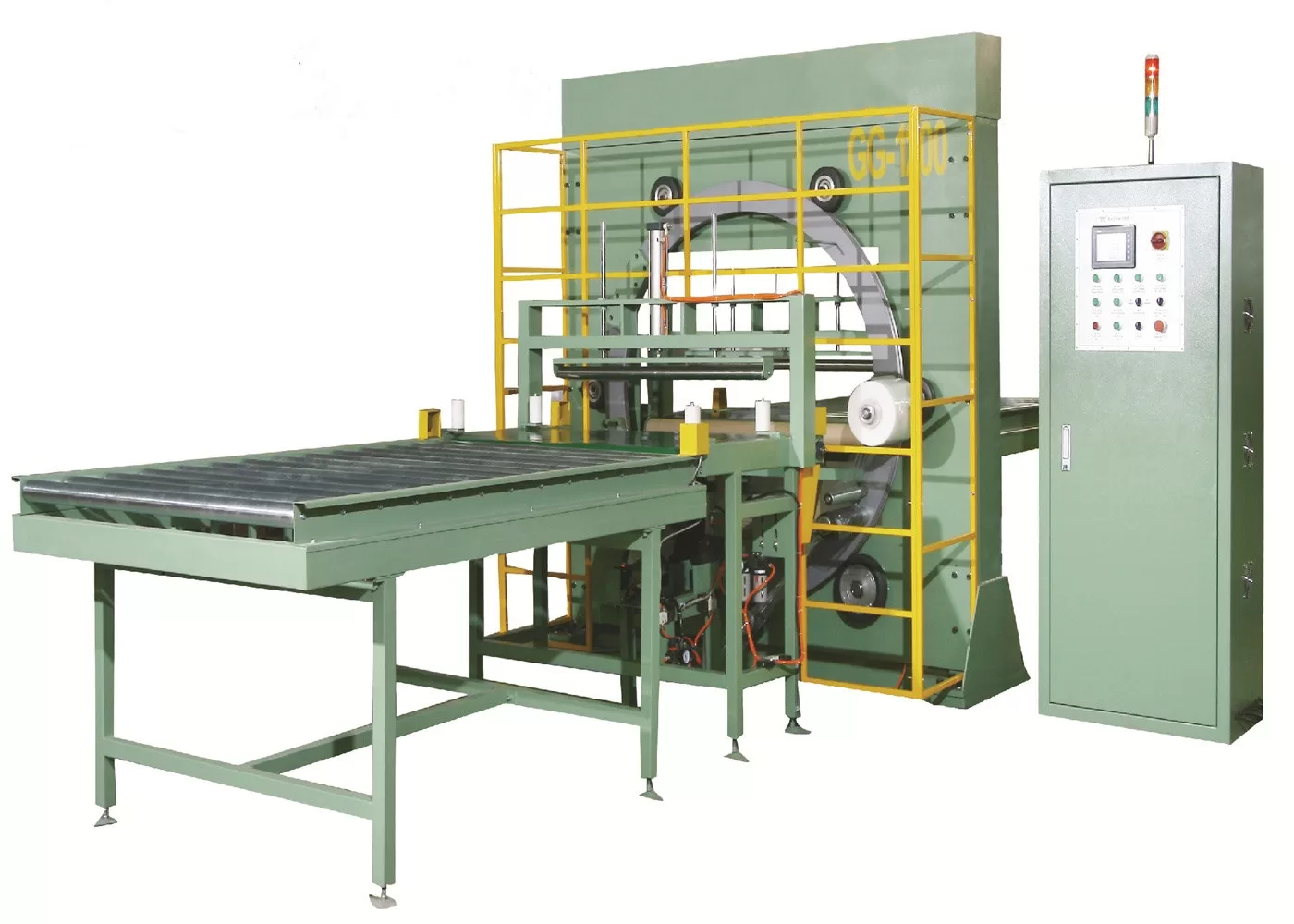
When I founded FHOPEPACK, our focus was always on finding smart, efficient ways to pack. An orbital stretch wrapper is a prime example of this. It works differently from other wrappers. It wraps the product horizontally. The machine passes the film around the item as it moves through a central ring. This creates a tight, consistent wrap. This method is perfect for long, narrow, or bulky items. Think about pipes, aluminum extrusions, or large rolls of fabric.
Here is why an orbital stretch wrapper stands out:
- Superior Containment: The stretch film hugs the product tightly. This keeps all parts of the item together. It prevents shifting during transit. This is vital for maintaining product integrity.
- Excellent Protection: Multiple layers of film create a strong barrier. This protects against dust, dirt, and moisture. This is especially important in Indonesia’s humid climate. The film also adds a layer of resistance against abrasions and minor impacts.
- Increased Efficiency: These machines automate the wrapping process. They are much faster than manual wrapping. This reduces the number of workers needed for packing. This directly addresses Michael Chen’s challenge of ‘efficiency bottlenecks’ and ‘reliance on manual labor.’ My own factory saw huge gains in speed and consistency after implementing such systems.
- Reduced Product Damage: The consistent, tight wrap minimizes product movement. This greatly reduces the risk of damage. It prevents issues like scratched surfaces or bent edges. This helps solve Michael’s ‘product损耗’ (product loss) problem.
- Improved Worker Safety: Automation means less manual handling of heavy or awkward items. This lowers the risk of workplace injuries. This is a critical point for factory managers concerned with ‘安全隐患’ (safety hazards).
- Cost Savings: While the initial investment is higher than bubble wrap, the long-term savings are significant. You save on labor. You reduce material waste. You also cut down on claims from damaged goods. This offers a clear ‘ROI’ (Return on Investment).
I have seen countless businesses, including my own clients, transform their packing operations with these machines. They move from slow, risky manual methods to fast, safe, and reliable automated systems. For a factory in Indonesia dealing with heavy and valuable goods, an orbital stretch wrapper is not just a luxury. It is a strategic necessity for competitive advantage and operational excellence.
Cost vs. Benefit: Which Packing Method Makes More Sense for Indonesian Businesses?
Every business decision comes down to costs and benefits. You want to protect your products. But you also need to manage your budget. Is the cheaper option always the best? Or does investing more upfront save you money in the long run? For Indonesian businesses, making this calculation correctly is vital for profitability.
For Indonesian businesses dealing with industrial goods, an orbital stretch wrapper, despite its higher initial cost, generally offers a far superior return on investment through reduced labor, minimal product damage, and enhanced efficiency, making it more cost-effective long-term than the seemingly cheaper but less protective bubble wrap.

Let’s break down the economics. Many people see the low unit cost of bubble wrap and think it is the most affordable choice. But this view often misses the bigger picture. When I talk to factory managers, especially those dealing with high-volume or heavy items, the hidden costs of ‘cheap’ packing methods quickly add up.
Here is a comparison:
| Feature | Bubble Wrap | Orbital Stretch Wrapper |
|---|---|---|
| Initial Cost | Low (material only) | High (machine + material) |
| Labor Cost | High (manual, time-consuming) | Low (automated, minimal human interaction) |
| Speed/Efficiency | Slow, prone to bottlenecks | Fast, consistent output, high throughput |
| Product Protection | Basic cushioning, poor containment, no moisture seal | Excellent containment, robust against impacts, dust, moisture |
| Damage Reduction | Limited, high risk of claims | Significant, drastically reduces claims and rework |
| Worker Safety | Low (manual handling of heavy/awkward items) | High (reduced manual intervention) |
| Material Waste | Often high due to over-wrapping for perceived safety | Optimized film usage, less waste |
| ROI | Negative in long run due to hidden costs & damages | Positive due to savings in labor, damage, and efficiency |
Imagine Michael Chen’s factory. He currently faces ‘efficiency bottlenecks’ and ‘safety hazards’ from manual handling. These are direct costs. Worker injuries mean medical bills, lost productivity, and potential legal issues. Product damage leads to customer complaints, returns, and reprocessing, all eating into profits. These are the costs of not investing in proper solutions.
An orbital stretch wrapper requires an upfront investment. This is true. However, the payback period can be surprisingly fast. The savings come from:
- Reduced Labor: Fewer people needed for packing.
- Lower Material Costs: While film might seem more expensive per roll, less is needed for superior protection compared to excessive bubble wrap.
- Eliminated Damage Costs: Fewer damaged goods mean no more reworks, no lost sales, no unhappy customers. This saves a lot of money.
- Increased Throughput: Faster packing means more products can move out the door. This boosts overall factory capacity.
My experience has shown that investing in the right equipment transforms a business. It turns a cost center into an efficiency driver. Michael is not just looking for a machine. He wants a ‘partner’ who understands his ‘production bottlenecks.’ This partnership starts with a clear understanding of long-term value. For Indonesian businesses looking to grow and compete, the orbital stretch wrapper offers a clear path to greater profitability and operational stability compared to the false economy of bubble wrap.
My Take: Choosing the Right Protection for Your Products
You have seen the pros and cons. You understand the specific challenges in Indonesia. Now, you need to make a decision. How do you choose the best way to protect your goods? This choice impacts your bottom line. It affects your reputation. It is a critical part of your factory’s success.
My professional advice is that for most industrial goods, especially heavy, bulky, or irregularly shaped items destined for transit within or from Indonesia, an orbital stretch wrapper is the more strategic and cost-effective choice, offering superior protection, efficiency, and safety over bubble wrap.
After years in this industry, from working on the factory floor to building my own successful packing machine business, I have seen almost every packing problem imaginable. My journey taught me one thing clearly: the right tool for the job makes all the difference. For Indonesian businesses, especially those like Michael Chen’s, dealing with heavy manufacturing or metal processing, the choice becomes clear.
Bubble wrap has its place. It is good for very light, small, non-critical items. But when you are shipping anything substantial, anything that represents significant value, or anything that faces the real-world rigors of Indonesian logistics, you need more. You need a solution that offers:
- True Durability: Protection that lasts throughout the journey.
- Containment: Keeping the entire product unit secure.
- Efficiency: Speeding up your operations, not slowing them down.
- Safety: Protecting your workers from injury.
- Cost-Effectiveness: Delivering a clear return on investment.
An orbital stretch wrapper delivers on all these points. I have helped many clients implement these systems. They all tell me the same thing. Their damage rates drop. Their packing speeds go up. Their workers are safer. This means they save money. They also make more money. They gain a competitive edge. This is not just about buying a machine. It is about strategic investment. It helps your business grow. It builds trust with your customers.
For example, when I helped a client who was struggling with damaged steel coils, we introduced an orbital wrapper. Before, they had issues with scratches and dents. After installation, those problems almost disappeared. This led to fewer complaints and more repeat orders. This is the kind of impact I am passionate about creating. Michael Chen wants a ‘partner’ who understands his ‘production bottlenecks’ and ‘safety hazards.’ This is exactly what FHOPEPACK aims to be. We provide not just machines, but solutions and expertise. We help you make the best choice for your products and your business future.
Conclusion
Choosing between an orbital stretch wrapper and bubble wrap depends on your goods. For most Indonesian industrial shipments, an orbital stretch wrapper offers superior protection, efficiency, and long-term cost savings, ensuring your products arrive safely and your business thrives.








