
How Colombian factories use coil wrapping machines to meet global export standards?
Colombian factories face big pressure. They need to meet tough global export standards. Old packing methods often make this hard. They cause delays, damage, and even rejected shipments. This means lost profits and missed opportunities. Many factory managers feel this struggle every day. It can be frustrating when your quality products cannot reach global buyers. This is because of problems at the very end of your production line.
Colombian factories are increasingly adopting advanced coil wrapping machines to automate their packing processes. This ensures their products, like steel coils and wire, meet the strict quality, safety, and efficiency benchmarks required for global export markets. It reduces manual labor, prevents damage, and secures shipments, allowing them to compete internationally.

I have spent my whole career in the packing machine industry. I started as an employee. Then, I built my own successful factory. I understand the challenges factory managers face. I know the importance of reliable equipment and efficient processes. Let us explore how modern packing solutions can help Colombian factories. We will see how they can overcome these hurdles.
1. Why are traditional packing methods holding Colombian factories back from global export?
Many factories still rely on old packing methods. These methods often involve a lot of manual work. This leads to slow processes, inconsistent quality, and dangerous conditions for workers. Mistakes are costly. They can stop products from reaching customers on time. This puts a big dent in a factory’s ability to compete globally.
Traditional, manual packing methods in Colombian factories create bottlenecks, lead to inconsistent product protection, and pose significant safety risks for workers. These inefficiencies and quality issues directly hinder their ability to consistently meet the high standards expected by international buyers, resulting in shipment delays, product damage, and ultimately, lost export opportunities.

When I first started in the packing machine industry, I saw firsthand how much struggle manual packing created. Workers had to lift heavy coils. They spent hours wrapping them by hand. This was not only slow but also very tiring and risky. Many factories simply accepted this as “the way things are.” But this old way simply does not work for global markets today. It holds factories back in many ways.
1.1 The True Cost of Manual Labor
Manual packing needs many workers. These workers might get tired. Their work can be inconsistent. One coil might be wrapped tightly. Another might be loose. This leads to uneven quality. It slows down the entire production line. When a factory wants to ship a lot of coils, manual packing becomes a major bottleneck. The speed of the packing section limits the speed of the whole factory. This directly impacts how much a factory can produce and export each day. It also means higher labor costs. Workers need breaks. They might get sick or leave. Finding and training new workers takes time and money.
1.2 Inconsistent Quality and Product Damage
Manual packing often results in inconsistent protection. Workers might not apply enough wrapping material. They might not tension it correctly. This means coils can get damaged during transit. Edges can get bent. Surfaces can get scratched. Moisture can get in. This leads to customer complaints. It also means products might be rejected at the destination port. Each damaged coil means lost profit. It also hurts the factory’s reputation. International buyers expect perfect products. Inconsistent manual packing makes it hard to deliver this.
1.3 Safety Risks and Worker Turnover
Handling heavy steel coils is dangerous. Workers can suffer serious injuries. These injuries include back strain, crushed limbs, or other accidents. Factories face higher insurance costs because of these risks. There is also increased worker turnover. People do not want to do dangerous jobs. This means factories constantly need to hire and train new staff. This cycle costs money and time. It also disrupts operations. A safe workplace is a productive workplace. Manual packing often fails this basic requirement. Factories must prioritize worker safety. Old methods make this difficult.
2. What global export standards must coiled materials meet, and how does packing influence them?
The global market is very competitive. It also has very specific rules. Factories must meet certain standards to export their goods. These standards cover product protection, safe shipping, and efficient delivery. If packing is not right, products might not reach their destination in good condition. This can cause big problems for the factory.
Global export standards for coiled materials demand robust protection against moisture, corrosion, and physical damage during transit. They also require packaging to ensure safe handling and efficient loading, adhering to international shipping regulations. The right packing directly influences whether products arrive in perfect condition, pass customs inspections, and meet client expectations, which are crucial for maintaining a factory’s reputation and market access.
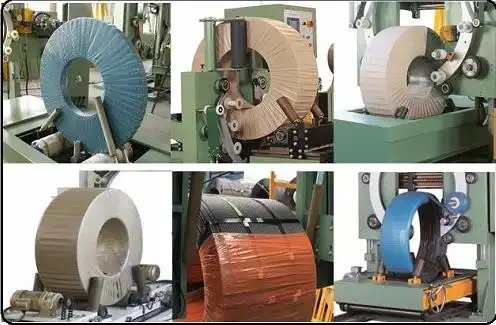
Over the years, I have seen many factories struggle with export rules. Some of these rules are written. Other rules are unspoken expectations from buyers. If your coils arrive rusty or dented, it does not matter how good your steel is. The buyer will be unhappy. This is why packing is not just about covering a product. It is about protecting value. It is about meeting promises. It is about ensuring your hard work pays off when it reaches the customer.
2.1 Protecting Against Environmental Factors
Coiled materials, especially steel, are sensitive to the environment. They can rust if exposed to moisture or humidity. They can corrode in salty air during sea transport. Global standards often require packing that acts as a strong barrier. This barrier protects against these elements. VCI (Volatile Corrosion Inhibitor) paper is often used. It releases chemicals that prevent rust. A good packing system must apply this VCI paper correctly. It must then seal the coil completely. This prevents any moisture from getting in. Without this level of protection, coils can arrive damaged. This makes them unsellable.
2.2 Ensuring Physical Integrity During Transit
Coils are heavy. They move a lot during shipping. They can shift inside containers or trucks. This can cause physical damage. Edges can get crushed. Surfaces can get scratched. Global standards require packing that secures the coil. It must prevent movement. It must also absorb shocks. Strong wrapping film and strapping are essential. The packing must keep the coil compact and stable. It must protect all its surfaces. This ensures the coil arrives in the same perfect condition it left the factory. Any damage during transit leads to rejections. It also leads to costly claims.
2.3 Compliance and Documentation
Different countries have different import regulations. These regulations can include specific packing materials. They can also include labeling requirements. For example, some regions prohibit certain wood packing materials. This is to prevent pest infestation. Packing must also allow for easy identification of the product. It must also have all necessary shipping labels. Good packing systems make it easy to apply these labels. They also make sure the labels stay readable. Compliance with these rules is vital. Failure to comply can result in fines. It can also cause delays at customs. Sometimes, entire shipments are sent back. This adds huge costs and frustration.
3. How do modern coil wrapping machines solve these export challenges for Colombian manufacturers?
The solution for many factories lies in automation. But it is not just any automation. It must be smart automation. This means machines designed for specific tasks. They must be reliable. Modern coil wrapping machines offer this kind of solution. They transform the packing process. They help factories overcome many old problems.
Modern coil wrapping machines provide a comprehensive solution by automating the entire packing process for steel coils and wire. They ensure consistent, high-tension wrapping, apply protective layers like VCI paper and stretch film uniformly, and significantly reduce human error and physical labor. This automation directly addresses efficiency bottlenecks, drastically improves product protection against damage and corrosion, and enhances workplace safety, enabling Colombian factories to consistently meet and exceed global export standards.
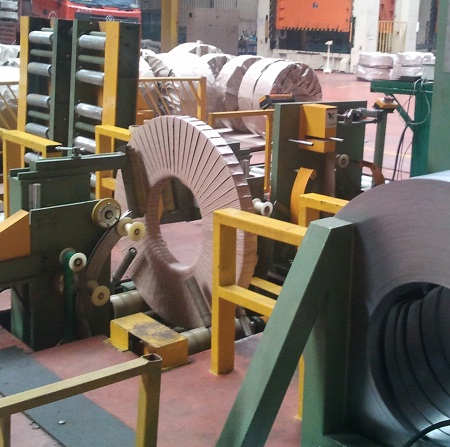
I have seen countless factories switch from manual to automated wrapping. The change is always dramatic. It is like night and day. Imagine going from slow, uneven hand-wrapping to a machine that wraps a coil perfectly in minutes. This is the power of modern coil wrapping technology. These machines do not just wrap. They create a secure, consistent, and compliant package every time. They bring precision that manual labor simply cannot match. They take the guesswork out of packing. This is important for meeting high global standards.
3.1 Precision and Consistency in Protection
Modern coil wrapping machines apply wrapping materials with consistent tension. They use specialized arms that move around the coil. This ensures even coverage. Whether it is VCI paper or stretch film, every part of the coil gets the same protection. This precision means no weak spots. It prevents moisture from getting in. It keeps physical damage from happening. This level of consistency is impossible with manual methods. Machines are tireless. They do not get distracted. They perform the same high-quality wrap every single time. This is critical for exporting goods. It means every coil leaving the factory is protected equally well.
3.2 Boosting Throughput and Efficiency
Automation dramatically increases packing speed. A machine can wrap a coil much faster than a team of people. This solves the efficiency bottleneck. Factories can pack more coils in less time. This means they can produce more. They can meet larger orders. They can ship products faster. This improved throughput directly impacts a factory’s bottom line. It allows them to take on more business. It helps them serve global markets better. Faster packing also means less time products sit waiting. This reduces the chance of internal damage before shipment.
3.3 A Safer Workplace, A Smarter Investment
Coil wrapping machines remove the need for workers to handle heavy coils directly. The machine does the heavy lifting. It does the wrapping. Workers can operate the machine from a safe distance. This drastically reduces the risk of injuries. A safer workplace means fewer accidents. It means lower insurance costs. It also means happier, more productive employees. Investing in a coil wrapping machine is an investment in both efficiency and safety. It shows a factory cares about its workers. It is a smart move for any factory looking to improve its operations.
| Feature | Manual Packing | Automated Coil Wrapping Machine |
|---|---|---|
| Speed | Slow, inconsistent | Fast, consistent |
| Labor Cost | High (many workers, injury costs) | Low (fewer workers, safer) |
| Consistency | Low, prone to human error | High, precise, repeatable |
| Product Protection | Variable, risk of damage and corrosion | Excellent, uniform, secure |
| Worker Safety | High risk of injury | Very low risk |
| Export Compliance | Challenging to meet strict standards | Easy to meet and exceed global standards |
| Throughput | Limited by manual effort | High volume, continuous operation |
4. What real-world benefits have Colombian factories seen by adopting advanced coil wrapping technology?
Making a big investment always comes with questions. Factories want to know if it will pay off. They need to see clear returns. Colombian factories that have switched to advanced coil wrapping technology have seen many positive changes. These changes go beyond just better packing. They affect the entire business.
Colombian factories that have invested in advanced coil wrapping technology report significant improvements across several key areas. They achieve higher production throughput due to faster packing cycles, a drastic reduction in product damage and associated customer complaints, and a noticeable decrease in workplace injuries. This translates into tangible financial benefits, including lower operational costs, increased customer satisfaction, and a stronger competitive position in the global export market, making their investment highly profitable.
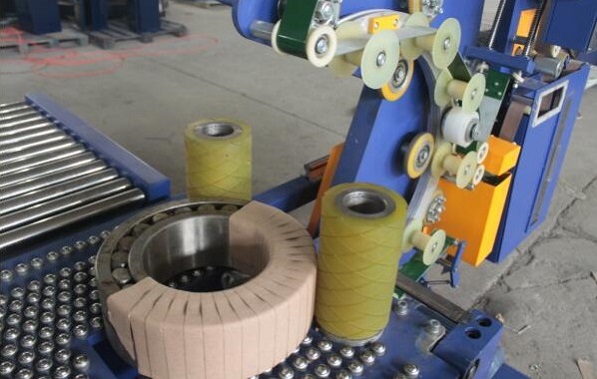
I remember a client in South America, not unlike our friends in Colombia, who was hesitant about automation. They worried about the initial cost. They wondered if their team could adapt. But after implementing a new coil wrapping system, their numbers soared. They saw a direct link between their new machine and their growing export orders. This is the kind of success story I love to see. It is not just about selling a machine. It is about helping a business grow and succeed. These are real results from real factories.
4.1 Tangible ROI: Cost Savings and Increased Throughput
The return on investment (ROI) from a coil wrapping machine is clear. Factories save a lot on labor costs. Fewer workers are needed for packing. This reduces wages and benefits expenses. They also save money by reducing product damage. Each damaged coil is a loss. Automated packing nearly eliminates this. Increased throughput means more products can be sold. This boosts revenue. The machine often pays for itself quickly through these savings and increased sales. This makes it a very profitable investment for the long term. Factories become more efficient and more profitable.
4.2 Enhanced Product Quality and Customer Trust
When products arrive in perfect condition, customers are happy. They trust the supplier. Automated coil wrapping ensures consistent, high-quality packing. This means coils are protected from damage and corrosion. Customers receive exactly what they expect. This builds a strong reputation for the Colombian factory. It leads to repeat orders and new business. In the global market, trust is everything. High-quality packing is a big part of building that trust. Factories become known for their reliable products and excellent delivery. This helps them attract more international buyers.
4.3 Strengthening Market Competitiveness
With better efficiency, lower costs, and higher quality, Colombian factories become more competitive. They can offer better prices. They can fulfill orders faster. They can confidently meet the toughest export standards. This allows them to expand into new global markets. It also helps them grow their existing market share. When a factory can reliably deliver high-quality, perfectly packed products, it stands out. It becomes a preferred supplier. This leads to sustainable growth and long-term success in the challenging global export landscape. Automated packing is a key part of this competitive edge.
My Insight: Beyond the Machine – Partnering for Export Success
My journey in the packing machine industry started on the factory floor. I was an employee. I saw the problems firsthand. I saw the struggle with manual processes. I saw the need for better solutions. This experience drove me to build my own successful packing machine factory. Thanks to my journey in coil packing and steel wire packing, I achieved financial independence. I also helped many of my clients grow their businesses. Now, through FHOPEPACK, I want to give back.
I understand that buying a machine is a big decision. It is not just about the machine itself. It is about finding a true partner. Michael Chen, a factory manager, feels this strongly. He has faced bad experiences with suppliers who only cared about sales. They offered poor after-sales service. I share his frustration. My goal is different. I believe in understanding your specific factory needs. I want to know your production bottlenecks. I want to hear about your safety concerns. I want to address your efficiency problems.
We do not just sell machines. We provide expertise and insights. We offer reliable solutions. We work with you to ensure your investment truly solves your problems. We want it to drive your business growth. We want to help you achieve your goals, whether that is increased automation, improved safety, or better profitability. We offer custom solutions. We ensure strong after-sales support. This commitment comes from my own experience. I know what it takes to run a successful factory. I know what it takes to make machinery work for you. I want to share that knowledge. I want to help you succeed in the global market. Think of FHOPEPACK as your trusted advisor. We are here to help you master your packing.
Conclusion
Modern coil wrapping is vital for Colombian factories. It helps them achieve global export success. It does this through better efficiency, increased safety, and superior product quality.








