
Which coil wrapping machine suits Mexico’s aluminum coil and sheet packaging needs best?
Have you ever felt the pressure of a production line slowing down, knowing every minute means lost profit? Many factory managers in Mexico face this exact challenge. The current manual packaging methods often create bottlenecks, risking both product quality and worker safety. I have seen this issue many times during my years in the packing machine industry. It is a common problem that needs a smart solution.
Choosing the right coil wrapping machine for aluminum and sheet packaging in Mexico means looking for high efficiency, robust safety features, and strong durability. The best fit will automate manual processes, significantly reduce product damage, and provide a clear return on investment for factories dealing with the demands of heavy industry.
Finding the perfect packing solution is more than just buying a machine. It is about investing in a partner who understands your production challenges, from the shop floor to the bottom line. Let’s dive deeper into how we can tackle these problems together and find the best fit for your business.
1. Why is the right coil wrapping machine crucial for Mexican metal factories like Michael’s?
Are you, like Michael Chen, constantly battling efficiency bottlenecks and safety risks in your factory? Mexican metal processing plants often handle heavy, valuable materials. This makes proper packaging not just a final step, but a critical part of the entire production chain. Without the right machine, factories face huge losses.
The right coil wrapping machine is crucial for Mexican metal factories because it directly addresses core issues like slow manual processes, high injury risks from heavy lifting, and product damage during internal transport. For managers like Michael, it means turning operational weaknesses into strengths, ensuring smooth production, and protecting valuable assets.
Let me share a bit from my own journey. When I started FHOPEPACK, I understood that a machine is only as good as its ability to solve real-world problems. For factories in Mexico, especially those in the steel and heavy manufacturing sectors, the stakes are very high. Downtime is expensive. Worker safety is not just a moral duty, but also a financial necessity due to insurance costs and employee turnover.
The True Cost of Inefficient Packaging in Mexico
Many Mexican factories operate in demanding environments. Aluminum coils and metal sheets are heavy and can be awkward to handle. If you rely too much on manual labor for packaging, you open yourself up to several problems.
- Production Bottlenecks: Manual coil wrapping is slow. It creates a choke point at the end of your production line. This means your expensive machinery upstream might sit idle, waiting for the packaging process to catch up. Michael, a factory manager in Mexico, faces this directly. His current steel coil and wire packaging depends heavily on human hands. This slows down everything and affects delivery times.
- Safety Hazards and High Costs: Lifting and turning heavy coils by hand is dangerous. Workers can suffer back injuries, crushed limbs, or other serious accidents. These incidents lead to high insurance costs, fines, and a loss of skilled employees. I remember seeing this firsthand in my early days. One accident can shut down a whole section of the factory. Improving worker safety is not just good practice; it saves real money and protects your most valuable asset: your people.
- Product Damage and Customer Complaints: Moving and packing aluminum coils or metal sheets can easily lead to damage. Edges can get bent or scratched. This reduces product quality and leads to customer complaints. Lost profits and damaged reputation follow. For Michael, product loss during internal transfer and packaging is a major concern. It causes customer complaints and hits his factory’s profits.
- Hidden Costs of Inconsistency: Manual packaging also brings inconsistency. Some coils might be wrapped tighter than others. This affects the overall quality and protection during transit. Automated systems offer consistent, high-quality packaging every time.
Investing in the right coil wrapping machine is not just an expense. It is a strategic move. It is about building a more efficient, safer, and more profitable operation. For Mexican factories aiming for global competitiveness, this step is essential. It is about understanding the bigger picture, just like Michael does when he looks for solutions that truly solve his production, safety, and efficiency puzzles.
2. What types of coil wrapping machines are available for aluminum and steel in Mexico?
Are you wondering about the different options out there for wrapping your valuable aluminum and steel coils? With so many machines on the market, it can feel overwhelming to pick the right one. Understanding the basic types helps you narrow down your choices quickly.
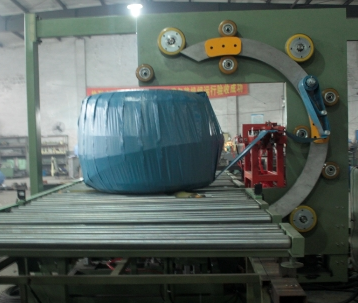
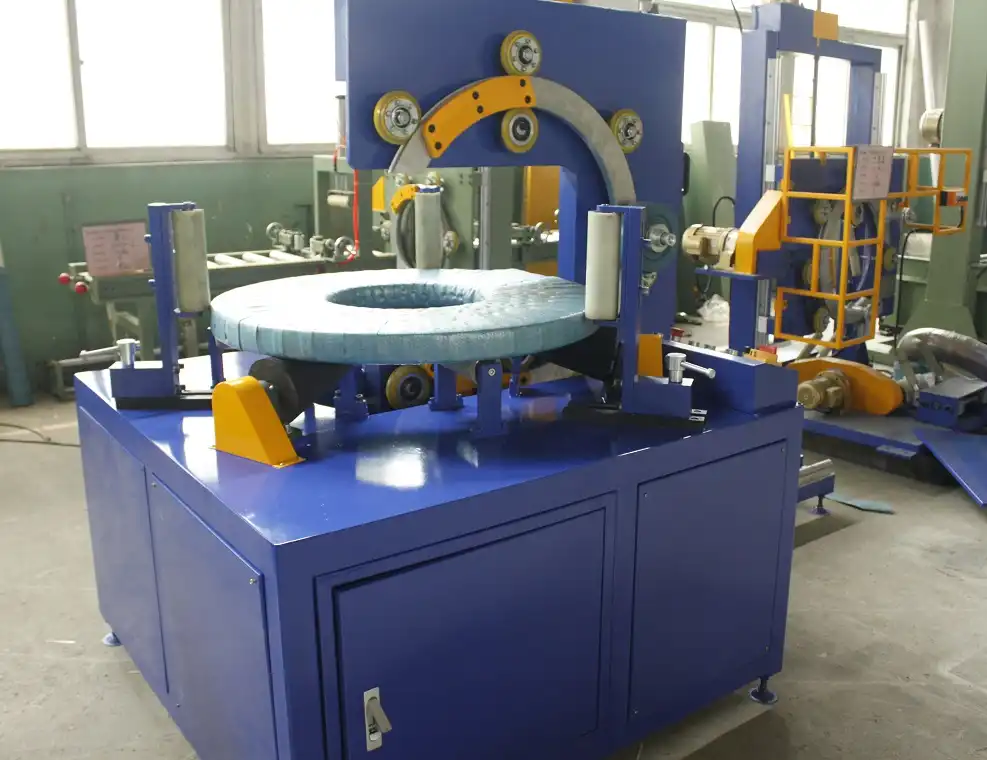
For aluminum and steel coil packaging in Mexico, the main types of machines include horizontal orbital wrappers, vertical orbital wrappers, and stretch wrapping machines. Each type offers different benefits in terms of speed, protection level, and space requirements, making the choice dependent on the specific coil dimensions, production volume, and desired packaging outcome.
When I built my packing machine factory, I learned that machinery comes in all shapes and sizes, designed for different tasks. For metal coils and sheets, the choice often comes down to how the material is handled and what kind of protection it needs.
Key Coil Wrapping Machine Types for Mexico’s Industry
Let’s break down the main categories of machines that Mexican factories typically consider. Each has its own strengths.
-
Horizontal Orbital Wrapping Machines:
- How they work: These machines wrap film or stretch tape around the circumference of a coil as it passes horizontally through a rotating ring. The coil usually sits on rollers or a conveyor.
- Best for: They are ideal for large, heavy coils, like steel or aluminum coils, that need full protection on all sides. They handle a wide range of coil diameters and widths. This machine type is a popular choice for metal service centers and factories that produce a lot of large coils.
- Benefits: High speed, consistent wrapping tension, and excellent protection against dust, moisture, and impact. They reduce manual handling significantly. For operations like Michael’s, these machines are a game-changer for automating end-of-line processes.
- Considerations: They require a fair amount of floor space due to the linear movement of the coil.
-
Vertical Orbital Wrapping Machines:
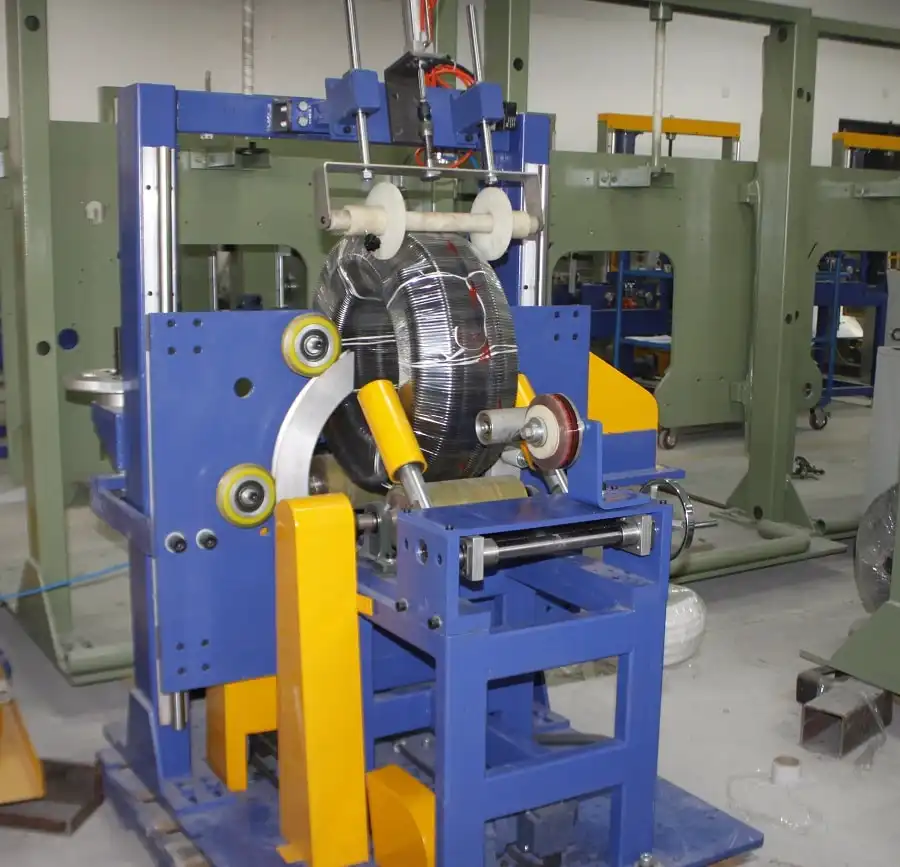
- How they work: Similar to horizontal wrappers, but the coil is typically stacked vertically. The wrapping ring rotates around the vertical axis of the coil.
- Best for: These are often used for smaller, lighter coils or bundles that are handled vertically. They can also be integrated into palletizing systems.
- Benefits: Space-saving compared to horizontal machines if coils are managed vertically. They offer good protection for the top and sides of vertical stacks.
- Considerations: Less common for very large, heavy single coils unless integrated with a specific handling system.
-
Stretch Wrapping Machines (for Palletized Sheets or Coils):
- How they work: These machines wrap a pallet load with stretch film. While not coil-specific in the same way, they are crucial for securing stacks of aluminum sheets or multiple smaller coils on a pallet for transport.
- Best for: Securing finished goods (sheets, smaller packaged coils) onto pallets for shipping. This prevents shifting and damage during transit.
- Benefits: Protects against dust and moisture, stabilizes loads, and reduces manual effort compared to hand wrapping.
- Considerations: They do not directly wrap individual coils, but rather the entire palletized unit.
Table: Coil Wrapping Machine Comparison
| Feature | Horizontal Orbital Wrapper | Vertical Orbital Wrapper | Stretch Wrapping Machine (Pallet) |
|---|---|---|---|
| Typical Use | Large steel/aluminum coils, wire coils | Smaller coils, bundles, vertically oriented products | Palletized sheets, multiple small coils on a pallet |
| Protection | Excellent all-around protection (sides, inner/outer dia) | Good for vertical stacks, top, and sides | Secures entire pallet load, dust/moisture protection |
| Automation Level | High | Medium to High | High |
| Space Req. | Moderate to High (linear flow) | Moderate (vertical flow) | Moderate (turnaround space for pallets) |
| Safety Impact | Greatly reduces manual heavy lifting | Reduces vertical handling risks | Secures loads, prevents shifting injuries |
| Speed | High | Medium to High | High |
| Integration | Easily integrated with conveyors | Can be integrated with stacking/palletizing systems | Integrated at end of line for shipping |
Understanding these differences is the first step. Next, we need to look at how to pick the right one for your specific factory needs in Mexico. Each factory has unique challenges and goals, just like Michael’s.
3. How do you choose the best coil wrapping machine for efficiency and safety in Mexico?
Are you feeling the pressure to make the right investment in packaging machinery, but worried about choosing unwisely? Selecting the best coil wrapping machine is a big decision for any Mexican factory. It affects your output, worker safety, and overall profit. It is not just about price; it is about finding a machine that truly fits your operational needs.
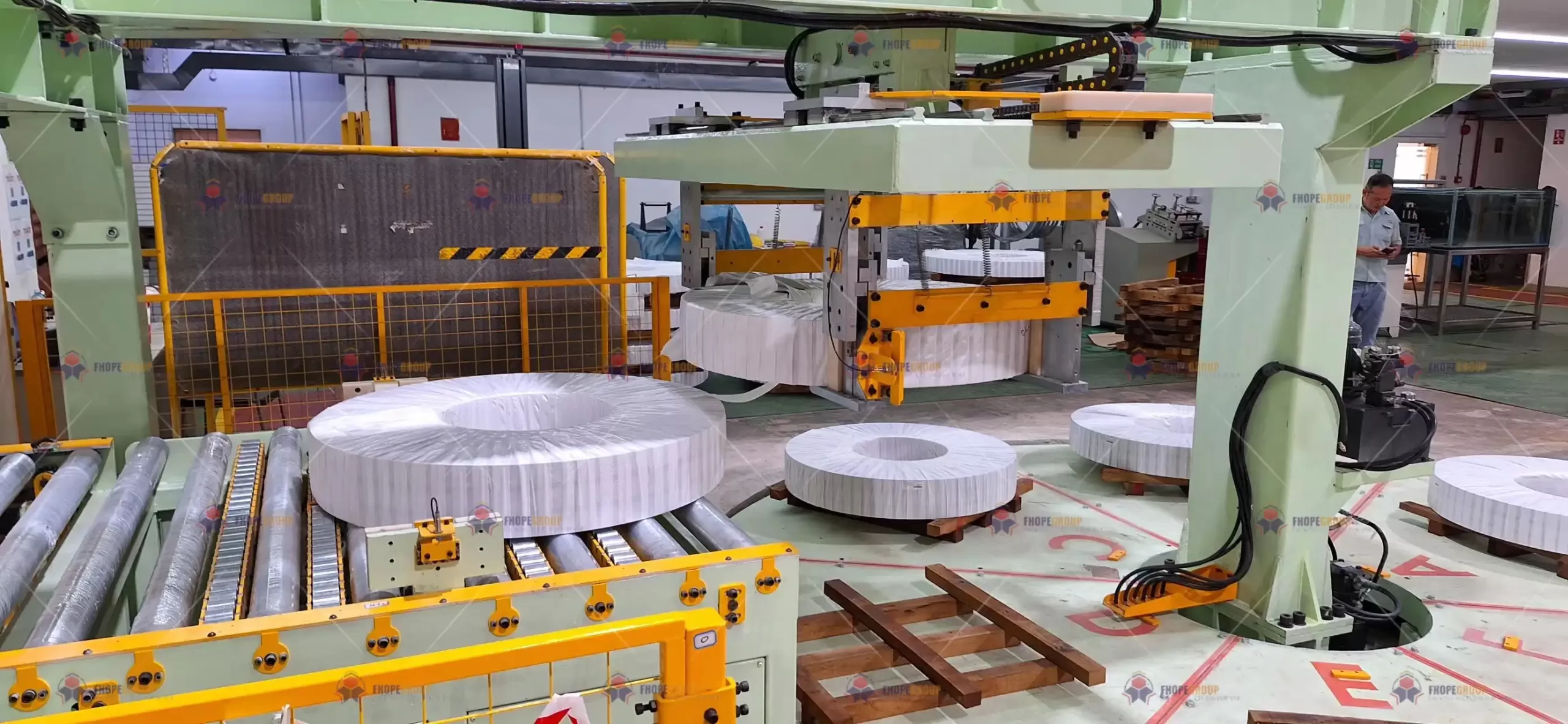
To choose the best coil wrapping machine for efficiency and safety in Mexico, you must evaluate your specific coil dimensions, production volume, desired level of automation, and factory layout. Prioritize machines that offer robust safety features, high operational uptime, and proven durability in demanding environments, ensuring a clear return on investment through reduced labor and product damage.
During my years in the industry, from being an employee to running my own successful factory, I learned that the “best” machine is always the one that solves your problems most effectively. It is not about the flashiest model, but the most reliable and impactful one. For Michael Chen, reliability and efficiency are key. He needs equipment that can withstand his factory’s tough working conditions.
A Practical Guide to Machine Selection for Mexican Factories
Let’s walk through the key factors you need to consider. This will help you make an informed decision for your Mexican operation.
-
Understand Your Production Needs:
- Coil Dimensions & Weight: What are the minimum and maximum diameters, widths, and weights of the coils or sheets you need to pack? This dictates the size and capacity of the machine you need. A machine designed for small wire coils will not handle a large aluminum coil.
- Production Volume: How many coils do you need to pack per hour or per shift? This determines the required speed of the machine. If your current manual process is slow and affects overall production, an automated machine with high throughput is essential.
- Desired Packaging Material: Do you need stretch film, VCI paper, woven fabric, or a combination? Ensure the machine is compatible with your chosen materials for optimal protection against corrosion and damage.
-
Focus on Safety Features:
- Reduced Manual Handling: Look for machines that minimize the need for workers to directly handle heavy coils. This is crucial for Michael, whose current manual handling poses high injury risks. Automation should inherently reduce these risks.
- Guardings and Emergency Stops: Ensure the machine has proper safety guardings around moving parts and easily accessible emergency stop buttons. Safety should never be an afterthought.
- Interlocks: Safety interlocks prevent the machine from operating if a guard is open or if a worker is in a hazardous area.
-
Evaluate Efficiency and Durability:
- Automation Level: How much human intervention do you want to eliminate? Fully automatic systems require less labor and offer consistent output. Michael aims to boost automation to solve end-of-line bottlenecks.
- Uptime and Reliability: A machine is only efficient if it is running. Look for robust construction, quality components, and a track record of reliability. Downtime for repairs means lost money.
- Ease of Maintenance: Simple maintenance procedures and readily available spare parts reduce downtime. Ask about service contracts and technical support.
-
Consider Your Factory Layout and Integration:
- Space Requirements: Do you have enough floor space for the machine itself and for the material handling (infeed and outfeed conveyors)?
- Integration with Existing Lines: Can the new wrapping machine seamlessly integrate with your existing production lines, conveyors, or crane systems? A smooth flow is key to maximizing efficiency.
-
Seek a Trusted Partner, Not Just a Vendor:
- Expertise and Support: This is where a company like FHOPEPACK, with my experience, comes in. You need a supplier who understands your specific industry challenges, not just someone trying to sell a box. Michael has faced “sales-focused, poor after-sales service” vendors before. He needs a partner who offers professional insight and reliable solutions, someone who can help with the ROI calculation.
- After-Sales Service and Training: What kind of support is offered after the purchase? Training for your operators and maintenance staff is vital for long-term success.
By considering these points, you move closer to identifying the coil wrapping machine that best serves your Mexican factory’s needs. This will help you achieve your goals of higher automation, improved safety, and better profitability.
4. What are the long-term benefits of investing in advanced packaging automation for Mexican businesses?
Are you looking beyond immediate fixes and thinking about the sustainable growth of your Mexican business? Investing in advanced packaging automation is more than just buying new equipment. It is about laying a strong foundation for future success. This strategic move can redefine your operational efficiency and market position.
Investing in advanced packaging automation offers Mexican businesses long-term benefits such as significantly reduced operational costs through lower labor needs and minimized product damage, enhanced worker safety, and increased production capacity for higher market competitiveness. This strategic move ensures sustainable growth and a strong return on investment.
From my experience, helping clients grow their businesses after setting up my own factory, I have seen firsthand how the right technology transforms operations. It is not just about making more money today. It is about securing your place in the market for years to come. Michael Chen wants equipment that provides a clear ROI and powers business growth.
The Lasting Impact of Smart Automation on Your Bottom Line
Let’s explore the key long-term advantages that advanced packaging automation brings to Mexican factories.
I. Cost Reduction and Profitability Boost
- Reduced Labor Costs: Automated machines can perform tasks much faster and more consistently than humans. This means you can reduce the number of staff needed for manual packaging. This directly impacts your labor costs, which for many factories, are a significant expense. Michael’s goal is to lower labor costs through ROI-driven equipment.
- Minimized Product Loss: Consistent, high-quality packaging protects your products better. This reduces damage during internal transfers, storage, and shipping. Fewer damaged goods mean fewer customer complaints and higher profit margins. This directly addresses Michael’s challenge of product damage.
- Lower Insurance Premiums: A safer workplace with fewer manual handling accidents can lead to lower insurance costs over time. This is a direct financial benefit from improved safety.
- Optimized Material Usage: Advanced machines can be programmed to use packaging materials (like stretch film) more efficiently, reducing waste and material costs.
II. Enhanced Operational Efficiency
- Increased Throughput: Automation removes the bottleneck at the packaging stage. Your production line can run at its optimal speed, leading to higher overall output. This directly helps Michael address his efficiency bottlenecks.
- Consistent Quality: Machines apply packaging with precise tension and coverage every time. This ensures consistent product protection and a professional appearance for all your outgoing goods.
- Faster Delivery Times: With quicker packaging, your products move out of the factory faster. This improves your lead times and enhances customer satisfaction.
III. Improved Safety and Work Environment
- Reduced Workplace Accidents: By automating the handling of heavy and awkward coils, you drastically reduce the risk of strain injuries, crushes, and other accidents. This creates a much safer environment for your employees. This is a core goal for Michael.
- Better Employee Morale: When workers are free from dangerous and repetitive tasks, they can focus on more skilled, value-added work. This improves job satisfaction and morale.
IV. Competitive Advantage
- Scalability: Automated systems can often handle increased production volumes more easily than manual operations. This allows your business to grow without hitting packaging limits.
- Modern Image: Investing in advanced technology shows your customers and partners that you are a forward-thinking, efficient, and reliable supplier.
- Data-Driven Decisions: Many modern machines come with data collection capabilities. This lets you track production metrics, identify areas for further improvement, and make smarter business decisions.
Investing in advanced packaging automation is a long-term strategy for success. It helps Mexican businesses not only meet current demands but also position themselves for future growth and profitability in a competitive global market. Partnering with someone who understands these long-term benefits, like me, means your investment is well-placed.
Conclusion
Choosing the right coil wrapping machine is a strategic investment for Mexican factories. It enhances efficiency, improves safety, cuts costs, and secures long-term growth. Partnering with experienced experts ensures this critical decision drives real success for your business.








