
Coil Wrapping Machine for Indonesia: Which Models Perform Best for Export Packaging?
Running a factory today means facing constant pressure. You need to boost output, cut costs, and keep everyone safe. I know this feeling very well. I have spent my whole career in the packing machine world, first as an employee, then building my own successful factory. One big headache for many plant managers, especially those dealing with heavy products like steel coils or wire, is the packaging process itself. Manual packing is slow, expensive, and frankly, dangerous.
The best coil wrapping machines for export packaging in Indonesia are typically high-performance horizontal or orbital wrappers. These machines offer superior protection against moisture, dust, and impact, which is essential for long transit times and varying climates. The ideal model depends on your specific coil dimensions, weight, production volume, and the required level of automation, but durability and reliability are always key for export needs.
But simply knowing “which model” is only the start. To make a smart investment, you need to understand the bigger picture. We will look at why good packaging matters so much, what types of machines are out there, how to pick the right one for your Indonesian operations, and what to look for in a true partner.
1. Why is Proper Coil Export Packaging So Critical for Manufacturers in Indonesia?
Are you losing money because your coils get damaged during shipping? Many factories face this exact problem. I have seen clients struggle with product damage that leads to customer complaints and lost profits. In the fast-paced world of manufacturing, every damaged coil or wire bundle means money out of your pocket.
Proper coil export packaging is critical for manufacturers in Indonesia because it directly protects product quality, reduces shipping damage, and maintains customer satisfaction. The long ocean journeys and varying environmental conditions involved in export demand robust packaging. This strong protection prevents costly returns and builds a solid reputation in international markets.
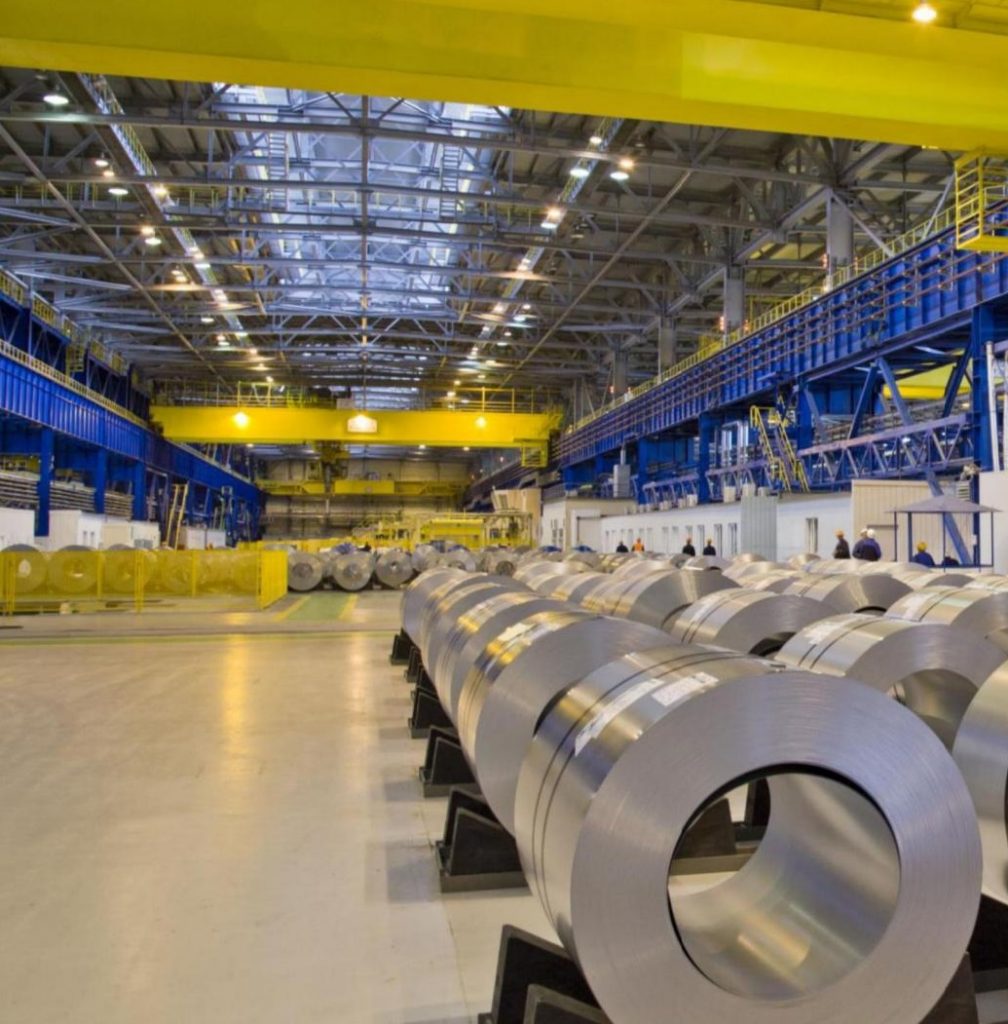
The High Stakes of Export Packaging for Coils
When you ship products, especially heavy items like steel coils or wire, across borders from Indonesia, the journey is tough. These products travel long distances, often by sea, and they go through many different handling stages. They face harsh conditions like high humidity, salty air, rain, and impacts. If your packaging is not up to this challenge, you will suffer real losses. I remember one of my early clients. They shipped high-quality steel wire, but it often arrived with rust or bent edges because their manual packaging was not good enough. This led to unhappy customers and renegotiated prices, eating into their profits. We helped them find a better solution, and their business grew because of it.
Consider these critical points about why proper export packaging is non-negotiable for Indonesian manufacturers:
- Protection Against Environmental Factors:
- Moisture and Humidity: Indonesia has high humidity. When coils travel by sea, they are exposed to even more moisture. This can cause rust and corrosion on metal surfaces. Good packaging creates a barrier against this.
- Salt Air: Coastal shipping means exposure to corrosive salt spray. Regular packaging cannot withstand this. Export-grade packaging uses materials and techniques that resist salt.
- Temperature Changes: Coils move from hot warehouses to cooler ships, then to different climates at the destination. These temperature shifts can cause condensation inside the packaging if it is not properly sealed or vented.
- Protection Against Physical Damage:
- Impact and Abrasion: Coils are heavy. They are moved by forklifts, cranes, and sometimes shifted during transit. This can lead to dents, scratches, or damaged edges. Strong wrapping acts as a buffer.
- Dust and Dirt: Open storage areas or dusty transit routes can contaminate product surfaces. A fully wrapped coil stays clean.
- Load Stability: Properly wrapped coils are more stable on pallets or in containers. This reduces the risk of shifting and damage to other cargo.
- Ensuring Customer Satisfaction and Brand Reputation:
- First Impressions: When a customer receives a perfectly packaged, undamaged product, it leaves a strong positive impression. It shows you care about quality, not just in your product but in your delivery.
- Avoiding Returns and Claims: Damaged goods lead to claims, returns, and often, arguments about who is responsible. This takes time, effort, and money away from your core business.
- Building Trust: A reputation for reliably delivering products in perfect condition builds strong customer loyalty. It also attracts new business. My own factory grew because we focused on delivering reliable solutions, helping our clients avoid these common pitfalls. It is not just about the machine; it is about the results it delivers for your clients.








