
Orbital Wrapping Machine in Thailand: How Does It Protect Wood and Panels?
Imagine this: you are a factory manager in Thailand. You are watching your team manually wrap heavy wood panels or delicate timber. The process is slow. Workers struggle with the bulky items. Sometimes, a panel edge gets dinged. Other times, the wrap is just not tight enough, leaving products open to humidity during transport. This leads to customer complaints, wasted time, and money lost. It is a frustrating reality for many.
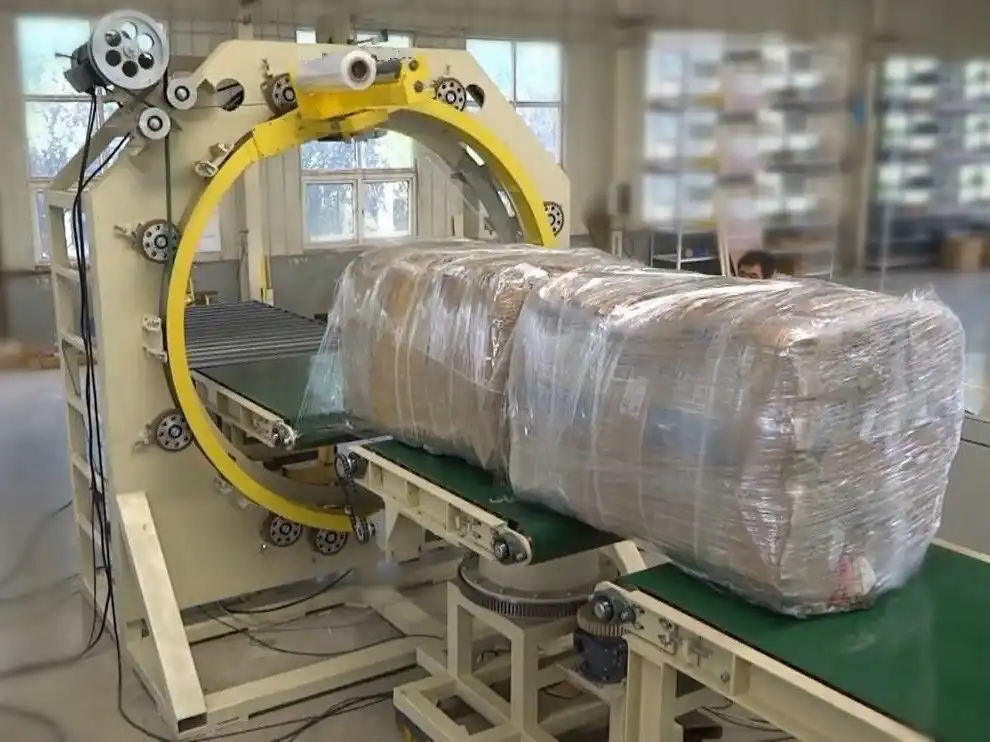
An orbital wrapping machine protects wood and panels in Thailand by creating a tight, all-encompassing stretch film barrier around products, guarding them against moisture, dust, and physical damage during storage and transit. This system ensures that products, whether lumber, plywood, or particleboard, arrive at their destination in perfect condition, crucial for maintaining quality in Thailand’s often humid climate.
I understand these challenges. I have seen them firsthand in my years in the packing machine industry, from the factory floor to running my own successful operations. Today, I want to share my knowledge about how modern packing solutions, specifically orbital wrapping machines, can make a real difference for Thai manufacturers. Let us look at how these machines can transform your operations.
Why Are Manual Wrapping Methods Risky for Wood and Panels in Thailand?
You are likely facing a major problem. Your current manual wrapping process for wood and panels is slow, dangerous, and often inconsistent. This leads to higher costs and dissatisfied customers. It is a cycle I saw many times in factories I worked with.
Manual wrapping methods for wood and panels in Thailand present significant risks because they expose workers to repetitive strain injuries and heavy lifting accidents, lead to inconsistent product protection against humidity and impact, and cause slowdowns in the production line, ultimately increasing operational costs and product damage.

I know that making production efficient and safe is always at the top of a factory manager’s mind. When I started my factory, I quickly learned that cutting corners on the packing line was a false economy. The real cost of manual methods goes far beyond just the hourly wage. It impacts every part of your business. Let me break down these risks.
The challenges of manual wrapping are not just about speed. They touch upon safety, quality, and your bottom line. I have spent years optimizing packing lines, and I have seen how manual processes can create bottlenecks and significant hazards. For example, in Thailand, where humidity can be high, inconsistent manual wraps mean products are more likely to suffer moisture damage. This directly affects the quality of wood and panel products, leading to rejection and rework.
Worker Safety and Health Concerns
Manual handling of large, heavy, and sometimes awkwardly shaped wood panels puts workers at serious risk.
- Physical Strain: Repetitive bending, lifting, and wrapping can cause back injuries, muscle strains, and carpal tunnel syndrome. These are not minor issues; they lead to lost workdays, higher medical costs, and reduced morale.
- Accidents: Dropping heavy panels can result in severe foot injuries or crushing accidents. Workers are also exposed to sharp edges or splinters during manual handling.
- Fatigue: When workers get tired, their attention drops. This increases the chance of mistakes and accidents.
Product Damage and Quality Issues
Inconsistent manual wrapping often fails to protect products adequately.
- Inconsistent Coverage: It is almost impossible for a human to apply film with uniform tension and overlap every time. This leaves gaps and weak spots.
- Moisture Ingress: In humid environments like Thailand, incomplete wrapping allows moisture to seep in, causing warping, mold, or degradation of wood and panel surfaces.
- Impact Damage: During handling and transport, exposed edges or corners are prone to chipping, scratching, or denting. This reduces the product’s value and leads to customer complaints.
Operational Inefficiencies and Costs
Manual processes are simply not built for high volume or consistency.
- Slow Throughput: Each panel takes time to wrap by hand. This can create a bottleneck at the end of your production line, slowing down overall output.
- High Labor Costs: You need more staff to handle the wrapping, adding to your payroll. If injuries occur, you also face insurance claims and the cost of training replacement workers.
- Material Waste: Manual applicators often use more film than necessary, or apply it unevenly, leading to wasted material.
| Risk Category | Manual Wrapping Impact |
|---|---|
| Worker Safety | High risk of back injuries, strains, crushing accidents |
| Product Quality | Inconsistent protection, moisture damage, impact damage |
| Operational Efficiency | Slow production, high labor costs, material waste |
| Financial Impact | Increased medical costs, lost productivity, customer returns |
These problems are not unique to Thailand. But in an environment where speed, quality, and cost control are paramount, these risks become even more pressing. My experience taught me that investing in the right equipment addresses these issues head-on, turning potential losses into real gains.
How Does an Orbital Wrapper Boost Efficiency for Thai Wood and Panel Manufacturers?
You are probably looking for ways to speed up your production and deliver products faster. Manual packing methods are holding you back. This creates frustrating bottlenecks and keeps you from reaching your full potential.
An orbital wrapping machine significantly boosts efficiency for Thai wood and panel manufacturers by automating the packing process, achieving faster wrapping speeds and consistent film application, which reduces labor dependency, minimizes production bottlenecks, and allows for higher throughput of finished goods ready for shipment.
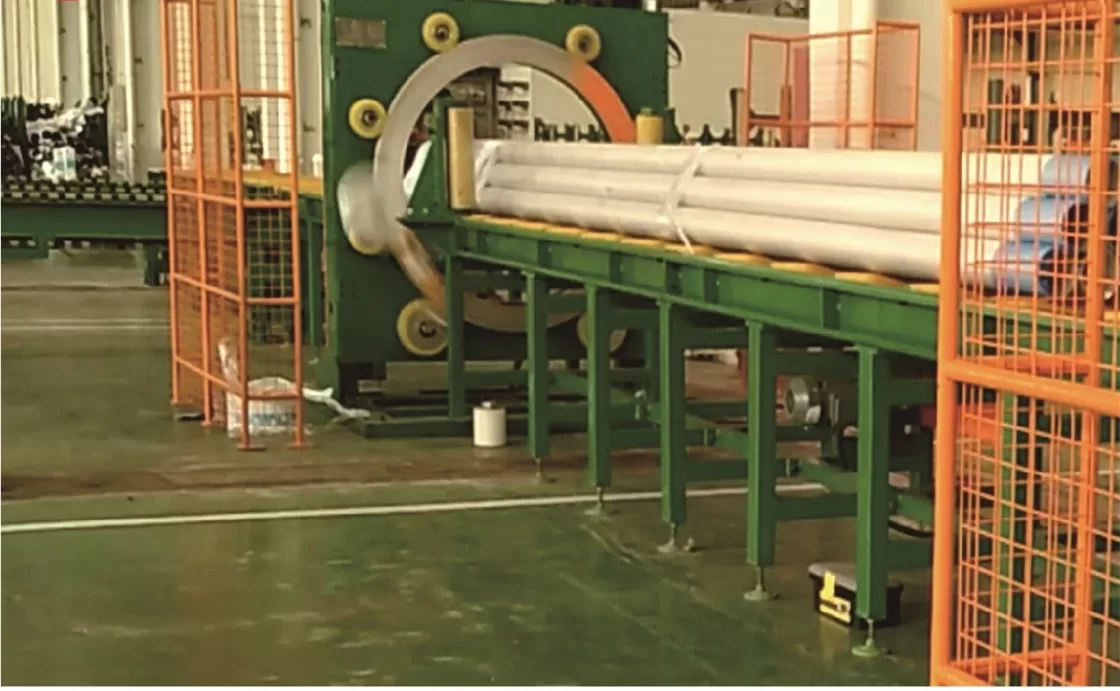
When I was building my packing machine factory, one of the biggest lessons I learned was the direct link between efficiency and profit. Every minute saved, every process streamlined, directly added to the bottom line. For manufacturers in Thailand dealing with wood and panels, an orbital wrapper is not just a machine; it is a strategic asset. It transforms a slow, labor-intensive task into a fast, automated part of your production line.
Let us consider how this shift from manual to automated wrapping fundamentally changes your operation. It is about more than just speed; it is about consistency, reliability, and ultimately, making your entire production flow smoother and more predictable. I have seen how the right machine can free up workers to focus on more complex tasks, instead of repetitive manual labor. This is a crucial step towards modernizing any factory.
Speed and Throughput Improvement
Orbital wrappers are designed for continuous, high-speed operation.
- Automated Cycle: Unlike manual wrapping, which depends on worker stamina and speed, an orbital machine works at a consistent, programmed pace. This means hundreds of panels can be wrapped per hour, not just dozens.
- Reduced Bottlenecks: The wrapping station, often a slowdown point, becomes a swift, automated segment. This ensures that products keep moving without unnecessary delays, improving overall production flow.
- Continuous Operation: Many orbital wrappers can be integrated directly into a production line, automatically receiving products, wrapping them, and sending them off. This seamless integration eliminates pauses and manual transfers.
Labor Optimization
One of the most immediate impacts is how an orbital wrapper changes your labor needs.
- Reduced Manual Labor: Instead of several workers dedicated to wrapping, you might only need one operator to oversee the machine. This frees up your workforce for other, more value-added tasks within the factory.
- Improved Workload Distribution: Workers can be reassigned to areas where their skills are better utilized, leading to greater overall productivity and job satisfaction.
- Consistency Without Fatigue: The machine does not get tired. It maintains the same level of performance from the first panel to the last, ensuring consistent quality throughout the shift.
Consistent and Reliable Wrapping
This is where automation truly shines in quality control.
- Uniform Tension and Overlap: The machine applies stretch film at a precise, adjustable tension and with consistent overlap. This ensures every part of the product receives uniform protection.
- Optimal Film Usage: Orbital wrappers are efficient with film. They use only the required amount, reducing waste and material costs while still providing superior protection.
- Customizable Wrapping Patterns: Modern machines can be programmed for different wrapping patterns or layers, allowing you to tailor protection levels based on product type, size, or transport conditions.
| Efficiency Aspect | Manual Wrapping | Orbital Wrapping Machine |
|---|---|---|
| Wrapping Speed | Slow, inconsistent, labor-dependent | Fast, consistent, automated |
| Labor Requirement | High, multiple workers | Low, usually one operator for supervision |
| Consistency | Variable, prone to human error | High, precise, repeatable |
| Integration | Difficult, often standalone | Easy, integrated into production line |
| Throughput | Low to moderate | High, continuous flow |
From my own factory experience, I know that efficiency directly translates to competitiveness. When your packing process is fast and reliable, you can meet demand better, reduce lead times, and deliver on promises. This builds customer trust and opens doors to new business opportunities in the competitive Thai market and beyond.
What Financial Benefits Can Thai Factories Expect from Orbital Wrapping Machines?
You are likely under constant pressure to cut costs and increase profits. Every investment decision you make needs a clear return. Right now, your packing process might be a hidden drain on your budget, not a source of savings.
Thai factories can expect significant financial benefits from orbital wrapping machines through reduced labor costs by automating a manual process, minimized product damage and waste during transit, lower insurance premiums due to enhanced worker safety, and increased customer satisfaction that drives repeat business, all contributing to a strong return on investment (ROI).

My journey from a factory employee to a factory owner taught me the absolute importance of looking at the numbers. Every piece of equipment needs to earn its keep. For wood and panel manufacturers in Thailand, an orbital wrapping machine is not just an expense; it is a smart investment that yields tangible financial returns. I have seen clients transform their operations and their balance sheets by making the right choices in automation. It is about long-term vision.
When I started my own factory, I faced the same pressures to manage costs and maximize profits. I quickly learned that the initial cost of a quality machine was always outweighed by the long-term savings and increased revenue. It is about understanding the full economic picture, not just the purchase price. Let us look at how an orbital wrapper delivers these financial gains.
Direct Cost Savings
These are the most immediate and quantifiable benefits.
- Reduced Labor Costs: By automating the wrapping process, you can reallocate workers to other tasks or reduce your overall labor needs for packing. This directly translates to savings on wages, benefits, and overtime.
- Lower Material Consumption: Orbital wrappers are designed to optimize film usage. They apply film tightly and consistently, often using less material than manual methods while providing better protection, leading to savings on stretch film purchases.
- Reduced Product Damage: Fewer damaged products mean less scrap, fewer reworks, and fewer customer returns. This directly saves on raw materials, production time, and shipping costs associated with replacements.
Indirect Financial Advantages
These benefits might not be as obvious but are equally powerful for your profitability.
- Increased Customer Satisfaction and Loyalty: When your products arrive consistently in perfect condition, customers are happier. This leads to repeat orders, positive reviews, and a stronger reputation in the market.
- Lower Insurance Premiums: A safer workplace, with fewer manual handling injuries, can lead to lower workers’ compensation insurance costs over time. This is a direct financial gain from improved safety.
- Enhanced Brand Reputation: Delivering undamaged, professionally wrapped products strengthens your brand image. This can open doors to new markets and command better pricing.
- Improved Cash Flow: Faster packing means faster shipping, which means faster invoicing and payment cycles. This can improve your factory’s overall cash flow.
Strong Return on Investment (ROI)
The combination of direct savings and indirect advantages leads to a compelling ROI.
- Payback Period: Many factories find that an orbital wrapping machine pays for itself within a relatively short period, often within a few months to a couple of years, through the accumulated savings.
- Competitive Advantage: Factories that adopt automation gain an edge over competitors still relying on less efficient methods. This allows them to produce more, at a lower cost, and with higher quality.
- Scalability: As your business grows, an automated system can easily scale up to handle increased demand without needing a proportional increase in labor or space.
| Financial Benefit | Impact |
|---|---|
| Labor Cost Reduction | Significant savings on wages and benefits |
| Material Savings | Optimized film usage, less waste |
| Reduced Product Damage | Fewer returns, reworks, and claims |
| Increased Customer Satisfaction | Repeat business, stronger brand loyalty |
| Lower Insurance Costs | Fewer worker injuries, reduced premiums |
| Enhanced Market Competitiveness | Higher efficiency, better quality, expanded market reach |
I always advise clients to look beyond the initial price tag. Think about the total cost of ownership and the total value generated. When I built my factory, every machine I chose was scrutinized for its ability to deliver clear financial benefits. An orbital wrapping machine for wood and panel products in Thailand stands out as one of those investments that consistently pays off, turning operational challenges into profit opportunities.
My Insights: What I Learned About Protecting Products and Profits?
You have seen the specific ways an orbital wrapper can help. But here is the deeper truth: simply buying a machine is not enough. Many factory managers have been burned by suppliers who just want to sell, not solve problems. You need real guidance, someone who understands your entire operation, not just one piece of equipment.
What I learned about protecting products and profits is that true success comes from a holistic understanding of the packing process, not just individual machines; it demands a trusted partner who offers deep industry expertise, reliable support, and solutions tailored to your unique challenges, ensuring your investment truly addresses production bottlenecks, safety risks, and quality control, ultimately leading to sustainable growth.
When I first started as an employee in a packing machine factory, I only saw one part of the puzzle. Later, when I built my own factory and helped clients grow theirs, I realized something crucial: a machine is only as good as the understanding behind its selection and implementation. My journey through the packing machine industry taught me that the biggest difference maker is not just the equipment itself, but the partnership you build with your supplier. It is about finding someone who really gets your pain points, like the challenges of packing wood and panels in Thailand’s specific climate, and offers genuine solutions.
I remember early on, at my first factory, we once bought a packing machine that was heavily discounted. It seemed like a great deal at the time. But it was not the right fit for our specific product line. It was always breaking down, needing custom parts, and the support was terrible. We ended up losing more money in downtime and repairs than we ever saved. That experience taught me that price is just one factor; value, reliability, and expert partnership are far more important. This is why I created FHOPEPACK: to share this kind of practical knowledge.
The Importance of a Trusted Partner, Not Just a Vendor
My experience showed me that the right partner makes all the difference.
- Understanding Your Business: A good partner takes time to understand your specific products (like different types of wood or panel sizes), your factory layout, your current challenges (like those Michael faces with safety and efficiency), and your future goals. They do not just sell you a generic solution.
- Deep Industry Expertise: Look for a partner with a deep understanding of the packing industry, someone who has walked in your shoes. They can foresee potential issues and suggest proactive solutions, drawing from years of practical experience.
- Reliable After-Sales Support: The machine is an investment. You need ongoing support, maintenance, and readily available spare parts. Poor after-sales service can negate all the benefits of automation, as I painfully learned.
- Customization and Integration: Your factory is unique. A good partner can offer machines that can be customized or seamlessly integrated into your existing production line, ensuring a smooth transition and maximum efficiency.
Holistic Problem Solving
It is about looking at the entire process, not just one step.
- Beyond the Machine: The best solutions consider the entire workflow – from how the product arrives at the packing station to how it is stored and transported. An orbital wrapper is a key part, but it needs to fit into the bigger picture of your operation.
- Addressing Root Causes: Instead of just treating symptoms, an expert partner helps you identify the root causes of your efficiency bottlenecks or product damage. This might involve looking at material handling, internal logistics, or even upstream processes.
- Long-Term Vision: A trusted partner helps you plan for future growth and technological advancements, ensuring that your investment today continues to serve you well tomorrow.
My Personal Commitment to Your Success
I have achieved financial independence because of the packing machine industry. Now, I am dedicated to giving back.
- Sharing Practical Insights: Through FHOPEPACK, I want to share the practical insights I gained from building a successful factory. These are not just theories; they are lessons learned from real-world challenges and successes.
- Empowering Your Growth: My mission is to empower you to make informed decisions that protect your products, enhance your efficiency, and ultimately, grow your business. This means providing honest advice and reliable solutions.
- Building Lasting Relationships: I believe in building lasting relationships with clients based on trust and mutual success. It is about being a partner in your journey, not just a seller.
| Aspect | Transactional Vendor Approach | FHOPEPACK Partner Approach |
|---|---|---|
| Focus | Selling a product | Solving your operational problems |
| Expertise | Limited product knowledge | Deep industry experience, practical insights |
| Relationship | Short-term, one-time sale | Long-term, supportive partnership |
| Support | Often lacking or inconsistent | Reliable, ongoing after-sales service |
| Solution | Generic, one-size-fits-all | Tailored, integrated, future-proof |
Choosing an orbital wrapping machine for your wood and panel products in Thailand is a significant decision. My advice is to choose wisely, not just the machine, but the partner behind it. Look for someone who has been there, done that, and is genuinely committed to your success. That is the true path to protecting both your products and your profits.
Conclusion
Investing in an orbital wrapping machine is a smart move for Thai wood and panel factories. It boosts safety, cuts costs, and improves product quality, securing your business’s future.








