
How Do Orbital Wrapping Machines Enhance Packaging Efficiency in Spain’s Building Material Industry?
Factories in Spain’s building material industry often face big challenges. Are you tired of slow packing lines, damaged products, and high labor costs? Many companies still use old methods. This leads to missed deadlines and unhappy customers. It is a problem that hurts your bottom line.
Orbital wrapping machines improve packaging efficiency in Spain’s building material industry by automating the wrapping process for long, bulky, or irregular items like pipes, profiles, and timber. They use stretch film to tightly secure products, protecting them from damage during transport and storage, while significantly speeding up throughput and reducing manual labor.

I have seen many factories struggle with these exact issues. My own journey in the packing machine industry taught me a lot about making things work better. We will now look closer at how these machines change the game for Spanish building material suppliers.
Why Are Old Packaging Methods Holding Back Spanish Building Material Companies?
Many Spanish building material companies still use manual packing. This causes big problems. It leads to slow work, unsafe conditions, and damaged products. This old way simply does not work anymore for modern demands. We need to understand why these methods are now a barrier to growth and profit.
Old packaging methods in Spanish building material companies often involve manual labor. This leads to slow production speeds and a high risk of worker injury when handling heavy or awkward materials. It also causes frequent product damage during transit or storage, which all impact profitability and customer satisfaction.

Imagine a factory moving heavy steel beams or long timber planks. Doing this by hand is very slow. Workers must carefully wrap each item. This takes a lot of time. It also means the wrapping is often not consistent. Some parts might be loose. This makes the product less secure. This slow process directly affects how fast a factory can ship products. It creates bottlenecks at the end of the production line. This holds back the whole business.
Manual handling of heavy items is also very dangerous. Workers can suffer back injuries. They can get other serious injuries from lifting or moving awkward materials. This is a big concern for any factory manager. High injury rates mean higher insurance costs. They also mean more sick days and a higher turnover of staff. I have seen this happen too many times. Factories lose good workers because of unsafe practices. This makes it hard to keep a stable workforce.
Another big problem is product damage. When workers handle items by hand, mistakes happen. Steel coils can get dents on their edges. Timber can get scratched. Pipes might shift and rub together. These damages lead to customer complaints. They also cause product returns. This means lost profits for the company. It can also hurt the company’s reputation. No business wants to deliver damaged goods. Finding solutions to these issues is not just about speed. It is also about quality and safety.
Comparing Old Manual Methods vs. Automated Orbital Wrapping
| Feature | Old Manual Packaging | Automated Orbital Wrapping |
|---|---|---|
| Speed | Very slow, depends on worker speed | Very fast, consistent speed |
| Consistency | Low, varies with each worker | High, machine ensures uniform wrap |
| Safety | High risk of worker injury, manual heavy lifting | Very low risk, less manual handling |
| Labor Cost | High, needs many workers for packing | Low, needs fewer workers to operate machines |
| Product Damage | High risk, due to manual handling | Low risk, secure wrapping protects products |
| Material Waste | Can be high, inconsistent film use | Low, precise film application |
| Throughput | Limited, creates bottlenecks | High, smooth flow of products |
| ROI | Negative impact from high costs, low efficiency | Positive impact from cost savings, higher output |
This table clearly shows the big differences. Manual methods create many problems. They are costly, slow, and unsafe. They no longer meet the needs of a modern building material industry. This is why many Spanish companies are now looking for better ways to pack their products.
What Makes Orbital Wrapping Machines a Game Changer for Bulk Materials?
Finding a machine that can handle long, heavy building materials is hard. Standard wrappers do not always work well for these kinds of items. You need something special. Orbital wrappers are built for these tough jobs. They solve many unique challenges that come with packing bulky products.
Orbital wrapping machines are designed to wrap elongated, bulky, or uniquely shaped building materials like pipes, timber, panels, and profiles. They use a rotating arm that orbits around the product, applying stretch film evenly and securely. This provides comprehensive protection and makes the packaging process much faster and safer than manual methods.
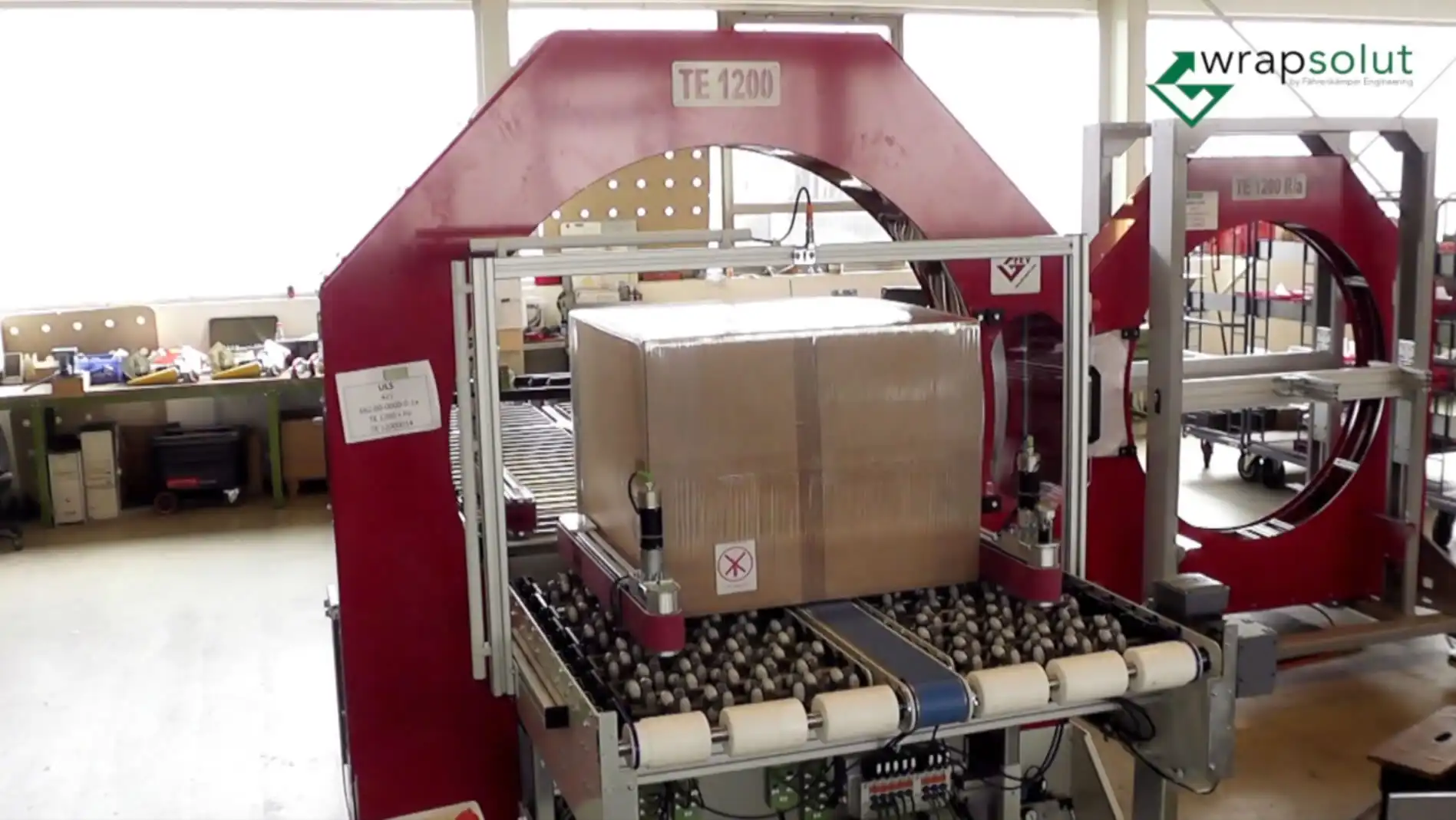
An orbital wrapping machine works in a very smart way. It has a big ring that sits horizontally. Inside this ring, there is a roll of stretch film. When a product, like a stack of timber or a bundle of pipes, moves through the center of the ring, the film roll spins around it. This action tightly wraps the film around the product from all sides. The machine applies the film under tension. This makes sure the wrap is very secure and tight. This is very different from hand wrapping, where the tension is often uneven.
These machines are perfect for a wide range of building materials. Think about long items. This includes steel profiles, aluminum bars, PVC pipes, and wooden beams. They can also wrap bundles of insulation panels or even door frames. The orbital motion means the film covers all surfaces. It creates a complete, protective layer. This layer keeps dust, moisture, and dirt away. It also holds the product together tightly. This prevents parts from shifting or getting damaged during transport.
The speed of these machines is a huge benefit. They can wrap products much faster than any human worker. This means your packaging line moves quicker. It reduces the time products spend waiting to be packed. A faster packing process leads to quicker shipments. This keeps customers happy and improves your factory’s overall output.
Moreover, the consistency of the wrap is key. Every product comes out wrapped the same way. This means better protection for your goods. It also means a more professional look for your packages. This consistent quality adds value. It reduces the chance of damage claims. For me, seeing a perfectly wrapped coil of steel wire or a stack of timber means the job is done right. This consistency is something I always aimed for when I ran my own factory. It builds trust with your clients.
How Do These Machines Boost Safety and Cut Costs in Construction Supply Chains?
Factories face big pressures every day. They need to keep workers safe. They also need to keep costs low. Injuries cost a lot of money, not just in medical bills, but also in lost work time. Wasted money and damaged products eat into profits. Orbital wrappers address both these issues directly. They offer a powerful solution to these common factory problems.
Orbital wrapping machines boost safety by greatly reducing the need for manual handling of heavy and awkward building materials, preventing worker injuries. They cut costs by lowering labor expenses, minimizing product damage during transit, and improving overall packaging efficiency, leading to significant savings and a strong return on investment for building material suppliers.

Let’s talk about safety first. In building material factories, workers often lift and move heavy, long, or oddly shaped items. This work is very hard on the body. It causes many injuries, especially back strains and muscle tears. An orbital wrapping machine takes away much of this risk. Products move into the machine on conveyors. The machine does the wrapping. Workers do not need to lift or turn heavy bundles by hand. This significantly reduces the chance of accidents. Fewer injuries mean a safer workplace. It also means lower insurance premiums for the company. This creates a better environment for everyone. It shows that the company cares about its employees.
Now, let’s look at cost savings. Labor costs are a major expense for any factory. By automating the packaging process, you need fewer workers dedicated to wrapping. These workers can then do other important tasks in the factory. This makes your workforce more efficient. It directly reduces your labor expenses over time. This is a big win for profitability.
Product damage is another area where orbital wrappers save money. As I mentioned, damaged goods lead to returns and customer complaints. When products are securely wrapped by a machine, they are much better protected. They resist bumps and scrapes during handling and transport. This means fewer damaged items. Fewer damaged items mean fewer losses for the company. It means happier customers. This also helps reduce the costs linked to reprocessing or replacing damaged goods.
Finally, consider the return on investment (ROI). While buying an orbital wrapping machine is an upfront cost, the savings add up quickly. Lower labor costs, fewer injuries, less product damage, and faster production all contribute to a positive ROI. For a factory manager like Michael, who needs clear evidence of value, these machines provide it. I always tell my clients to look at the long-term benefits. These machines are an investment that pays off by making your operations safer, faster, and more profitable.
What Have I Learned from My Journey in the Packing Machine Industry?
Many factory managers struggle to pick the right equipment for their needs. This is a big decision. Bad choices lead to wasted money and more problems down the road. You do not want to buy a machine that just sits there or causes more headaches. I can share what I learned from building my own successful factory. My journey taught me much more than just engineering.
My journey from an employee to owning a successful packing machine factory taught me that understanding customer needs, focusing on reliable engineering, and providing strong support are key. It is not just about selling a machine; it is about offering a complete solution that truly helps businesses grow and overcome their unique challenges.

I started my career as a regular employee in a packing machine factory. I saw firsthand the challenges on the factory floor. I learned what worked and what did not. This experience was priceless. It taught me the real-world problems that factories face every day. I saw issues with old, unreliable machines. I saw the stress of production bottlenecks. I also saw how much good equipment could change things.
After years, I decided to build my own packing machine factory. This was a huge step. I knew I did not just want to make machines. I wanted to make solutions. My goal was to help other businesses grow, just like my clients with coil packing and steel wire packing. I focused on making reliable machines. I also focused on understanding what my customers truly needed. It was not just about the machine itself. It was about solving their unique problems.
One big lesson was about partnership. Many suppliers only care about making a sale. Then, their support vanishes. This leaves factories in a tough spot if something goes wrong. I believed in being a real partner. This meant providing strong after-sales service. It meant offering expert advice, even after the machine was installed. This approach helped many of my clients achieve their own success. It helped me achieve financial independence too.
I am very grateful for what the packing machine industry has given me. Now, I want to give back. I want to share my knowledge and insights. This is why FHOPEPACK exists. It is a place where I can help others understand the craft. I want to help factory managers like Michael find the right solutions. I want to help them make smart investments. It is about building trust and offering real value. My goal is to help you succeed, just as I helped my earlier clients grow their businesses by optimizing their coil packing and steel wire packing operations.
Conclusion
Orbital wrapping machines offer a powerful solution for Spain’s building material industry. They boost efficiency, improve safety, and cut costs. This helps factories grow and stay competitive.








