
How Do Different Orbital Wrapping Machine Brands Perform in Argentina’s Furniture and Door Manufacturing Sector?
Have you ever felt the pressure of a bottleneck at your factory’s end-of-line? The feeling that your hard work in production gets slowed down by outdated packing methods? I have seen this many times. In Argentina’s busy furniture and door sector, manual packing leads to wasted time, damaged goods, and even safety risks for your workers. This issue can truly hurt your profits and reputation.
Different orbital wrapping machine brands offer varying performance levels in Argentina’s furniture and door manufacturing sector, with key differences in machine reliability, operational efficiency, after-sales support, and initial investment costs. The best choice often depends on a factory’s specific production volume, the size and shape of its products, and its budget for both equipment and long-term maintenance.

Understanding these differences is not just about buying a machine. It is about making a smart investment. It is about finding a partner who truly understands your factory’s needs. We need to look closely at what each option brings to the table. This will help us find solutions that boost your business.
Why Is Orbital Wrapping Important for Furniture and Door Factories in Argentina?
Are you still using old methods for wrapping your furniture panels, doors, or long wooden beams? Do you see your valuable products get scratched or broken during transport? This slow, manual way costs you money in many ways. It slows down your entire production line. It also puts your workers at risk.
Orbital wrapping is important for furniture and door factories in Argentina because it greatly improves packaging speed, protects products from damage during transit, and increases worker safety by reducing manual handling of awkward or heavy items. This automation helps factories meet high demand, reduce costs from product loss, and maintain customer satisfaction.
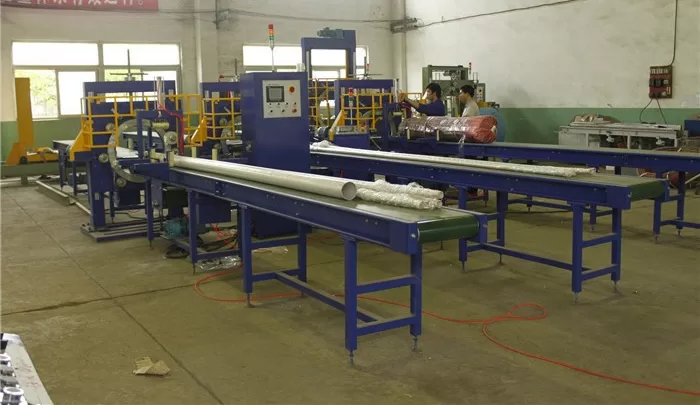
When I first started my factory, I saw how much time and effort went into wrapping large, heavy items. It was a huge challenge. I quickly learned that better packing meant better business. For Argentine factories, orbital wrapping is not just a luxury; it is a necessity for staying competitive. Think about it: a well-wrapped door or furniture piece arrives at the customer in perfect condition. This means fewer complaints and more repeat business. It also protects your brand’s image. Many furniture and door items are large and have delicate surfaces or edges. Traditional methods like shrink wrap tunnels or manual hand wrapping often fall short. They might not offer full coverage. They also can be slow. Orbital wrappers wrap horizontally, creating a secure, all-around protection. This protects against dust, moisture, and impact damage.
The Impact on Production Flow and Safety
- Solving Efficiency Bottlenecks: Many factories in Argentina face a common problem. Their production lines are fast, but the packing area slows everything down. Manual wrapping is slow. It takes many people. An orbital wrapper works much faster. It wraps many pieces in the time it takes one person to do a few. This means your products move out of the factory faster. It helps you meet tight delivery schedules. This is crucial when dealing with seasonal demand or large orders. It improves your factory’s overall output.
- Enhancing Worker Safety: This is a big one for me. I have always prioritized the safety of my team. Manual handling of heavy or bulky items like doors or long panels is dangerous. Workers can suffer back injuries. They can drop items. This leads to accidents and higher insurance costs. An orbital wrapping machine takes away this risk. It handles the wrapping process almost entirely. Your workers only need to load and unload. This significantly reduces their exposure to physical strain. It creates a safer workplace. A safer workplace means happier employees and less staff turnover. It is a win-win for everyone.
- Reducing Product Damage and Returns: Imagine a perfectly crafted door arriving at a customer’s site with a scratch or a dent. This happens more often than you think with poor packaging. Damages lead to unhappy customers. They lead to costly returns. They also harm your brand’s name. Orbital wrapping machines use stretch film. This film creates a tight, protective layer. It holds the product securely. This protects edges and surfaces from impacts during transport and handling. My experience showed me that investing in proper packaging greatly cuts down on these issues. It saves money in the long run. It builds trust with your clients. This is something you cannot put a price on.
What Key Features Should You Look For in an Orbital Wrapping Machine for This Sector?
Are you considering investing in an orbital wrapping machine? Do you feel overwhelmed by all the different models and features? It is easy to get lost in the technical details. But buying the wrong machine can be a costly mistake. It can fail to meet your needs. It can even become another source of frustration.
When choosing an orbital wrapping machine for Argentina’s furniture and door sector, you should look for features such as a wide wrapping ring to accommodate large products, adjustable tension control for different film types, robust construction for heavy-duty use, intuitive controls for ease of operation, and strong safety mechanisms to protect workers. These features ensure the machine can handle varied product sizes, provide secure packaging, and perform reliably in a demanding factory environment.
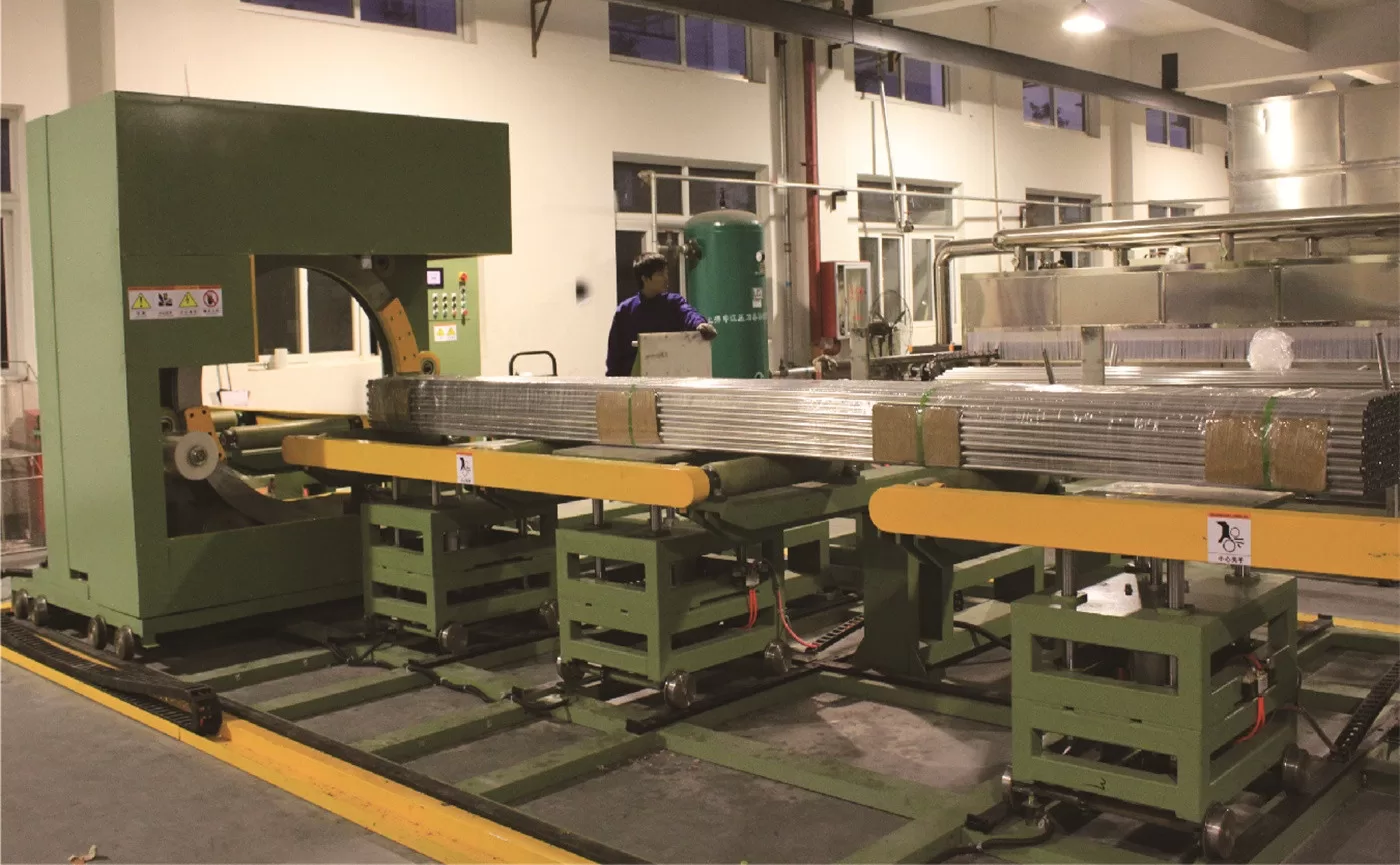
I have helped many clients choose the right equipment for their factories. I always tell them to focus on their specific products and environment. A machine that works well for steel coils might not be the best for delicate furniture. It is about matching the machine to the job. You need a machine that can handle the unique challenges of furniture and door manufacturing. This means thinking about size, weight, and fragility.
Essential Features for Argentine Furniture and Door Manufacturers
- Machine Dimensions and Product Compatibility: This is the first thing to check. Furniture and door products come in many shapes and sizes. You might pack long panels, wide doors, or even assembled pieces.
- Wrapping Ring Diameter: The size of the opening where the product passes through is critical. It must be wide enough for your largest items. A small ring means you cannot wrap bigger doors or panels. Make sure the ring size fits your current and future products.
- Throughput Height/Width: Consider how high and wide your products are. The machine must be able to accommodate them without issues. Some machines have adjustable heights. This offers more flexibility.
- Film Specifications and Tension Control: The type of film and how the machine applies it matters a lot.
- Film Width and Thickness: Can the machine use standard film rolls readily available in Argentina? Using special film can increase costs.
- Pre-stretch Capability: A good pre-stretch system is vital. It stretches the film before it goes onto the product. This makes the film stronger. It also means you use less film for each wrap. This saves you a lot of money on materials over time. I learned this early on. Every bit of savings adds up.
- Adjustable Tension: Different products need different film tensions. A delicate door panel needs less tension than a heavy wooden beam. The machine should let you change the tension easily. This protects your product. It also makes sure the wrap is secure.
- Robustness and Durability: Factory environments are tough. Machines work long hours. They handle heavy products.
- Construction Materials: Look for heavy-duty steel frames. These frames can withstand constant operation. They will last many years.
- Component Quality: Check the quality of motors, bearings, and control systems. High-quality parts mean fewer breakdowns. They mean less downtime. This is very important for a busy factory. Downtime is lost money.
- Ease of Operation and Maintenance: A complex machine can cause problems.
- User-Friendly Interface: Operators should be able to use the machine easily. A simple touchscreen is better than complicated buttons.
- Accessibility for Maintenance: Can you easily reach parts for cleaning or repair? This saves time during maintenance. It keeps the machine running smoothly.
- Safety Features: Worker safety is always a top priority.
- Emergency Stop Buttons: These must be easy to reach. They must be on all sides of the machine.
- Safety Guards and Sensors: These prevent workers from getting too close to moving parts. They stop the machine if an issue arises.
- Warning Lights and Alarms: These alert operators to potential problems. They ensure a safe working environment.








