
What Key Features Should Argentine Engineers Consider When Selecting an Orbital Wrapping Machine?
Factories in Argentina face unique challenges. You might struggle with slow production. You might see high labor costs or frequent product damage. Many of you tell me about these issues. The truth is, old packing methods are holding you back. They make your work harder. They hurt your bottom line. I have seen this problem many times in my career.
Argentine engineers should look for key features in an orbital wrapping machine. These include robust build quality for harsh industrial use, high automation levels to reduce manual labor, adaptable tension control for various product types, and reliable after-sales support to ensure continuous operation. This focus helps solve common production bottlenecks, improve safety, and protect products.
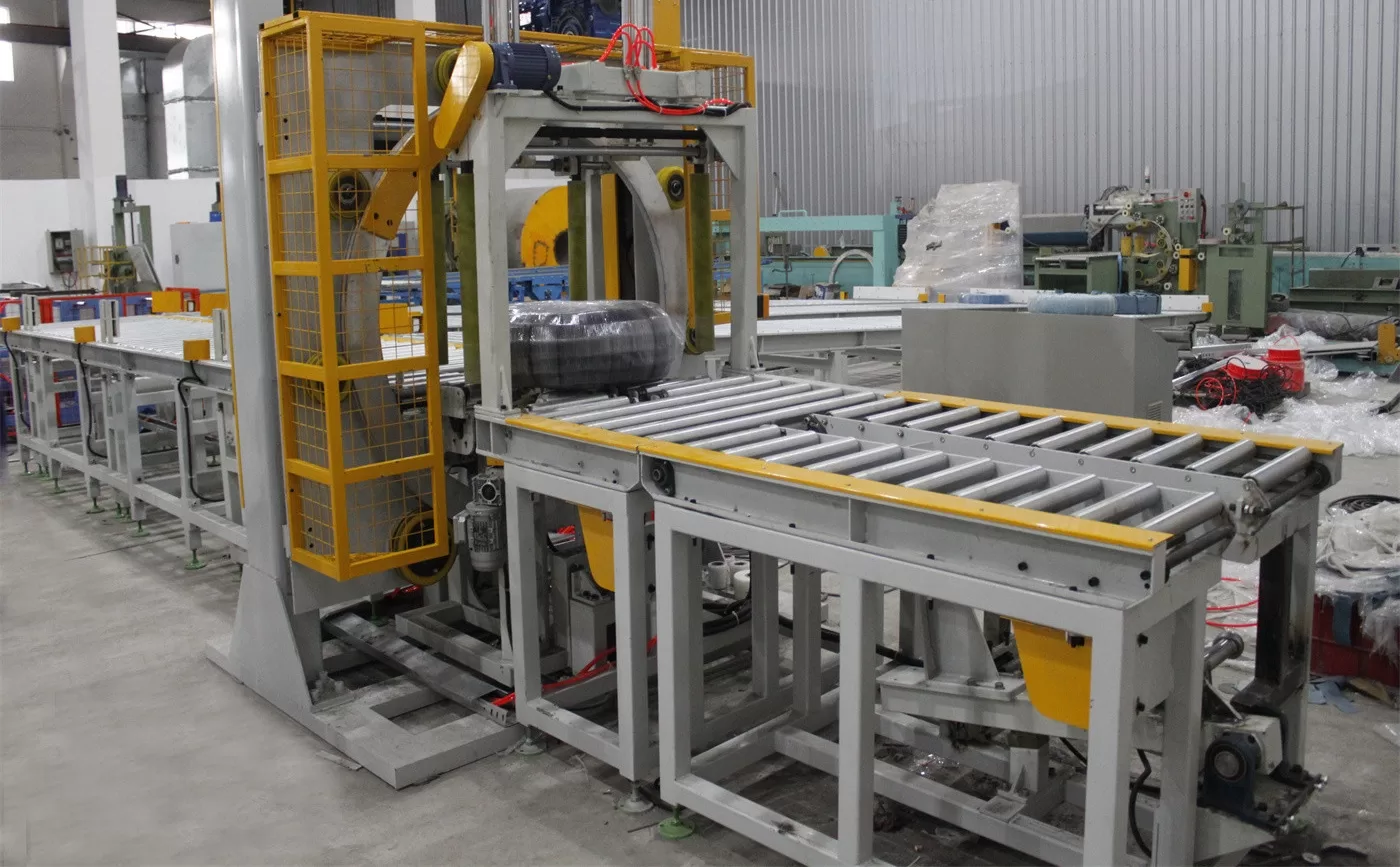
Choosing the right packing machine is a big decision. It changes your whole operation. Do not just buy any machine. You need one that truly solves your problems. Let us dive deeper into what matters most. We will explore features that will make a real difference in your factory.
How Can an Orbital Wrapping Machine Boost Production Efficiency in Argentine Factories?
Are you tired of slow packing lines? Does manual labor create bottlenecks? Many factories in Argentina face these exact issues. They limit your output. They prevent you from meeting demand quickly. This slows down your entire business.
An orbital wrapping machine boosts efficiency by automating the packing process. It works faster than manual methods. It wraps products securely and consistently. This frees up your workers for other tasks. It also removes bottlenecks at the end of the production line.
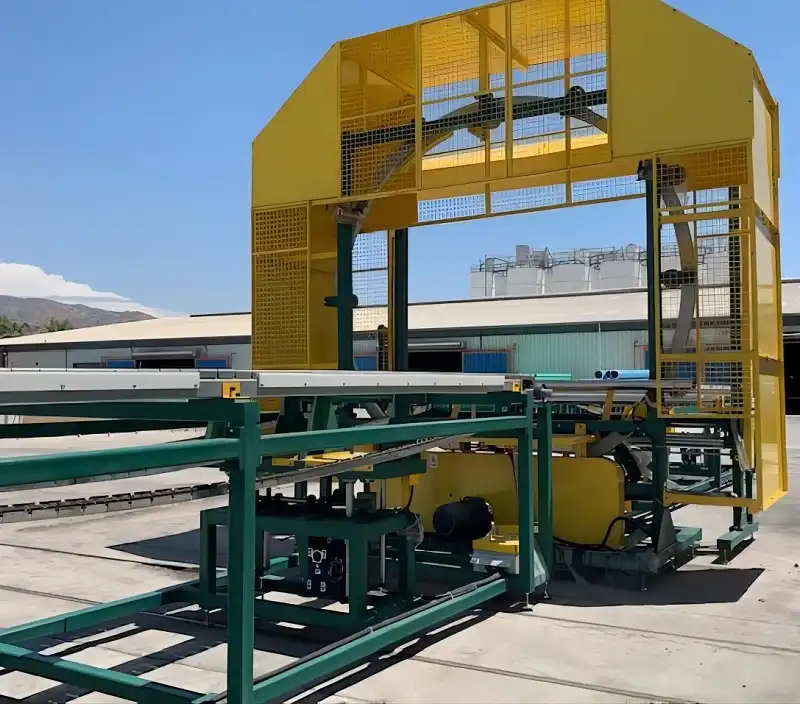
When I first started my factory, efficiency was everything. I saw how much time manual packing wasted. Investing in automation changed that for me. It can do the same for you. An orbital wrapper spins film around your product as it passes through a central ring. This creates a fully enclosed, secure package. This process is much faster than hand wrapping. It also uses less film in many cases. Think about your steel coils or wire bundles. Manually wrapping them takes a long time. It needs several workers. An orbital machine can do the same job in minutes. It often needs just one operator. This means you can pack more products per shift. You can ship them faster. Your customers will be happier. Your lead times will shrink. This directly impacts your company’s ability to grow. We need to consider how well the machine integrates with your existing lines. Does it need a lot of setup? Or can it fit right in? A machine with a simple interface helps. Easy operation means less training time. It also means fewer errors. This is very important for smooth operations. The speed of the wrapping ring is another key factor. A faster ring wraps more products. But it must also maintain wrap quality. You need a balance. You need a machine that can keep up with your production volume. It must not sacrifice the quality of the wrap. We also look at features like automatic film cutting and clamping. These small things add up to big time savings. They reduce the need for manual intervention. This increases the overall automation level. It makes your process more continuous.
Key Factors for Orbital Wrapper Efficiency
We break down efficiency into a few main areas. Each area helps your factory run better.
-
Automation Level:
- Manual vs. Automatic: How much human involvement does it need? Fully automatic machines handle film loading, cutting, and wrapping without constant supervision. Semi-automatic options need an operator to start each cycle.
- Integration: Can the machine connect to existing conveyors or production lines? Seamless integration reduces manual transfer time. It prevents new bottlenecks.
- Control System: Is the control panel easy to use? Intuitive controls reduce operator training time. They also lower the chance of errors. A clear display of settings is very helpful.
-
Wrapping Speed:
- Ring Speed: This measures how many rotations per minute the wrapping ring completes. Higher RPM means faster wrapping.
- Throughput: This is the number of products wrapped per hour. This metric truly shows the machine’s capacity. It should match your production targets.
- Product Flow: Can the machine handle a continuous flow of products? Or does it need pauses between items? Continuous flow systems are more efficient for high volumes.
-
Film Usage Optimization:
- Pre-stretch Carriage: This feature stretches the film before it applies to the product. It reduces film consumption. This saves material costs. It also makes the wrap stronger.
- Tension Control: Precise tension ensures a tight, secure wrap. It prevents film breaks. It also ensures the product is not damaged by too much pressure.
- Film Roll Capacity: Machines that hold larger film rolls need fewer changeovers. This saves time and keeps the machine running longer.
Efficiency is not just about speed. It is also about consistency. It is about saving resources. An orbital wrapper helps you achieve all these goals. It lets you produce more with less effort. This brings real value to your factory.
Does an Orbital Wrapper Really Improve Worker Safety in Metal Processing Plants?
Do your workers handle heavy, awkward products every day? Are they at risk of injury? Many factory managers in Argentina worry about worker safety. Manual handling of large coils or bundles can lead to serious accidents. It causes back injuries. It creates other health problems. This increases your insurance costs. It also lowers morale.
Yes, an orbital wrapper significantly improves worker safety. It minimizes the need for manual lifting and turning of heavy products. Workers can load products onto conveyors. The machine then handles the dangerous wrapping process. This reduces the risk of sprains, strains, and impact injuries.

Safety was always a top concern for me. When I ran my factory, I saw the dangers of manual handling. Accidents can halt production. They cause suffering for employees. They also cost a lot of money. An orbital wrapping machine takes the heavy lifting out of the wrapping process. Workers do not need to walk around large, heavy items. They do not need to bend or stretch awkwardly. The product moves through the machine. The machine does the hard work. This makes the workplace much safer. Think about your steel coil packing area. Without an orbital wrapper, workers might use forklifts. They might use cranes to move coils into position. Then they hand-wrap them. This involves many steps. Each step has a risk. With an orbital wrapper, the coil can move directly from the production line to the wrapper. It then goes to storage or shipping. This reduces contact points. It reduces the chance of accidents. It also makes the job less physically demanding. This helps prevent long-term injuries. It improves employee well-being. This is good for your business. Happy, healthy workers are more productive. They stay with your company longer. This reduces turnover costs. This also means a more experienced workforce. We should also consider other safety features. Things like emergency stop buttons. Safety interlocks on access doors. These are crucial. They protect operators from moving parts. They ensure the machine stops instantly if there is a problem. Also, clear safety guards prevent accidental contact. Proper lighting around the machine helps. It ensures workers can see what they are doing. These features are not just nice to have. They are essential for a safe working environment.
Safety Features and Their Impact
Let us break down how specific features contribute to a safer workplace.
-
Reduced Manual Handling:
- Conveyor Integration: Products move automatically into and out of the wrapper. This eliminates the need for workers to lift or push heavy items. This is a primary cause of back injuries.
- Automated Wrapping: The machine handles the entire wrapping cycle. Workers only need to monitor the process. They no longer need to walk around moving products with film. This prevents trips and falls.
- Ergonomic Design: Some machines are designed with accessible film loading areas. This means operators do not need to reach high or bend low. This reduces strain.
-
Machine Safety Features:
- Emergency Stop Buttons: These buttons are placed in easy-to-reach locations. They immediately shut down the machine in an emergency. This prevents accidents.
- Safety Guards and Light Curtains: Physical barriers protect workers from moving parts. Light curtains detect if a worker enters a danger zone. They stop the machine automatically.
- Warning Lights and Alarms: These alert operators to machine status. They warn of potential hazards. For example, they indicate when the machine is about to start.
- Overload Protection: This system prevents the machine from operating if the load is too heavy or improperly placed. This protects both the machine and workers.
-
Work Environment Improvement:
- Reduced Fatigue: Less strenuous physical labor means workers are less tired. Tired workers are more prone to accidents.
- Consistent Operation: Automated processes are predictable. They reduce the unexpected movements that can cause injuries.
- Training and Procedures: While not a machine feature, good training on machine use is vital. Clear safety procedures reinforce safe practices.
Investing in an orbital wrapper is an investment in your workers’ health. It is an investment in your company’s safety record. It shows you care. This builds trust with your employees. It also protects your business from costly injury claims.
What Features Ensure My Products Are Protected During Packing and Transit?
Have you experienced damaged products during shipping? Do customers complain about scuffed steel coil edges? Product damage is a major problem for many factories. It leads to lost profits. It hurts your brand reputation. You put so much effort into making quality products. You need them to arrive at the customer in perfect condition.
To protect products, an orbital wrapping machine needs specific features. These include adjustable film tension control, overlapping wrap patterns, sturdy film types, and options for edge protection. These features ensure a tight, secure, and durable package. This protects products from moisture, dust, and physical damage during handling and transport.
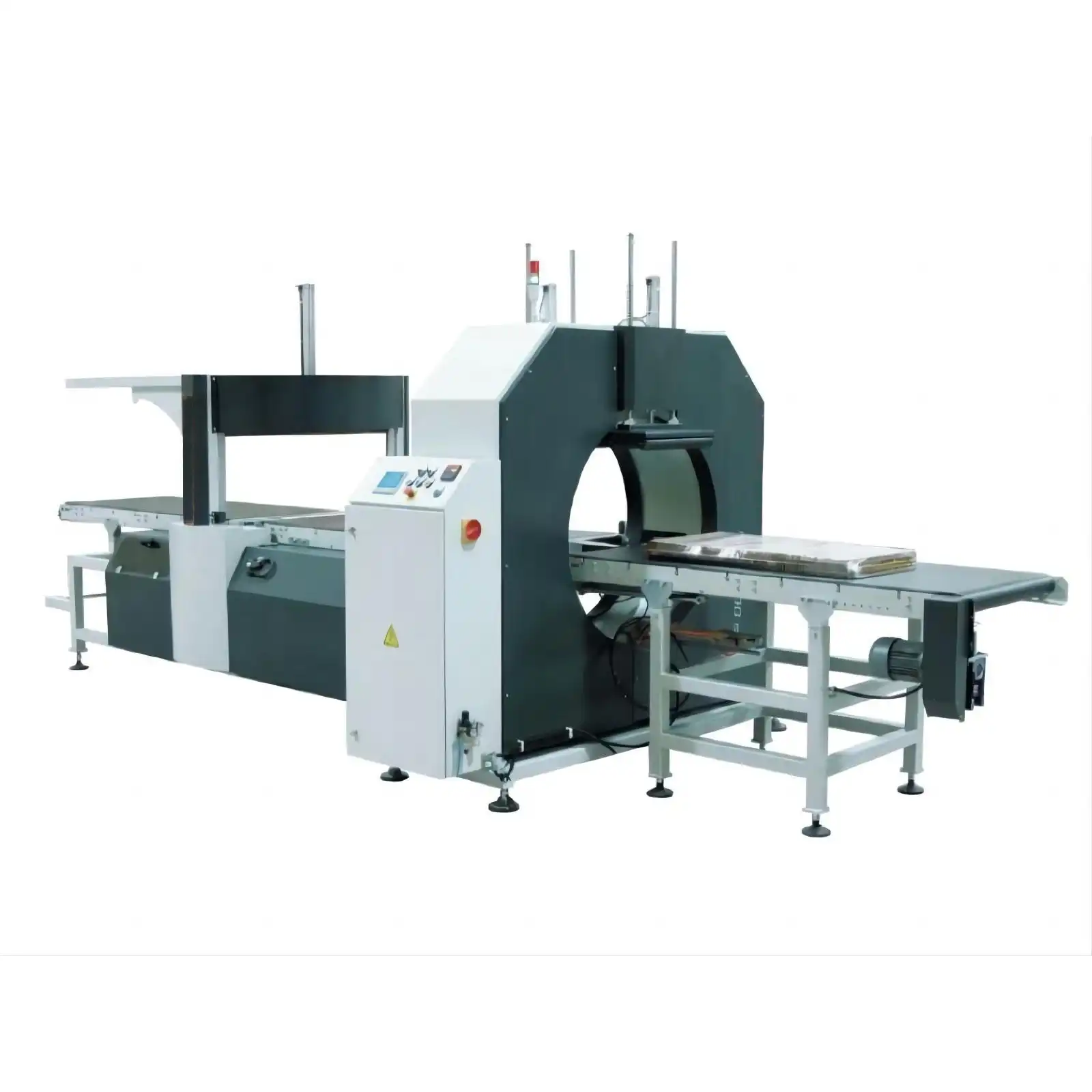
I remember a time when our manually packed coils would sometimes get damaged. Corners would get bent. Surfaces would get scratched. This happened during loading or unloading. It also happened during transit. It was frustrating. We worked hard to make good products. But poor packing ruined them. An orbital wrapper solves this. It applies a continuous layer of stretch film. This film acts like a protective skin. It holds the product together tightly. It shields it from external elements. Consider steel coils. Their edges are vulnerable. A good orbital wrapper can apply multiple layers of film. It can focus extra layers on critical areas. This creates a strong barrier against impacts. It also protects against moisture. Rust is a big concern for metal products. The tight wrap keeps out rain and humidity. This is very important for products shipped over long distances. It is also important for products stored outdoors. The film also keeps dust and dirt away. This ensures your product arrives clean. The type of film the machine uses is important. Some films are more puncture-resistant. Some offer better UV protection. The machine should be able to handle these different film types. This gives you flexibility. You can choose the best film for each product. This ensures maximum protection. We also look at the consistency of the wrap. An uneven wrap can lead to weak spots. These spots can break open. A well-designed machine creates a uniform wrap. This means consistent protection across the whole product.
Essential Features for Product Protection
Let us look at the detailed features that provide superior product protection.
-
Film Tension Control:
- Adjustable Tension: The machine must allow you to adjust the film tension. Different products need different tensions. Too loose, and the wrap is not secure. Too tight, and it could damage the product. It could also break the film.
- Pre-stretch Capability: This feature stretches the film by up to 300% before it is applied. This makes the wrap much stronger. It also makes the film more resistant to punctures. It uses less film overall.
-
Wrap Pattern and Coverage:
- Overlap Control: The machine should let you control how much the film layers overlap. More overlap means better protection. It also adds strength. This is especially important for critical areas like product edges.
- Through-the-Eye Wrapping: For hollow or annular products like coils, the film passes through the center. This creates a complete wrap around the entire product. It gives 360-degree protection.
- Tailored Wrapping Programs: Advanced machines offer custom wrapping programs. You can set specific wrap patterns for different products. This ensures optimal protection for each item.
-
Environmental Protection:
- Moisture Barrier: The tightly stretched film creates a barrier. It protects products from rain, humidity, and condensation. This is vital for metal products to prevent rust.
- Dust and Dirt Shield: The complete enclosure keeps dust and dirt away from the product surface. This ensures clean delivery.
- UV Protection (with specific films): If your products are stored or shipped outdoors, the machine should be compatible with UV-stabilized films. This protects products from sun damage.
-
Damage Prevention:
- Soft Start/Stop: This feature ensures the wrapping process starts and stops smoothly. It prevents sudden jerks that could shift or damage the product.
- Gentle Product Handling: The conveyor system must handle products gently. This prevents scuffs or dents during movement into and out of the wrapper.
- Inner Diameter Protection: For coils, the machine can integrate with core protection inserts. This prevents damage to the inner diameter.
By focusing on these features, you ensure your products leave your factory in perfect condition. They arrive at your customer just as you made them. This builds trust. It improves your reputation. It saves you money from returns and claims.
How Do I Pick a Reliable Orbital Wrapper Supplier for Long-Term Success?
Have you ever bought a machine only to find the supplier disappears after the sale? Bad after-sales service is a nightmare. It leaves you with broken equipment. It costs you production time. It causes major frustration. Many factories in Argentina have told me about these trust issues. They make you hesitant to invest.
To pick a reliable supplier, look beyond the machine’s initial cost. Focus on their reputation for after-sales service, technical support availability, spare parts supply, and their overall industry experience. A trustworthy supplier offers robust warranties and responsive assistance. This ensures your orbital wrapping machine runs smoothly for years.

When I built my packing machine factory, I learned a crucial lesson. The machine is only half the story. The supplier is the other half. A good supplier is a partner. They stand by their product. They help you when things go wrong. A bad supplier can cost you everything. Before you buy, ask about their service history. Do they have a local presence in Argentina or nearby? Can they send technicians quickly? What about spare parts? Do they stock common parts? Or do you have to wait weeks for them to ship from overseas? These questions are very important. Downtime is expensive. Every hour your machine is not running, you lose money. You lose production. You might miss delivery deadlines. A supplier who offers good technical support can fix problems fast. They can guide your team through troubleshooting. They can provide training. This helps your team become self-sufficient. This also reduces your reliance on external help. Look for suppliers who have been in the business for a long time. Experience often means reliability. They understand the challenges of your industry. They have seen problems before. They know how to solve them. Ask for references from other factories in Argentina. Speak to their existing customers. Ask them about their experiences with the supplier’s service. This will give you a real picture of what to expect. A strong warranty is also a sign of confidence from the supplier. It shows they believe in their product’s quality.
Criteria for Evaluating Suppliers
Here are the key aspects to consider when evaluating a potential orbital wrapper supplier.
-
After-Sales Service and Support:
- Responsiveness: How quickly do they respond to service requests? Look for suppliers with a track record of fast support.
- Technical Expertise: Do their technicians have deep knowledge of the machines? Can they diagnose and fix complex issues?
- Service Agreements: Do they offer maintenance contracts or service plans? These can help prevent problems before they occur.
- Remote Support: Can they offer remote diagnostics or guidance via phone or video? This can solve minor issues quickly without a site visit.
-
Spare Parts Availability:
- Local Stock: Does the supplier or their distributor in Argentina keep a stock of common spare parts? This reduces lead times for critical components.
- Part Catalog: Do they provide a clear and organized spare parts catalog? This helps you identify needed parts easily.
- Delivery Speed: What is their typical delivery time for parts not in local stock?
-
Training and Documentation:
- Operator Training: Do they offer comprehensive training for your staff? This ensures your team can operate the machine safely and efficiently.
- Maintenance Training: Do they train your maintenance team on routine checks and basic troubleshooting? This empowers your staff.
- Manuals and Guides: Are the user manuals clear, complete, and available in your language? Good documentation is essential for self-help.
-
Reputation and Experience:
- Industry Longevity: How long has the company been supplying orbital wrappers? Longer history often means more experience and stability.
- Customer References: Can they provide contacts for existing customers in Argentina or Latin America? Talking to others gives you honest feedback.
- Financial Stability: Is the supplier a stable company? You want to be sure they will be around for years to support your investment.
-
Warranty and Guarantees:
- Warranty Period: What is the length of the warranty on parts and labor?
- Coverage: What does the warranty cover? Are there specific exclusions?
- Service Level Agreements (SLAs): Do they offer any guarantees on response times for service calls?
Choosing a supplier is as important as choosing the machine itself. A strong, reliable partnership will make your investment truly pay off. It ensures peace of mind. It keeps your operations running smoothly.
What Are My Personal Insights on Choosing the Right Packing Machine?
I have spent my whole career in the packing machine industry. I started on the factory floor. Then I built my own successful factory. I have seen countless machines come and go. I have worked with many different clients. They all wanted the same thing: a machine that works, lasts, and helps their business grow. My experience tells me a few things really matter. It is not just about the technical specs. It is about the bigger picture.
First, always think about the Total Cost of Ownership. The initial price is just one part. You must consider energy consumption. You must think about film costs. What about maintenance and spare parts? A cheaper machine might use more energy. It might break down more often. It might need expensive parts. In the long run, this costs you more. Invest in quality. It pays for itself over time.
Second, consider your actual production environment. Your factory in Argentina might be hot, dusty, or humid. Not every machine can handle these conditions. Look for machines built with robust materials. They need good seals. They need protection for electronic components. I always designed my machines to be tough. They needed to survive real factory life. Do not buy a machine made for light duty if your work is heavy duty. It will fail you.
Third, think about flexibility. Your product line might change in the future. Can your orbital wrapper adapt? Can it handle different product sizes? Can it use different film types? A versatile machine gives you more options. It protects your investment. It helps you grow into new markets. You do not want to buy a new machine every time your product changes slightly.
Fourth, talk to your operators. They are the ones who use the machine every day. They know what works and what does not. Get their input before you buy. If a machine is hard to use, your workers will not like it. They might make mistakes. A user-friendly machine improves morale. It also increases efficiency. Simple controls and clear instructions are key.
Finally, remember the human element. Even the best machine needs people to run it. Good training is vital. Make sure the supplier provides thorough training. Also, build a skilled maintenance team. They keep your machines running. They prevent small issues from becoming big problems. Investing in your people is just as important as investing in your equipment. I learned that lesson very early on. When you combine the right machine with skilled people, that is where real success happens.
Conclusion
Choosing an orbital wrapper is a strategic decision. Focus on robust design, high automation, product protection, and reliable supplier support. These features ensure long-term efficiency, safety, and profitability for Argentine factories.








