
What Key Features Should Colombian Engineers Consider When Comparing Horizontal Orbital Wrappers?
Are you a Colombian engineer facing daily pressures to boost output and cut costs in your factory? Do you spend nights worrying about production bottlenecks, worker safety, or damaged products? Many factory managers, just like you, deal with these problems. The good news is, new packing solutions can help solve these issues. Finding the right equipment is key to making your factory more efficient and safer.
Colombian engineers should focus on several key features when looking at horizontal orbital wrappers: machine durability and build quality for harsh environments, high automation levels to reduce labor and speed up processes, advanced safety features to protect workers, and precise tension control to prevent product damage. Strong after-sales support and a clear return on investment are also vital for long-term success.
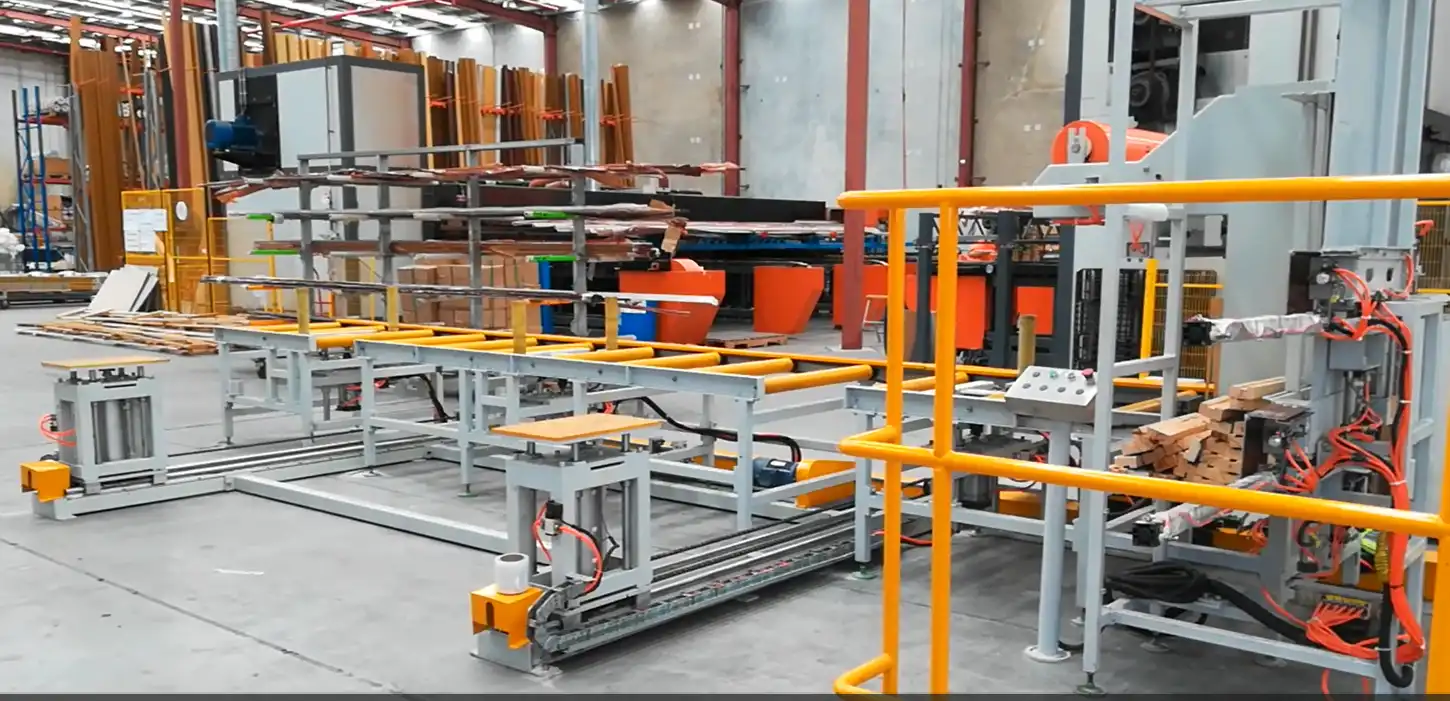
Choosing the right packing machine is a big step for any factory. It is not just about buying a piece of metal. It is about finding a partner who understands your challenges. Let us look closer at the features that matter most for factories in Colombia.
How Can Horizontal Orbital Wrappers Improve Production Efficiency in Colombian Factories?
Is your factory struggling with slow packing times and high labor costs? Many operations, especially those dealing with steel coils or long products, face bottlenecks at the end of the production line. This slows down everything. Manual packing processes are often the main reason for this problem. They are simply not fast enough.
Horizontal orbital wrappers boost production efficiency in Colombian factories by greatly reducing reliance on manual labor, speeding up the wrapping process for various products like coils and pipes, and ensuring consistent, high-quality packaging. This automation frees up workers for other tasks and helps manufacturers meet tight delivery schedules more easily.
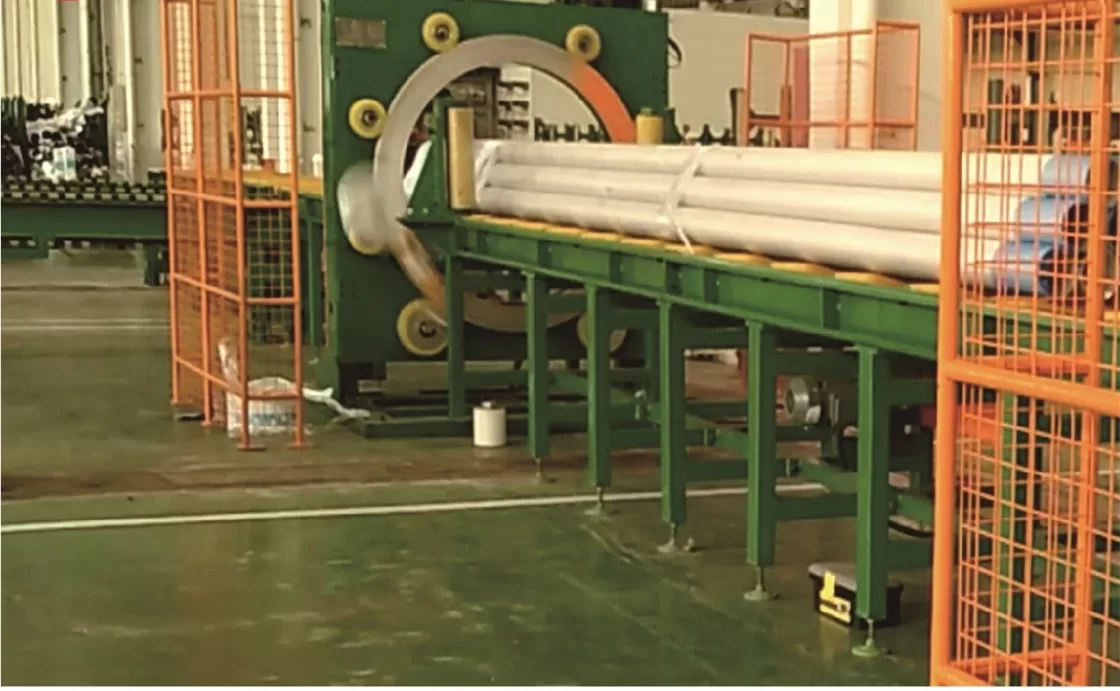
Efficiency is a core goal for any factory manager. In my own journey, from being a packing machine employee to building my factory, I saw firsthand how much manual processes can hold a business back. For heavy items like steel coils or wire bundles, manual wrapping is slow and hard work. It takes many people and a lot of time to get things done. This creates a bottleneck. When the packing line cannot keep up, it affects the whole factory’s output. Horizontal orbital wrappers solve this problem. They wrap products quickly and consistently. This machine works by sending the wrapping material around the product as it moves through a central ring. This design is perfect for long items or items that need wrapping around their perimeter.
Automation Levels and Speed
One of the biggest benefits is how much automation they offer. A fully automated orbital wrapper can handle products coming right off the production line. It senses the product, wraps it, and then prepares it for the next step, all without human help. This means a lot less labor is needed. Less labor means lower costs over time. It also means faster packing speeds. Imagine wrapping a large steel coil in minutes, instead of half an hour with multiple workers. This makes a big difference to your daily output.
Integration with Existing Lines
Colombian engineers should consider how easily a new wrapper can fit into their current production line. A good horizontal orbital wrapper should integrate smoothly. This might involve conveyor systems that feed products into the wrapper and take them away. When the machine works well with your existing setup, it means less downtime during installation and faster benefits. You do not want a new machine that creates new problems for your setup. I always looked for machines that could adapt to what we already had, not the other way around. This saves time and money.
Throughput Capacity
It is important to look at the machine’s throughput capacity. This tells you how many products the machine can wrap in an hour. This number should match your factory’s production needs. If you make 10 coils an hour, your wrapper should be able to handle at least that many, or more. Planning for future growth is also smart. Choosing a machine with higher capacity than your current need gives you room to grow without buying new equipment too soon.
What Safety Benefits Do Modern Orbital Wrappers Offer for Heavy Materials in Colombia?
Is worker safety a constant worry in your factory? Handling heavy steel coils or bundles manually is incredibly risky. One slip or wrong move can lead to serious injuries. This causes pain for your workers, high insurance costs, and staff turnover. No one wants to see their employees get hurt on the job.
Modern horizontal orbital wrappers greatly improve worker safety in Colombian factories by reducing the need for manual handling of heavy and awkward loads, minimizing the risk of strain, crushing, or falling injuries. They include features like automated loading/unloading, safety interlocks, and emergency stop buttons, creating a safer work environment for employees.

When I was running my own factory, worker safety was always a top priority. I saw how dangerous it could be for people to lift and move heavy items. Manual handling of large, heavy, or awkward materials like steel coils, pipes, or aluminum profiles carries high risks. Workers can suffer from back injuries, crushed limbs, or even worse. These injuries not only harm people but also cost the company a lot of money in medical bills, lost work time, and higher insurance rates. Modern horizontal orbital wrappers are designed with safety at their core. They take the human element out of the most dangerous parts of the packing process.
Reduced Manual Handling
The main safety benefit is the huge reduction in manual handling. Products are often fed into the wrapper by conveyors or forklifts. The machine then does the wrapping. This means workers do not need to lift, push, or rotate heavy products by hand. This almost removes the risk of sprains, strains, and crush injuries. For factories in Colombia, where heavy manufacturing is common, this is a major improvement. It protects your most valuable asset: your people.
Safety Features and Interlocks
Modern machines come with many safety features. These include safety fences, light curtains, and emergency stop buttons. Safety fences create a barrier around the machine. This keeps workers away from moving parts during operation. Light curtains detect if someone enters the machine’s work area and stop it immediately. Emergency stop buttons are placed in easy-to-reach spots. Workers can press these buttons to stop the machine at once in an emergency. Interlocks prevent the machine from running if safety guards are not in place. These features are not just nice to have; they are essential for keeping your workplace safe.
Ergonomics and Worker Comfort
Beyond preventing major accidents, automated wrappers also improve worker ergonomics. Less manual work means less physical stress on employees. Over time, this reduces fatigue and the chance of repetitive strain injuries. A healthier workforce is a happier and more productive workforce. This can also help reduce employee turnover, as people prefer to work in places that prioritize their safety and well-being. It is a win-win for everyone involved.
Can Orbital Wrapping Technology Reduce Product Damage and Boost Profitability for Colombian Manufacturers?
Are you losing money because of damaged products during packing or transport? When steel coils or wire bundles get scratched or bent, customers get upset. This leads to complaints, returns, and lower profits. Even small damage can make a product unusable. This problem can seriously hurt your business.
Yes, horizontal orbital wrapping technology significantly reduces product damage for Colombian manufacturers by providing consistent, tight, and protective wrapping that safeguards items like coils and long products from scratches, dust, and moisture during handling and transit. This protection leads to fewer customer complaints, less waste, and ultimately, higher profitability for the factory.
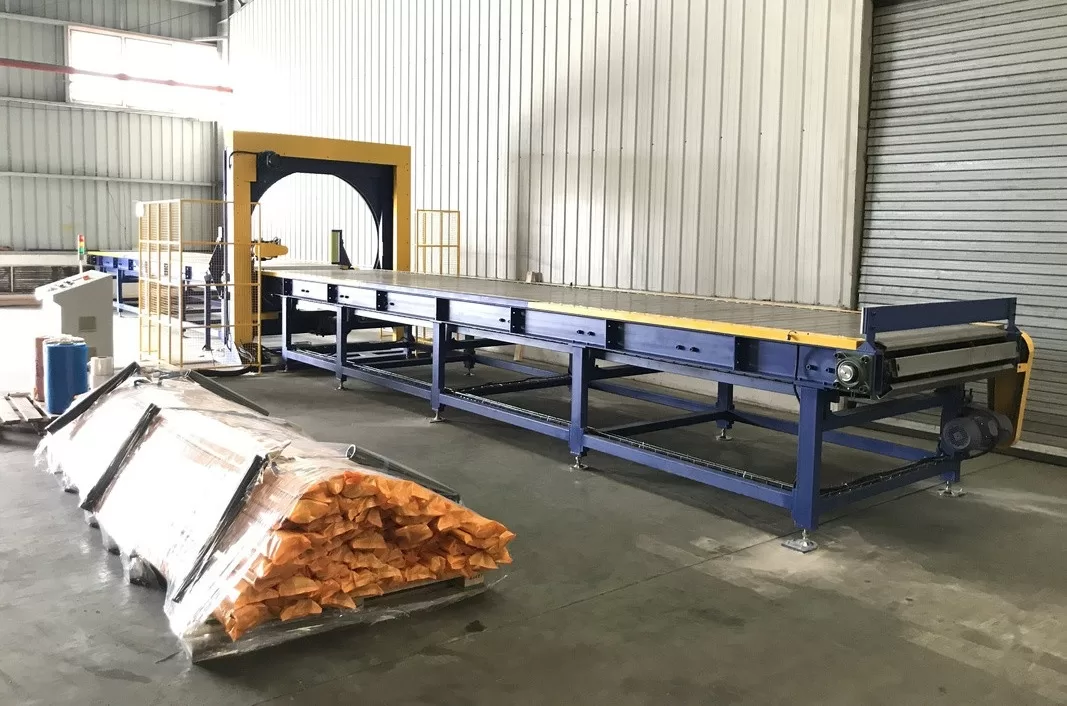
Product damage is a silent killer of profits. I saw this many times in my career. Even if your production process is perfect, damage during packing or shipping can ruin all that hard work. For products like steel coils, even a minor scratch on the edge can make a customer reject the entire shipment. This means you lose money on materials, labor, and shipping. It also damages your company’s reputation. Horizontal orbital wrappers solve this by providing superior protection. They wrap the product tightly and completely, forming a secure barrier against external harm.
Consistent and Uniform Wrapping
Manual wrapping often results in inconsistent coverage. Some areas might be too loose, others too tight. This leaves parts of the product exposed or puts too much stress on certain points. An orbital wrapper applies film with consistent tension and overlap. This means every part of the product gets the same level of protection. This uniform wrap protects against dust, moisture, and impact damage. It keeps the product looking good from your factory floor to the customer’s site.
Protection from Environmental Factors
Many metal products are sensitive to rust and corrosion. A tight, uniform wrap from an orbital machine can protect against moisture and humidity. This is very important for products shipped over long distances or stored in varying climates. The film acts as a barrier, keeping environmental elements away from the product’s surface. This keeps the product in perfect condition, ready for the customer.
Reducing Transit Damage
Products often get damaged during internal transfers within the factory or during shipping. They can bump into things or rub against other items. The strong, secure wrap created by an orbital machine holds the product together. It also provides a protective layer. This reduces the chance of scratches, dents, or deformations that can happen during handling and transport. Less damage means fewer returns, fewer customer complaints, and more satisfied clients. This directly leads to more profit for your business. When I helped my clients, reducing damage was a huge part of their growth. It built trust with their buyers.
Why Is After-Sales Support a Critical Factor for Colombian Engineers Choosing Packing Equipment?
Have you ever bought an expensive machine, only to find the supplier disappears after the sale? This is a common and frustrating experience. Poor after-sales support can leave your factory struggling with broken machines, long downtimes, and missed deadlines. This can turn a good investment into a big problem.
After-sales support is a critical factor for Colombian engineers because reliable suppliers provide timely technical assistance, readily available spare parts, and effective training, ensuring minimal downtime and maximizing the operational life of the horizontal orbital wrapper. This ongoing support builds trust and protects the factory’s long-term investment, preventing costly disruptions.

From my own experience, I know that buying a machine is just the first step. The real test of a supplier comes after the sale. I had to learn this the hard way at times. Michael Chen, the factory manager I know, faced similar issues. He told me about suppliers who cared only about selling machines. Once the deal was done, their support disappeared. This left him in a tough spot when machines broke down. Downtime means lost production, which means lost money. For a factory in Colombia, reliable after-sales support is not a luxury; it is a necessity.
Technical Support and Troubleshooting
When a machine stops working, you need help fast. A good supplier offers quick technical support. They should have engineers who can diagnose problems remotely or come to your factory if needed. They should be able to guide your team through troubleshooting steps. This quick response is vital to get your production line running again. Ask about their response times and their support channels. Do they offer phone support? Online chat? Video calls? The easier it is to get help, the better.
Spare Parts Availability
Machines have moving parts. Moving parts wear out over time. You need to know that replacement parts are easy to get. A good supplier will have a stock of common spare parts. They should be able to ship them quickly. Waiting weeks for a critical part can cost your factory thousands, or even millions, of dollars in lost production. Before buying, ask about their spare parts inventory and delivery times to Colombia. Make sure they have a clear process for ordering parts.
Training and Maintenance Programs
Your team needs to know how to operate and maintain the new wrapper. A reputable supplier will provide good training. This training should cover daily operation, basic troubleshooting, and preventive maintenance. Regular maintenance keeps machines running smoothly and prevents big breakdowns. A supplier who offers ongoing training or maintenance programs shows they care about your long-term success. They are not just selling you a machine; they are helping you keep it running well for years. This builds trust, which is something I always valued with my own clients. It is about a partnership, not just a transaction.
My Insights: What Else Should Colombian Engineers Consider Beyond Basic Features?
We have talked about efficiency, safety, and reliability. But is there more to consider when choosing an orbital wrapper? Absolutely. Many engineers focus only on the main specs. However, the best investment often looks beyond the simple machine features. It involves understanding the whole picture.
Beyond basic features, Colombian engineers should consider a horizontal orbital wrapper’s total cost of ownership, its energy efficiency, and the supplier’s reputation and long-term vision. They should also evaluate the machine’s adaptability for future production changes and the potential for a strong return on investment (ROI) that goes beyond simple cost savings.
My journey from an employee to a factory owner taught me a lot about making smart investments. It is not just about the price tag of a machine. It is about the full cost over its lifetime. It is also about how that machine truly helps your business grow. For Colombian engineers, thinking about these bigger points can make the difference between a good purchase and a great one. Michael, my friend, always looked at the big picture. He wanted to make sure his investments actually paid off.
Total Cost of Ownership (TCO)
The purchase price is just one part of the cost. You need to look at the total cost of ownership. This includes the initial price, shipping, installation, power consumption, maintenance, spare parts, and even the cost of downtime. A cheaper machine might seem good at first. But if it breaks down often, uses a lot of power, or needs expensive parts, it will cost you more in the long run. Always ask for clear figures on these ongoing costs. A high-quality machine might cost more upfront but save you money year after year.
Energy Efficiency
Electricity costs money. A machine that uses less power will save your factory money every day. Modern orbital wrappers are often designed to be energy efficient. They might use motors that consume less energy or have smart controls that reduce power use when the machine is idle. Ask suppliers about the power consumption of their machines. Over years of operation, these small savings add up to big money. For factories in Colombia, where energy costs are a factor, this is a very important point.
Supplier Reputation and Long-Term Vision
I built my factory based on trust and good relationships. Choosing a supplier is like choosing a business partner. You want a company with a good reputation. Look for reviews, testimonials, and talk to their existing customers if you can. Also, consider their long-term vision. Are they investing in new technologies? Do they offer upgrades? A supplier that is committed to innovation and continuous improvement will be a better partner for your factory’s future. They are not just selling a machine today; they are looking to help you grow for years to come. This is the kind of partnership I always tried to offer my own clients. I believe in helping others succeed, just as I was helped.
Return on Investment (ROI)
Finally, always look at the return on investment (ROI). This means how much money you will gain compared to how much you spend. Calculate how much you will save in labor, how much less product will be damaged, and how much more you can produce. These savings and gains should pay back the cost of the machine in a reasonable time. A good horizontal orbital wrapper is not just an expense; it is an investment that should generate significant profits for your factory. It should directly contribute to your bottom line and help your business grow.
Conclusion
Choosing the right horizontal orbital wrapper is key for Colombian engineers. Focus on efficiency, safety, product protection, strong support, and real ROI. This will drive your factory’s success.








