
Horizontal Orbital Wrapper Integration: How Does It Sync with Your Slitter/Upender/Strapper PLCs?
Are your steel coil or wire packing lines slowing down right at the end? Do you feel the squeeze of manual processes, high labor costs, and constant product damage? Many factory managers, like Michael Chen from Mexico, tell me they face this exact bottleneck. They invest in high-speed production upstream, only to have the packing stage pull everything back. This creates a hidden drain on your profits and puts your workers at risk. This inefficiency does not just impact your bottom line. It directly hurts your delivery times and customer satisfaction. It also exposes your team to preventable accidents when handling heavy, awkward items. You need a solution that speeds things up and makes things safer, not just another piece of equipment. What if your packing machine could talk directly to your existing production line? What if it could anticipate needs and work in perfect harmony? This is not just a dream. It is a real possibility with proper PLC integration.
Horizontal orbital wrapper integration with your slitter, upender, and strapper PLCs involves creating a unified control system. This system allows machines to share data, trigger operations automatically, and optimize the entire end-of-line process. It ensures seamless product flow, reduces manual intervention, and significantly boosts efficiency and safety by making all components of your packing line work as one coordinated unit.

Understanding the ‘what’ is one thing, but knowing the ‘how’ and ‘why’ makes all the difference. As someone who built a successful packing machine factory from the ground up, I have seen firsthand the power of well-integrated systems. I want to share my insights on how this integration works and why it is critical for your factory’s future. Let’s dig deeper into the real benefits and the steps to achieve them.
Why is PLC Integration Essential for Your Packing Line?
Do your packing machines feel like isolated islands in your factory? Does a lack of coordination between your slitter, upender, and wrapper cause pauses, manual adjustments, or even errors? This disjointed approach wastes time and money. You might have invested in a top-tier slitter, only to find its output capacity is limited by a slow, uncoordinated packing process. This creates a bottleneck that undoes all the upstream efficiency you worked so hard to achieve. Your production can only move as fast as its slowest, most disconnected part. Integrating your packing line’s PLCs eliminates these disconnects. It creates a smooth, continuous flow. This transforms your end-of-line process from a bottleneck into a high-speed, high-efficiency operation.
PLC integration is essential because it allows different machines in your packing line, like slitters, upenders, and orbital wrappers, to communicate and synchronize their actions. This real-time data exchange ensures that products move seamlessly from one stage to the next without manual intervention, reducing cycle times, minimizing errors, and optimizing overall production flow for superior efficiency.
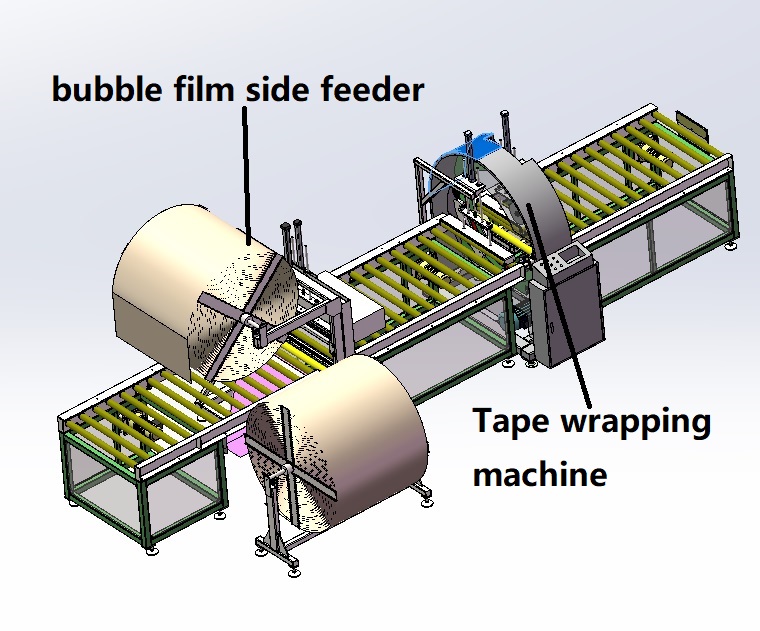
From my early days as an employee in a packing machine factory, I quickly saw that standalone machines, no matter how good, could not unlock a factory’s full potential. It was like having a super-fast race car on a dirt track. The real power comes from the entire system working together. This is where PLC integration truly shines for packing lines handling materials like steel coils and wire.
Think about a typical setup in a metal processing plant, similar to what Michael Chen manages. You have a slitter producing coils. Then an upender flips them. Finally, a horizontal orbital wrapper applies the protective film. If these machines do not talk to each other, you face several issues. The slitter might finish a coil, but the upender is still busy. Or the wrapper might be waiting, leading to idle time. This creates a stop-and-go rhythm, which is inefficient.
-
The Backbone of Automation: Data Exchange
- PLCs, or Programmable Logic Controllers, are the brains of modern industrial machinery. When these brains are connected, they can share vital data. For example, the slitter’s PLC can tell the upender’s PLC when a coil is ready, its dimensions, and its weight. The upender can then inform the wrapper that a coil is arriving.
- This data exchange allows for dynamic adjustments. If a coil is larger, the wrapper can automatically adjust its wrapping parameters. This removes the need for operators to manually input settings for each product change. It reduces human error. It also ensures consistent packaging quality. I have seen factories struggle for years with inconsistent wrapping simply because their machines were not communicating.
- This system also allows for centralized control and monitoring. Imagine Michael Chen in his office. He could see the status of every machine in the packing line from one screen. This is crucial for quick troubleshooting and performance analysis. My own journey, building my factory, taught me that knowing your numbers and processes in real-time is key to growth.
-
Beyond Just Communication: Workflow Synchronization
- Integration means more than just talking. It means working together in perfect sync. The upender completes its flip, and immediately, the wrapper starts its cycle. There are no delays. There are no manual steps to bridge the gap.
- This synchronization leads to a significant increase in throughput. It means more coils or wire bundles can be packed per hour. For high-volume operations, this translates directly into higher production capacity and faster order fulfillment. Michael’s goal of increasing output hinges on this kind of seamless flow.
- A well-integrated system can even handle exceptions automatically. If a sensor detects an issue, the entire line can pause safely. It can send alerts to operators. This prevents damage to the product or the machine itself. It is about building a resilient, intelligent packing line.
This deep level of communication and synchronization is why PLC integration is not just a nice-to-have. It is a fundamental requirement for any modern factory aiming for peak efficiency, safety, and profitability. It is the core of what it means to “master packing machine” operations.
What Specific Challenges Does Poor Integration Cause in Steel/Coil Processing?
Do you constantly battle with production slowdowns, damaged products, and workplace injuries in your packing area? Many of my clients, especially those in heavy industries like steel, tell me these are daily struggles. Poorly connected machinery is often the hidden culprit. These issues do not just reduce efficiency. They directly hit your bottom line through increased labor costs, higher insurance premiums from accidents, and profit loss from rejected goods. The frustration of constant bottlenecks can also lead to staff turnover. Understanding these specific challenges helps you see the true value of a unified, integrated packing line. It is about moving from reacting to problems to preventing them entirely.
Poor integration in steel and coil processing leads to efficiency bottlenecks due to manual transfers, increased safety hazards from heavy lifting, and higher product damage rates from improper handling between machines. It also results in costly downtime, inconsistent packaging quality, and difficulty in troubleshooting issues because machines operate as isolated units, lacking synchronized control and data exchange.
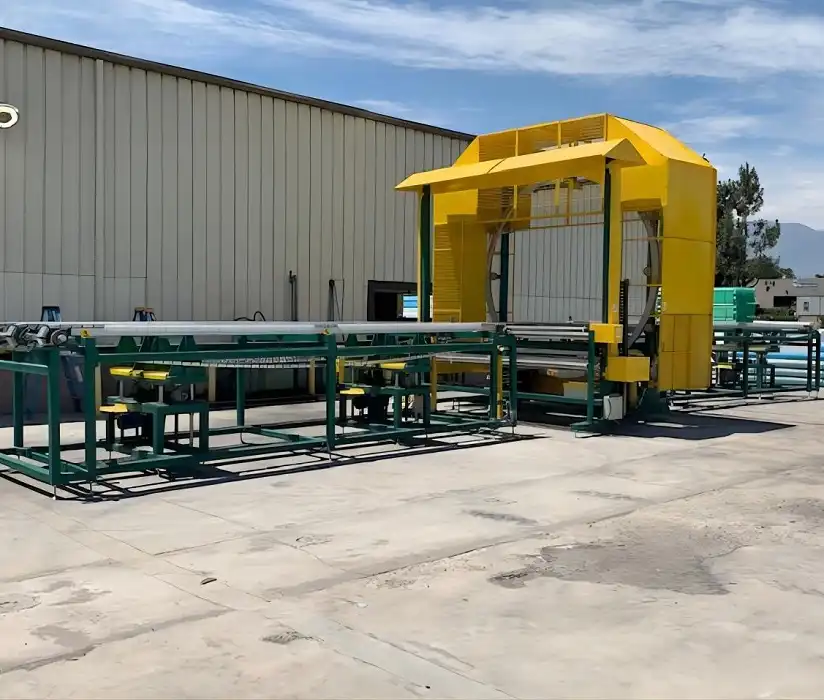
When I first started in the packing machine industry, I saw many factories, even large ones, operate their packing lines like a series of disconnected workshops. A coil would come off the slitter. Then, a forklift or overhead crane would move it to an upender. After that, another manual process would take it to the wrapper. This seemed normal, but it was incredibly inefficient and risky. Michael Chen’s current challenges perfectly reflect this reality.
-
The Efficiency Bottleneck: Manual Hand-offs
- The biggest visible challenge is the bottleneck. Manual handling between machines breaks the flow. Each time a worker moves a heavy steel coil or wire bundle from one station to the next, it introduces a delay. This adds minutes, sometimes tens of minutes, to each product’s processing time. Over a shift, this adds up to hours of lost production.
- For Michael, whose factory struggles with slow, inefficient processes impacting overall production and delivery, this is a critical pain point. An integrated system removes these manual steps. The machine automatically transfers the product. This ensures continuous motion. It maximizes the output of the entire line. It means the slitter does not sit idle waiting for the upender, and the wrapper does not wait for a forklift.
-
Safety Hazards: A Constant Threat
- Manual handling of heavy objects like steel coils is inherently dangerous. Workers are at high risk of strains, sprains, crushes, and other severe injuries. I have heard too many stories of accidents that could have been avoided. Michael specifically highlighted the “extremely high risk of industrial accidents” from manual handling. These injuries lead to high insurance costs, worker’s compensation claims, and valuable employee turnover.
- An integrated packing line removes most of this manual interaction. Automated conveyors, upenders, and orbital wrappers handle the heavy lifting. Workers supervise. They do not lift. This dramatically improves safety for your team. It protects your most valuable asset: your people. It also lowers your operational costs related to safety incidents. This makes your factory a safer place to work.
-
Product Damage: A Costly Problem
- Every manual transfer, every jolt, every mishandling increases the risk of product damage. For steel coils, edges can get bent. Surfaces can get scratched. For wire, bundles can unravel. Michael mentions “product damage (such as steel coil edges) during internal transfer and packaging.” This damage leads to customer complaints, returns, and lost profits. It hurts your reputation.
- When machines are integrated, the product moves smoothly. It moves carefully. It is done with precision. The risk of damage is significantly reduced. This means more perfect products leaving your factory. It means happier customers. It means a stronger bottom line. My experience has shown that preventing damage is always cheaper than dealing with returns or rework.
Addressing these challenges through robust PLC integration is not just about upgrading equipment. It is about upgrading your entire operation. It is about creating a safer, more efficient, and more profitable environment for everyone involved.
How Does a Well-Integrated System Improve Safety and Reduce Costs?
Are you struggling to justify new equipment investments, especially when safety and cost savings feel hard to quantify? Do you wonder if automation truly delivers tangible benefits beyond just “faster”? Many factory managers only see the upfront cost of new machinery. They miss the hidden costs of their current manual, disjointed processes: the ongoing medical bills, the high insurance premiums, the constant product reworks, and the wasted labor hours. These silent drains eat into your profits day after day. A well-integrated packing system does not just promise better performance. It delivers clear, measurable improvements in worker safety and significant reductions in your operational costs, providing a robust return on your investment (ROI).
A well-integrated horizontal orbital wrapper system improves safety by eliminating dangerous manual handling of heavy coils and wire bundles, drastically reducing workplace injuries and associated insurance costs. It reduces operational costs by cutting labor expenses, minimizing product damage through automated precision, and decreasing energy consumption via optimized machine synchronization, directly boosting overall factory profitability.

My journey in the packing machine industry, from an employee to a factory owner, taught me a fundamental truth: every investment must deliver a return. It must solve a real problem. For Michael Chen, the need for increased safety and reduced costs is not theoretical. It is urgent. A seamlessly integrated packing line directly addresses both.
-
Tangible Safety Improvements: Beyond Just Reducing Accidents
- When I started my factory, safety was my top priority. I knew that happy, healthy workers are productive workers. Manual tasks like flipping a heavy coil or manually positioning it for wrapping are major injury risks. Michael’s factory deals with these heavy items daily.
- An integrated system, with components like automated upenders and in-line conveyors, removes human interaction with the product during transfer. Workers no longer lift, push, or pull heavy items. This nearly eliminates the risk of musculoskeletal injuries, crushes, and strains. It also frees them to supervise the process or perform other, less hazardous tasks.
- The benefits extend beyond just avoiding direct injuries. A safer workplace leads to higher employee morale. Workers feel valued. They are less likely to seek employment elsewhere. This reduces your training costs for new hires. It maintains a stable, experienced workforce. This is a critical factor in long-term factory success. A well-designed system includes safety interlocks. If one machine detects an issue, the whole line stops. This prevents cascade failures and protects both operators and equipment.
-
Significant Cost Reductions: Boosting Your Bottom Line
- When Michael talks about “cost reduction and efficiency improvement,” he is looking for an ROI. An integrated system delivers this in several key areas.
- Reduced Labor Costs: This is often the most immediate and impactful saving. By automating transfers and synchronizing machine operations, you need fewer operators for the packing line. Instead of three or four people manually handling, you might need one or two supervisors. Over time, these savings accumulate into substantial figures.
- Minimized Product Loss: As I discussed, manual handling increases damage risk. With automated, precise transfers, product damage drops significantly. Less damaged product means fewer customer complaints. It means fewer reworks. It means more of your finished goods are salable. This directly impacts your revenue.
- Optimized Energy Consumption: Integrated PLCs can manage power usage more efficiently. Machines do not run unnecessarily. They only engage when a product is ready. This can lead to measurable savings on your electricity bill.
- Lower Insurance Premiums: Fewer workplace injuries often lead to lower worker’s compensation claims and potentially reduced insurance premiums over time. Your factory becomes a lower risk for insurers.
- Increased Throughput: While not a direct cost reduction, higher throughput means you can produce more with the same resources. This lowers your per-unit production cost. It boosts your overall profitability.
My own experience building FHOPEPACK taught me that these investments in automation pay for themselves. They pay for themselves through reduced accidents, lower operating expenses, and higher quality output. It is about working smarter, not just harder. This approach truly helps clients like Michael grow their businesses.
What Steps Should You Take for Seamless PLC Integration?
You recognize the value of PLC integration. But perhaps the idea of connecting complex machinery feels overwhelming. Where do you even begin? How do you avoid costly mistakes? Many factory managers delay crucial upgrades because the process seems too complicated or risky. They fear disruption or choosing the wrong vendor. This hesitation keeps them trapped in old, inefficient, and unsafe methods. They continue to lose money day by day. Seamless PLC integration is not about magic. It is about a structured approach and partnering with experts who understand both packing machines and control systems. I have guided many clients through this process, and I can assure you it is achievable.
For seamless PLC integration of a horizontal orbital wrapper with your slitter, upender, and strapper, you should first conduct a thorough system audit, define clear communication protocols (like OPC UA or Modbus TCP), select compatible hardware and software, engage experienced integrators or suppliers, and perform rigorous testing to ensure reliable data exchange and synchronized operation across all machines.

When Michael Chen mentioned his past “supplier trust crisis,” it resonated with me. I know how important it is to find a partner who truly understands your operations, not just sells you a box. Achieving seamless PLC integration requires more than just buying new machines. It requires careful planning and execution. Based on my years in the industry and helping factories like Michael’s, here are the key steps I recommend.
-
Step 1: Conduct a Comprehensive System Audit
- Before you do anything else, understand your existing setup. What PLCs are currently in your slitter, upender, and strapper? What communication protocols do they use? Are they old or new? What are their limitations?
- This audit is like a health check for your current system. You need to know exactly what you are working with. This information helps your potential supplier understand the scope of the integration. It avoids surprises later. I always tell my clients, “Know your starting point before you plan your journey.”
-
Step 2: Define Clear Communication Protocols and Data Points
- This is the technical heart of integration. You need to decide how your machines will talk. Common industrial protocols include Ethernet/IP, Modbus TCP, PROFINET, and OPC UA. OPC UA is often preferred for its robustness and security in modern systems.
- You also need to define what data each machine will share. For example, the slitter’s PLC might send “coil ready,” “coil diameter,” and “coil weight.” The wrapper’s PLC might send “wrapping complete” and “error status.” This clear definition prevents misunderstandings and ensures all necessary information is exchanged for automated operation.
-
Example Data Exchange Table:
From Machine To Machine Data Point (Example) Purpose Slitter PLC Upender PLC Coil Ready Signal Initiate Upender Cycle Upender PLC Wrapper PLC Coil Presence, Weight Trigger Wrapper, Adjust Parameters Wrapper PLC Strapper PLC Wrap Complete Signal Initiate Strapping Cycle All PLCs Central HMI Machine Status, Alarms Real-time Monitoring, Troubleshooting
-
Step 3: Select Compatible Hardware and Software
- Once you know your needs, choose new equipment that supports these integration goals. The horizontal orbital wrapper you select must have the right PLC and communication capabilities to interact with your existing machinery.
- Ensure the control software can be programmed to manage the entire integrated sequence. Sometimes, this means upgrading existing PLC hardware or adding communication modules. This is where an experienced supplier like FHOPEPACK can guide you. We have seen what works and what does not work in diverse factory settings.
-
Step 4: Engage Experienced Integrators or Suppliers
- This is perhaps the most critical step. Do not try to do this alone unless you have a highly specialized in-house team. Work with suppliers who have a proven track record in PLC integration for packing lines. They should understand not just their machines, but also how they fit into a larger production system.
- Ask for case studies. Ask for references. A good partner will ask about your specific production bottlenecks, safety concerns, and ROI goals, much like Michael’s needs. They will design a solution, not just sell a product. My personal experience building my factory taught me the immense value of reliable partnerships.
-
Step 5: Rigorous Testing and Commissioning
- Once installed, the integrated system must be thoroughly tested. This includes individual machine testing. It also includes full-line integration testing under various scenarios. Test with different product sizes. Test for error conditions.
- Proper commissioning ensures that the system runs reliably and safely before you put it into full production. This also includes training your operators and maintenance staff. They need to understand the new system and how to manage it.
By following these steps, you can transition from a fragmented packing process to a fully synchronized, efficient, and safe operation. It is an investment that truly pays dividends.
My Insights!
You have heard a lot about technical solutions. But maybe you are still thinking about the human element. How does a passion for problem-solving truly drive these complex integrations? Many companies focus only on sales, leaving you with solutions that feel impersonal or incomplete. You need someone who understands your real-world factory pressures, not just the technical specs. My journey, from an employee to building FHOPEPACK, was driven by a deep understanding of packing challenges and a commitment to genuine solutions. This personal insight shapes every integration we design.
My insight, honed by years in the packing machine industry and building my own successful factory, is that successful PLC integration is not just about connecting wires; it is about understanding the entire production ecosystem and the human impact. It focuses on solving real-world factory bottlenecks, enhancing worker safety, and ensuring a clear return on investment by optimizing the flow and communication between machines.
When I look back at my path, from working on the factory floor to establishing FHOPEPACK, it was never just about building machines. It was about solving problems. I saw firsthand the struggles of factory managers like Michael. I saw the dangers workers faced. I saw the money lost to inefficiency. These experiences shaped my approach to everything, especially to complex tasks like PLC integration.
For me, “MASTER PACKING MACHINE” is not just a slogan. It is a philosophy. It means understanding the entire process. It means anticipating challenges. It means providing solutions that truly work. I remember one client, similar to Michael, who was frustrated with constant product damage during internal transfers of large steel coils. Their slitter was fast. Their wrapper was good. But the middle part, the manual transfer and upending, was a nightmare. They lost thousands of dollars each month from damaged edges.
-
Seeing the Big Picture, Not Just the Machine
- Many suppliers just want to sell you their wrapper. They do not ask about your slitter. They do not ask about your upender. They do not ask about your overall workflow. This is a critical mistake.
- My approach, and what FHOPEPACK stands for, is different. I want to understand your entire line. I want to understand your current pain points. I want to know your goals. Is it higher throughput? Better safety? Less waste? For Michael, it is all three.
- This holistic view is essential for successful integration. You cannot optimize one part in isolation. The entire system must be considered. My journey through coil packing and steel wire packing taught me this lesson repeatedly. Each piece affects the whole.
-
The Human Element in Automation
- While automation reduces manual labor, it does not remove people entirely. It changes their roles. Instead of hazardous manual tasks, workers become supervisors. They become problem-solvers. They become skilled operators of advanced machinery.
- A good integration project always considers the human element. How will the new system impact your workers? How will they be trained? How will safety improve for them? For me, achieving financial independence through this industry was not just about money. It was about seeing people thrive. It was about helping clients achieve their dreams.
- My goal, and FHOPEPACK’s mission, is to empower factory managers and workers. It is to give them tools that make their jobs easier, safer, and more productive. When Michael Chen seeks a “true partner,” he is looking for someone who understands this. He is looking for someone who can help him improve the lives of his employees and the profitability of his business.
-
Beyond the Sale: Long-Term Partnership
- Michael’s experience with “sales-focused, poor after-sales service” suppliers is common. This is why I built FHOPEPACK on a foundation of long-term partnership. Integration is not a one-time thing. It requires ongoing support, maintenance, and sometimes, further optimization.
- My commitment is to share knowledge. It is to provide expertise. It is to ensure your investment truly pays off. This is why I am dedicated to sharing my insights. I want to help others succeed in this field, just as the packing industry helped me. This is my way of giving back.
Ultimately, seamless PLC integration of your horizontal orbital wrapper with your existing line components is a major step towards a truly modern, efficient, and safe factory. It is a step I have personally helped many achieve, driven by a passion for solving real industry problems.
Conclusion
Integrated packing systems transform operations, boosting safety and efficiency. This expert approach reduces costs and enhances throughput for enduring factory success.








