
How Do Horizontal Orbital Wrappers Support Automation in Aluminum Profile Packaging Lines?
Do you find your aluminum profile packaging line struggling with slow speeds and constant manual labor? Many factory managers, especially those overseeing large operations like metal processing plants, face the daily pressure of boosting output while keeping costs down. Manual handling of heavy aluminum profiles or bundles is not just slow; it also carries huge risks for worker safety and product damage.
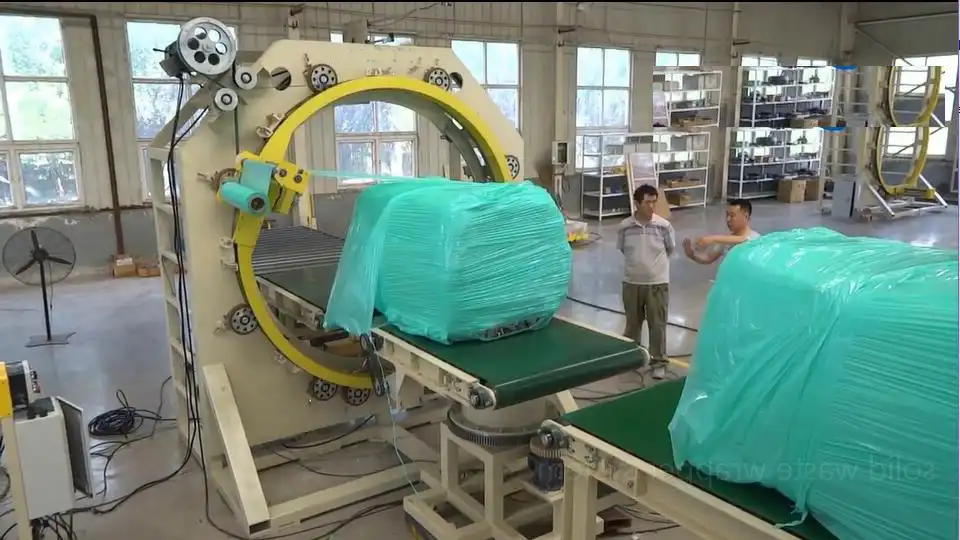
Horizontal orbital wrappers are a game-changer for automating aluminum profile packaging lines. These machines wrap products horizontally, creating a secure, protective layer around long, bulky items like aluminum profiles. They significantly reduce the need for manual handling, speed up the packaging process, and improve product protection. This automation directly tackles production bottlenecks, boosts worker safety, and cuts down on material waste.

It is tough to manage a factory. You are always looking for reliable and efficient equipment that can handle tough, high-intensity work environments. Understanding how modern technology like horizontal orbital wrappers can transform your operations is key. Let us dive deeper into how these machines can help you achieve your production goals.
How Do Orbital Wrappers Improve Safety and Reduce Damage in Aluminum Profile Handling?
Are you worried about the high rate of workplace injuries and the resulting insurance costs in your factory? Manual handling of heavy items like aluminum profiles is a major cause of accidents. Workers might strain themselves, or even drop heavy loads. This leads to costly injuries and lost workdays.
Horizontal orbital wrappers dramatically improve safety by minimizing the need for workers to physically handle heavy aluminum profiles during packaging. The machine does the heavy lifting and wrapping. This reduces the risk of strains, falls, and other injuries common with manual processes. It also protects products from damage during internal transfer and packaging, leading to fewer customer complaints.

When I started FHOPEPACK, my goal was to share knowledge that truly helps businesses grow. From my own experience running a packing machine factory, I learned that worker safety is not just an ethical issue; it has a direct impact on the bottom line. Injuries lead to high insurance costs, low employee morale, and high turnover rates. Product damage also means lost profits and unhappy customers. Horizontal orbital wrappers offer a clear solution to these problems. They move the product through a spinning ring that applies stretch film evenly. This means human hands do not have to touch the heavy, awkward profiles as much.
Protecting Your Workforce and Your Product
The main benefit of these machines is how they protect your team. When workers do not have to lift or move heavy aluminum bundles by hand, the risk of back injuries, crushed fingers, or other accidents goes way down. This also leads to a happier, healthier workforce. When your team feels safe, they work better and stay with you longer. This cuts down on the costs of hiring and training new people.
Reducing Product Damage
Damage to products like aluminum profiles can happen easily during manual handling. Edges can get bent. Surfaces can get scratched. This leads to customer complaints and financial losses. Orbital wrappers apply a tight, consistent wrap around the entire product. This creates a protective barrier. It prevents scuffs, dents, and other damage during storage, transport, and handling. This is especially important for delicate finishes or precision-engineered profiles. The consistent wrap also helps keep bundles together. This stops individual pieces from shifting and getting damaged. This means fewer returns and more satisfied customers.
How Safety and Product Protection Intersect
Safety and product protection are linked. A safer process often leads to better product quality. For example, when there are fewer manual interventions, there are fewer chances for human error to cause damage.
| Aspect | Manual Process | Horizontal Orbital Wrapper |
|---|---|---|
| Worker Safety | High risk of strain, falls, crushed limbs | Significantly reduced manual handling; lower injury risk |
| Product Damage | Frequent scuffs, dents, bent edges | Consistent, protective wrap; minimal damage |
| Insurance Costs | Higher due to frequent claims and incidents | Lower due to fewer accidents |
| Employee Morale | Can be low due to perceived risks | Higher due to safer working conditions |
| Customer Returns | Higher due to damaged goods | Lower due to well-protected products |
By investing in automated wrapping solutions, factories can make their operations safer and protect their valuable products. This leads to better profit and stronger customer trust.
What ROI Can Factories Expect from Investing in Horizontal Orbital Wrappers?
Is the thought of a large upfront investment in new machinery making you hesitate? Many factory managers are under pressure to show clear returns on investment (ROI) for any new equipment. You need to know if the benefits outweigh the costs.
Factories investing in horizontal orbital wrappers can expect a strong return on investment through significant reductions in labor costs, decreased product damage, and improved overall operational efficiency. The initial cost is quickly offset by savings in wages, lower material waste, and increased throughput. This helps boost the factory’s total profitability.
When I was building my own packing machine factory, every investment had to make sense financially. I learned to look beyond the purchase price. I focused on the long-term gains. Many clients I worked with achieved financial independence. This happened because they understood the true ROI of smart equipment choices. Horizontal orbital wrappers are a prime example of this. They are not just an expense. They are a strategic investment that pays for itself over time. The ROI comes from several key areas.
Labor Cost Reduction
Manual packaging of aluminum profiles requires a lot of workers. These workers need wages, benefits, and sometimes overtime. They can only work so fast. An orbital wrapper can do the work of several people. It does this much faster and with fewer breaks. This means you can reassign workers to other parts of your factory where they are more needed. Or you can reduce your labor force over time through attrition. The savings from fewer wages alone can quickly pay for the machine. This is a big win for your budget.
Reduced Product Loss and Waste
As I mentioned, product damage is a big issue. Manual handling often leads to scratches, bends, or other harm to the aluminum profiles. This means you have to scrap products or sell them at a lower price. An orbital wrapper applies a consistent, secure wrap. This protects the product from damage during handling and transport. Less damage means less waste and fewer customer complaints. Each damaged product you avoid selling at a loss, or replacing, directly adds to your profit. Also, orbital wrappers use stretch film efficiently. They reduce film waste compared to inconsistent manual wrapping.
Increased Throughput and Efficiency
Time is money in a factory. Manual packaging is slow. It creates bottlenecks at the end of your production line. This slows down your whole operation. Horizontal orbital wrappers work much faster. They can wrap many profiles in a short time. This speeds up your packaging process. It means products get out the door faster. This increases your overall production capacity. You can take on more orders. You can deliver faster to customers. This improved efficiency directly affects your bottom line. It makes your factory more competitive.
| ROI Factor | Impact on Profitability |
|---|---|
| Reduced Labor Costs | Direct savings from fewer workers or reallocated labor |
| Decreased Product Damage | Higher yield of usable product; fewer customer returns |
| Lower Material Waste | Efficient film usage; less scrapped product |
| Increased Throughput | Higher production capacity; faster order fulfillment |
| Improved Worker Safety | Reduced insurance costs; less downtime from injuries |
When you add up these savings and gains, the return on investment for an orbital wrapper becomes very clear. It is a smart move for any factory looking to cut costs and boost profits.
How Can Horizontal Orbital Wrappers Address Production Bottlenecks?
Are you constantly battling slow points at the end of your production line? Do your finished aluminum profiles pile up, waiting to be packaged, while the rest of the factory pushes forward? Manual packaging is often the slowest link. This creates a bottleneck that limits your entire output.
Horizontal orbital wrappers are designed to eliminate end-of-line production bottlenecks by automating the packaging process for long, bulky items. Their high speed and consistent operation ensure a steady flow of packaged products. This prevents backlogs and allows the entire production line to operate at its maximum potential, significantly improving overall factory throughput.

In my journey, from an employee on the factory floor to owning my own successful packing machine factory, I saw many production lines. The end of the line was often the problem area. It did not matter how fast the machines before it worked if the packaging could not keep up. This is a common pain point for factory managers, like Michael Chen, who need to oversee the entire operation from raw materials to shipment. A bottleneck at the packaging stage means that all the efficiency gained upstream is lost. Horizontal orbital wrappers offer a powerful solution.
Speed and Consistency
Manual packaging processes are slow and inconsistent. The speed depends on the worker. It also depends on how tired they are or how complex the product is. An automated orbital wrapper works at a constant, high speed. It does not get tired. It does not slow down. This consistent performance means products move through the packaging stage without delay. This steady flow is crucial for maintaining the rhythm of your entire production line. It prevents products from piling up and waiting.
Integration with Existing Lines
Modern orbital wrappers can be easily integrated into existing production lines. They can be equipped with conveyors and automated loading/unloading systems. This means they can receive products directly from a production stage. They can then send them on to the next step, like storage or shipping. This seamless integration further reduces manual handling and wait times. It turns the packaging step from a bottleneck into a smooth, flowing part of the process.
Reducing Downtime
Downtime for maintenance or repairs can also create bottlenecks. Horizontal orbital wrappers are built for heavy-duty industrial use. They are durable. They have fewer moving parts than complex manual systems. This means they are reliable and need less frequent maintenance. When maintenance is needed, their design often allows for quick access and repair. This reduces the time the line is stopped. A reliable machine helps keep your production flowing without unexpected halts.
Scalability
As your business grows, you might need to increase your production. A manual packaging team would need more people, more space, and more training. An orbital wrapper can handle increased volume with little to no additional labor. You can often run the machine for longer shifts or add more machines if demand truly skyrockets. This scalability means your packaging can grow with your business, rather than holding it back. It ensures your packaging capabilities match your production capabilities. This is vital for long-term growth and meeting customer demand.
Why is Partnering with an Experienced Supplier Key to Successful Automation?
Have you ever worked with equipment suppliers who seem to care only about making a sale, then disappear when you need support? Many factory managers, especially those who have been through this, become very careful about choosing new partners. You want a supplier who truly understands your production challenges and can offer real solutions.
Partnering with an experienced supplier for your automation needs is crucial because they offer more than just machinery; they provide deep industry insight, reliable after-sales support, and solutions tailored to your specific challenges. An experienced partner, like FHOPEPACK, understands production bottlenecks, safety concerns, and efficiency problems, guiding you to investments that truly boost business growth.
My journey in the packing machine industry taught me a lot. I started as an employee, then built my own successful factory. I saw firsthand what works and what does not. I know the pressures factory managers face, like Michael Chen. This is why FHOPEPACK is a knowledge-sharing platform. We want to give back. We understand that a successful partnership goes beyond selling a machine. It means understanding your specific needs. It means offering expert guidance and strong support after the sale.
Understanding Your Challenges
An experienced supplier does not just listen to what machine you want. They listen to what problems you need to solve. Do you have safety issues? Is product damage too high? Are you losing money because of slow packaging? A good partner will ask about your current process, your goals, and your pain points. They will use their industry knowledge to suggest the best solutions, not just the most expensive ones. They can identify hidden inefficiencies you might not even see.
Tailored Solutions
Every factory is different. What works for one might not work for another. An experienced supplier offers customized solutions. They will not just try to sell you a standard machine if it is not the right fit. They will assess your specific aluminum profile dimensions, production volume, space constraints, and budget. They can then recommend the right size, features, and integration options for your horizontal orbital wrapper. This ensures the equipment truly solves your specific problems and fits seamlessly into your operations.
Reliable After-Sales Support
The purchase of a machine is just the beginning. What happens when you need spare parts? What if a problem arises? An experienced supplier provides strong after-sales support. This includes installation help, training for your staff, and quick technical assistance. They will have engineers ready to help you remotely or on-site. This reliable support minimizes downtime. It ensures your investment keeps running smoothly for years. It builds trust, which is something many factory managers value deeply after bad experiences with other vendors.
Long-Term Partnership
A good supplier wants a long-term relationship. They want to see your business grow. They will be there for future needs, whether that is new equipment, upgrades, or just expert advice. From my experience helping many clients grow their businesses, I know that this kind of partnership is priceless. It is about having a trusted advisor who can help you navigate the future of packaging automation. It is about working with someone who is as invested in your success as you are.
My Insights: The Future of Aluminum Profile Packaging
From my perspective as a packing machine engineer who started from the ground up and built a successful factory, the future of aluminum profile packaging is undeniably automated. I have seen the evolution of this industry. I have also seen the benefits that smart technology brings to factory owners. The shift away from manual processes is not just a trend; it is a necessity for survival and growth.
For factory managers like Michael Chen, embracing automation is not just about getting new machines. It is about transforming your entire operation. It is about creating a safer environment for your workers. It is about ensuring your products reach customers in perfect condition. It is about unlocking new levels of efficiency and profitability. I have experienced the relief and satisfaction of seeing a production line run smoothly because of well-chosen equipment. I have also witnessed the financial freedom that comes from smart investments. This is why I am so passionate about sharing this knowledge. I want others to succeed too.
The key is to look at these machines, like horizontal orbital wrappers, not as a cost but as an investment that truly pays off. They solve real-world problems: the constant struggle with labor costs, the dangers of manual handling, the frustration of damaged goods, and the bottleneck at the end of the line. The businesses that adopt these automated solutions will be the ones that thrive in the competitive global market. They will be more agile, more cost-effective, and more reliable. This is the future, and it is here now.
Conclusion
Horizontal orbital wrappers automate aluminum profile packaging, boosting safety, reducing damage, and improving efficiency. This smart investment offers clear ROI, transforming factory operations for better profitability and growth.








