
What Maintenance and Operating Factors Should Aluminum Profile Plants Consider for Horizontal Orbital Wrappers?
Have you ever faced the frustrating problem of slow production lines? Are you worried about product damage or worker safety during packing? Many aluminum profile plant managers, like Michael in Mexico, struggle with these exact issues. They know that inefficient packing can slow down everything. It also adds big costs and risks.
To maintain horizontal orbital wrappers in aluminum profile plants, you must focus on regular preventive maintenance, precise operational habits, managing environmental conditions, and comprehensive operator training. These factors directly impact machine uptime, wrapping quality, and overall plant safety. Ignoring them can lead to costly breakdowns and significant production delays.
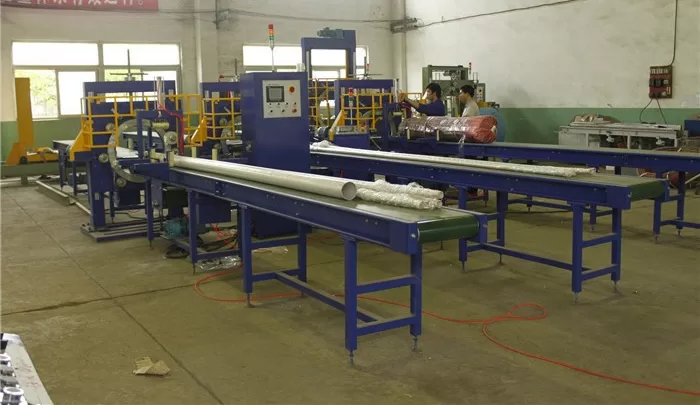
Understanding these critical factors is not just about keeping machines running. It is about boosting your plant’s entire output and protecting your profits. Let us look closely at what it takes to get the most out of your horizontal orbital wrappers. You can turn them into a real asset, not a source of stress.
How Can Regular Maintenance Programs Boost Wrapper Performance?
Do you find your packing machines breaking down at the worst times? Is unexpected downtime costing you money and delaying shipments? This common issue plagues many aluminum profile plants. It turns what should be a smooth operation into a constant headache.
Regular maintenance programs are critical for horizontal orbital wrappers because they prevent unexpected failures, extend machine life, and maintain peak wrapping quality. Implementing a consistent schedule for inspections, cleaning, lubrication, and parts replacement ensures the machine operates reliably and efficiently.

Maintaining these machines effectively means more than just fixing things when they break. It means being proactive. This approach helps you avoid those costly disruptions and keep your production flowing without issues.
Key Aspects of a Proactive Maintenance Schedule
When I ran my packing machine factory, I learned that a good maintenance plan is like a strong foundation. Without it, everything else becomes shaky. For horizontal orbital wrappers in aluminum profile plants, this means setting up clear, scheduled tasks.
Daily Checks
Operators should start each shift with quick visual checks. They need to look for any loose parts or strange noises. They must check film tension and placement. This simple step can catch small problems before they become big ones. We always taught our teams to listen and look. Early detection saves a lot of trouble later on. You should check the area around the machine for any debris. Make sure safety guards are in place. Confirm all emergency stop buttons work correctly. Daily cleaning of dust and aluminum particles from the machine’s surface is important. These particles can cause wear on moving parts. They can also affect sensors.
Weekly Inspections
Once a week, a more detailed check is needed. This includes lubricating moving parts, like the rotating ring and tension rollers. You must check all electrical connections for wear. Make sure wires are secure. Look at the film cutting and clamping units closely. They must be sharp and work smoothly. A dull blade can cause film tearing. This leads to wasted material and poor wraps. Checking conveyor belts for alignment and wear is also important. Any misalignment can cause products to shift. This affects the wrapping quality. It also creates a safety risk.
Monthly Reviews
Every month, you should do a thorough inspection of the entire system. This means checking motor performance and gearbox fluid levels. You should look at the integrity of all structural components. Look for cracks or stress points. It is also wise to check the calibration of sensors and controls. Incorrect settings can lead to uneven wraps or film breaks. This review also involves checking the pneumatic system, if your wrapper has one. Look at air filters and pressure regulators. Ensure air lines are not cracked or leaking. These monthly checks are more about deep dives. They make sure the machine’s core parts are sound.
Annual Overhauls
An annual overhaul is like a major service for your car. It involves a complete review of all major components. This means checking bearings, shafts, and the main drive system. Parts showing significant wear, even if they still work, should be replaced. This helps prevent unexpected failures. This is also a good time to update software or hardware if needed. This type of deep maintenance often requires shutting down the machine for a day or more. Planning this downtime is crucial. It minimizes impact on production. Investing in these overhauls pays off. It gives your machine many more years of useful life. It also helps avoid big, unexpected repair bills. This approach ensures your wrapper stays efficient and reliable. It reduces product damage and keeps your workers safe.
What Key Operational Habits Maximize Wrapping Efficiency?
Are your current packing operations slow and labor-intensive? Do you see a lot of wasted material or damaged products during the wrapping process? These problems are common for many in the metal processing industry, like Michael from Mexico. He often faces efficiency bottlenecks. He looks for ways to get products out faster without losing quality.
Maximizing the efficiency of horizontal orbital wrappers depends on adopting key operational habits, including proper film selection, optimized wrapping parameters, and consistent material handling. These practices reduce waste, improve wrap quality, and ensure products are ready for shipment quickly and safely. They directly lead to higher output.

Good operational habits are not just about speed. They are about smart work. They make sure every wrap is perfect. They save money and help avoid costly reworks or customer complaints. Let us explore how simple changes can make a big difference.
Smart Operational Practices for Optimal Performance
From my years in the packing machine industry, I have seen that even the best machine needs smart operation. It is not just about pressing buttons. It is about understanding how each setting affects the outcome. This is especially true for delicate aluminum profiles.
Film Type and Tension
Choosing the right stretch film is very important. For aluminum profiles, you need a film that can protect surfaces but also stretch well. Different films have different stretch percentages. Using the correct film means you use less material per wrap. This saves money. Also, setting the correct film tension is critical. Too loose, and the wrap is not secure. Too tight, and the film might break or damage the product. This can cause deformation on lighter aluminum profiles. We always told our clients to test different tensions. Find the sweet spot that provides good holding power without stress. Proper tension also uses the film’s maximum yield. This makes each roll last longer. It makes sure the wrapped product looks good and stays safe during transit. This small detail greatly impacts both cost and product safety.
Wrapping Parameters
The machine’s settings control how the wrapper does its job. These include the number of film layers, the overlap percentage, and the conveyor speed. For aluminum profiles, you might need more layers for heavier bundles. You might need less for lighter ones. An optimal overlap percentage ensures complete coverage without wasting film. If you have a 50% overlap, it means half of the previous film layer is covered by the new one. This ensures strength. Adjusting conveyor speed must match the wrapping speed. This keeps the wrap consistent. If the conveyor is too fast, the wrap may be too spread out. If it is too slow, it can be too thick in one spot. Michael Chen, the factory manager, would appreciate how these precise settings can reduce product damage. They also reduce material waste. Each setting has a purpose. Knowing how to adjust them for different products is key to efficiency.
Material Handling and Loading
How you bring the aluminum profiles to the wrapper matters a lot. Uneven loading or improper positioning can cause film breaks. It can also lead to poor wraps. It can even damage the machine. Products should be centered on the conveyor. They should be stable as they enter the wrapping area. This might mean using special jigs or guides for odd shapes. For heavy profiles, an automated infeed system helps. It reduces manual effort and increases safety. My experience taught me that good material flow upstream makes the wrapping process much smoother downstream. If workers are struggling to load, it slows everything down. It also increases the risk of accidents. Safety protocols for loading heavy or awkward loads are not just rules. They are vital for preventing worker injuries. They also prevent equipment damage. This also aligns with Michael’s goal of improving safety and reducing work injuries.
Do Environmental Conditions Truly Affect Wrapper Lifespan?
Are your packing machines operating in dusty, humid, or extremely hot areas? Do you wonder if these conditions are shortening your equipment’s life? Many plant managers overlook how the environment impacts their machines. But the truth is, the surroundings play a huge role in machine wear and tear.
Environmental conditions profoundly affect the lifespan and performance of horizontal orbital wrappers. High dust levels, extreme temperatures, and excessive humidity can accelerate wear on mechanical components, degrade electrical systems, and corrode machine parts. Controlling these factors through proper plant design and climate management is essential for long-term machine reliability.
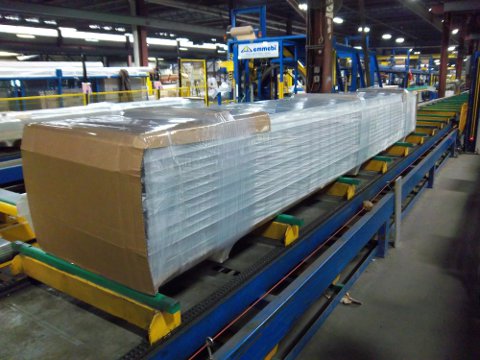
It is easy to forget about the environment when you are focused on output. But ignoring these factors can lead to frequent breakdowns. It also leads to expensive repairs. Let us look at why keeping an eye on your plant’s environment is so important for your wrapping machines.
Protecting Your Wrapper from Environmental Stress
Running a successful factory, I quickly learned that the machine’s environment is just as important as its design. For horizontal orbital wrappers, especially in places like a metal processing plant, harsh conditions are common. Ignoring them leads to problems.
Dust and Debris Management
Aluminum profile plants often have a lot of fine dust. This dust can get into bearings, motors, and electrical cabinets. When dust mixes with lubricants, it creates an abrasive paste. This paste speeds up wear on moving parts. Inside electrical components, dust can cause short circuits and overheating. It can even lead to fires. To fight this, you need good dust extraction systems near the wrapper. Regular cleaning of the machine is not optional. It is a must. Enclosed electrical cabinets with good seals help keep dust out. Using filtered air for cooling sensitive parts is also a smart move. Michael Chen, the factory manager, would know the importance of clean air. He understands how airborne particles affect machinery. This also applies to product quality, as dust on the profiles can affect customer perception.
Temperature Control
Horizontal orbital wrappers perform best within a specific temperature range. High heat can degrade lubricants faster. It can also stress electrical components. This shortens their lifespan. In very cold environments, materials can become brittle. Lubricants can thicken. This increases friction and motor strain. Providing adequate ventilation or even air conditioning in extreme climates can protect your investment. Monitoring the machine’s internal temperature, especially in control panels, is a good practice. If the machine is too hot, it can trigger thermal shutdowns. This stops production. If the environment is too cold, the machine might struggle to start. Or it might operate slowly. For Michael’s plant in Mexico, managing high temperatures could be a key concern. This impacts not only the machine but also worker comfort and safety.
Humidity and Moisture
Humidity is another silent enemy for machinery. High moisture levels can lead to rust and corrosion on metal parts. It can cause electrical contacts to oxidize. This leads to connection problems. It can also cause problems with sensors. In very humid conditions, condensation can form inside control cabinets. This causes serious electrical faults. Proper sealing of components is vital. Using dehumidifiers or ensuring good airflow in the wrapping area helps reduce moisture buildup. If water comes into direct contact with the machine, it can cause immediate and severe damage. This can be from leaks, spills, or cleaning processes. Making sure the area is dry and protecting the machine from splashes is important. Preventing rust and electrical shorts means the machine runs longer and safer. It also prevents costly breakdowns.
Why Is Proper Operator Training Essential for Machine Success?
Do your machine operators fully understand how to use your horizontal orbital wrappers? Or do they just know enough to get by? Poor training can lead to mistakes, machine damage, and even accidents. Many plant managers realize that a well-trained team is key to efficiency and safety.
Proper operator training is essential for the success of horizontal orbital wrappers because it ensures safe machine operation, maximizes wrapping efficiency, minimizes material waste, and reduces the likelihood of costly errors or breakdowns. A well-trained operator can identify and resolve minor issues before they escalate, directly impacting productivity and machine longevity.
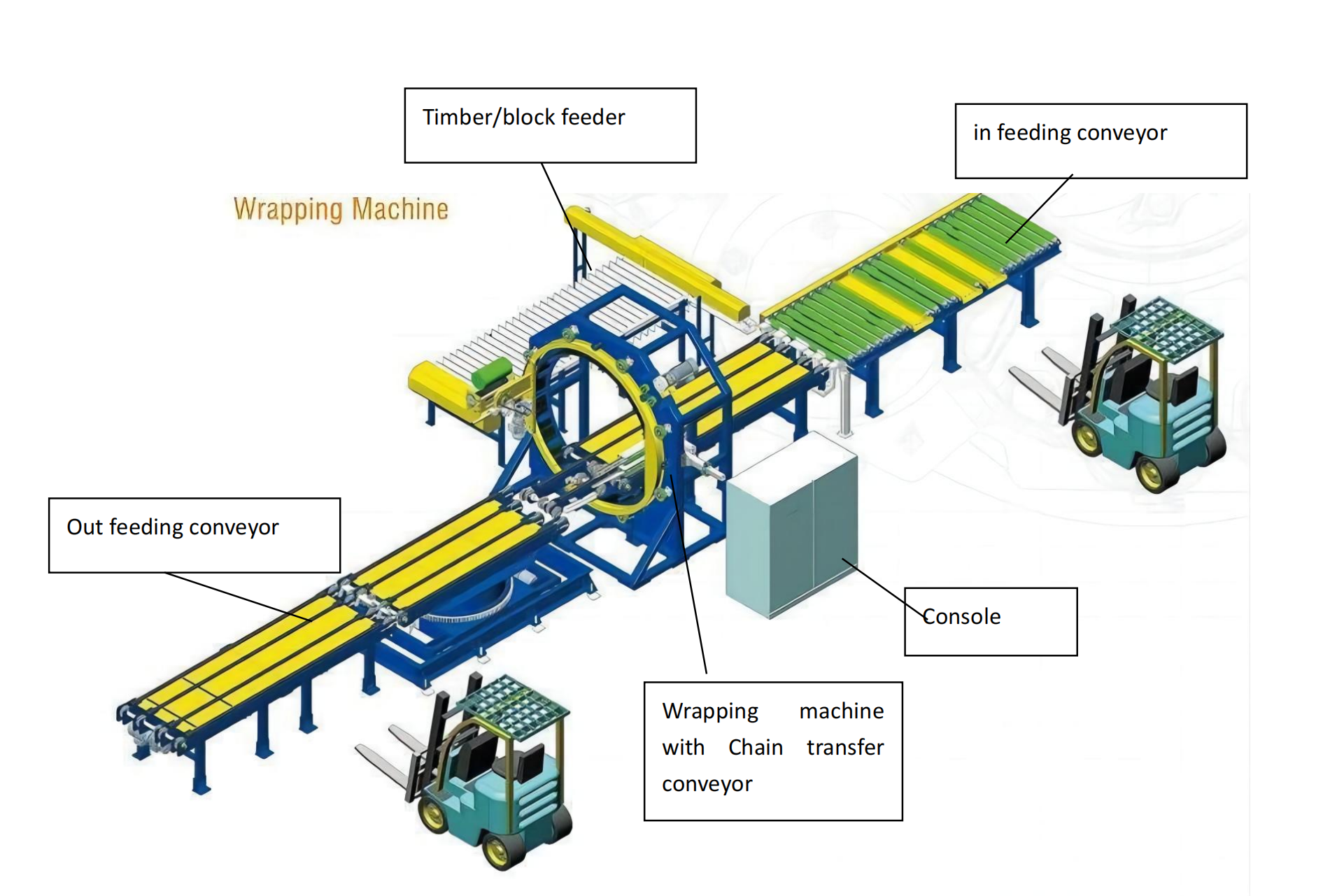
Investing in your people is just as important as investing in your machines. When operators know their equipment inside and out, they work smarter and safer. This helps the whole plant run better.
Building a Skilled Operator Team
My journey in the packing machine industry taught me that the person running the machine is often the most important factor in its success. A machine is only as good as its operator. This is especially true for complex machines like horizontal orbital wrappers.
Comprehensive Machine Operation
Operators must know more than just how to start and stop the wrapper. They need to understand every function. This includes setting wrapping parameters. They need to know how to load film correctly. They must also know how to clear basic jams. Training should cover different product types and how to adjust settings for each. When I built my factory, we made sure every operator could handle various scenarios. This means they are ready for anything. This detailed knowledge helps them quickly fix small problems. It prevents these small problems from becoming big, costly ones. Good training gives operators confidence. This means they are more productive and make fewer mistakes.
Safety Protocols and Emergency Procedures
Safety is always the top priority. Operators must understand all safety features of the wrapper. They must know how to use emergency stops. They must also know how to lock out and tag out the machine for maintenance. They must understand pinch points and moving parts. Regular safety refreshers are crucial. My experience showed that even experienced workers can become complacent. Michael Chen, as a factory manager focused on safety, would find this very important. Reducing work injuries and related costs is a big goal for him. Proper training makes sure that the operators are safe. It also ensures those around the machine are safe. It also reduces the risk of expensive accidents.
Basic Troubleshooting and Maintenance
Operators are the first line of defense against machine problems. They should be trained to spot unusual noises. They should look for strange vibrations. They should also know how to identify error codes. They should be able to perform simple troubleshooting steps. This includes checking film supply. It also includes clearing sensor blockages. They should also know how to conduct daily cleaning and lubrication. Giving operators these skills means many small issues can be fixed right away. This avoids calling a technician every time. It saves valuable time. It reduces downtime. This proactive approach keeps the machine running smoothly. It saves the plant money in the long run.
My Insights!
After building my own packing machine factory and helping many clients grow their businesses, I have seen it all. From small workshops to large metal processing plants like Michael’s, the challenges are often the same. My unique insight comes from being both an engineer and a factory owner. I understand the pain points of production. I also know what makes a machine truly reliable.
One big lesson I learned is that buying a machine is not the end. It is just the start of a partnership. Many suppliers just want to sell you a box. Then they disappear. This is a common complaint I hear, like Michael’s past issues with sales-focused vendors. But at FHOPEPACK, we believe in being a true partner. We want to understand your specific challenges. Are you struggling with efficiency bottlenecks? Do you have safety concerns with manual handling? Are product damage issues causing customer complaints?
My team and I built FHOPEPACK to share knowledge. We want to offer real solutions. We do not just sell machines. We help you solve your production puzzles. We aim to help you reach your goals. We want to improve your automation. We want to boost safety. We want to cut costs through smart investment. We want to make sure your horizontal orbital wrapper is not just a machine. We want it to be a key part of your success. This is why we focus so much on the right maintenance and operating practices. It makes a real difference.
Conclusion
Effective maintenance and smart operation of horizontal orbital wrappers are vital for aluminum profile plants. They ensure peak performance, reduce costs, and enhance safety. Focusing on these areas drives significant long-term benefits.








