
Are You Missing Out on the Power of Orbital Stretch Wrapping for Wooden Goods?
Have you ever faced the frustration of seeing your carefully manufactured products damaged during transport or storage? Or perhaps you struggle with slow, labor-intensive packaging processes that eat into your profits and put your workers at risk. These problems are common across many industries, and they can severely impact your bottom line and reputation. The pressure to improve efficiency, control costs, and ensure safety is real for any factory manager.
Orbital stretch wrapping uses a rotating arm to wrap products horizontally with stretch film, creating a secure, all-around protective layer. This technology is especially useful for long, bulky, or uniquely shaped items like wooden planks, panels, or even metal profiles and pipes. It protects products from dust, moisture, and damage during handling and shipping, significantly improving package integrity and operational efficiency.

If these challenges sound familiar, then understanding modern packaging solutions is not just an option, but a necessity. I am Randal Liu, and throughout my journey from a packing machine engineer to establishing FHOPEPACK, I have seen firsthand how the right equipment can transform a business. Let us look deeper into orbital stretch wrapping and discover how it can solve your packaging dilemmas.
What Exactly is Orbital Stretch Wrapping Technology and How Does It Function?
Are you tired of packaging methods that leave your long or oddly shaped products vulnerable to damage? Many conventional wrapping methods simply do not offer the complete protection needed for items like lumber, doors, or windows. This can lead to costly product returns, unhappy customers, and a lot of wasted time.
Orbital stretch wrapping technology uses a central “eye” or ring through which the product passes. A film dispenser on a rotating arm spins around the product, applying multiple layers of stretch film. This process creates a tightly wrapped, sealed package that protects against dust, moisture, and physical impact from all sides, including ends and corners. It is a highly effective way to secure items of various lengths and dimensions.

Let us dive deeper into the mechanics and design principles that make orbital stretch wrapping such a powerful solution for industrial packaging, especially for those challenging long or bulky items.
Key Components and Their Roles in Orbital Wrapping
Orbital stretch wrappers are precision-engineered machines, each component playing a vital role in the wrapping process. Understanding these parts helps you see why they are so effective.
- Wrapping Ring/Eye: This is the core of the machine. It is a large, circular opening through which the product moves. The film carriage orbits around this ring. The size of the ring determines the maximum dimensions of the product the machine can wrap. For wooden goods, such as long planks, profiles, or even assembled door frames, having a sufficiently large ring is crucial.
- Film Carriage and Dispenser: Attached to the wrapping ring, this component holds the roll of stretch film. As the ring spins, the film is pulled from the roll and applied to the product. Modern machines often include a pre-stretch system here. Pre-stretching means the film is stretched before it even touches the product. This makes the film stronger and allows one roll of film to cover more product, saving material costs. It also ensures a tighter, more secure wrap.
- Product Conveyor System: This system moves the product through the wrapping ring. It can be made up of rollers, belts, or chains, designed to handle the weight and shape of your specific product. For wooden goods, conveyor systems need to be robust enough to handle heavy lumber or large panels without causing surface damage. The speed of the conveyor often syncs with the rotation speed of the film carriage to ensure consistent overlap of the film.
- Control Panel/PLC (Programmable Logic Controller): This is the brain of the machine. It allows operators to set parameters like film tension, number of wraps, wrapping speed, and conveyor speed. Advanced PLCs can store different wrapping programs for various product types, making changeovers fast and simple. For Michael, who needs reliable and efficient operations, a user-friendly control system means less downtime and easier training for his staff.
- Safety Features: Given the moving parts, safety is paramount. Orbital wrappers come with safety gates, emergency stop buttons, and sometimes light curtains or sensors. These features protect operators from injury during machine operation. My experience has taught me that investing in machines with strong safety features pays off in fewer accidents and lower insurance costs, something Michael deeply cares about.
Types of Orbital Wrappers and Their Applications
Orbital wrappers come in different configurations to suit various needs.
| Type of Orbital Wrapper | Description | Common Applications (including Wooden Goods) |
|---|---|---|
| Horizontal Wrapper | The product moves horizontally through the rotating ring. This is the most common type. It excels at wrapping long items. | Lumber, plywood stacks, door frames, windows, metal pipes, extrusions, carpet rolls. |
| Vertical Wrapper | The product stands upright and is wrapped as it moves vertically. Less common, but useful for tall, slender items. | Tall panels, columns, or other upright products where horizontal wrapping is impractical. |
| Automatic Wrapper | These machines require minimal human intervention. Products are fed automatically, wrapped, and discharged. They often integrate into a larger production line. | High-volume production lines for wooden beams, furniture components, metal profiles. |
| Semi-Automatic Wrapper | An operator places the product onto the conveyor, initiates the wrap cycle, and then removes the wrapped product. | Medium-volume operations, diverse product types, smaller workshops. |
| Customized Wrapper | Built to handle specific, unique product dimensions or wrapping requirements, often with special handling or feeding systems. | Oversized wooden structures, very heavy industrial components, specialized composite panels. |
Understanding these details helps you choose the right machine for your factory’s specific needs. It is not just about buying a machine; it is about finding the right technology partner that understands your unique challenges.
How Does the Orbital Wrapping Process Streamline Your Packaging Operations?
Are you struggling with slow, manual packaging that creates bottlenecks at the end of your production line? In today’s competitive manufacturing world, inefficient packaging can negate all the gains made in production. This often leads to missed deadlines and increased labor costs.
The orbital wrapping process involves placing a product onto an infeed conveyor, which then moves it through the center of a rotating ring. As the product passes through, a pre-stretched film is applied continuously around its circumference. The machine can apply multiple layers and overlap the film, ensuring complete coverage and securement. Once wrapped, the product moves to an outfeed conveyor, ready for storage or shipment. This automated or semi-automated process significantly increases throughput and consistency.
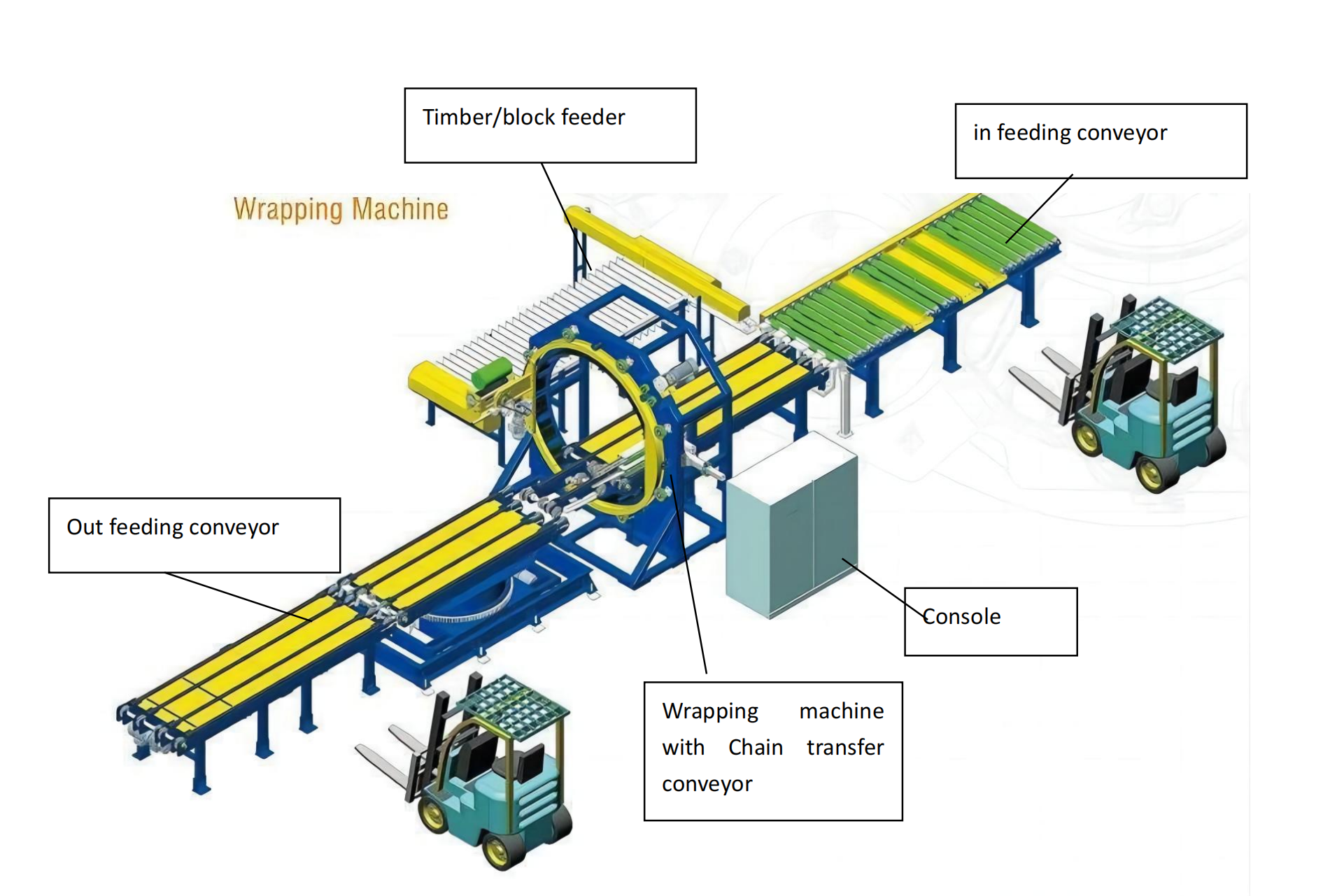
Let us dive deeper into the actual steps involved in the orbital wrapping process and how each step contributes to a more streamlined and efficient packaging operation.
Step-by-Step Breakdown of the Orbital Wrapping Process
The simplicity of the orbital wrapping process hides a lot of engineering. Each step is designed for maximum efficiency and security.
- Product Loading: The process begins by placing the product onto the infeed conveyor. This can be done manually by an operator for semi-automatic machines. For fully automatic systems, robotic arms or integrated production lines feed the product directly onto the conveyor. For wooden goods like long planks or stacks of panels, careful loading ensures the product is centered and stable before entering the wrapping zone. Michael, who wants to reduce manual handling, would appreciate systems that minimize this first step’s labor intensity.
- Product Positioning: The conveyor system moves the product until it is correctly positioned within the wrapping ring. Sensors often detect the product’s presence and dimensions, informing the machine to begin the wrapping cycle. Proper positioning ensures the film is applied evenly and consistently across the entire product surface. This precision prevents gaps or uneven coverage, which could compromise the package’s integrity.
- Film Application Initiation: Once the product is in place, the machine starts the rotating arm with the film dispenser. The film is typically attached to the product’s leading edge, often using a clamping mechanism. The pre-stretch unit stretches the film as it comes off the roll. This pre-stretching can increase the film yield by up to 300%, meaning less film is used per package, which saves material costs.
- Continuous Wrapping: As the product moves slowly through the center of the rotating ring, the film is continuously applied in multiple layers. The speed of the product’s movement and the rotation speed of the film carriage are synchronized. This synchronization ensures a consistent overlap of the film layers. You can adjust the overlap percentage based on the desired level of protection. For instance, more overlap means a more robust, moisture-resistant package, crucial for outdoor storage or long-distance shipping of wooden goods.
- Film Cutting and Sealing: Once the product has been fully wrapped and exits the wrapping ring, the film is automatically cut. A heat seal mechanism or a simple clamp then secures the tail end of the film to the wrapped product. This ensures the wrap does not unravel during handling. Automatic cutting and sealing eliminate the need for manual intervention at the end of each wrapping cycle, further enhancing efficiency.
- Product Discharge: The wrapped product then moves onto an outfeed conveyor, ready for the next stage, whether it is stacking, strapping, or direct loading onto a truck. The machine can be programmed to eject the product onto a pallet or transfer it to another part of the production line. This continuous flow helps eliminate bottlenecks at the packaging stage, a key goal for factory managers like Michael.
Automation Levels and Integration
The level of automation in orbital wrapping machines can vary greatly.
| Automation Level | Description | Operational Impact for a Factory Manager |
|---|---|---|
| Manual | Operator handles loading, starting, cutting, and unloading. Basic models. | High labor cost, lowest initial investment. Limited throughput. |
| Semi-Automatic | Operator loads/unloads, machine performs wrapping cycle automatically. Most common. | Reduced labor, improved consistency. Good balance of cost and efficiency. |
| Automatic | Fully integrated into production line. Products fed, wrapped, and discharged without human intervention. Features include automatic film changeovers, product sensing. | Maximize efficiency, minimize labor cost, highest throughput. Higher initial investment. |
| Fully Integrated Line | The orbital wrapper is just one part of a larger, automated packaging line that may include conveying, weighing, labeling, and palletizing. | Seamless operation, ultimate efficiency, significant ROI potential for high-volume factories. Requires significant initial investment and planning. |
Choosing the right level of automation depends on your production volume, labor costs, and long-term goals. For Michael, who seeks to reduce manual labor and improve safety, even a semi-automatic machine can make a huge difference. However, for true scalability and cost reduction, a fully automatic solution, or an integrated line, is often the ultimate goal. The smooth flow that orbital wrapping provides directly addresses the “efficiency bottleneck” Michael is trying to solve in his plant.
What Specific Benefits Can Orbital Stretch Wrapping Bring to Your Business, Especially for Wooden Goods?
Are you constantly battling product damage, high labor costs, and safety risks in your packaging operations? Many manufacturers face these issues, especially when dealing with heavy, bulky, or awkward items like wooden beams, door frames, or panels. These problems not only affect your bottom line but also your reputation with customers.
Orbital stretch wrapping delivers multiple key benefits, including enhanced product protection against moisture, dust, and physical damage, which is critical for preserving the quality of wooden goods. It significantly improves operational efficiency by automating a labor-intensive task, reducing manual handling and associated safety risks. Furthermore, it lowers material costs through efficient film usage and presents a professional, tamper-evident package. These benefits directly translate into reduced costs, increased safety, and higher customer satisfaction.
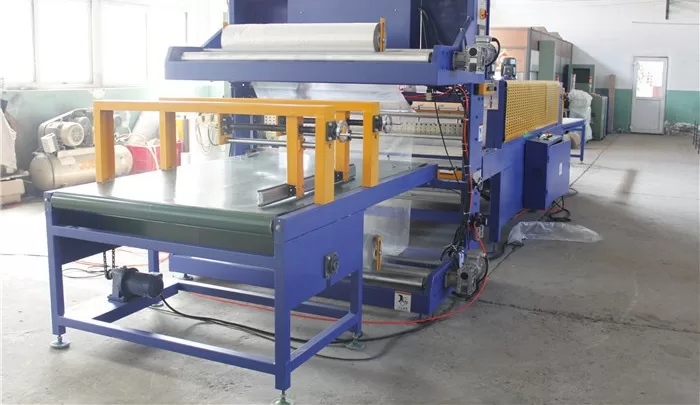
Let us dive deeper into these benefits, showing how they can directly address the challenges faced by factory managers like Michael Chen and contribute to overall business growth.
Direct Benefits for Your Operations
Investing in orbital stretch wrapping is not just about buying a machine; it is about investing in solutions that address your core operational challenges.
-
Superior Product Protection:
- All-Around Coverage: Unlike traditional methods that might leave ends or sides exposed, orbital wrapping provides a full, 360-degree wrap. This is vital for wooden goods that are susceptible to splintering, scratching, or moisture absorption. It protects the entire surface from dust, dirt, and scuffs during transit and storage.
- Moisture and Dust Resistance: The multiple layers of tightly wound stretch film create a barrier against environmental elements. For wooden goods, this means protection from rain, humidity, and general warehouse dust, preventing warping, discoloration, or mold growth. This directly reduces product loss due to damage.
- Impact Protection: The stretch film acts as a shock absorber, cushioning the product against minor impacts during handling and shipping. This reduces the risk of nicks, dents, or broken edges on wooden products, preserving their aesthetic and structural integrity. For Michael, who faces product loss during internal transfer, this is a huge advantage.
-
Enhanced Operational Efficiency:
- Reduced Labor Needs: Manual wrapping of long or heavy items is slow and requires multiple workers. An orbital wrapper, especially an automatic one, can do the job much faster with minimal human input. This frees up staff for other value-added tasks. This directly addresses Michael’s challenge of labor-intensive, slow processes.
- Increased Throughput: The machine wraps products at a consistent, high speed. This eliminates packaging bottlenecks, allowing your production line to run more smoothly and increase overall output. Faster packaging means faster delivery times and happier customers.
- Consistent Package Quality: Machines apply film with uniform tension and overlap every time. This ensures every package looks professional and provides consistent protection, unlike manual wrapping where quality can vary.
-
Improved Safety for Workers:
- Minimized Manual Handling: Workers no longer need to manually lift, rotate, or wrap heavy or awkward items. The machine handles the physical work. This significantly reduces the risk of back injuries, strains, and other accidents associated with manual material handling. Michael’s concern about high injury risk and insurance costs can be directly addressed here.
- Reduced Ergonomic Strain: Repetitive motions involved in manual wrapping are eliminated, reducing the risk of repetitive strain injuries for your employees. A safer workplace leads to happier, more productive employees and lower employee turnover.
- Compliance with Safety Regulations: Automated systems often help factories comply with stricter workplace safety regulations, avoiding potential fines and legal issues.
-
Cost Savings and ROI:
- Lower Labor Costs: By reducing the need for multiple manual laborers on the packaging line, you can reallocate staff or reduce overheads. This is a clear path to cost reduction.
- Reduced Product Damage Costs: Fewer damaged products mean fewer returns, fewer customer complaints, and less scrap. This directly impacts your profit margins.
- Optimized Film Consumption: Pre-stretch systems maximize film yield, meaning you use less film per package while achieving better protection. This translates to significant savings on packaging material costs over time.
- Fast Return on Investment (ROI): When you combine labor savings, reduced damage, and material efficiency, the investment in an orbital wrapper often pays for itself quickly, sometimes within months or a couple of years. Michael looks for solutions with clear ROI, and orbital wrappers deliver this.
By addressing these core pain points, orbital stretch wrapping becomes more than just a piece of equipment. It becomes a strategic asset that enhances your factory’s productivity, safety, and profitability. For businesses handling wooden goods, where product integrity and aesthetic appeal are key, these benefits are particularly impactful.
What Are My Personal Insights on Embracing Orbital Wrapping Solutions?
Have you ever felt overwhelmed by the sheer number of equipment choices out there, or worried about making the wrong investment? I know that feeling well. When I started FHOPEPACK, I had to build everything from the ground up. I learned that just buying a machine is not enough. You need a partner who understands your challenges and can guide you.
My journey in the packing machine industry, from an engineer to a factory owner, taught me that the true value of machinery lies not just in its specifications, but in its ability to solve real-world problems and contribute to long-term growth. When it comes to orbital wrapping, I have seen firsthand how it transforms businesses. It is about more than just wrapping; it is about securing your product, your people, and your future. My insights come from building and operating successful packing lines, and understanding the practical, day-to-day pressures factory managers face.

Let us dive deeper into the insights I have gained over the years, insights that go beyond technical specifications and touch upon the strategic importance of choosing the right packaging solution and the right partner.
My Perspective on Strategic Investment and Partnership
From the factory floor to the boardroom, I have seen every side of this industry. Here is what I believe truly matters when considering an investment in orbital wrapping.
- Look Beyond the Sticker Price: Total Cost of Ownership (TCO) Matters.
- When I was running my packing machine factory, I quickly learned that the initial purchase price is only one part of the equation. What truly matters is the total cost over the machine’s lifetime. This includes energy consumption, maintenance costs, spare parts availability, and importantly, the cost savings it generates in labor, reduced product damage, and film usage. A cheaper machine might seem appealing at first. However, if it breaks down often, uses too much power, or requires expensive, hard-to-find parts, it becomes a liability. I always advise clients to look for robust, well-built machines that promise lower running costs and higher uptime. This focus on TCO ensures a better return on your investment.
- The Power of Customization and Adaptability.
- My experience taught me that every factory, even those in the same industry, has unique needs. Standard machines are good, but true solutions often come from adaptability. For example, while this article focuses on wooden goods, I have seen orbital wrappers successfully adapted for everything from steel coils and pipes (like those Michael handles) to aluminum profiles and even bulky furniture. A good supplier does not just sell you a machine; they help you configure it to your specific product dimensions, line speed, and operational layout. They should be able to adjust the ring size, conveyor type, and automation level to fit your exact requirements. This flexibility is what separates a good supplier from an average one.
- Service and Support: Your Long-Term Partner.
- Michael mentioned his past “supplier trust crisis” due to poor after-sales service. I faced similar issues early in my career. That is why at FHOPEPACK, we emphasize being a true partner. What does this mean? It means comprehensive pre-sales consultation to understand your exact pain points and production goals. It means clear, transparent communication throughout the sales process. Most importantly, it means reliable after-sales support – readily available spare parts, skilled technicians for troubleshooting, and ongoing technical advice. A machine is only as good as the support behind it. For me, giving back means sharing this knowledge and ensuring my clients never feel abandoned after a purchase. A strong partnership ensures your investment continues to deliver value for years to come.
- Safety as a Core Value, Not an Afterthought.
- As a factory owner, I understand the immense pressure to keep operations safe. Worker safety is not just a regulatory requirement; it is a moral obligation and a smart business decision. High injury rates lead to increased insurance premiums, lost productivity, and damaged morale. When I look at orbital wrapping solutions, safety features like emergency stops, interlocking guards, and clear operating procedures are non-negotiable. I believe that an expert supplier prioritizes safety in their machine design and can advise you on best practices for safe operation within your factory environment. My goal is to help you create a workplace where your employees feel secure and valued, just as I strived for in my own factory.








