
What Is an Orbital Stretch Wrapper and How Can It Protect Your Wooden Products?
Do you struggle with damaged wooden products during shipping? Are you worried about costly customer complaints? Many businesses lose money and reputation because their valuable wooden goods arrive with scratches or breaks. This problem makes your team stressed and reduces your profit. I have seen this issue many times. It is a common challenge for factories everywhere.
An orbital stretch wrapper is a machine that wraps long, bulky items with stretch film. It uses a rotating arm to put film around the product as it moves through a central ring. This machine creates a tight, protective layer. For wooden products, this means strong protection against dust, moisture, and impact damage. It helps keep your wood safe during storage and transit.

If you want to protect your wooden products better, understanding this technology is important. Let us look deeper into how these machines work. We will also see why they are a smart choice for your business.
Why are traditional packing methods risky for wooden products?
Do your wooden products often get damaged before they reach customers? Does your team spend too much time on manual wrapping? Traditional packing methods use a lot of human effort. They are slow. They also have a high risk of injury. This leads to broken products and unhappy customers. It can also cause high insurance costs.
Traditional packing methods for wood, like hand-wrapping or banding, often leave parts exposed. They offer limited protection against impacts, moisture, or dust. This makes wooden items prone to scratches, dents, and warpage. Such methods are also labor-intensive. They increase the risk of worker injuries when handling heavy or awkward wood pieces.
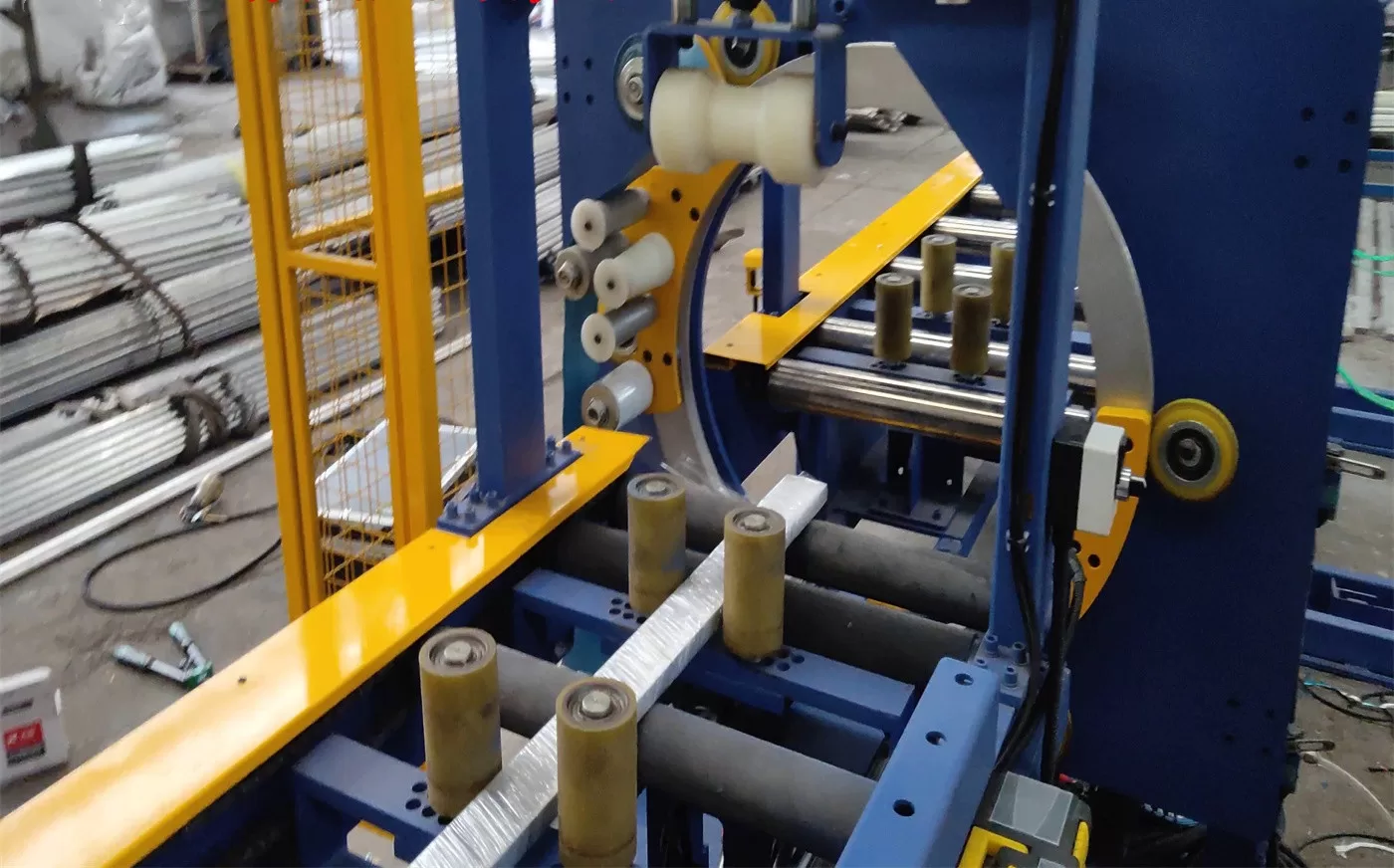
From my time running a factory, I know the pain of inefficient processes. I saw how manual work created many problems. For wooden products, these problems are even worse. Wood can be very heavy. It can also have sharp edges. It is often long and difficult to move.
The Limits of Manual Packing
Manual packing relies on people. People get tired. They can make mistakes. They also cannot lift very heavy things safely. When you pack wooden boards or furniture parts by hand, you need several workers. They lift. They wrap. They secure. This takes a lot of time. It also costs a lot of money in wages.
- Slow Speed: One person can only wrap so many items in an hour. When your factory needs to ship many products, manual packing becomes a bottleneck. It slows down your whole production line.
- High Labor Costs: You pay wages for each person. If you need many people to pack, your costs go up fast. This eats into your profits.
- Inconsistent Quality: Each worker wraps differently. Some wrap tighter. Some wrap looser. This means your products do not all look the same. They also do not have the same level of protection. This can lead to customer complaints.
The Dangers of Hand Handling Wood
Handling wooden products by hand is dangerous. Workers lift heavy planks. They move large, awkward pieces. This can cause many types of injuries.
- Back Injuries: Lifting heavy wood strains the back. This is a common injury. It leads to lost work days. It also means higher workers’ compensation claims.
- Cuts and Splinters: Wood has rough edges. It can have splinters. Workers can get cuts or splinters when handling it. These injuries are painful. They can also lead to infections.
- Crushing Injuries: If a large piece of wood falls, it can crush a worker’s foot or hand. This is a serious risk. It can lead to permanent disability.
Product Damage during Internal Transfer and Packing
Even inside the factory, wooden products can get damaged. When they move from one part of the factory to another, they are at risk. When workers pack them, mistakes can happen.
- Edge Damage: Corners and edges of wooden boards are fragile. If they hit something, they can chip or break. This makes the product unusable.
- Surface Scratches: Wooden surfaces can get scratched. This happens if they rub against other items or rough surfaces. Scratches make the product look bad. Customers will not want it.
- Moisture Absorption: Wood can absorb moisture. If it is not protected, humidity can cause it to warp or swell. This changes its shape and strength.
I built my own factory. I know how important it is to protect goods. Every damaged product means lost money. It means unhappy customers. It also means more work to fix the problem. These traditional methods are not sustainable for modern factories. They create too many problems. They do not give the strong protection that wooden products need. That is why I always look for better ways.
How does an orbital stretch wrapper protect wooden items during transit?
Are you worried about your wooden products reaching customers safely? Do you want to stop damage and reduce returns? Many businesses face high costs from broken goods in transit. This machine offers a powerful solution. It wraps your products tightly. This keeps them safe from harm.
An orbital stretch wrapper uses a rotating film carriage. This carriage moves around the product as the product passes through a central opening. It applies stretch film in a continuous, overlapping spiral. For wooden items, this creates a fully enclosed, waterproof, and impact-resistant package. This protective wrap holds pieces together. It prevents shifting. It also keeps out dirt and moisture. This ensures the wood arrives in perfect condition.
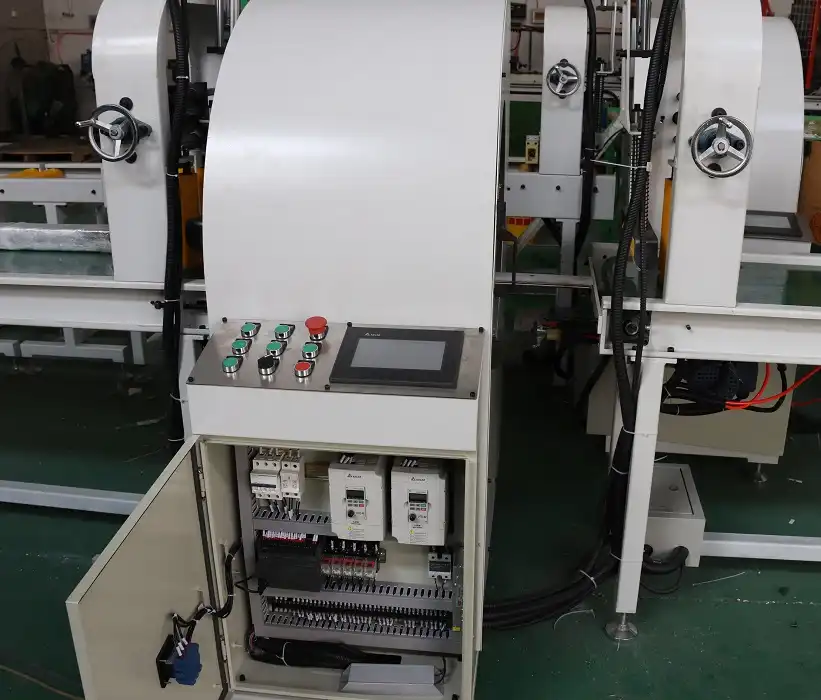
When I started my factory, one of my biggest concerns was product safety during shipping. I learned that a good packing solution is not just about looks. It is about real protection. An orbital stretch wrapper excels at this. It solves many problems related to transporting wood.
Complete Encapsulation for Superior Protection
The way an orbital wrapper works provides full coverage. This is key for wooden products. Wood is often long and narrow. It needs protection on all sides.
- 360-Degree Coverage: The film wraps around the product’s entire length and width. This means no part of the wood is left exposed. It seals out dust. It keeps out moisture. This prevents warping or rot caused by humidity.
- Waterproof Barrier: The stretch film creates a tight, water-resistant seal. If your wooden products are exposed to rain or dampness during transport, this barrier is vital. It stops water from getting to the wood.
- Impact Resistance: The multiple layers of film act as a cushion. They absorb shocks and impacts. If the package bumps into something, the film takes the hit. This prevents scratches, dents, or broken edges on the wooden items.
Securing the Load and Preventing Shifting
Wooden products often consist of multiple pieces, like planks, panels, or furniture components. Keeping these pieces together is important. The orbital wrapper does this well.
- Load Stability: The tight wrap holds all pieces firmly together. This prevents them from moving around inside the package. Shifting during transit can cause friction and damage. It can also make the load unstable.
- Bundle Integrity: For bundled wood products, like lumber or flooring, the wrapper creates a strong, unified bundle. This makes it easier to handle. It also reduces the chance of pieces falling off or getting separated.
- Vibration Dampening: During truck or container transport, products experience vibrations. The snug film wrap helps to dampen these vibrations. This further reduces the risk of internal damage to the wood.
Enhancing Presentation and Brand Image
Beyond protection, the way a product is packaged also reflects on your brand. A professionally wrapped package looks good. It tells the customer you care about quality.
- Clean Appearance: The clear film keeps the wood clean. It protects it from dirt and grime during its journey. This ensures the product arrives looking new.
- Professional Look: A tightly wrapped package looks neat and professional. This builds customer trust. It shows that your company pays attention to details. It makes a good first impression.
- Easy Identification: You can use clear film to allow quick visual inspection of the wooden product. This helps with inventory management. It also helps customers confirm their order easily.
I have seen the difference good packaging makes. When products arrive in perfect shape, customers are happy. They come back for more. This machine truly makes a difference in keeping wooden products safe.
What key benefits does orbital wrapping offer for the wood industry?
Is your wood manufacturing plant looking for ways to cut costs and boost output? Do high labor costs and product damage eat into your profits? Many wood businesses struggle with these exact issues. I understand these challenges. I have built a successful factory. I know how important it is to find solutions that deliver real value.
Orbital stretch wrapping brings many key benefits to the wood industry. It automates a labor-intensive process, greatly reducing manual effort and associated costs. It also boosts production speed, allowing more wooden products to be packed in less time. Most importantly, it improves safety by minimizing heavy lifting for workers. This technology also ensures superior product protection, cutting down on damage and customer complaints for items like lumber, panels, or furniture components.
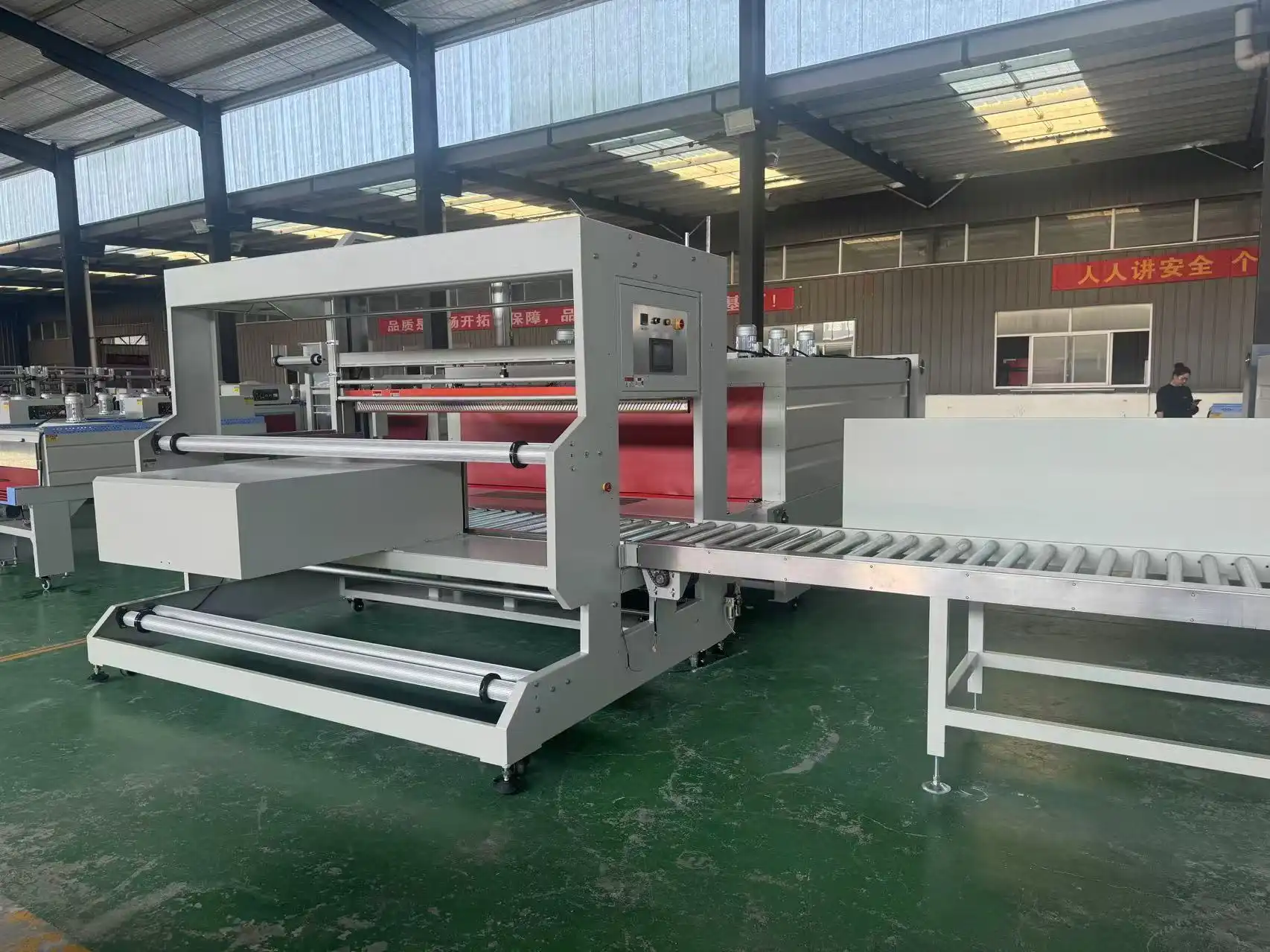
My journey from an engineer to a factory owner taught me one big lesson: efficiency and safety drive profit. For the wood industry, where materials are heavy and margins can be tight, finding smart solutions is a must. An orbital wrapper is one such solution. It helps factories like Michael Chen’s, who runs a metal processing plant, but the principles are the same for wood. They want to cut costs, reduce risks, and grow.
Major Cost Savings and Increased Efficiency
The biggest impact of an orbital wrapper is on your bottom line. It changes how you use your labor and how fast you can work.
- Reduced Labor Costs: This machine does the work of several people. You need fewer workers for packing. This means lower payroll expenses. It is a direct saving every month.
- Faster Packing Speeds: Machines work faster than humans. An orbital wrapper can pack many items per hour. This speeds up your end-of-line process. It means your products ship out quicker. This improves your delivery times.
- Lower Material Waste: The machine applies film consistently. It uses just enough film. Manual wrapping often wastes film. This precise application saves you money on packing materials over time.
Enhanced Worker Safety and Reduced Liability
This is a huge benefit. Safety is not just about rules. It is about protecting your people. It also protects your business from high insurance costs and legal issues.
- Elimination of Manual Lifting: Wooden products are heavy. This machine removes the need for workers to lift and maneuver these heavy items by hand. This prevents back injuries, strains, and other common workplace accidents.
- Fewer Repetitive Strain Injuries: Hand wrapping involves repetitive motions. This can lead to wrist or shoulder problems. Automated wrapping takes away these risks.
- Improved Workplace Environment: A safer workplace makes employees happier. They feel valued. This can reduce employee turnover. It also improves morale. Lower accident rates mean lower insurance premiums for your factory.
Superior Product Protection and Customer Satisfaction
Damaged goods cost money. They also damage your reputation. An orbital wrapper fixes this problem.
- Significantly Reduced Damage: The consistent, tight wrap protects wooden products from dust, moisture, and impact. This means fewer scratches, chips, and breaks. You will have fewer damaged goods returned.
- Fewer Customer Complaints: When products arrive in perfect condition, customers are happy. Happy customers are loyal customers. They are more likely to order from you again. This also reduces the time your team spends on handling complaints.
- Stronger Brand Reputation: Delivering high-quality, undamaged products builds trust. Your brand becomes known for reliability. This can attract new business. It gives you an edge over competitors.
In my experience, investing in the right machine pays for itself quickly. It is not just about buying a machine. It is about finding a solution that makes your entire operation better. It is about giving your factory the tools it needs to grow. It is about making your products stand out.
How can you ensure the best ROI when investing in a wooden product wrapper?
Are you considering a big investment in new packing equipment? Do you worry about whether it will truly pay off? Many factory managers are careful with their money. They want to see a clear return on investment (ROI). I understand this concern. I always make sure any solution I offer helps businesses grow.
To ensure the best ROI when investing in an orbital stretch wrapper for wooden products, focus on clear benefits. Calculate your current labor costs, product damage rates, and packing speed. Then, compare these to the savings and efficiencies an automated wrapper can provide. Look for features like durable construction, low maintenance needs, and adaptable settings for different wood sizes. Partnering with a supplier who offers strong support and industry expertise is also vital to maximize your return.
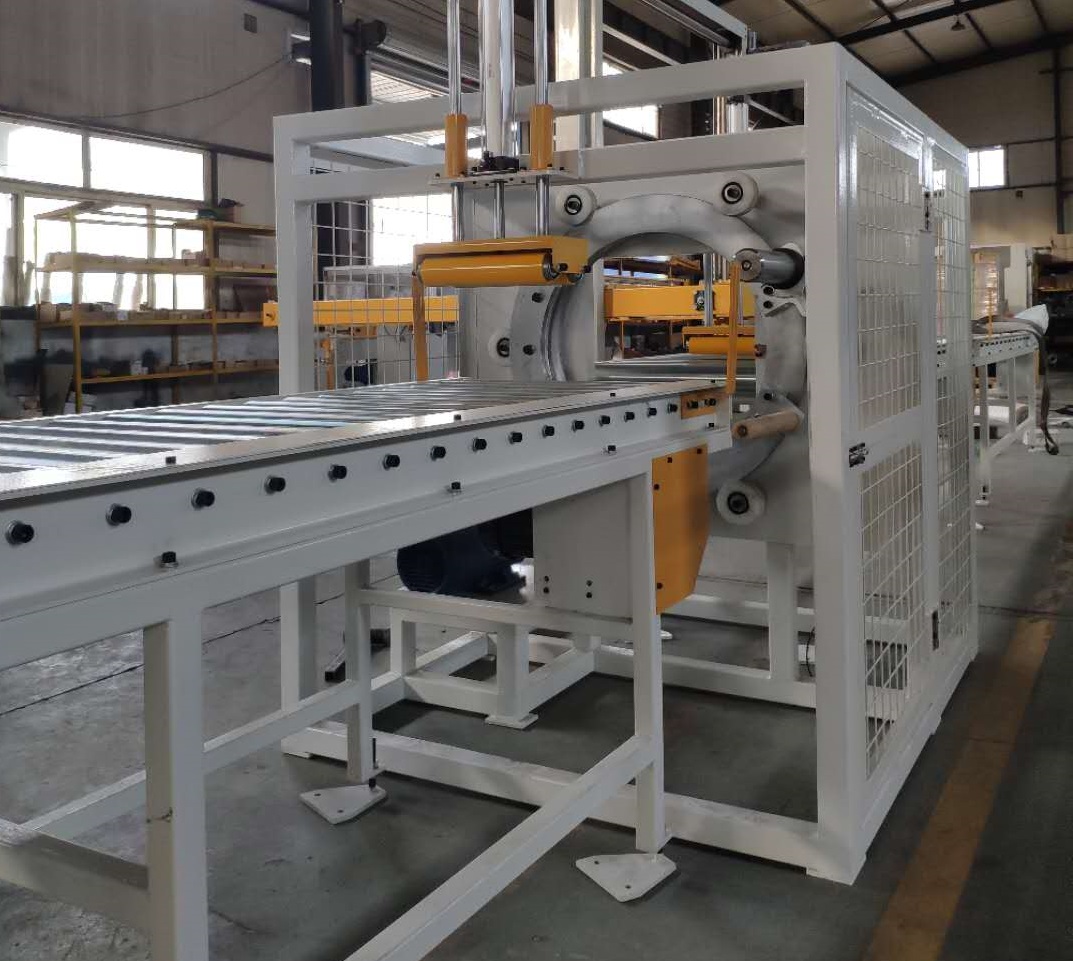
When I decided to build my own packing machine factory, every investment mattered. I needed to see how each piece of equipment would contribute to the overall success. This thinking applies directly to buying an orbital wrapper for wooden products. It is not just a purchase; it is a strategic move. Michael Chen, a factory manager, looks for solutions that understand his production bottlenecks and offer clear ROI. This is exactly how you should approach this.
Calculating Your Potential Savings
Before you buy, know your numbers. This makes the ROI clear.
- Labor Cost Reduction:
- Current: How many workers do you have packing wooden products? What do they earn per hour? How many hours do they spend packing each day?
- Future: How many workers will you save with an automated wrapper? Calculate the annual savings from their wages and benefits.
- Example: If you save two workers, and each costs $40,000 per year, that is $80,000 in annual savings.
- Product Damage Reduction:
- Current: What is the value of wooden products damaged during packing or transit each month? What is your customer complaint rate due to damage?
- Future: How much will this damage reduce with better protection? Estimate the decrease in returns, re-shipments, and customer service costs.
- Example: If you currently lose $5,000 per month due to damage, reducing this by 80% saves you $4,000 per month, or $48,000 per year.
- Increased Throughput/Speed:
- Current: How many wooden products can you pack per hour?
- Future: How many can the machine pack per hour? Faster packing means you can produce and ship more. This can lead to more sales.








