
Are You Truly Optimizing Your Board Packaging Lines with Horizontal Stretch Wrapper Technology?
Are you tired of slow packing lines and damaged products? Many factory managers, like Michael in Mexico, face big problems every day. They struggle with manual packing that causes delays and puts workers at risk. These old ways slow down production and eat into profits. It is a common problem in heavy industries. But what if there was a better way to pack heavy, flat items like boards or metal sheets, making things faster and safer?
Yes, you can optimize your board packaging lines by using horizontal stretch wrapper technology. This kind of machine wraps products as they move through it, horizontally. It tightly secures items, protecting them from damage during storage and transport. This technology helps factories like yours move away from slow, risky manual methods. It makes your whole packing process much more efficient and safer.
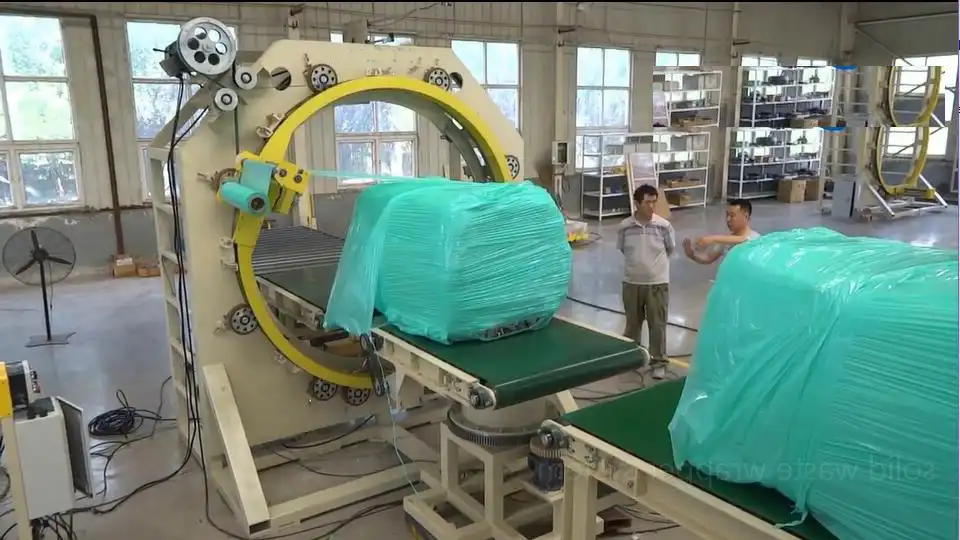
I know these struggles well. I have seen them firsthand in many factories. In this article, I will share how horizontal stretch wrappers can solve some of your biggest packing problems. We will look at how they boost speed, improve safety, and save you money. Stay with me to learn how this smart technology can change your operations for the better.
Is Manual Packing Holding Back Your Production Speed?
Do your packing lines feel like a bottleneck? For many factories, manual packing of large items like metal sheets or boards creates huge slowdowns. Workers must move and wrap heavy items by hand. This takes a lot of time and effort. It stops products from moving out the door quickly. This can really hurt your delivery times and customer satisfaction.
Yes, manual packing often holds back production speed, especially when dealing with heavy or bulky items. Human workers simply cannot match the speed and consistency of machines. A horizontal stretch wrapper automates the wrapping process. It applies film tightly and quickly around products. This removes the need for slow, manual labor. It helps products move smoothly through your end-of-line process.

I remember working as an employee in a packing machine factory years ago. I saw firsthand how much time was wasted on manual packing. Operators would strain to wrap large coils or bundles of steel wire. They worked hard, but it was just too slow. The whole factory would wait for the packing to finish. This created huge delays for shipments. It was a big problem. This experience taught me the value of automation. I saw that machines could do the same work much faster and without getting tired. My journey through the industry showed me that efficiency is key. Manual processes introduce many points where things can go wrong or slow down. For example, if one worker is sick, the whole line slows down. With machines, this is less of a concern. They work at a constant speed, day after day. A horizontal stretch wrapper integrates into your existing line. It takes over the slow, manual wrapping task. This frees up your workers to do other important jobs. It makes your overall production much more fluid. We need to think about how each step in the process affects the next. When packing is slow, everything behind it gets backed up. This means less product goes out, and sales suffer. It is not just about the packing time itself. It is about how that time impacts your entire operation. Investing in a horizontal stretch wrapper directly addresses this core efficiency bottleneck. It allows you to produce more and ship more. This makes your customers happier and your business stronger.
How Manual Packing Hurts Efficiency:
| Factor | Manual Packing Impact | Automated Packing Solution (Horizontal Stretch Wrapper) |
|---|---|---|
| Speed | Slow, inconsistent, limited by human pace | Fast, consistent, high throughput |
| Labor Cost | High due to many workers needed | Low, fewer workers needed for operation |
| Throughput | Low, creates production bottlenecks | High, eliminates bottlenecks |
| Errors | Frequent due to human mistakes | Minimal, precise and repeatable |
Are Your Manual Packing Methods Putting Your Workers at Risk?
Do you worry about your workers getting hurt? In many factories, employees have to lift and move heavy, awkward items. Think about steel coils or large boards. This work is dangerous. It can lead to serious injuries. Back strains, crushed fingers, and other accidents happen too often. These incidents mean high insurance costs and unhappy workers. They also lead to more worker turnover.
Yes, manual packing methods often put workers at high risk. They must handle heavy loads, which causes many workplace injuries. A horizontal stretch wrapper greatly improves worker safety. It removes the need for manual lifting or turning of heavy items during the wrapping process. Products move onto the machine, get wrapped, and then move off. This reduces direct human contact with the heaviest parts of the packing process.

When I first started in the packing machine industry, I saw many accidents. Workers would hurt their backs trying to lift heavy components. Some even had serious hand injuries from moving large parts. It was heartbreaking to see. I realized that a factory’s true value lies in its people. Keeping them safe is not just a rule; it is a moral duty. This is why, when I started my own factory, safety was always a top priority. I wanted to build systems that protected our team. Horizontal stretch wrappers are a great example of this. They are designed to handle the heavy lifting. This means your workers do not have to. Think about the common tasks involved in manual packing: lifting a heavy board, turning it over to wrap the other side, or even just moving it onto a pallet. Each of these steps carries a high risk of injury. Workers might drop the item. They might strain their muscles. Or they might get caught between the item and another surface. These injuries are costly. They lead to medical bills, lost workdays, and higher insurance premiums. But the biggest cost is to your team’s morale. No one wants to work in a place where they constantly fear getting hurt. By automating the heavy lifting and wrapping, you create a much safer work environment. This shows your employees that you care about their well-being. It helps you keep good workers. It also lowers your overall operational risks. A safe factory is a productive factory.
Key Safety Improvements with Automation:
- Reduced Manual Lifting: Machines do the heavy work. Workers do not need to lift or carry large items.
- Less Repetitive Strain: The machine handles the repetitive wrapping. This prevents common injuries like carpal tunnel syndrome or back pain.
- Improved Ergonomics: Workstations can be set up so workers interact with controls, not heavy objects.
- Fewer Accidents: Less human interaction with moving parts and heavy loads means fewer chances for accidents.
- Lower Insurance Costs: Fewer injuries lead to fewer claims. This can reduce your factory’s insurance premiums over time.
Is Product Damage Costing Your Business Money?
Are you losing money because products get damaged? Many factories face this issue. During internal moves or packing, heavy items like steel coil edges often get scratched or bent. This damage makes customers unhappy. They complain, and sometimes they send products back. This means less profit for your business. It also hurts your reputation.
Yes, product damage can cost your business a lot of money. Mishandling during manual packing and transport is a major cause. Horizontal stretch wrappers provide excellent product protection. They secure items tightly and evenly with stretch film. This protects them from bumps, scratches, and dust. The film keeps edges safe and prevents shifting during transport. This reduces customer complaints and saves your profits.
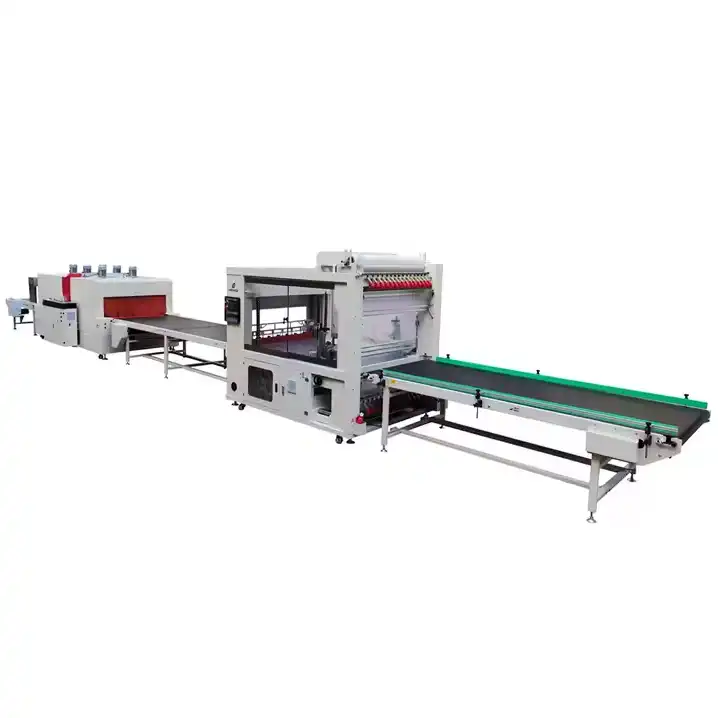
I have seen many cases where perfectly good products left the production line, only to be damaged during the final packing stage. I remember one client who made high-quality steel sheets. Their production was top-notch. But their manual packing process was letting them down. The edges of the sheets would get nicked or bent when workers moved them. Sometimes, the wrapping was not tight enough, and the sheets would shift during shipping. This led to many angry calls from customers. It was frustrating for them and for my client. I learned that packing is not just the last step; it is a critical part of quality control. A horizontal stretch wrapper offers a consistent and protective wrap. The machine applies multiple layers of film under tension. This creates a strong barrier. It holds the product securely in place. It protects the surface from external damage. Think about a steel coil. Its edges are very sensitive. If they get bent, the whole coil might be useless. Manual wrapping often leaves gaps or uneven coverage. It might not provide enough tension. This makes the product vulnerable. A machine applies film smoothly and without variations. This consistency means every product gets the same high level of protection. This reduces the risk of costly damage. It also means fewer returns and chargebacks. Your customers receive products in perfect condition. This builds trust and keeps them coming back. Protecting your product means protecting your brand and your bottom line. It is a simple truth.
How Horizontal Stretch Wrappers Protect Products:
- Consistent Film Application: Applies film evenly with consistent tension, ensuring full coverage.
- Secure Containment: Holds items tightly in place, preventing shifting or movement during handling and transit.
- Surface Protection: Provides a durable barrier against dust, moisture, scratches, and minor impacts.
- Edge Protection: Extra layers of film on edges can prevent common damage points.
- Reduced Handling Damage: Less manual handling means fewer opportunities for workers to drop or damage items.
Can Investing in Automation Truly Improve Your Bottom Line?
Are you unsure about spending money on new machines? Many factory managers worry about the cost of automation. They wonder if it will really pay off. It is a big investment. But what if this investment could cut your costs a lot? What if it could make your factory much more profitable in the long run?
Yes, investing in automation, like a horizontal stretch wrapper, can truly improve your bottom line. While there is an upfront cost, the return on investment (ROI) is clear. These machines significantly reduce labor costs by needing fewer workers. They cut down on product damage, saving money on returns and rework. They also increase production speed, meaning you can sell more products faster. These savings and gains quickly outweigh the initial cost.
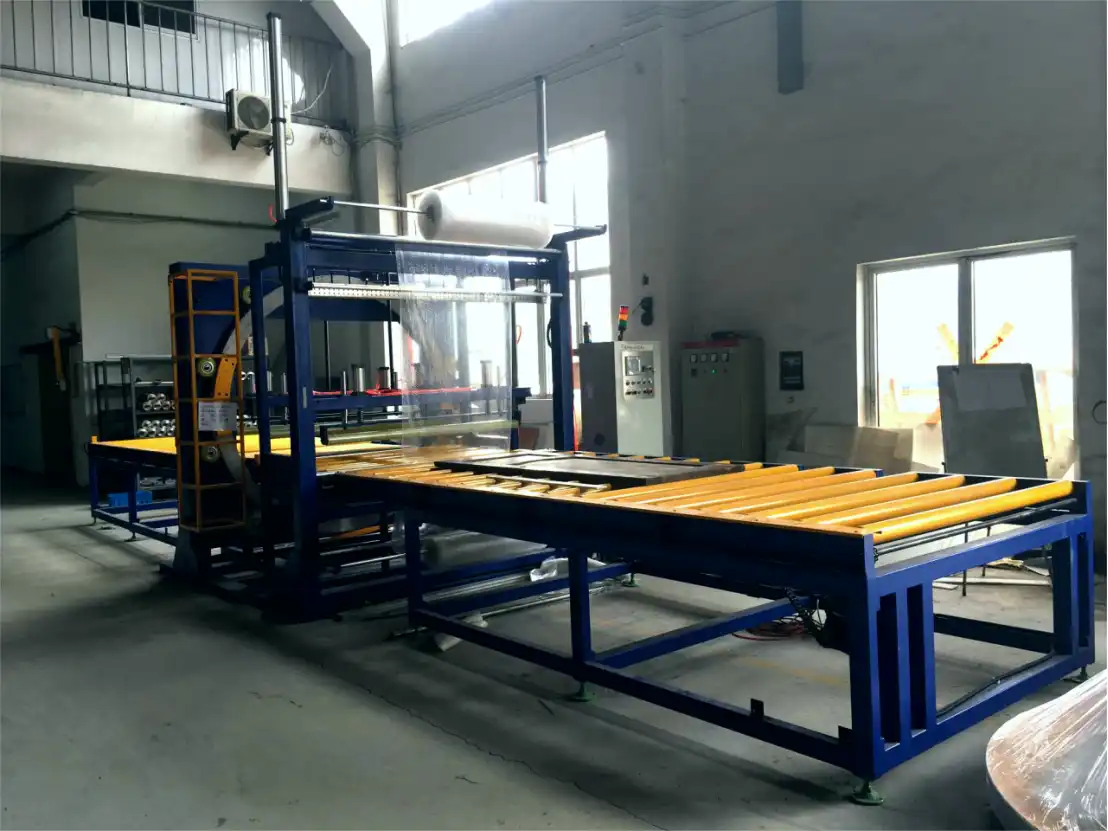
I have always believed that smart investments pay off. When I was building my packing machine factory, every decision about equipment came down to numbers. I looked at the long-term benefits, not just the upfront price. Many of my clients, after seeing their businesses grow, told me that my advice on automation was key to their success. They realized that paying for a machine once was better than paying for ongoing labor costs, injuries, and damaged goods every single day. Let’s break down the financials. First, consider labor. A horizontal stretch wrapper can do the work of several people. This means you can reassign staff to other areas or reduce your overall labor needs for packing. This leads to significant salary savings over time. Second, think about product loss. As we discussed, damaged goods mean lost sales and rework. By nearly eliminating these, you save money directly. Third, increased output. A faster packing line means you can process more orders. This leads to higher sales volume. More sales mean more profit. Fourth, reduced insurance costs. Fewer workplace injuries can lower your factory’s insurance premiums. Fifth, lower material waste. Machines use film more efficiently than manual methods, reducing material costs. When you add all these savings and gains together, the initial cost of the machine becomes a small part of the total picture. Many machines pay for themselves in just a few years. After that, they continue to generate savings for many more years. It is a clear path to boosting your factory’s profitability.
Financial Benefits of Horizontal Stretch Wrappers:
- Reduced Labor Expenses:
- Fewer operators needed per shift.
- Lower training costs for new manual packers.
- Lower Material Waste:
- Precise film application reduces over-wrapping.
- Consistent tension minimizes film breaks.
- Decreased Product Damage:
- Fewer customer complaints and returns.
- No costs for rework or scrap.
- Increased Throughput & Revenue:
- Faster packing leads to higher production capacity.
- Ability to take on more orders and generate more sales.
- Lower Insurance Premiums:
- Improved safety leads to fewer workplace injury claims.








