
Coil Strapping Machine Greece: Your Engineer’s Guide to Retrofit and Payback – Is It Worth the Investment?
Are you feeling the pressure of production bottlenecks, rising operational costs, and constant safety concerns in your factory? Perhaps your current coil and wire packing process is slow, relies too much on manual labor, and leads to frequent product damage or worker injuries. This situation is frustrating, and it directly impacts your bottom line and delivery schedules. I know this struggle firsthand because I have been there.
For factory managers and operations directors in Greece and beyond, a modern coil strapping machine offers a clear path to overcoming these challenges. It can significantly boost your output, reduce labor costs, and improve safety, making it a powerful investment. Automated strapping machines are specifically designed to handle heavy, bulky coils with precision, reducing human error and the risk of injuries. Their payback comes from increased efficiency, lower material waste, and a safer work environment, often showing a clear return on investment within a short period.

As a packing machine engineer who has built and run factories, I understand the weight of these decisions. You are not just buying a machine; you are investing in your factory’s future. You want solutions that truly work, integrate smoothly, and deliver a tangible return. Let us dive into how a coil strapping machine can transform your operations.
Are Your Coil Packing Operations Bottlenecking Production and Risking Safety?
Does the end of your production line feel like a choke point? Are your teams spending too much time manually handling heavy coils or wire bundles? This often leads to delays, increased labor costs, and, critically, a higher risk of workplace injuries. The problem is clear: manual processes, especially with heavy materials like steel or aluminum coils, are inefficient and dangerous. They create a constant struggle to meet output targets while keeping workers safe.
Manual coil packing is a significant bottleneck for many factories because it is slow and physically demanding. It creates a major safety hazard due to the weight and awkwardness of coils, leading to high injury rates and rising insurance costs. Automated coil strapping machines directly address these issues by streamlining the packing process, removing workers from hazardous situations, and boosting overall line speed, making your operations safer and more efficient.

Understanding the Pitfalls of Manual Coil Handling
I have witnessed countless factories struggling with outdated packing methods. It is not just about moving coils from point A to point B. It is about the entire sequence: lifting, orienting, wrapping, strapping, and then preparing for shipment. Each step, when done manually, introduces risks and inefficiencies. When I first started working in a packing machine factory, I saw how much effort went into manual strapping. It was physically taxing work. Later, when I built my own factory, automating these processes was a top priority for me. I wanted to protect my workers and make the operation run smoothly. This experience shaped my view on what a truly good packing solution should offer.
Let us break down the core problems that an automated coil strapping machine solves:
-
Efficiency Bottlenecks:
- Slow Throughput: Manual strapping is inherently slow. Each coil requires significant human effort and time, creating a bottleneck at the end of the production line. This limits your factory’s overall output, no matter how fast your upstream processes are. For instance, if your rolling mill produces coils faster than your packing line can strap them, you will accumulate inventory and delay shipments.
- Inconsistent Quality: Human error can lead to inconsistent strap tension or placement. This can compromise the integrity of the package, especially for coils traveling long distances or being stored for extended periods. A loose strap means potential product damage during transit.
- Labor Dependency: Relying on a large team for packing increases labor costs. It also makes your operations vulnerable to workforce shortages, sick days, or high employee turnover. Training new staff for these physically demanding roles is also an ongoing expense.
-
Safety Hazards:
- Heavy Lifting and Repetitive Strain: Coils are extremely heavy. Manually moving, orienting, or strapping them puts immense strain on workers. This leads to back injuries, sprains, and other musculoskeletal disorders. These injuries are costly, not only in terms of worker compensation and medical bills but also in lost productivity and low employee morale.
- Pinch Points and Crush Injuries: During strapping or manipulation, workers are exposed to pinch points and the risk of being crushed by shifting coils. This is a severe risk in any heavy manufacturing environment. Implementing automation greatly reduces direct human interaction with the moving parts of the machine and the coils themselves.
- Fatigue-Related Accidents: Long shifts performing repetitive, strenuous tasks lead to fatigue. Fatigued workers are more prone to making mistakes, which can result in serious accidents. Automation eliminates the need for workers to perform these tasks continuously, allowing them to oversee the process from a safe distance.
-
Product Damage and Quality Control:
- Edge Damage: During manual handling or with imprecise strapping, the edges of coils can get dented or scratched. This seemingly minor damage can lead to customer complaints, product rejections, and significant financial losses. High-value materials like specialized steel or aluminum coils are particularly vulnerable.
- Inconsistent Packaging: Manual strapping often results in variations in how coils are secured. Some might be too tight, others too loose. This inconsistency impacts not only the appearance but also the protective quality of the packaging. Automated systems ensure uniform tension and placement every time.
- Poor Presentation: A well-packaged coil looks professional. In contrast, poorly strapped coils reflect negatively on your brand’s commitment to quality. This affects customer perception and can damage long-term business relationships.
By recognizing these challenges, factory managers like Michael can see the clear advantages of transitioning to an automated coil strapping system. It is not just an upgrade; it is a fundamental shift towards a more resilient, efficient, and safer operation.
Can a New Coil Strapping Machine Seamlessly Integrate into Your Existing Production Line?
The thought of introducing new, large machinery into an already complex production environment can be daunting. You might worry about major disruptions, extensive downtime, and the compatibility of a new system with your existing setup. The question is valid: Can a new coil strapping machine truly fit in without tearing everything apart?
Yes, modern coil strapping machines are designed with retrofit compatibility in mind. Most reputable manufacturers understand that factories operate with existing layouts and machinery. They offer solutions that can be integrated into current production lines with minimal disruption. This often involves modular designs, flexible configurations, and expert engineering support to ensure a smooth transition and optimal performance alongside your current equipment.

Keys to Successful Retrofit and Integration
Integrating new equipment is a critical step. When I started my factory, I knew that every piece of machinery needed to work in harmony. A single bottleneck or incompatibility could cripple the entire operation. This is why thorough planning and working with an experienced partner are so important. The goal is to enhance, not disrupt, your existing workflow.
Here are the key aspects of ensuring a successful retrofit for your coil strapping machine:
-
Comprehensive Site Assessment:
- Layout Analysis: Before any installation, a detailed assessment of your factory layout is crucial. This includes measuring available space, identifying existing power sources, and understanding the flow of materials. Manufacturers often send their engineers to conduct this assessment. They will check your current conveyor systems, crane access, and general operational space.
- Current Equipment Evaluation: The new strapping machine needs to interact with existing equipment, such as coil transfer cars, up-enders, down-enders, or overhead cranes. Engineers will evaluate the specifications of your current machinery to ensure proper interfacing and data exchange, if applicable.
- Utilities Check: Confirming the availability and capacity of necessary utilities like electricity (voltage, phase), compressed air, and potentially network connectivity for data integration.
-
Flexible Machine Design and Customization:
- Modular Construction: Many automated strapping machines come in modular designs. This allows for easier adaptation to different factory layouts and production needs. You can choose specific modules that fit your space constraints and operational requirements, rather than a rigid, one-size-fits-all solution.
- Adjustable Parameters: Look for machines with adjustable parameters for coil dimensions (inner diameter, outer diameter, width), strapping patterns, and tension. This flexibility is vital, especially if your factory handles a variety of coil sizes or types.
- Integration with Existing Controls: Modern machines can often be integrated into your existing Supervisory Control and Data Acquisition (SCADA) systems or other plant control systems. This ensures a unified operational view and centralized control, making monitoring and troubleshooting easier.
-
Minimizing Downtime:
- Staged Installation: An experienced supplier will plan the installation in stages to minimize disruption. This might involve pre-assembling components off-site, or performing installation during planned maintenance shutdowns. The goal is to keep your production running as much as possible.
- Phased Rollout: Sometimes, it is possible to implement the new strapping machine while keeping a manual backup for a short period. This allows for testing and fine-tuning the automated system without completely halting production.
- Off-Hours Work: Installation teams can often work outside of normal production hours to further reduce the impact on your daily operations. This shows a commitment from the supplier to your business continuity.
-
Supplier Expertise and Support:
- Engineering Consultation: A good supplier will offer in-depth engineering consultation from the start. They will work with your team to understand your specific challenges and design a solution that perfectly fits your needs. This collaborative approach ensures that the new machine is not just placed, but truly integrated.
- Installation and Commissioning: The supplier’s technical team should handle the installation and commissioning process. This includes setting up the machine, calibrating it, and conducting test runs to ensure it meets performance specifications.
- Training and After-Sales Service: Comprehensive training for your operators and maintenance staff is crucial. This empowers your team to operate and maintain the machine effectively. Furthermore, reliable after-sales service and spare parts availability are non-negotiable for long-term operational success.
By carefully considering these aspects, factories in Greece or anywhere can confidently plan for a retrofit that enhances their production capabilities without causing undue disruption. The right partner makes this complex process seem simple.
What is the Real Financial Payback of Investing in an Automated Coil Strapping Solution?
When considering any significant capital investment, especially for a factory manager, the bottom line is always the first consideration. You need to know if the numbers make sense. Will this new coil strapping machine truly save money, and if so, how quickly will you see a return on that investment? Without a clear financial case, any upgrade remains just a wish.
An automated coil strapping machine offers a strong financial payback through multiple avenues. It drastically reduces labor costs by minimizing manual involvement, lowers material waste from product damage, and boosts throughput, leading to higher sales potential. The return on investment (ROI) is often measurable within a short period, typically months to a few years, making it a highly attractive investment for any metal processing or logistics facility aiming for cost reduction and increased profitability.
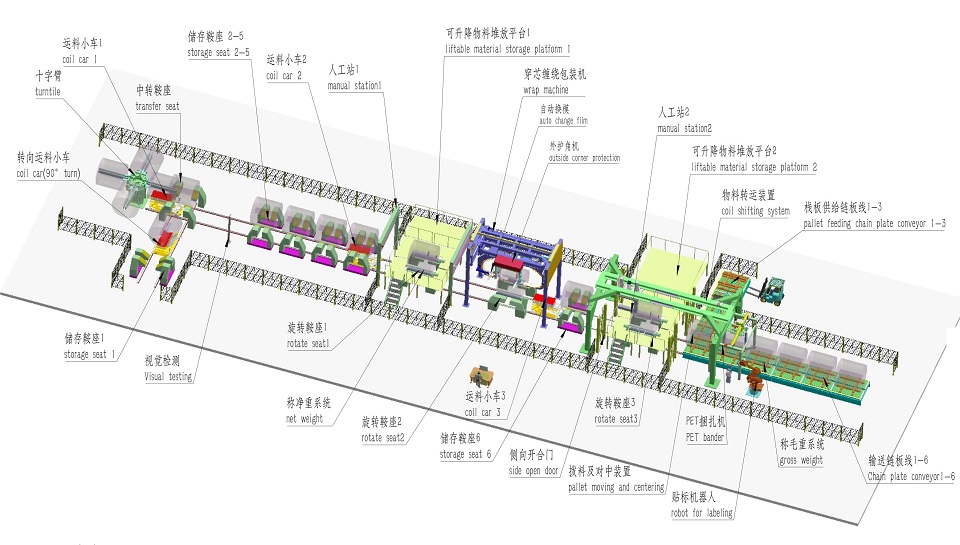
Calculating the ROI of Automated Strapping
I remember when I first considered automating parts of my factory. The initial investment seemed high. But I quickly realized that the ongoing costs of manual labor, worker injuries, and product rejections were a far greater drain on my resources. Investing in automation was not just an expense; it was a strategic move to secure my factory’s financial future. Here is how you can look at the payback.
Let us explore the key areas where an automated coil strapping machine delivers significant financial returns:
-
Labor Cost Reduction:
- Reduced Headcount: The most direct saving comes from requiring fewer workers to perform the strapping task. Instead of multiple operators struggling with manual tools, one or two can oversee an automated system. This frees up personnel for other, more skilled tasks, or reduces overall labor expenses.
- Fewer Overtime Hours: With increased efficiency, your team can complete the same volume of work in fewer hours, reducing overtime pay. This improves work-life balance for your employees while also saving your company money.
- Lower Training Costs: The training burden for automated systems is often lower once implemented, as the machine performs the complex physical tasks. Operators learn how to monitor and maintain, rather than perform strenuous manual work.
-
Reduced Product Damage and Waste:
- Eliminate Handling Errors: Automated systems apply straps with consistent tension and precision, significantly reducing the risk of damaging coil edges or surfaces. This eliminates costly product rejections and rework. Consider the value of even a small percentage of your output being saved from damage; it quickly adds up.
- Optimized Material Usage: Automated machines use strapping material more efficiently, cutting it to the exact required length and applying it without waste. Manual methods often lead to excess material usage.
- Improved Packaging Integrity: Securely strapped coils are less likely to shift or unravel during storage and transport. This reduces the risk of in-transit damage, leading to fewer customer complaints and chargebacks.
-
Increased Throughput and Production Capacity:
- Faster Cycle Times: Automated strapping machines operate at much higher speeds than manual methods. This directly translates to more coils strapped per hour, increasing your factory’s overall output capacity. If your current packing line is a bottleneck, automation will unlock the full potential of your upstream processes.
- Consistent Output: Machines do not get tired or make mistakes due to fatigue. They maintain consistent high performance throughout the shift, ensuring a steady flow of finished products.
- Ability to Handle Higher Volumes: As your business grows, an automated system can easily scale to meet increased demand without a proportional increase in labor. This flexibility allows you to take on more orders and expand your market reach.
-
Safety Improvements and Related Cost Savings:
- Lower Insurance Premiums: A safer workplace, with fewer reported injuries, can lead to lower worker’s compensation insurance premiums over time. Insurance companies often reward companies with strong safety records.
- Reduced Lost Workdays: Fewer injuries mean less downtime for your employees, maintaining your workforce strength and productivity.
- Improved Employee Morale: A safer environment leads to happier, more productive employees who feel valued. This can reduce staff turnover and the associated costs of recruitment and training.
-
Calculating Payback Period and ROI:
-
To calculate the payback period, you divide the initial investment cost by the annual savings generated (from reduced labor, less waste, increased throughput, etc.).
-
Example Scenario (Simplified): Cost/Benefit Item Manual Operations (Annual) Automated System (Annual) Annual Savings/Benefit Labor Costs $100,000 $30,000 $70,000 Product Damage/Rework $20,000 $5,000 $15,000 Increased Throughput 0 (Bottlenecked) $30,000 (Added Revenue) $30,000 Total Annual Savings $115,000 -
If the initial investment for the automated machine is $250,000, the payback period would be approximately: $250,000 (Investment) / $115,000 (Annual Savings) = ~2.17 years.
-
This is a strong ROI for many businesses. The exact numbers will vary based on your specific operational context, labor rates in Greece, and the cost of the machine. However, the framework remains consistent.
-
Investing in an automated coil strapping solution is not just about buying a piece of equipment; it is about strategically re-aligning your factory for greater efficiency, safety, and profitability. The financial returns are often compelling.
How Do You Choose a Reliable Partner for Your Coil Strapping Automation Journey?
You have seen the clear benefits of automation. You understand the potential for increased efficiency, improved safety, and a strong financial return. However, a major challenge for many factory managers is finding a supplier they can truly trust. You have experienced suppliers who are good at selling but fall short on service. How do you find a partner who understands your challenges and delivers lasting solutions, not just equipment?
Choosing a reliable partner for your coil strapping automation journey means looking beyond just the machine itself. You need a supplier with deep industry expertise, a proven track record of successful installations and robust after-sales support. A trustworthy partner will prioritize understanding your specific operational bottlenecks and offer tailored solutions, rather than a generic product, building a long-term relationship based on professional guidance and reliability.

What to Look for in an Automation Partner
This is where my own journey comes in. When I transitioned from an employee to a factory owner, I learned that a good machine is only as good as the company behind it. I built FHOPEPACK on the principle of being that partner. My goal is to share knowledge and help others succeed because I know the difference it makes. It is about more than just a sale; it is about building a lasting relationship.
Here is what factory managers, including those in Greece, should look for in an automation partner:
-
Deep Industry Expertise and Understanding:
- Real-World Experience: Look for a supplier whose team has actual experience in factory environments, not just sales. Do they understand the nuances of coil handling, material types, and production pressures? My background, from employee to factory owner, gives me this direct understanding of your daily challenges. We speak your language.
- Problem-Solving Approach: A true partner listens to your specific pain points – your efficiency bottlenecks, safety concerns, and product damage issues. They should propose solutions that directly address these, rather than just pushing their standard products. They will ask questions about your coil dimensions, output targets, and current labor costs.
- Application Knowledge: Can they advise on the best strapping material, strap tension, and strapping patterns for your specific type of coil (steel, aluminum, wire) and your transport needs? This indicates a deeper level of knowledge beyond just the machine mechanics.
-
Proven Track Record and Reliability:
- Case Studies and References: Ask for examples of successful installations, especially in factories similar to yours. Can they provide references from other clients who have achieved significant improvements using their solutions? Look for testimonials that highlight long-term reliability and support.
- Quality of Equipment: Research the build quality of their machines. Are they using robust components? Are their designs durable enough to withstand the demanding environment of a metal processing plant? Durability means less downtime and fewer unexpected repair costs.
- Longevity in the Market: A company with a long history in the industry is often a good sign. It shows stability and a commitment to their products and customers. This is crucial for long-term support and parts availability.
-
Comprehensive After-Sales Support:
- Installation and Commissioning: Ensure they provide professional installation and commissioning services. The machine needs to be set up correctly from day one for optimal performance.
- Operator and Maintenance Training: Do they offer thorough training programs for your staff? Your team needs to feel confident in operating and performing basic maintenance on the new equipment. This reduces reliance on external support for minor issues.
- Technical Support and Troubleshooting: What kind of technical support do they offer? Is it available when you need it? Do they have a clear process for troubleshooting and resolving issues quickly? Remote diagnostic capabilities are a big plus.
- Spare Parts Availability: Critical spare parts should be readily available. Downtime due to a missing part can be incredibly costly. A good partner maintains a robust inventory and efficient logistics for parts delivery.
- Maintenance Contracts and Service Plans: Do they offer ongoing maintenance contracts? Regular preventative maintenance can extend the life of your machine and prevent unexpected breakdowns.
-
Transparent Communication and Trust:
- Clear Communication: A reliable partner communicates clearly and honestly throughout the entire process – from initial consultation to after-sales support. They should set realistic expectations and provide regular updates.
- Fair Pricing and ROI Focus: While cost is a factor, avoid suppliers who offer unusually low prices without explaining the value. A good partner will focus on the total cost of ownership and the ROI you can expect, demonstrating the value their solution brings to your business.
- Partnership Mindset: Ultimately, you want a partner, not just a vendor. Someone who is invested in your success and is there for the long haul. This often means they are willing to go the extra mile to ensure your satisfaction.
By carefully evaluating potential suppliers against these criteria, factories like yours can make an informed decision and forge a strong partnership that leads to lasting operational improvements and continued business growth.
Conclusion
Investing in a coil strapping machine offers factories in Greece and worldwide a clear path to boosting efficiency, enhancing safety, and securing a strong financial payback. Partner with an expert who understands your needs.








