
Coil Strapping Machine UK: Energy, Consumables & Maintenance—Your Cost Model?
The daily grind in a metal processing factory is tough. You have production quotas to hit. You also need to keep costs low. On top of that, you must keep your team safe. I know these pressures well. I lived them myself. Manual coil strapping can feel like a bottleneck. It slows things down. It also eats into your profits. You might even have safety risks.
A coil strapping machine in the UK helps metal processing factories manage energy use, consumable needs, and maintenance schedules. This provides a clear cost model, leading to better efficiency and safety. The right machine saves money and keeps your workers safe.

So, how do you fix this? You need a clear picture of what a coil strapping machine really costs. This means looking beyond the sticker price. We need to talk about energy, consumables, and maintenance. We also need to talk about hidden costs. Let us break it down.
What Are Your Energy Costs for a Coil Strapping Machine?
Are you worried about your electricity bills? You should be. Every piece of equipment adds to your energy use. A coil strapping machine is no different. You want to make sure you get the most out of every kilowatt. You do not want wasted power.
Energy consumption for a coil strapping machine comes from motors, heating elements, and controls. Modern machines are designed to be more efficient. They use less power. This helps lower your running costs over time. Older models might use much more energy.

When I first started building my packing machine factory, I learned quickly. Every kilowatt hour counted. It went straight to the bottom line. For a coil strapping machine, energy use comes from a few key areas. The motors power the strapping head and conveyor systems. These motors need electricity to run. If the machine uses heat sealing for PET straps, there is a heating element. This also uses power. The control system and sensors use a small amount of electricity too. Newer machines are much smarter. They use energy-saving motors. They might have a standby mode. This lowers consumption when the machine is not active. Older machines might run full power all the time. This wastes energy. In the UK, energy prices can change. So, knowing your machine’s power needs is very important. You want a machine that works hard but does not drain your wallet. Some machines use pneumatic systems. These need air compressors. The compressor also uses electricity. So, you need to think about that too. Look at the machine’s power rating. Ask about its average consumption per cycle. This gives you a clear idea of the running cost. It helps you plan your budget. It also helps you save money in the long run.
How Much Do Consumables Cost for Coil Strapping?
Strapping is not a one-time cost. It is an ongoing expense. You need to buy material for every coil you strap. This adds up. Choosing the right material is important. It affects your costs. It also affects how well your products are protected. You need to make smart choices here.
Consumables for coil strapping machines include the strapping material itself (steel or PET), seals, and sometimes lubrication. Material choice impacts long-term costs and product protection. Buying the right type and quality of strap is key to efficiency and preventing damage.
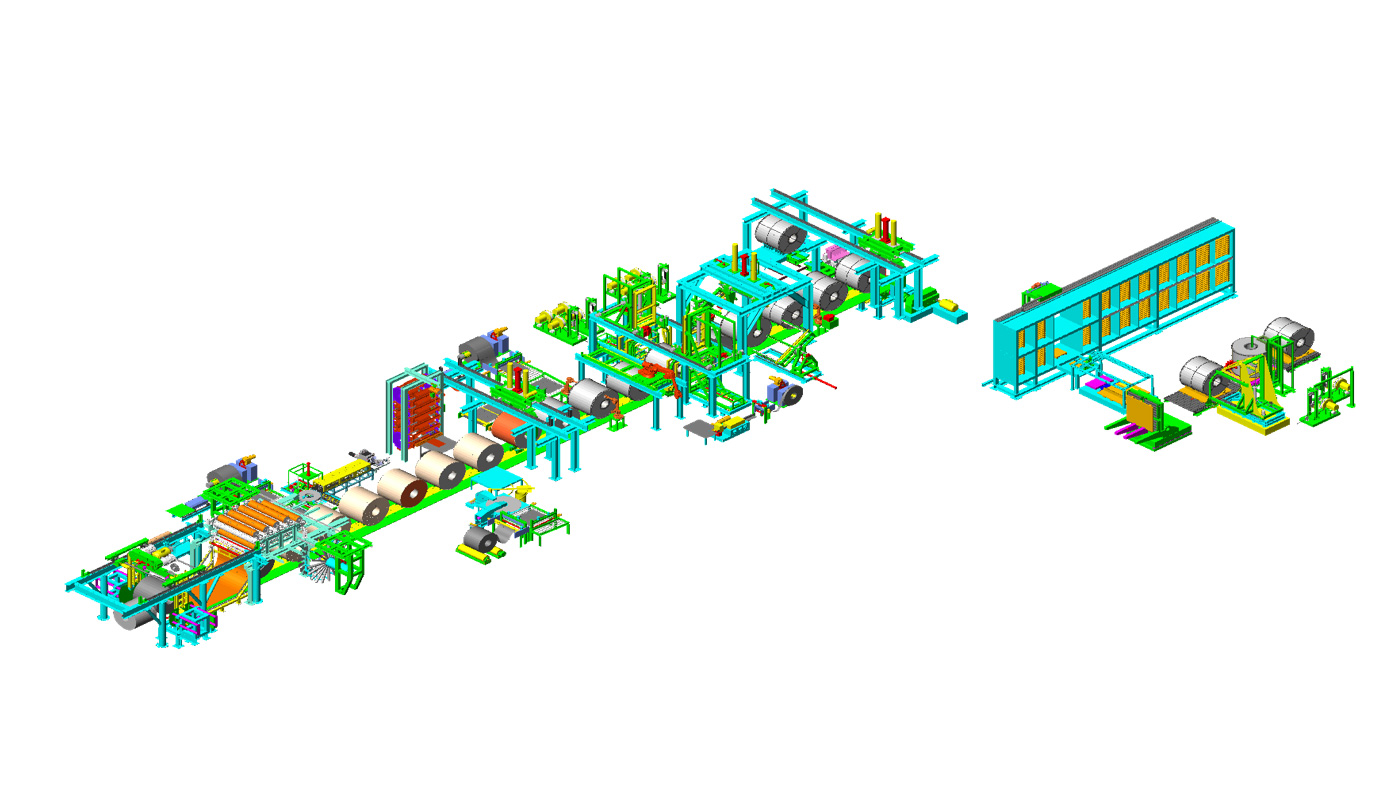
Early in my career, I saw many factories make mistakes with consumables. They tried to save money by buying cheap, low-quality strap. This always cost more in the end. The strap broke often. It caused machine jams. This meant more downtime. It also meant damaged products. The main consumable is the strapping material. This is usually steel strap or PET strap. Steel strap is very strong. It works well for heavy steel coils. But it is also more expensive. PET strap is lighter and flexible. It can also be very strong. It costs less than steel strap. You need to choose based on your product weight and transport needs. You also need seals for the strap. These can be metal clips or heat seals. The cost per meter of strap is a big factor. So is the cost of seals. Think about how much strap you use per coil. Then multiply that by your daily production. This gives you your daily consumable cost. Also, consider waste. A good machine reduces strap waste. It cuts the strap precisely. This saves you money over time. You can also buy strap in bulk. This often lowers the unit price. Work with suppliers who offer good quality. They also need to offer fair prices. Do not just look at the upfront cost. Look at the total value. A strong, reliable strap protects your product better. This reduces customer complaints. It also saves you money from damaged goods.
What Are the Maintenance Costs for a Coil Strapping Machine?
Machines break. This is a fact of factory life. But how much does it truly cost you? It is not just the repair bill. It is also the lost production time. This downtime can be very expensive. You need to plan for maintenance. This keeps your machine running.
Maintenance costs for coil strapping machines include parts replacement, labor for repairs, and preventative schedules. Regular care minimizes downtime and extends machine life. Ignoring small issues leads to bigger, more expensive problems later.

My own factory learned this the hard way. We sometimes ignored small issues. A small delay became a full stop. This cost us thousands. Preventative maintenance is key for any machine. For a coil strapping machine, this means regular checks. You need to clean it daily. You also need to lubricate moving parts. This is often weekly or monthly. Some parts wear out over time. These include tensioning wheels, cutter blades, and various rollers. You need to replace these parts. Keep a stock of common spare parts. This helps you fix problems fast. You do not have to wait for delivery. This saves you downtime. Labor costs for repairs are also a factor. Do you have in-house technicians? Or do you rely on external services? Both have different costs. Good training for your team helps. They can spot problems early. They can also do basic repairs. This keeps your machine running smoothly. Downtime is the biggest hidden cost of poor maintenance. Every minute your strapping machine is down, your production line stops. This affects your delivery times. It also affects your profits. A good maintenance plan is an investment. It protects your machine. It also protects your production schedule. Make sure you use genuine parts. These often last longer. They also fit better. This prevents more damage. A machine kept in good shape lasts many years. It gives you good value.
What About Hidden Costs and Your ROI?
You think you know your costs. But what about the invisible ones? These can quietly eat into your profits. They might not show up on a simple invoice. Yet, they are very real. They affect your bottom line. You need to uncover them.
Beyond direct energy, consumables, and maintenance, hidden costs like labor for manual processes, product damage, and safety incidents significantly impact your overall cost model. Automation provides clear ROI by addressing these issues and boosting overall factory performance.

When I help clients, like Michael, I always push them to look deeper. The true cost of their current system is often much higher than they think. First, consider labor for manual processes. If you still have workers manually strapping coils, that is a direct labor cost. These workers are also at risk. Manual handling of heavy steel coils is dangerous. It leads to injuries. These injuries mean higher insurance costs. They also lead to lost workdays. This affects productivity. It can also increase employee turnover. An automated machine significantly reduces these risks. It minimizes the need for human interaction with heavy loads. This makes your workplace safer. It also lowers your injury-related expenses. Another huge hidden cost is product damage. Michael mentioned his coils often get damaged during transfer and packing. This means customer complaints. It also means financial loss from rejected products. An automated coil strapping machine handles coils gently. It straps them securely. This protects the edges. It prevents scratches or dents. This reduces product loss. It also improves customer satisfaction. The efficiency bottleneck is also a hidden cost. Slow manual strapping limits your overall production. An automated machine speeds up this process. It helps you process more coils faster. This improves your overall throughput. It allows you to meet delivery deadlines. It also takes on more orders. The return on investment (ROI) for an automated machine is clear. You save on labor. You reduce injuries. You cut down on product damage. You increase your production speed. These savings add up very quickly. I have helped many clients see how investing upfront in the right machine saves them millions over time. It is about understanding the full picture. It is about seeing the total cost of ownership. It is not just about the purchase price.
My Insights!
After years in this industry, I have seen it all. I have built a successful packing machine factory. I have also helped many clients grow their businesses. I learned what works and what does not. This is why I started FHOPEPACK. I want to share this knowledge. I want to help others succeed.
My experience shows that the best coil strapping machine investments come from understanding your specific factory needs, partnering with knowledgeable suppliers, and focusing on long-term value over initial price. This holistic view drives real growth. Do not just buy a machine; find a true partner.
When I started FHOPEPACK, my goal was always more than just selling machines. It was about solving real problems. It was about becoming a partner. Michael’s challenges are common. Many factory managers face them. They need efficiency. They need safety. They need lower costs. But they also need a supplier they can trust. They have been burned before by companies that just want a sale. They want someone who understands their pain points. They want someone who offers real solutions. That is what FHOPEPACK offers. We do not just sell machines. We listen. We understand your production bottlenecks. We look at your safety concerns. We consider your unique efficiency challenges. We then provide expert insights. We offer reliable solutions tailored to your needs. This means looking at your specific coils. We look at your production volume. We look at your existing layout. We suggest the right machine. We also talk about the right strapping material. We talk about maintenance plans. We help you calculate the ROI. We ensure your investment truly solves your problems. We help your business grow. We stand by our machines. We provide strong after-sales support. This builds trust. This is the difference between a vendor and a partner. I believe in giving back. I want you to succeed. My journey in the packing machine industry has been rewarding. Now, I want to share that experience with you.
Conclusion
Investing in a coil strapping machine means looking at energy, consumables, and maintenance. It also means seeing hidden costs. Partnering with experts provides a clear cost model and real ROI.








