
Is Your Steel Coil Strapping Machine Causing Downtime in Your Monterrey & Mexico Plants?
You are running a busy metal processing plant in Monterrey or elsewhere in Mexico. You feel the constant pressure to boost output, control costs, and keep everyone safe. Maybe your current coil strapping process relies too much on people. This slows things down. It also puts your team at risk. This is a common problem I see in factories like yours. It causes real headaches for managers.
A good steel coil strapping machine can cut downtime by automating heavy, slow, and risky manual processes. This increases production speed, reduces labor needs, and significantly improves worker safety in busy plants, like those in Monterrey and Mexico.
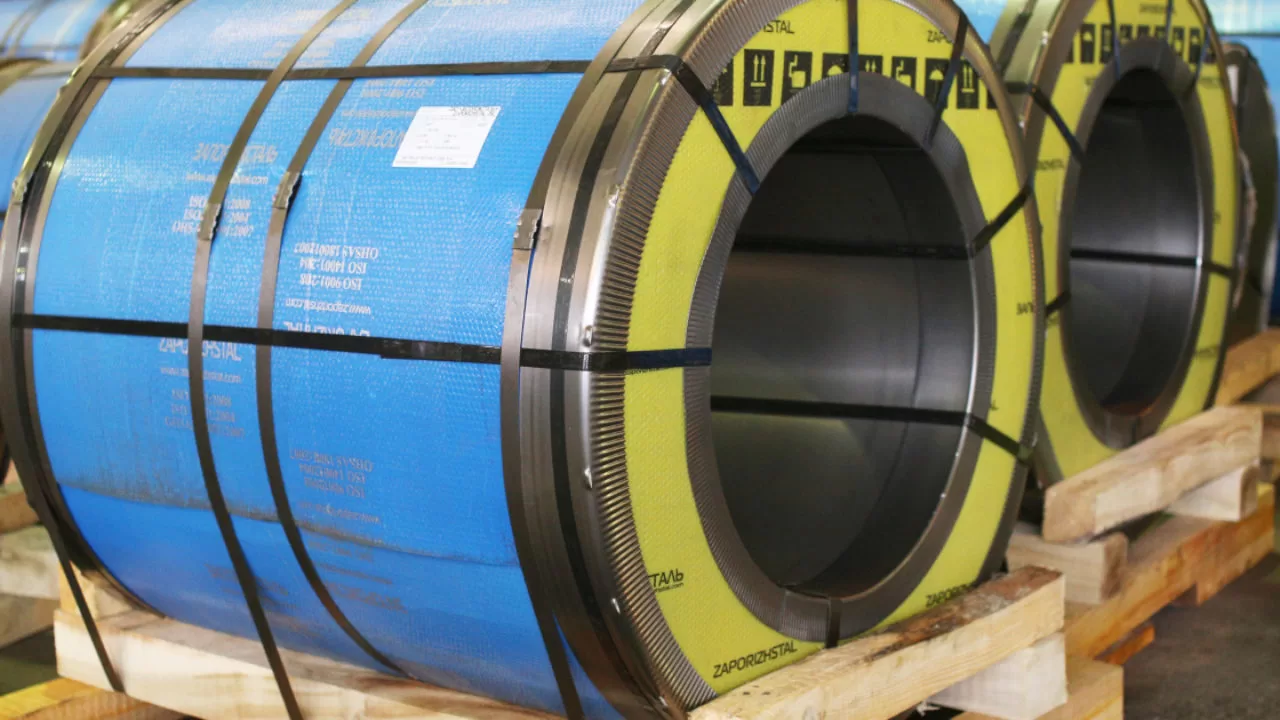
You are not alone if these issues sound familiar. Many factory managers face the same struggles. The good news is there is a better way. Let me share some insights from my journey. I built my own packing machine factory. I saw firsthand how the right equipment changes everything. It changes output. It changes safety. It changes your bottom line. Keep reading to see how.
Is Your Manual Coil Strapping Process Holding Back Your Factory’s Output?
Do you feel like your packing line is always playing catch-up? You push materials through production, but then the final packing slows everything down. This bottleneck affects your whole operation. It means you ship less. It means you miss delivery times. This can harm your business.
Manual steel coil strapping often creates a severe bottleneck at the end of the production line. This is because it is slow and needs many workers. Automating this process with a machine frees up labor and significantly increases overall production speed, solving efficiency issues for busy factories.

When I first started in the packing machine industry, I saw many factories struggle with this. They invested heavily in their main production lines. But they overlooked the packing stage. This was a big mistake. The packing process became the slowest part. It capped how much they could actually produce. It did not matter how fast the machines before it ran. If the final step was slow, the whole factory was slow. This means lost money. This means unhappy customers.
Factories in places like Monterrey often deal with high volumes. They handle heavy products like steel coils. Manual strapping is just not efficient for this kind of work. It needs a lot of people. Each person works at a certain speed. This speed is much slower than a machine. A machine works tirelessly. It works at a consistent speed. This makes a big difference over a full day. It makes an even bigger difference over a full month. Think about the effect on your total output.
Let’s look at why manual strapping creates such a big problem.
Why Manual Strapping is an Efficiency Drain:
- Inconsistent Speed: People tire. They take breaks. Their speed changes throughout the day. A machine works at the same fast pace from start to finish. This means predictable output.
- Labor Intensive: You need many workers to strap heavy coils by hand. This increases labor costs. It also means you have less staff available for other important tasks. You might even struggle to find enough reliable workers.
- Space Requirements: Manual processes often need more floor space. Workers need room to move around the coils. They need room to use their tools. An automated machine uses a fixed, smaller footprint. This frees up valuable factory space.
- Risk of Bottlenecks: When demand increases, manual strapping cannot easily scale up. You cannot just add more people instantly. Even if you could, it would be very expensive. An automated machine can often handle higher volumes with just minor adjustments.
| Factor | Manual Strapping | Automated Strapping Machine |
|---|---|---|
| Speed | Slow, inconsistent | Fast, consistent |
| Labor Needs | High, many workers | Low, few operators |
| Cost | High labor costs | Higher initial investment, lower operating costs |
| Scalability | Difficult to scale up | Easy to handle higher volumes |
| Output | Limited by human speed | Much higher, machine-driven |
| Space | More floor space needed | Compact, fixed footprint |
Investing in automation is not just about buying a machine. It is about removing a major barrier. It is about letting your factory run at its full potential. This is how you truly boost production numbers. This is how you meet tight deadlines. This is how you gain an edge in a competitive market. It is a smart move for any plant manager aiming for higher efficiency.
Are Your Workers at Risk from Heavy Manual Coil Handling?
Every day, your team handles heavy steel coils. This work is dangerous. Lifting and moving these heavy items by hand or with basic tools causes many injuries. Workers can strain their backs. They can crush their fingers. They can suffer other serious accidents. These incidents are not just bad for your employees. They are bad for your business.
Manual handling of heavy steel coils poses significant safety risks, leading to worker injuries, high insurance costs, and employee turnover. An automated steel coil strapping machine greatly reduces the need for human intervention, improving worker safety by eliminating manual lifting, turning, and positioning of heavy loads.

When I was building my own factory, worker safety was always a top priority for me. I saw firsthand how a single accident could impact a whole team. It is not just the immediate cost of medical care. It is also the lost work time. It is the impact on team morale. It is the risk of higher insurance premiums. A safe workplace is a productive workplace. This is a lesson I learned early on. I made sure to invest in solutions that protected my workers.
In metal processing plants, especially in Mexico, the sheer weight of steel coils makes them a major safety concern. Imagine a worker trying to flip a heavy coil or manually thread a strap underneath it. Even with a forklift, a worker might have to be too close to the moving load. This creates a high-risk situation. These risks add up over time. They lead to chronic injuries. They also lead to sudden accidents.
Reducing direct human contact with heavy loads is critical. An automated strapping machine does the heavy lifting. It does the precise positioning. It does the secure strapping. This means your workers can operate the machine from a safe distance. They are not in the path of moving parts or falling loads. This shift protects them directly. It also lowers the overall risk profile of your plant.
Let us look closer at the dangers and the solutions.
The Dangers of Manual Coil Handling:
- Ergonomic Injuries: Repeated lifting, bending, and awkward postures lead to back pain, shoulder injuries, and carpal tunnel syndrome. These are long-term problems. They can force skilled workers to take time off or even leave their jobs.
- Crush Injuries: Heavy coils can shift or fall. Workers can get caught between a coil and a hard surface. This can cause severe crush injuries to limbs or other body parts.
- Strains and Sprains: Even without a full accident, the effort of manipulating heavy items can cause muscle strains and ligament sprains. These are common and painful. They reduce a worker’s ability to perform tasks.
- Falling Objects: Strapping materials, tools, or even the coil itself can fall during manual operations. This creates a hazard for anyone nearby.
- Fatigue-Related Accidents: When workers get tired, their attention drops. They make mistakes. This increases the chance of an accident. Automated systems do not get tired.
An automated strapping solution is more than just an efficiency upgrade. It is a crucial investment in your workers’ well-being. It sends a clear message to your team: “Your safety matters.” This boosts morale. It also helps you keep skilled employees. Fewer injuries mean lower insurance costs. Fewer injuries mean less worker turnover. This makes your plant more stable. It makes it more profitable. This is how you build a truly sustainable operation.
Is Product Damage Eating Into Your Steel Coil Profits?
You work hard to produce high-quality steel coils. But then, during internal transport or final packing, the product gets damaged. Edges get bent. Surfaces get scratched. This means customer complaints. It means rejected shipments. Most importantly, it means lost profit. This is a frustrating problem. It undoes all the good work done earlier in the production process.
Product damage, especially to steel coil edges, often happens during manual handling and strapping processes. An automatic steel coil strapping machine protects product integrity by providing precise, consistent, and gentle handling. This reduces damage during internal transfer and final packaging, cutting losses and improving customer satisfaction.
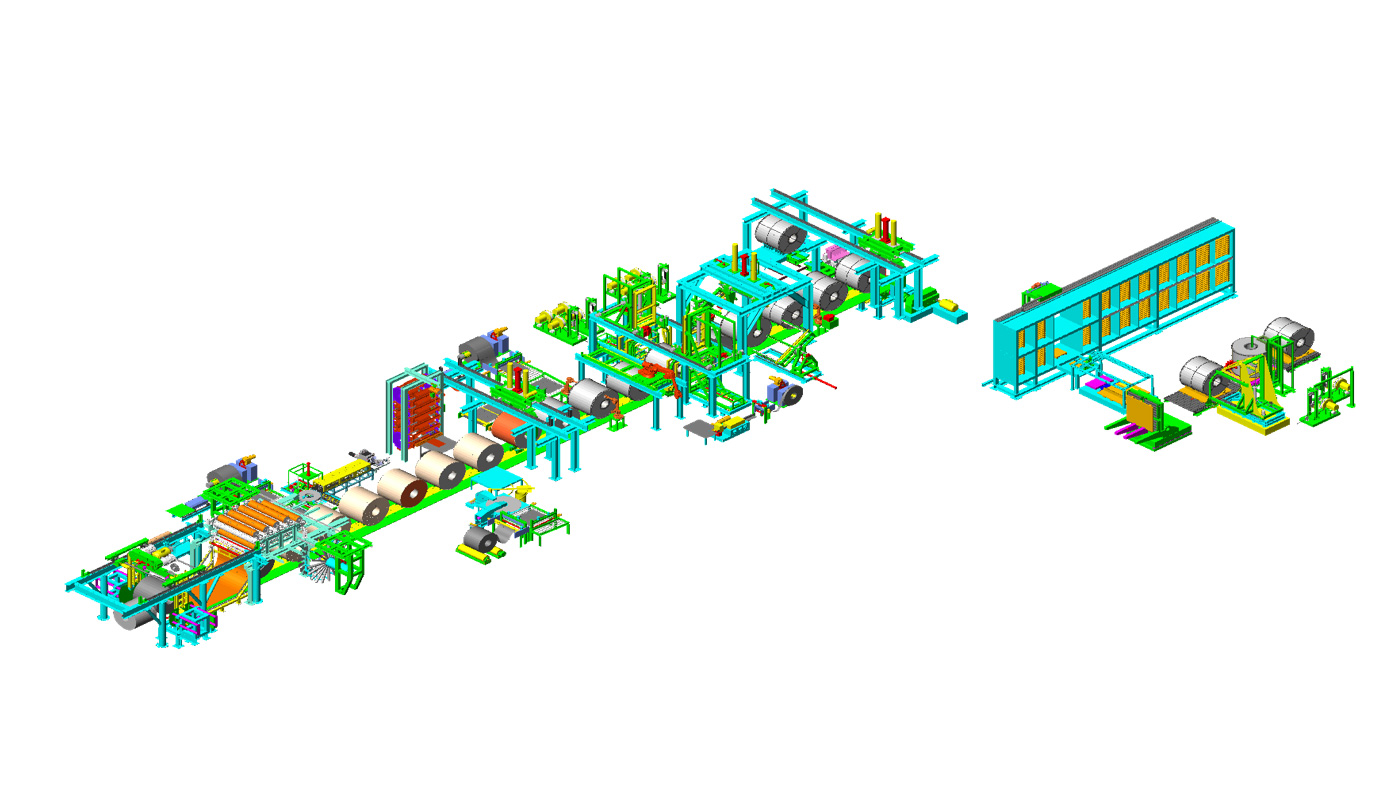
I remember one client early in my career. They were making perfect steel coils. But they kept getting complaints. Their customers were finding damaged edges. The client was losing money on every damaged coil. We investigated the problem together. We found the damage was happening right at the end. It was during the manual strapping process. Workers were bumping the coils. Straps were not applied with even tension. This was a critical point. It was where good product turned into scrap. This is why paying attention to the final steps is so important.
Steel coils are heavy and strong. But their edges can be surprisingly delicate. They need careful handling. Manual methods often lack the precision needed. A worker might accidentally bump a coil with a forklift during positioning. Or they might drop it slightly while adjusting it. Straps applied by hand can also be inconsistent. Some might be too loose. Some might be too tight. This allows movement during transit. This can cause more damage.
An automated strapping machine uses exact movements. It positions coils gently. It applies straps with consistent, controlled tension. This holds the coil securely. It prevents movement. It protects the edges and surfaces. This means your high-quality product reaches your customer in perfect condition. This reduces returns. It reduces reworks. It protects your reputation.
Let’s break down how an automated system stops damage.
How Automation Prevents Product Damage:
- Precision Handling: Automated systems use conveyors and robotic arms. These move coils smoothly. They place coils exactly where they need to be. This eliminates the jerking and bumping common with manual forklift operations.
- Controlled Strapping Tension: Machines apply straps with precise, adjustable tension. This ensures the coil is held firmly. It is not too tight to cause deformation. It is not too loose to allow shifting.
- Reduced Human Error: Humans make mistakes. They get tired. They can be distracted. Machines follow programmed routines perfectly every time. This removes the risk of accidental damage caused by human error.
- Minimized Contact Points: The machine designs minimize how many points touch the coil. This reduces the chances of scratches or dents.
- Secure Packaging: The consistent, strong strapping means the coil is more secure for transport. It is less likely to move inside the truck or container. This prevents damage on the way to the customer.
| Damage Type | Manual Handling Cause | Automated Solution Prevention |
|---|---|---|
| Edge Dents | Accidental bumps by forklifts | Precise machine positioning |
| Surface Scratches | Rough handling, dragging | Smooth conveyor movement |
| Loose Straps | Inconsistent manual tension | Controlled, even tension application |
| Coil Shifting | Poorly secured packaging | Secure, tight strapping |
| Drops | Human error during lifting | Robotic precision lifting |
Protecting your product means protecting your profits. Every damaged coil is money lost. It also hurts your relationship with customers. Investing in a machine that handles your product with care is not an expense. It is an investment in your product’s quality. It is an investment in your company’s good name. This builds trust with your clients. It leads to more repeat business.
Can You Really Trust a New Partner for Your Packing Automation Needs?
You have tried other equipment suppliers before. Some were great at selling. But their after-sales service was missing. You found yourself with new machines but no real support. This experience makes you careful. You need a partner who truly understands your factory’s needs. You need someone who will stand by their product. You need more than just a vendor.
Finding a trustworthy partner for packing automation is critical. Look for a supplier with deep industry experience, a proven track record of successful factory operations, and a clear commitment to long-term support. A reliable partner like FHOPEPACK, led by an engineer who built a factory, offers insights and solutions that go beyond just selling a machine, ensuring your investment truly solves your challenges.

This is where my own story comes in. I started as an employee in a packing machine factory. I learned the business from the ground up. Later, I built my own successful packing machine factory. This was not easy. It took hard work. It took understanding every part of the operation. I learned what makes a machine reliable. I learned what makes a factory run well. My journey in the packing machine industry helped me achieve financial independence. I also helped many clients grow their businesses. I am now dedicated to giving back. I share my expertise. I help others succeed in this field.
This background makes FHOPEPACK different. We do not just sell machines. We understand the challenges you face. We know about production bottlenecks. We know about safety issues. We know about efficiency problems. This is because I lived them. I solved them in my own factory. I solved them for my clients. We offer insights and solutions. These come from real-world experience. They do not just come from a sales brochure.
When you look for a partner, ask yourself a few questions. Do they understand your specific operations in Mexico? Do they know about the heavy demands of a steel processing plant? Do they have a history of helping businesses like yours truly grow? A good partner will ask you many questions. They will listen to your problems. They will not just try to sell you the most expensive machine. They will offer a solution that fits your needs and budget. It should give you a clear return on your investment.
Here is what to look for in a true partner.
Key Traits of a Trustworthy Automation Partner:
- Deep Industry Experience: Look for a partner who has been in the industry for a long time. Someone who understands the nuances of heavy manufacturing. This means they know your unique pain points. They have seen problems like yours before.
- Operational Background: A partner who has run their own factory understands your daily pressures. They know about uptime, maintenance, and ROI. This is very different from someone who just sells. My experience building and running a factory gives me this unique perspective.
- Focus on Solutions, Not Just Sales: A good partner identifies your core problem. Then they offer a specific solution. They do not push a generic product. They help you calculate the return on investment (ROI). They show you how the machine will save you money.
- Strong After-Sales Support: This is critical. You need quick help if a machine breaks down. You need parts. You need technical advice. Ask about their support system. How fast do they respond? Do they have local support or easily accessible online resources?
- Client Success Stories: Ask for references. Talk to other factory managers who have worked with them. Did the partner deliver what they promised? Did the machines improve their operations?
| Trait | What it means for you |
|---|---|
| Experience | They understand your specific factory problems. |
| Operational Insight | They know what it takes to run a factory efficiently. |
| Solution-Oriented | They solve your problems, not just sell products. |
| Reliable Support | Your machines will keep running smoothly. |
| Proven Track Record | Others have succeeded with their help. |
Choosing a packing automation partner is a big decision. It impacts your factory for years. Do not settle for just any vendor. Seek out someone with proven expertise. Seek out someone who genuinely wants to see your business succeed. This is the FHOPEPACK promise. This is what I believe in.
Conclusion
Automating your steel coil strapping can transform your Monterrey or Mexico plant. It boosts output, improves safety, cuts damage, and gives you a reliable partner. This is a smart investment for your future.








