
Door Packing Machine vs Manual Wrapping: Which One Saves More Labor Costs?
manual wrapping method. This old method creates a huge bottleneck in your factory. It slows down your entire production line. Your finished products wait too long for shipment.
A door packing machine saves much more labor costs than manual wrapping. It does the work faster and uses fewer people. This makes your factory more efficient. It also cuts down on expenses related to workers and their safety.
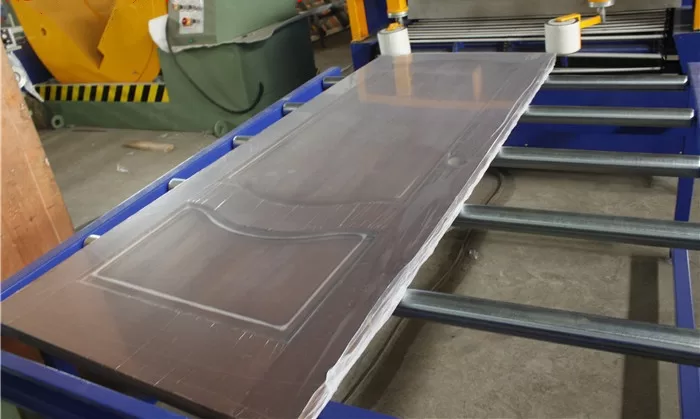
You might be wondering if a new machine is truly worth the investment. Many factory managers, like yourself, face these exact questions. Let’s dig deeper into the real costs and benefits. We will see how modern packing solutions can change your operations.
Why is Manual Wrapping a Costly Bottleneck?
Your factory faces constant pressure to increase output. You need to control costs. But your current packing process is holding you back. It relies on many people. This makes it slow and inefficient. This bottleneck impacts your whole production and delivery speed.
Manual wrapping methods are a major drain on your finances. They eat into your profits with high labor needs. Each person you employ for wrapping adds to your payroll. This includes wages, benefits, and insurance. The slow speed means products pile up. This delays shipments and upsets clients.
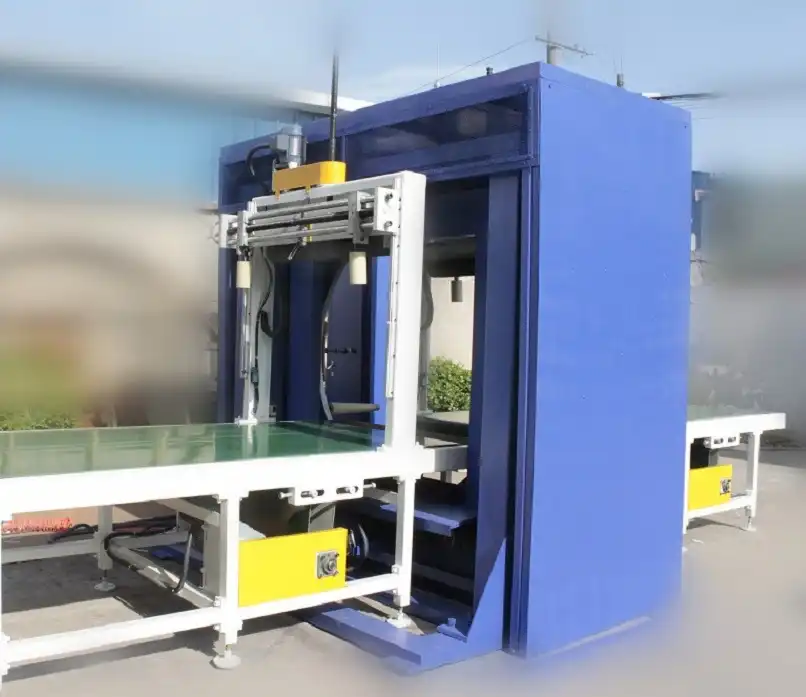
From my own journey in the packing machine industry, I have seen this problem many times. When I started my factory, I learned quickly that every wasted minute costs money. Manual processes seem cheap at first. They use existing workers. But their hidden costs are huge. These costs add up fast. They can easily outweigh any savings from not buying a machine.
Understanding the True Costs of Manual Labor
Many factory managers only look at direct wages. This is a mistake. There are many other costs tied to manual wrapping.
Wages and Overtime
- Hourly Pay: You pay workers by the hour. Wrapping heavy doors takes time. It often needs more than one person.
- Overtime: When orders pile up, your team works overtime. Overtime pay is higher. This increases your labor cost even more.
- Benefits: Each employee costs more than just their wage. You pay for health insurance. You pay for retirement plans. These are fixed costs for each worker.
Training and Turnover
- Initial Training: New workers need to learn the job. Training takes time and money.
- Retraining: If workers leave, you must train new ones. High turnover means repeating this process often. This cuts into your efficiency.
- Lost Productivity: New workers are slower. They make more mistakes. This affects your output. It can also lead to product damage.
Hidden Costs of Inefficiency
- Production Delays: Manual wrapping is slow. It creates a bottleneck at the end of your line. Products sit and wait. This delays shipments.
- Storage Costs: If products cannot ship fast, they need storage space. This adds to your factory overhead.
- Lost Sales: Delayed shipments can lead to unhappy customers. They might go to your competitors. This means lost revenue for your business.
Let us look at a simple comparison:
| Factor | Manual Wrapping | Automated Door Packing Machine |
|---|---|---|
| Labor Needs | High (multiple workers needed per shift) | Low (one operator or less per shift) |
| Speed | Slow, inconsistent, dependent on worker skill | Fast, consistent, high output rate |
| Accuracy | Varies, prone to human error | High, precise, repeatable results |
| Training Cost | High, ongoing for new hires | Low, one-time for machine operators |
| Overtime | Frequent, high cost | Rare, machine can run extended hours without extra pay |
| Safety Risks | High (injuries, strain) | Low (reduced manual handling) |
| Product Damage | Moderate to High | Low, consistent wrap protects product |
This table shows a clear picture. Manual wrapping has many hidden costs. These costs truly impact your bottom line. They make it hard to reach your production goals. Investing in automation seems like a big step. But it often brings much clearer cost savings over time. It makes your operations smoother and safer.
How Does a Door Packing Machine Improve Safety and Reduce Risk?
Your workers often handle heavy products like doors or steel coils. They lift them. They flip them. This work is dangerous. It leads to many injuries. This means high insurance costs for your factory. It also causes workers to leave. You need a way to reduce these risks.
An automated door packing machine greatly improves worker safety. It removes the need for people to manually lift or move heavy items. The machine does the hard work. This cuts down on the risk of injuries. Less risk means fewer accidents. It also means lower insurance costs and happier workers.
I have always believed in protecting my team. As a factory owner, I saw firsthand the dangers workers faced. Manual handling of heavy goods led to back injuries and sprains. These were not just numbers on a report. They were real people. They were my team members. Each injury meant a worker was out of commission. It meant lost productivity. It meant higher medical bills and insurance premiums. It also created a feeling of unease among other workers. They feared getting hurt too. This is why safety was always a top priority for me. Automated machines are a big step in the right direction for worker safety. They make the workplace much safer.
Minimizing Physical Strain and Accidents
A door packing machine takes over the most dangerous parts of the packing process.
Reducing Manual Lifting and Carrying
- Heavy Loads: Doors are heavy. Moving them by hand causes strain. It can lead to severe back injuries.
- Repetitive Motions: Wrapping by hand involves repetitive bending and twisting. This leads to carpal tunnel syndrome and other chronic issues.
- Machine Does the Work: An automatic machine loads the door. It wraps it. It unloads it. Workers only supervise. They do not lift heavy objects. This cuts down almost all physical strain.
Preventing Accidents
- Falling Objects: Manual handling increases the risk of dropping heavy items. This can injure workers’ feet or cause other serious harm.
- Crushing Hazards: Moving doors with forklifts near manual workers creates crushing hazards.
- Controlled Environment: An automated machine operates in a controlled space. It has safety sensors. It has emergency stop buttons. This design prevents accidents. It protects workers who are nearby.
Impact on Insurance Costs and Morale
- Lower Insurance Premiums: Fewer workplace injuries mean fewer claims. This makes your factory a lower risk for insurance companies. Your premiums can go down.
- Reduced Lost Workdays: Injured workers cannot work. This leads to lost production days. A safer workplace means fewer lost days. This helps your overall output.
- Improved Employee Morale: Workers feel safer at work. They know you care about their well-being. This boosts morale. Happy workers are more productive. They are more likely to stay with your company. This reduces your turnover rates. It also builds a loyal team.
Example of Safety Benefits
| Safety Aspect | Manual Wrapping | Automated Door Packing Machine |
|---|---|---|
| Ergonomics | Poor, high risk of musculoskeletal disorders | Excellent, minimal physical exertion for workers |
| Injury Rate | High (strains, cuts, falls, crushing injuries) | Very low, primary risk is machine malfunction (rare) |
| Worker Fatigue | High, leading to increased error rate and risk | Low, workers monitor machine, reduced physical stress |
| Safety Training | Extensive, ongoing for manual handling techniques | Focused on machine operation and safety protocols |
| Insurance Cost | Higher due to increased claim frequency | Lower due to reduced accidents |
| Workplace Morale | Potentially lower due to perceived risks | Higher, as workers feel protected and valued |
The benefits go beyond direct cost savings. A safer workplace protects your most valuable asset: your people. It creates a better working environment. This leads to a more stable and productive workforce. It builds trust, which is something you cannot put a price on.
Can Automated Packing Machines Truly Deliver a Strong ROI?
You need to justify any new equipment purchase. You want to see a clear return on investment (ROI). You worry about product damage during transport. This leads to customer complaints and lost profits. You need a solution that truly cuts costs and increases efficiency.
An automated door packing machine offers a strong ROI. It lowers labor costs. It reduces product damage. It speeds up your entire packing process. This means more output and happier customers. These savings and gains quickly add up to a clear financial benefit for your factory.

When I built my factory, every investment had to make sense. I analyzed every machine purchase. It was not about buying the newest toy. It was about solving real problems and getting a return. I saw many factories struggling with damaged goods. Especially with items like steel coils or heavy doors. Manual handling during internal transport and packing often led to dents or scratches. These small damages meant big problems. They led to customer returns. They led to angry phone calls. And they hurt our reputation. I realized that a machine that could prevent these damages would pay for itself. It would do this by saving money on repairs and lost sales. It would also keep our customers happy.
Achieving Cost Reductions and Efficiency Gains
The financial benefits of an automated packing machine are clear and measurable.
Reducing Labor Costs
- Fewer Workers: A machine can do the work of several people. You can reassign workers to other parts of the factory. You might even reduce your total headcount over time.
- Reduced Overtime: Machines can run for long shifts without getting tired. This means less need for costly overtime pay. Your production keeps moving forward without extra expense.
- Consistent Output: Machines work at a steady pace. They do not get sick or take breaks. This ensures consistent output. This helps you plan production better.
Minimizing Product Damage
- Precise Wrapping: Automated machines apply consistent tension and overlap. They wrap doors tightly and evenly. This protects edges and surfaces from damage during handling and shipping.
- Reduced Manual Handling: Less human contact means less chance of accidental drops or scrapes. Products move smoothly through the machine.
- Fewer Customer Complaints: Damaged products lead to complaints. They can mean refunds or re-shipments. This costs you money and harms your brand. A well-protected product means fewer complaints. This saves you money and keeps your reputation strong.
Speeding Up Production
- Faster Cycle Times: Machines wrap much faster than people. A door that took minutes to wrap by hand can be done in seconds by a machine.
- Higher Throughput: This increased speed at the end of the line means you can process more products each day. This boosts your overall factory output.
- Quicker Deliveries: Getting products packed faster means they can ship sooner. This improves your delivery times. It also makes your customers happier.
Let us look at how the ROI builds up:
| ROI Factor | Impact on Costs/Revenue |
|---|---|
| Labor Savings | Direct reduction in payroll, overtime, and benefits. |
| Damage Reduction | Fewer returns, re-ships, and material waste. Protects profit margins. |
| Increased Throughput | Ability to produce and ship more products, boosting revenue potential. |
| Improved Safety | Lower insurance premiums, fewer worker compensation claims. |
| Enhanced Quality | Consistent packaging, higher customer satisfaction, stronger brand. |
| Faster Delivery | Competitive advantage, better customer retention. |
The investment in a door packing machine is not just an expense. It is a strategic move. It is a move that brings clear, measurable financial returns. It makes your operations leaner and more competitive. It helps your business grow.
How to Choose the Right Partner and Avoid Trust Issues?
You have dealt with equipment suppliers before. Some only cared about selling a machine. Their after-sales service was poor. This makes you cautious about choosing a new partner. You need someone who truly understands your factory’s needs.
Finding the right supplier is like finding a true business partner. You need someone with deep industry knowledge. They should understand your production bottlenecks. They should know your safety issues. They should offer solid solutions. They should also provide great service after the sale. This builds trust for the long term.
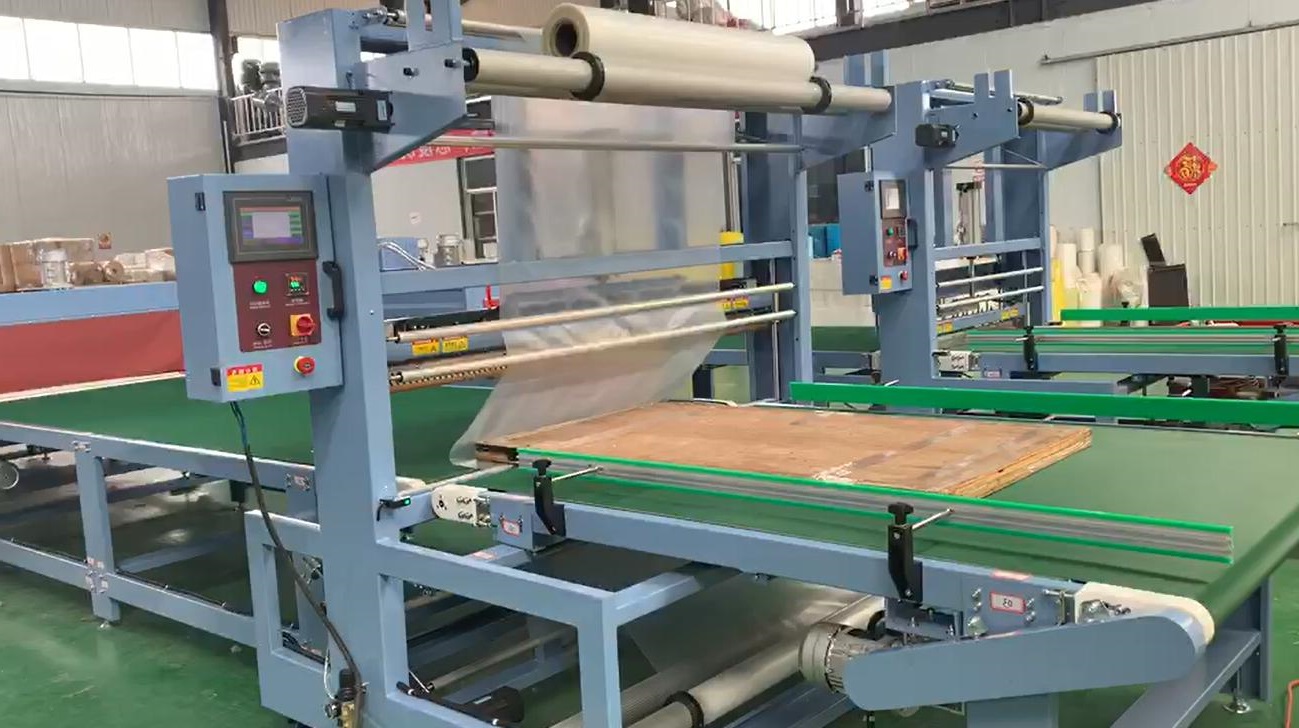
In my years in the packing machine industry, both as an employee and a factory owner, I have met many suppliers. Some were excellent. Others were only focused on the quick sale. I recall times when a machine would break down. The supplier would be slow to respond. Or they would charge high fees for simple fixes. This kind of experience teaches you a lot. It taught me that a good machine is only half the solution. The other half is the support system behind it. This is why I always aimed to be the kind of partner I wished I had. I understand that you are not just buying a machine. You are investing in a relationship. You are seeking an expert who can guide you. They need to help you grow your business.
Seeking Expertise and Reliable Support
Choosing a supplier goes beyond checking a price tag. It means looking for a long-term relationship.
Industry Expertise
- Deep Understanding: Look for a supplier who knows your industry. They should understand the unique challenges of metal processing. They should know about packing heavy goods like doors.
- Problem-Solving Focus: A good partner identifies your specific pain points. They do not just offer a generic product. They suggest solutions tailored to your bottleneck. They address your safety concerns.
- Experience: A supplier with a long track record means they have seen many problems. They have solved them. This experience is valuable for your factory.
After-Sales Service and Support
- Responsive Team: When a machine stops, you need help fast. Ask about their service response times. How quickly do they send technicians?
- Parts Availability: Machine parts wear out. You need a supplier who keeps spare parts in stock. This ensures quick repairs. It minimizes downtime.
- Technical Support: Can you call them with questions? Do they offer remote troubleshooting? Good technical support saves you time and frustration.
- Training: Do they train your staff properly on how to use and maintain the machine? Good training makes your team self-sufficient.
Building Trust
- Transparent Communication: A reliable partner communicates clearly. They set realistic expectations. They inform you about any issues.
- Proven Track Record: Ask for references. Talk to their existing clients. See if they deliver on their promises.
- Partnership Approach: The best suppliers see themselves as part of your team. They want your factory to succeed. They offer advice even after the sale. They help you get the most out of your investment.
Evaluating Potential Partners
| Factor | Less Reliable Supplier | Trusted Partner (like FHOPEPACK) |
|---|---|---|
| Focus | Sales volume, quick transactions | Long-term relationships, client success |
| Understanding | Generic product knowledge | Deep industry expertise, understanding of specific challenges |
| Solutions | Off-the-shelf, one-size-fits-all | Tailored, problem-specific recommendations |
| After-Sales | Slow, inconsistent, high cost for service/parts | Fast, responsive, readily available parts, fair pricing |
| Support | Limited, basic troubleshooting | Comprehensive, includes training, proactive advice |
| Trust | Low, based on past negative experiences | High, built on consistent delivery and genuine care |
My experience has taught me that choosing a supplier wisely is key. It can make or break your investment. Look for a company that reflects the values of FHOPEPACK. We want to share knowledge. We want to help you succeed. We understand your challenges because we have faced them ourselves. This makes us more than just a supplier. We aim to be your trusted partner.
My Insights!
From my own journey, I learned that the packing line is not just an endpoint. It is a critical part of your production. When I ran my factory, I saw how much manual labor weighed us down. It was slow. It was costly. It was dangerous for my workers. I knew there had to be a better way. Investing in automation was a game changer for my business. It cut costs. It made my factory safer. It helped my clients grow too. I believe in giving back. That is why FHOPEPACK shares these insights. We want you to succeed. We understand your challenges. We have lived them. We offer solutions that work. This is based on real-world experience.
Conclusion
A door packing machine clearly beats manual wrapping for labor cost savings. It improves safety and boosts your factory’s profit. Choose a trusted partner for lasting success.








