
How a Door Packing Machine Supports Lean Manufacturing Goals?
Are you a factory manager in Mexico, like Michael, constantly battling production bottlenecks and safety hazards? Do you see valuable products, like steel coils or doors, getting damaged before they even leave your facility? Many operations managers feel this pressure. They know manual processes are slow and risky. They understand these issues hit their bottom line hard. The search for a better way, a more efficient, safer way, is constant.
A door packing machine directly supports lean manufacturing goals by eliminating waste. It speeds up the end-of-line process. It reduces manual labor and associated risks. It protects products from damage during transit. This leads to higher output, lower costs, and a safer workplace. It helps factories like Michael’s achieve their full potential.
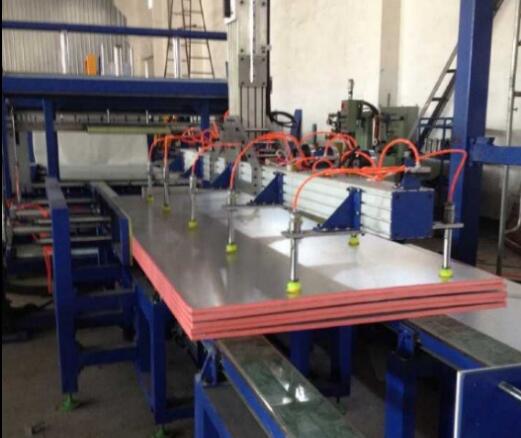
I have spent years in this industry, first as an engineer, then building my own successful packing machine factory. I have seen firsthand the challenges factory managers face every day. I also know the solutions. Let us dive deeper into how automated packing machines, specifically for doors, can transform your operations. We will look at how they solve real problems.
How Does Automation Solve Efficiency Bottlenecks?
Imagine your factory floor. You have production lines running smoothly, creating products like steel coils or doors. Then, everything slows down at the very end. This is the packing stage. Manual packing, with people moving heavy items, ties up your entire operation. It creates a bottleneck that limits your total output. This is a common scene, just like Michael faces in his metal processing plant.
Automation in packing eliminates these bottlenecks. It means machines do the heavy lifting and wrapping. This significantly increases speed and throughput. A door packing machine can process items much faster than human hands. This keeps your entire production line moving at its optimal pace.
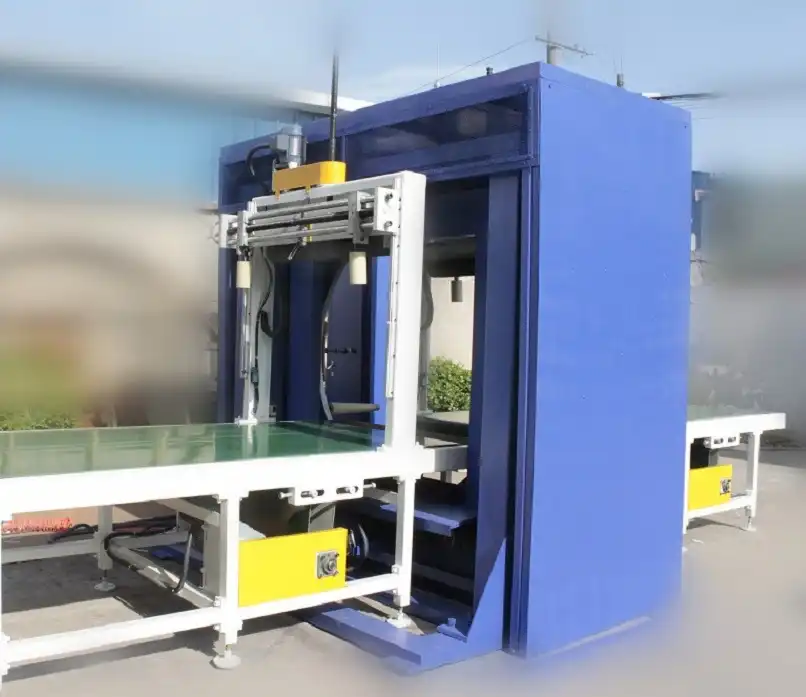
I remember one client who was struggling with slow packing. They made large, heavy components. Their entire production schedule was delayed because packing could not keep up. They used too many people for packing. This created high labor costs and slow speeds. When we introduced an automated wrapping solution, their packing time dropped by more than 60%. This was a game changer for them. For a factory manager like Michael, this speed is crucial. He wants to boost output and meet delivery targets. Manual coil and wire packing are slow. They seriously affect overall production.
Automated door packing machines bring several key benefits to efficiency:
Faster Cycle Times
Machines work faster than people. They do not get tired. They can run continuously. This means more products packed per hour. It directly translates to higher production volume. For example, a machine can wrap a door in minutes, while manual wrapping takes much longer.
Reduced Labor Dependency
Automation reduces the need for many workers on the packing line. This frees up staff for other tasks. It also lowers labor costs. Michael’s current process relies on too much manual effort. An automated system changes that completely.
Consistent Performance
Machines perform the same way every time. There is no variation due to human error or fatigue. This ensures consistent packing quality and speed. This predictability helps in planning and scheduling. It also improves overall process reliability.
Here is a simple comparison:
| Feature | Manual Packing | Automated Packing |
|---|---|---|
| Speed | Slow, limited by human pace | Fast, consistent, high throughput |
| Labor | High labor costs, many workers needed | Low labor costs, fewer workers needed |
| Consistency | Varies with worker, prone to error | High, precise, repeatable |
| Bottleneck | Often creates end-of-line bottlenecks | Eliminates bottlenecks, smooth flow |
| Scalability | Hard to scale quickly | Easy to scale production volume |
This shift from manual to automated packing is not just an upgrade. It is a fundamental change in how a factory operates. It moves a factory closer to lean manufacturing principles by removing the waste of waiting time and over-processing. It lets companies like Michael’s in Mexico stay competitive in a demanding market. It directly addresses the “efficiency bottleneck” Michael faces.
Can Automated Packing Improve Workplace Safety?
Moving heavy items by hand is dangerous. In a factory, workers often lift and shift large, heavy products like steel coils, wire bundles, or doors. This leads to back injuries, crushed fingers, and other serious accidents. These incidents cause pain for workers and raise insurance costs for the company. Michael knows this well. He worries about high injury risks and rising insurance premiums.
Automated packing machines remove the need for manual handling of heavy items. They use conveyors, clamps, and wrapping arms to secure products. This significantly reduces the risk of worker injury. Workers operate the machines from a safe distance. This fundamentally improves workplace safety.
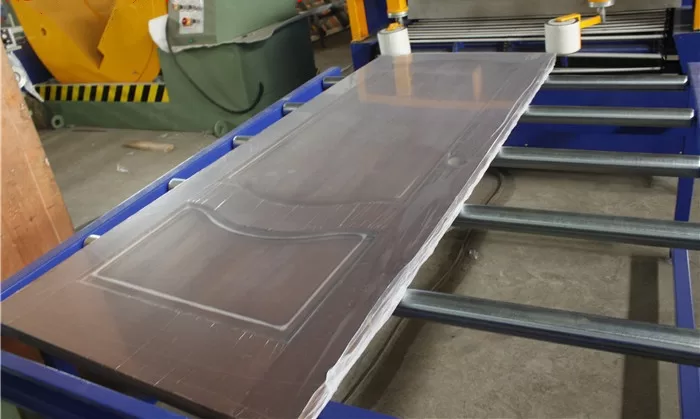
I recall a specific project where a factory had a terrible safety record. Workers were constantly getting injured trying to manually flip and wrap large metal sheets. The company faced huge workers’ compensation claims. Employee morale was low. When we installed a fully automated wrapping line, the change was dramatic. Within months, their injury rates dropped to almost zero for that section. The workers felt safer. The company saved a lot of money on claims. Michael’s factory deals with heavy metal products. Manual handling of these products carries extreme risks.
Automated door packing machines contribute to safety in several ways:
Reduced Manual Lifting and Handling
This is the biggest benefit. Workers do not need to lift or move heavy doors. Machines do this automatically. This removes the risk of strains, sprains, and crush injuries. It directly addresses Michael’s concern about high injury risk from moving heavy molds or flipping pallets.
Minimized Repetitive Strain Injuries (RSIs)
Manual packing often involves repetitive motions. These motions can lead to chronic injuries over time. Automation takes over these repetitive tasks. This protects workers from long-term health issues.
Safer Work Environment
Automated systems often include safety sensors and guards. These features stop the machine if a worker is too close or if there is an issue. This creates a much safer work zone around the packing area. It also makes the overall factory environment more secure.
Here is how automation improves safety:
| Safety Aspect | Manual Packing | Automated Packing |
|---|---|---|
| Physical Strain | High risk of back injuries, strains, sprains | Minimal, machines handle heavy loads |
| Accident Risk | High (crushing, falls, cuts) | Low, workers kept safe by machine operation |
| Insurance Costs | High due to frequent claims | Lower due to reduced injuries |
| Worker Retention | Can be low due to unsafe conditions | Higher, as workers feel safer and valued |
| Compliance | Hard to maintain safety standards consistently | Easier to meet and exceed safety regulations |
Implementing automated solutions is not just about efficiency. It is also about showing a commitment to worker well-being. This can boost employee morale and reduce turnover. For Michael, improving worker safety is a primary goal. It helps his company avoid the high costs and human toll of workplace accidents. This is an investment that pays off in many ways, both financially and ethically.
Does Investing in New Machines Reduce Product Damage?
leading paragraph: Think about valuable products moving through your factory. How often do they get dinged, scratched, or even bent during internal transport or packing? This damage leads to customer complaints. It results in returns. It means financial losses for your company. Michael experiences this with steel coil edges getting damaged. This affects his profit.
snippet paragraph:
Automated packing machines handle products with precision and consistency. They secure items tightly and uniformly. This prevents movement and rubbing during transit. It significantly reduces the chance of product damage. This keeps products in perfect condition from your factory floor to the customer’s door.

Dive deeper Paragraph: I remember a time when a furniture manufacturer faced constant issues with damaged doors. The corners were chipped. The surfaces were scratched during their internal transfers and final wrapping. They were losing a lot of money. They also got a lot of bad reviews. We helped them implement a door packing machine that applied stretch film consistently and tightly around each door. It also used corner protectors automatically. The damage rates dropped dramatically. Their customers were happier. Their profits went up. This shows how crucial proper packing is. Michael’s situation with steel coil edge damage is very similar.
Automated packing machines minimize product damage through several mechanisms:
Consistent and Secure Wrapping
Machines apply packing materials (like stretch film or bubble wrap) with uniform tension and coverage. This ensures the product is tightly secured. It prevents shifting or rubbing that causes damage. Manual wrapping can be inconsistent. It can leave loose spots.
Precise Handling
Automated systems use sensors and robotic arms for gentle handling. They pick up, move, and position products without impact. This contrasts with manual handling, where accidental drops or bumps are common, especially with heavy or awkward items.
Optimized Material Usage
Automated machines use the right amount of packing material. They apply it in the correct places. This provides optimal protection without waste. This means less material needed and better protection. It is a win-win situation.
Here is how automated packing reduces damage:
| Aspect | Manual Packing | Automated Packing |
|---|---|---|
| Handling | Prone to drops, bumps, inconsistent placement | Precise, gentle, consistent handling |
| Wrapping Quality | Varies, uneven tension, gaps | Uniform tension, full coverage, secure |
| Product Protection | Lower, higher risk of scratches, dents, chips | Higher, minimizes friction, impacts, movement |
| Customer Feedback | More complaints, returns | Fewer complaints, higher satisfaction |
| Cost of Damage | High (returns, re-work, lost sales) | Low (minimal damage, improved product integrity) |
Reducing product damage is not just about saving money on returns. It is also about maintaining your brand’s reputation. Happy customers come back. They also tell others about your quality. For Michael, addressing product loss is a clear goal. It is about boosting his factory’s overall profitability. Investing in the right packing equipment helps achieve this. It makes a direct, positive impact on customer satisfaction and your bottom line.
How Can You Trust a New Equipment Supplier?
leading paragraph: Finding a new equipment supplier can feel risky. You have probably dealt with companies that only care about the sale. Their service disappears after you pay. This leaves you alone with problems. Michael has faced this “supplier trust crisis.” He is very careful about choosing a new partner. He needs someone who understands his real-world challenges.
snippet paragraph:
You trust a supplier who has walked in your shoes. I started as an engineer. I worked in a packing machine factory. Then I built my own. FHOPEPACK’s mission is to share knowledge and provide solutions. We are not just selling machines. We offer expertise and support. We become a partner, not just a vendor.
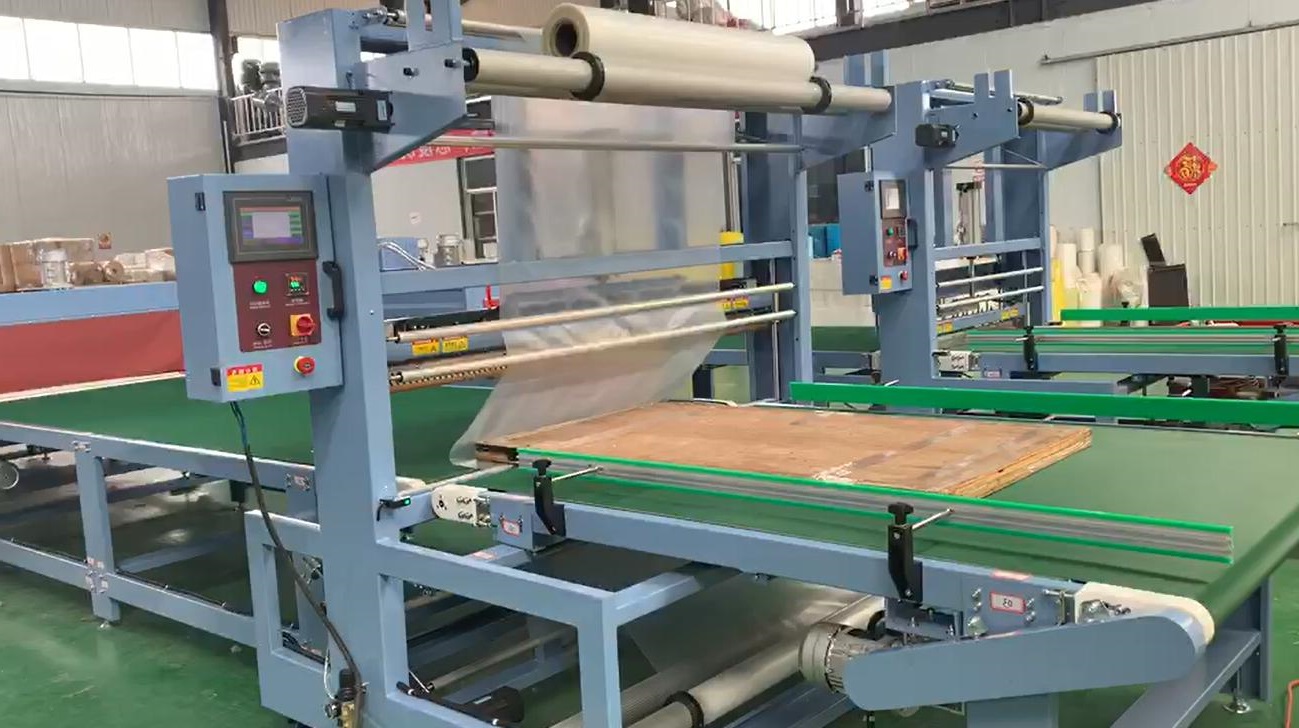
Dive deeper Paragraph: When I first started FHOPEPACK, my goal was clear. I wanted to build trust. I wanted to share what I learned from my own journey. I achieved financial independence through the packing machine industry. I helped many clients grow their businesses. Now I want to give back. Michael needs someone like this. He needs a supplier who understands production bottlenecks, safety issues, and efficiency problems. He wants professional insights. He wants reliable solutions.
Here is what sets a trustworthy supplier apart:
Deep Industry Experience
Look for a supplier whose team has practical experience. My background includes working on the factory floor and building a successful packing machine business. This means I understand your pain points. I know what works and what does not. This is different from a salesperson who only knows product specs.
Focus on Solutions, Not Just Sales
A good supplier listens to your problems. They then offer solutions tailored to your specific needs. They do not just push the most expensive machine. They focus on how their equipment can give you a clear Return on Investment (ROI). They want to solve your challenges. Michael wants to ensure his investment truly solves his problems. He also wants it to support his business growth.
Strong After-Sales Support
The relationship does not end after the sale. A reliable supplier provides excellent installation, training, and ongoing maintenance support. This ensures your machine runs smoothly for years. It prevents costly downtime. Michael experienced poor after-sales service before. FHOPEPACK commits to long-term partnership.
Here is what a true partner brings:
| Aspect | Sales-Oriented Supplier | Partnership-Oriented Supplier (FHOPEPACK) |
|---|---|---|
| Understanding | Limited, focuses on product features | Deep, understands your operational challenges |
| Approach | Sells product, moves on to next client | Solves problems, builds long-term relationship |
| Support | Poor or non-existent after sale | Comprehensive installation, training, maintenance |
| Value Proposition | Machine price | ROI, increased efficiency, safety, growth |
| Trust | Low, based on past negative experiences | High, built on expertise, reliability, shared goals |
For factory managers like Michael, choosing the right supplier is as important as choosing the right machine. You need an expert guide. You need someone who has been in the trenches. You need a partner who ensures your investment truly pays off. FHOPEPACK is here to be that partner. We help you navigate the complexities of automation and achieve your lean manufacturing goals.
Conclusion
A door packing machine solves key factory problems. It boosts efficiency. It improves safety. It cuts product damage. Partnering with FHOPEPACK means getting expert guidance and real solutions for growth.








