
Door Packing Automation: Is It the Key to Reducing Rework and Returns?
Have you ever looked at your production line and felt a knot in your stomach? You watch as valuable products move through, only to slow down or even get damaged right at the end, during packing. For many factory managers, the packing area is a bottleneck. It is where efficiency can plummet, and profits can slip away, especially with large, delicate items like doors.
Automated door packing is indeed a key solution to reducing rework and returns. It streamlines your process, cuts down on human error, and protects your products. This means fewer damaged goods, happier customers, and a healthier bottom line for your business.
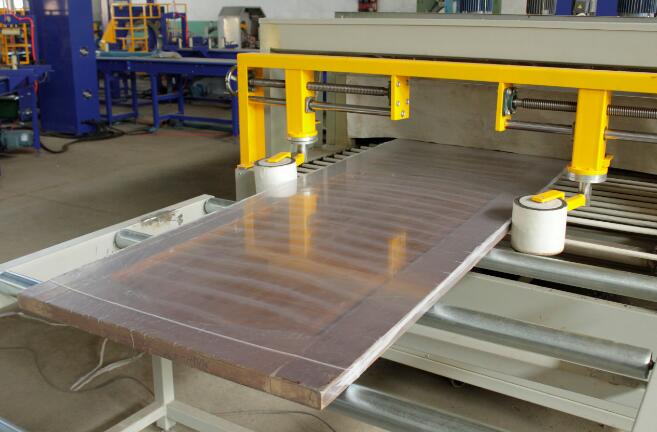
I know what it feels like to face these challenges head-on. In my journey from a factory employee to building my own successful packing machine factory, I saw how much difference the right solutions make. This article will break down how automated door packing can transform your operations. We will look at common problems and see how smart machine choices can solve them.
Is Manual Door Packing a Hidden Cost Trap?
Are you still relying on a large team for packing your doors? This approach might seem simple, but it hides significant costs that eat into your profits every day. Think about wages, benefits, and the constant need for training new staff. These are not small numbers.
Yes, manual door packing is often a major cost trap. It leads to slow output, inconsistent quality, and a higher risk of injuries. These issues combine to create hidden expenses that directly affect your factory’s overall efficiency and financial health.
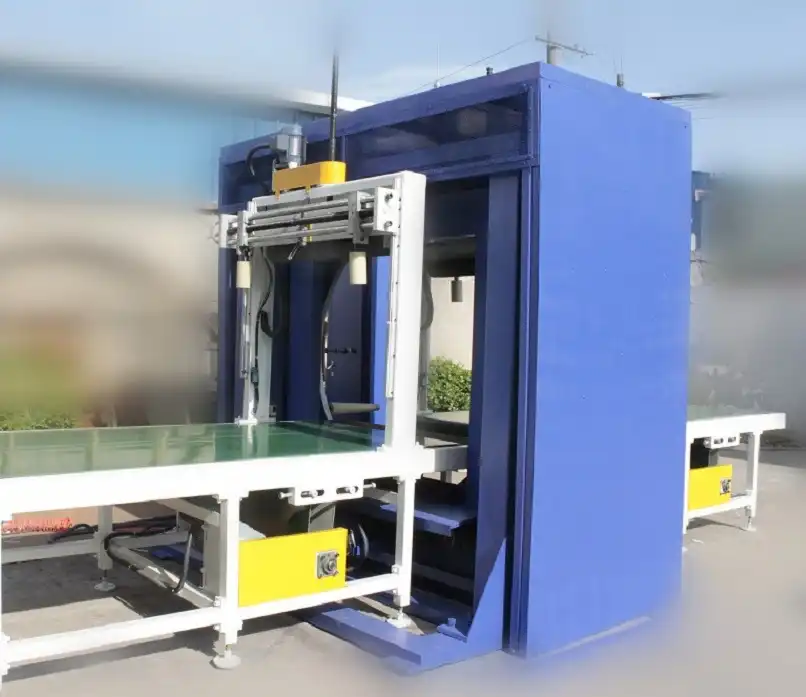
Manual packing processes are full of inefficiencies. Each door needs careful handling. This takes time. When you use human labor for repetitive tasks, errors are bound to happen. A small mistake in wrapping or securing a door can lead to big problems later. This might mean product damage, customer complaints, or even a full return. All of these add up to extra costs. I remember seeing factories where a slight scratch on a finished door meant repainting the whole unit. That wasted both time and materials. Automated systems eliminate these human variables. They apply consistent tension and coverage every time. This ensures each door is packed to the same high standard. It also reduces the need for expensive rework.
How Manual Packing Drags Down Your Business
- Labor Costs: Wages, overtime, benefits, and recruitment expenses for a large packing team are ongoing and substantial.
- Speed Limits: Humans work at a certain pace. Machines work much faster and without breaks. This difference can bottleneck your entire production line.
- Quality Variations: Even the most skilled worker can have an off day. Automated systems ensure uniform packing quality, which reduces defects and customer complaints.
- Hidden Rework: Fixing poorly packed doors or dealing with returns takes staff away from productive tasks. This wastes time and resources.
| Aspect | Manual Packing | Automated Packing |
|---|---|---|
| Speed | Slow, limited by human pace | Fast, continuous, high throughput |
| Cost | High labor, ongoing wages, benefits | Higher upfront, lower operational costs |
| Quality | Inconsistent, prone to human error | Consistent, uniform, precise |
| Safety | High risk of injury | Low risk, protected operations |
| Scalability | Hard to scale quickly | Easy to scale production volume |
| Returns | Higher potential due to errors/damage | Lower potential due to consistent quality |
Investing in automation means converting variable labor costs into fixed asset costs. Over time, the savings on labor, reduced damage, and improved efficiency far outweigh the initial investment. This makes automated packing a smart financial move. It is not just about buying a machine; it is about buying a more efficient and profitable future for your factory.
Can Automation Truly Make Door Packing Safer?
Safety in a factory is not just a buzzword; it is a critical concern for every manager. Manual handling of heavy or awkward items like doors poses serious risks. Workers can strain their backs, drop heavy objects, or get fingers caught. This leads to injuries, lost workdays, and higher insurance premiums.
Yes, automation dramatically improves safety in door packing. Machines handle heavy lifting and repetitive motions. This removes workers from dangerous situations. It significantly reduces the risk of strains, sprains, and other common workplace injuries associated with manual handling.
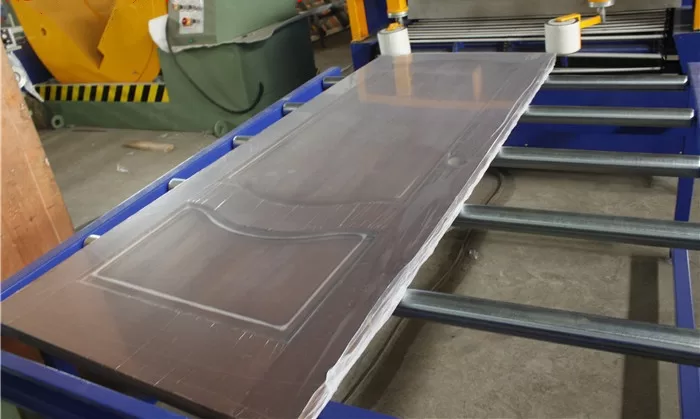
My experience has shown me that worker safety is paramount. A safe workplace is a productive workplace. When I was building my own factory, safety was always a top priority. I saw firsthand how much better things got when we invested in machines that did the dangerous jobs. In manual door packing, workers must lift, twist, and maneuver large, often heavy doors. They might need to wrap them by hand, bending and stretching in awkward positions. These actions, repeated many times a day, cause cumulative stress injuries. These injuries can lead to long-term health problems for employees and high costs for the company. Workers’ compensation claims and increased insurance rates can severely impact a factory’s budget. Beyond the financial aspect, a high injury rate can also damage employee morale and lead to high staff turnover. This creates a cycle of constant recruitment and training.
How Automation Creates a Safer Workplace
- Reduces Manual Lifting: Automated systems use conveyors, clamps, and robotic arms to move doors. This means no more heavy lifting for your workers.
- Minimizes Repetitive Strain: Machines perform the wrapping and securing motions. This protects human workers from repetitive stress injuries.
- Creates Controlled Environments: Safety sensors and interlocks prevent machines from operating if a worker is too close. This creates a safer work zone.
- Frees Up Workers for Safer Tasks: Employees can supervise the machines, monitor quality, or handle other less strenuous tasks. This allows them to use their skills in a safer way.
Consider the cost of a single serious injury: medical bills, lost wages, reduced productivity, and legal fees. These costs can quickly dwarf the investment in an automated packing machine. By automating the packing process, you protect your most valuable asset: your employees. You show them that their well-being matters. This leads to a more stable, motivated, and loyal workforce. A safer workplace also improves your company’s reputation. It makes you a more attractive employer. This makes it easier to recruit and retain talent in the long run.
How Does Automated Packing Protect Your Doors from Damage?
Product damage during packing and transport is a major headache for any factory manager. A scratch, a dent, or a broken corner on a finished door means rework. It means unhappy customers. In the worst cases, it means a full return. All of these cut into your profits and damage your brand.
Automated packing significantly protects your doors from damage. Machines apply precise, consistent wrapping tension and coverage. This minimizes risks like scratches, scuffs, and impacts during handling and shipping. It ensures your products arrive at their destination in perfect condition, reducing the need for costly rework and preventing customer complaints.

I have often heard from clients about the frustration of seeing perfectly good products damaged in the last step. One client, who makes high-end wooden doors, told me that even a tiny chip on the edge would lead to a customer refusing the delivery. This meant shipping the door back, repairing it, and then shipping it again. The costs added up fast. Manual packing, by its nature, introduces variability. The film might be applied too loosely, allowing the door to shift. It might be too tight, causing pressure points. Workers might accidentally bump the door against something. These small issues compound. They lead to damaged goods. Automated systems use sensors and programmable logic controllers (PLCs). These systems ensure the wrapping material is applied with the exact right tension and overlap every single time. They can also use specialized packaging materials like bubble wrap or foam inserts exactly where needed. This creates a protective cocoon around your product.
Key Ways Automation Prevents Damage
- Consistent Wrapping Tension: Machines apply film or other materials with uniform tension. This prevents shifting and protects against abrasions.
- Customizable Protection: Automated systems can apply specific layers of protection. This includes edge protectors, foam, or bubble wrap, precisely where the door is most vulnerable.
- Reduced Handling: Fewer human touches mean fewer opportunities for accidental drops or bumps. Doors move smoothly through the packing process.
- Better Load Stability: Properly wrapped doors are more stable for transport. This reduces the risk of damage from shifting during shipping.
| Risk Factor | Manual Packing Impact | Automated Packing Solution |
|---|---|---|
| Scratches/Abrasions | Inconsistent film tension, exposed surfaces | Uniform film application, full coverage, custom padding |
| Edge/Corner Damage | Manual bumps, inadequate edge protection | Automated edge protectors, precise placement |
| Shift during Transit | Loose wrapping, poor load stability | Tight, consistent wrapping, secure load formation |
| Handling Errors | Human fatigue, accidental drops | Robotic handling, controlled movements |
| Environmental Damage | Inconsistent seal, moisture ingress | Tightly sealed wraps, tailored material selection |
Automated packing is an investment in product integrity. It safeguards your reputation. When customers receive undamaged products, they are more likely to be satisfied. They are more likely to become repeat buyers. This builds trust and strengthens your brand in the marketplace. It also saves you the significant costs and headaches associated with managing returns and performing costly rework.
What Should You Look for in an Automation Partner?
Choosing an automation solution is a big decision. You are not just buying a machine. You are investing in a partnership. Many equipment suppliers focus only on making a sale. They often leave you stranded when you need support or have problems. This can lead to frustration and wasted money.
You should look for an automation partner who understands your specific production challenges and offers long-term support. A good partner brings deep industry knowledge, provides tailored solutions, and has a proven track record of reliable service. They will prioritize your success over just selling a product.
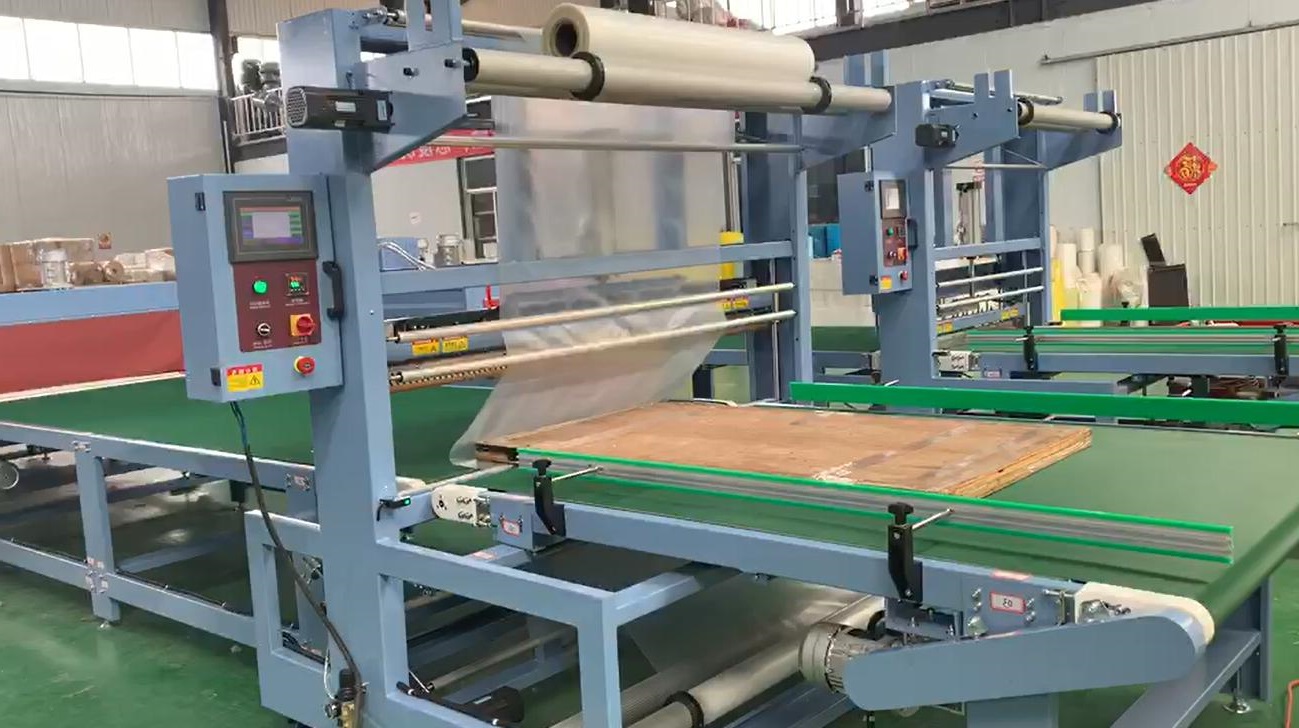
When I started FHOPEPACK, I knew I wanted to be different. My journey in the packing machine industry taught me that true value comes from understanding a client’s specific needs. It comes from providing solutions that genuinely solve their problems. Many suppliers simply offer off-the-shelf machines. They do not ask about your current bottlenecks, your safety concerns, or your specific product damage issues. This often leads to solutions that do not quite fit. It can even make existing problems worse. A reliable partner will take the time to visit your factory, analyze your processes, and suggest the right machine. They will also consider your future growth.
Traits of a Great Automation Partner
- Deep Industry Knowledge: They should understand your specific industry, like metal fabrication or door manufacturing. They should know the unique challenges you face.
- Problem-Solving Approach: They do not just sell machines. They offer solutions to your specific pain points, like efficiency, safety, and damage reduction.
- Strong After-Sales Support: A machine is only as good as its support. Look for partners who offer comprehensive installation, training, maintenance, and spare parts.
- Proven Track Record: Check their references. See if they have helped other businesses like yours achieve their goals.
- Commitment to Your ROI: They should help you understand the return on investment of their solutions. They should show you how their equipment will save you money and increase profits.
Finding the right partner is crucial for a successful automation project. A partner like FHOPEPACK, founded on principles of knowledge sharing and real-world experience, aims to build long-term relationships. We want to see your business grow. We do not just sell machines; we provide the expertise to help you master your wrapping needs. This includes guidance on choosing the right machine, optimizing its use, and maintaining it for peak performance. A true partner becomes an extension of your team, helping you navigate the complexities of automation and ensure your investment truly pays off.
My Insights
My journey in the packing machine industry taught me one fundamental truth: true success for a factory comes from understanding its unique challenges. When I started FHOPEPACK, it was not just about selling machines. It was about sharing the knowledge I gained from the factory floor. It was about helping businesses grow, just as I grew. I believe in practical, effective solutions. For door packing, automation is more than just an upgrade; it is a strategic move. It is about protecting your bottom line, keeping your workers safe, and ensuring your products reach customers in perfect condition. I have seen how the right machine can transform a struggling packing line into a smooth, efficient operation. This leads to higher profits and peace of mind.
Conclusion
Automated door packing is a clear solution for reducing rework and returns. It boosts efficiency, enhances safety, and protects your products. This investment leads to significant cost savings and improved customer satisfaction.








