
How Can a Mold Upender Withstand Russia’s Extreme Cold in Toolmaking Facilities?
Have you ever considered how vital a piece of machinery performs when temperatures drop far below freezing? Imagine a factory in Russia, where the air bites with icy cold. Here, toolmaking facilities rely on heavy equipment to handle massive molds. But what happens when standard machinery just cannot cope with the brutal winter? This problem is real for many factory managers, including those responsible for critical operations. They need reliable solutions that work no matter what.
A mold upender can withstand Russia’s extreme cold in toolmaking facilities through specialized engineering. This includes the use of low-temperature resistant materials, custom hydraulic fluids, and robust electrical components. These features ensure safe and efficient operation even when temperatures drop to -40°C or lower. The right design prevents common cold-weather failures and keeps production lines running smoothly.
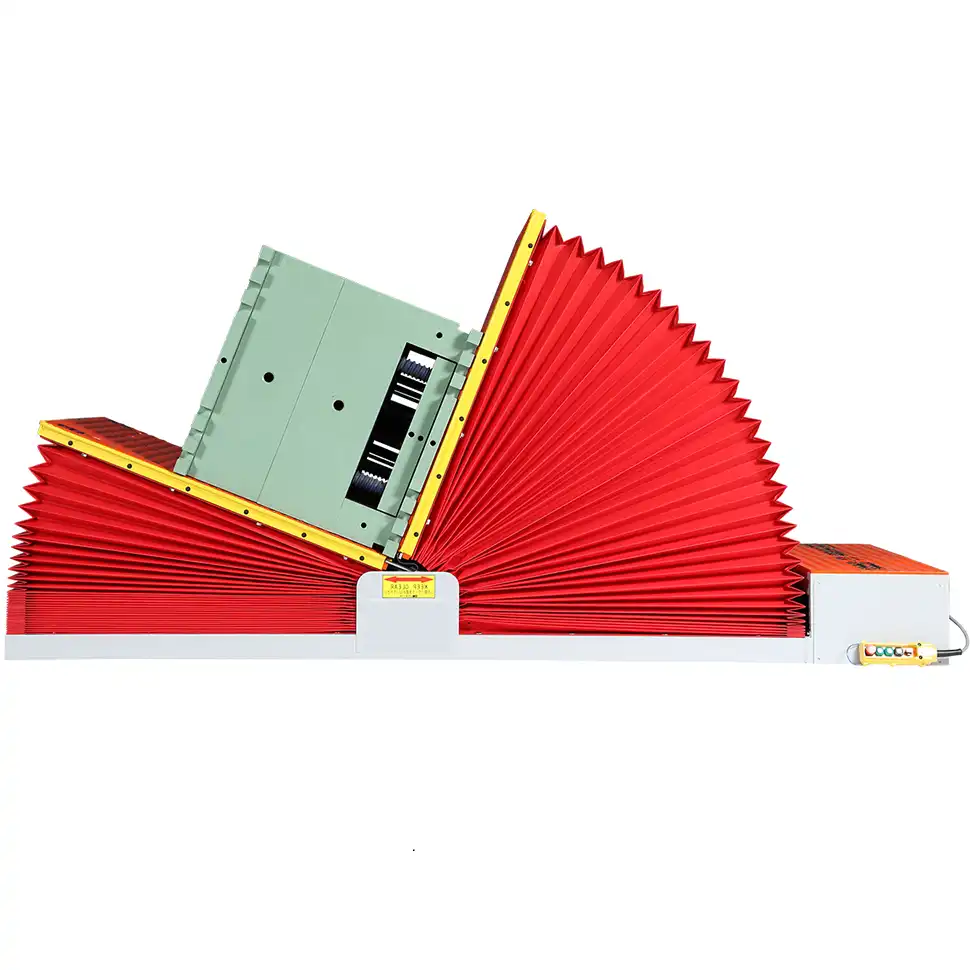
Staying productive in such harsh climates is a major challenge. It needs more than just a strong machine. It calls for a deep understanding of engineering and a commitment to quality. Let us explore how mold upenders can meet these tough demands and why choosing the right one matters for your operations. We will look at the specific ways these machines are built to endure, even in the coldest parts of the world.
What Makes Standard Mold Upenders Fail in Sub-Zero Temperatures?
Have you ever seen machinery seize up when the cold hits? In places like Russia, everyday temperatures can plunge to extreme lows. This makes operating heavy equipment like mold upenders very difficult. Standard machines are often not built for these harsh conditions. They face problems that can stop production cold. This leads to costly downtime and major headaches for factory managers.
Standard mold upenders fail in sub-zero temperatures because their components are not designed for extreme cold. Materials can become brittle, leading to cracks and breaks. Hydraulic fluids can thicken, causing slow or seized operations. Electrical systems can malfunction. Even seals and lubricants can lose effectiveness, resulting in leaks and increased wear. This shows a clear lack of readiness for harsh winter conditions.
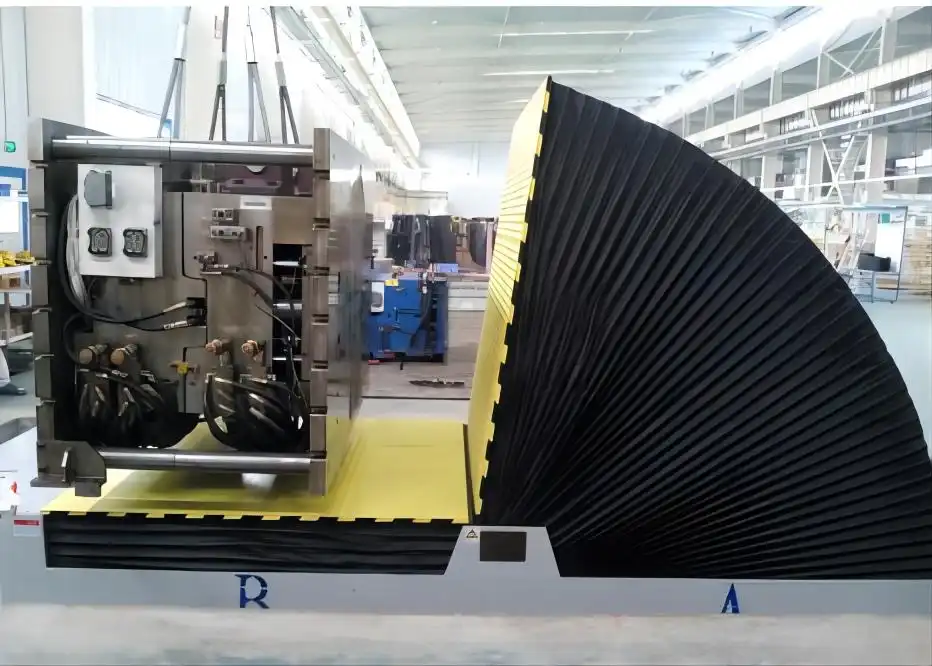
Many people think a machine is just a machine. But in severe cold, the details truly matter. Ignoring these small points can lead to big problems. Let us look closer at why ordinary mold upenders struggle so much when temperatures fall. We will examine the specific ways that cold weather impacts their performance and reliability.
Brittle Materials and Structural Weakness
When metal gets very cold, its properties change. Standard steel can become brittle. It loses its toughness. This means it is more likely to crack or break under stress. Imagine a heavy mold being flipped. The forces on the upender frame are huge. If the metal is brittle, a small impact or even normal operation can cause a major structural failure. This is not just about the main frame. It also includes bolts, welds, and moving parts. Each part needs to maintain its strength and flexibility. If not, the machine can suddenly stop working. This creates a safety risk. It also causes production delays.
Thickening Hydraulic Fluids
Mold upenders rely on hydraulic systems. These systems use fluid to move heavy loads. In normal temperatures, this fluid flows easily. But when it gets very cold, hydraulic fluid thickens. It becomes like syrup. This makes the pump work much harder. It also slows down the machine’s movement. In extreme cases, the fluid might not flow at all. This means the upender simply cannot operate. The thickened fluid also puts more strain on seals and hoses. They can crack or burst under the increased pressure. This leads to leaks. Leaks are messy and dangerous. They also mean the machine loses power and cannot perform its job. Special low-temperature hydraulic fluids are needed. Without them, the system struggles from the moment it starts up.
Electrical System Malfunctions
Modern machinery depends on electrical systems. These include sensors, motors, and control panels. Cold weather can severely affect these parts. Wires can become stiff and brittle. This makes them prone to breaking. Electrical insulation can crack. This creates short circuits. Batteries also lose their power in the cold. This affects starting and consistent operation. Control panels with LCD screens might freeze. They become unreadable. Even small electrical connections can corrode faster in cold, damp conditions. These electrical failures can cause the upender to stop suddenly. They can also lead to incorrect movements. This poses a safety hazard. It also damages the valuable molds being handled. Ensuring all electrical components are rated for extreme cold is essential.
Seal and Lubricant Degradation
Seals keep fluids contained and dirt out. Lubricants reduce friction between moving parts. In extreme cold, standard rubber seals can stiffen and shrink. This causes them to lose their sealing ability. Fluid leaks become common. This means maintenance costs go up. It also means the machine runs less efficiently. Standard greases and oils also thicken in the cold. They can even solidify. This stops them from lubricating effectively. Parts then grind against each other. This causes rapid wear and tear. It can lead to early component failure. Bearings might seize. Gears might strip. Special low-temperature seals and synthetic lubricants are absolutely necessary. They maintain their properties across a wide temperature range. This ensures smooth and continuous operation.
| Component Type | Cold Weather Impact | Potential Failure Mode |
|---|---|---|
| Steel Structures | Becomes brittle | Cracks, fractures |
| Hydraulic Fluid | Thickens, congeals | Slow operation, seizing |
| Electrical Wires | Stiffens, insulation cracks | Shorts, broken circuits |
| Rubber Seals | Stiffens, shrinks | Leaks, fluid loss |
| Lubricants | Thickens, solidifies | Increased friction, wear |
| Bearings | Loss of lubrication | Seizing, failure |
My journey in packing machine manufacturing taught me a simple truth: if a part is not designed for the environment, it will fail. I saw how even a small, overlooked component could bring a whole production line down. This is why material choice and system design are so important in extreme conditions.
How Do Specific Engineering Choices Ensure Cold-Weather Reliability?
Are you wondering how some machines defy the extreme cold? It is not magic. It comes from smart engineering and careful design. For a mold upender to work reliably in freezing temperatures, special considerations are needed. These choices protect the machine from the harsh environment. They ensure it keeps operating smoothly. This prevents the common failures we just talked about.
Specific engineering choices ensure cold-weather reliability for mold upenders by using specialized materials. This includes low-temperature steel for structures and synthetic hydraulic fluids that resist thickening. Electrical components are rated for extreme cold. Seals are made of specific rubber compounds that remain flexible. Heating elements for critical areas also prevent freezing and condensation, ensuring the machine operates consistently in sub-zero conditions.
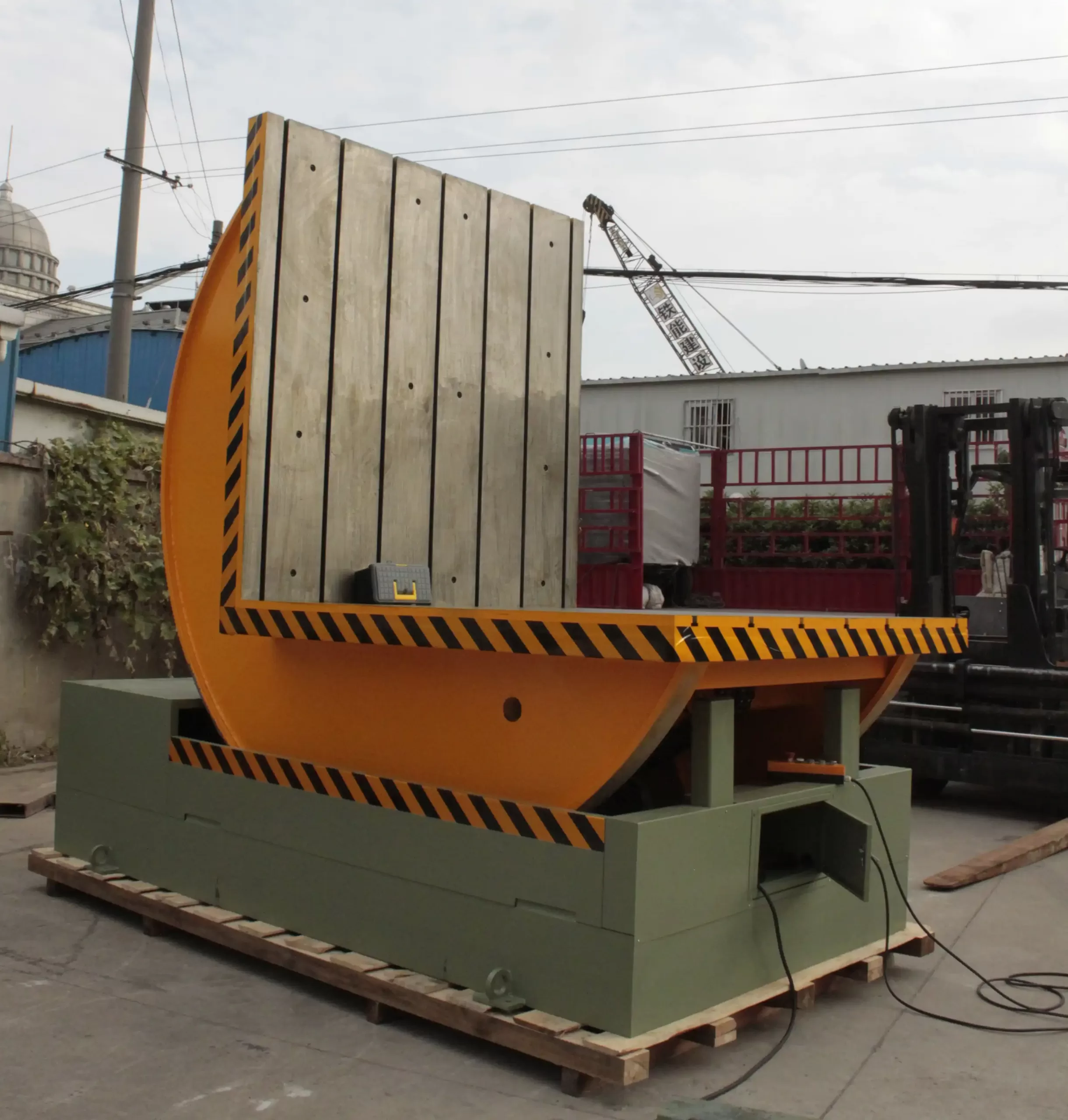
The key is to think ahead. We must anticipate the challenges of the environment. Then we design solutions to overcome them. It is about building resilience into every part of the machine. Let us dive into the specific engineering details that make mold upenders truly cold-resistant.
Specialized Materials for Structural Integrity
To avoid brittle fractures, cold-resistant mold upenders use special steel alloys. These alloys maintain their ductility and strength even at very low temperatures. They do not become brittle. This means the frame and critical load-bearing parts can withstand stress without cracking. The welding process also needs to be precise. It must use low-hydrogen welding techniques to prevent weaknesses. All bolts and fasteners must also be made from cold-resistant materials. They need to handle the thermal expansion and contraction cycles without losing tension. This attention to material science ensures the machine’s core structure remains robust. It will not fail unexpectedly in the bitter cold. This is a fundamental step in building a reliable machine for places like Russia.
Advanced Hydraulic Systems and Fluids
For hydraulics, standard fluids simply will not work. Cold-resistant upenders use synthetic hydraulic fluids. These fluids have a very low pour point. This means they stay liquid and flow easily even at extremely low temperatures. They resist thickening. This allows the pump to operate efficiently. It ensures the machine moves smoothly from the start. The hydraulic system itself may also include heaters. These heaters warm the fluid before operation. They prevent congealing. Hoses and seals are also critical. They are made from cold-resistant compounds like specific grades of Viton or silicone. These materials stay flexible in the cold. They do not crack or leak. This prevents fluid loss. It maintains system pressure. This ensures consistent and powerful operation for lifting and tilting heavy molds.
Robust Electrical and Control Systems
The electrical system needs complete protection from the cold. All wires, cables, and insulation must be rated for low temperatures. This stops them from becoming brittle and cracking. Control panels are often heated and sealed. This prevents moisture from freezing inside. It also keeps condensation from forming. Industrial-grade components like circuit breakers, contactors, and sensors are chosen for their wide operating temperature ranges. Motors may have special insulation. They might also include thermal protection. Batteries used for backup or starting systems are cold-weather specific. They maintain their charge and power output in extreme conditions. All connectors are sealed to prevent moisture ingress. This attention to detail protects sensitive electronics. It ensures reliable communication and control, even when the thermometer drops.
Strategic Heating Elements and Insulation
Sometimes, passive cold resistance is not enough. Strategic heating elements are used in key areas. For example, hydraulic reservoirs may have immersion heaters. Bearing housings might have small heaters. These keep lubricants flowing. Control cabinets can also be heated. This protects sensitive electronics from freezing. Insulation is also important. It helps retain heat. This reduces the energy needed for heating. It also keeps internal components at a more stable temperature. These heating solutions are often controlled automatically. They switch on when temperatures drop below a set point. This proactive approach prevents cold-induced failures. It ensures the upender is always ready to work, no matter how cold it gets outside.
| Engineering Feature | Benefit in Cold Weather | Example Material/Method |
|---|---|---|
| Low-Temp Steel | Prevents brittleness | ASTM A572 Grade 50 steel |
| Synthetic Hydraulic Fluid | Maintains fluidity | ISO VG 22 (e.g., Mobil SHC 624) |
| Cold-Rated Electricals | Prevents cracking, shorts | PVC, XLPE insulation |
| Flexible Seals | Prevents leaks, cracking | Viton, Silicone rubber |
| Heating Elements | Prevents freezing, maintains flow | Reservoir heaters, cabinet heaters |
| Insulation | Retains heat, reduces energy | Enclosed panels, thermal wraps |
I remember a time when a simple wiring issue stopped a whole coil packing line. It was not even that cold. But it showed me how small details can have huge impacts. Investing in the right materials and design for extreme conditions is not an expense. It is an investment in uptime and long-term reliability.
Can a Robust Mold Upender Truly Improve Safety and Efficiency in Toolmaking?
Are you tired of dealing with dangerous manual handling in your factory? Many toolmaking facilities still rely on risky methods for flipping heavy molds. This puts workers in harm’s way. It also slows down production. But what if there was a better way? A well-designed mold upender can change everything. It offers a clear path to safer, more efficient operations. This is true even in harsh environments like Russia.
A robust mold upender truly improves safety and efficiency in toolmaking by eliminating manual heavy lifting. It removes the risk of crush injuries and back strains. The machine completes flips quickly and precisely. This reduces cycle times and product damage. By automating this dangerous task, it frees workers for other jobs. This also boosts overall factory productivity and reduces insurance costs from accidents.
The shift from manual labor to automated solutions is not just about technology. It is about protecting your team. It is also about making your operations smarter. Let us explore the real impact a high-quality mold upender can have on both safety and efficiency in a busy toolmaking plant.
Eliminating Manual Handling Hazards
The most direct benefit of a mold upender is removing the need for workers to manually flip heavy molds. Molds can weigh hundreds or even thousands of pounds. Trying to move or flip them by hand is incredibly dangerous. It leads to severe crush injuries, amputations, and chronic back problems. Michael Chen, a factory manager I know, faced similar issues with manual handling of steel coils. He knew the risks were too high. An upender performs this task with mechanical precision. It keeps workers out of the danger zone. This dramatically reduces the chance of accidents. It also lowers workers’ compensation claims and insurance costs. A safer workplace also means happier employees and less staff turnover. This creates a much better working environment for everyone.
Boosting Operational Efficiency and Speed
Manual mold flipping is slow. It takes time to position the mold. It takes time to get enough people or equipment. It can hold up the entire production line. A mold upender performs this task quickly. It completes a full flip in minutes, sometimes even seconds. This speed reduces bottlenecks at the end of the line. It ensures a smooth flow of materials. This means higher overall output. The upender also performs the flip consistently. There is no human error. This precision helps prevent damage to the valuable molds. Less damage means fewer costly repairs. It also means less rework. This directly improves the factory’s profitability. The rapid cycle times contribute to meeting tight production deadlines.
Reducing Product Damage
When molds are handled manually, there is always a risk of damage. Dropping a mold or hitting its edges can cause significant harm. This leads to expensive repairs or even needing to scrap the mold. For a toolmaking facility, molds are high-value assets. Any damage means a direct loss of profit. An upender handles molds with controlled movements. It uses hydraulic power to gently tilt and rotate. This minimizes impacts and scrapes. It protects the mold’s delicate surfaces and edges. This careful handling ensures the mold stays in perfect condition. It reduces waste. It also boosts customer satisfaction because products are handled with care.
Freeing Up Labor for Value-Added Tasks
By automating the mold flipping process, you free up your workforce. Workers who were previously tied to a dangerous and repetitive task can now be reassigned. They can work on more skilled jobs. They can focus on quality control. They can work on machine operation and maintenance. This optimizes your labor resources. It also adds more value to your overall operations. It means your factory gets more out of its skilled workers. It stops wasting their time on tasks a machine can do better and safer. This strategic redeployment of labor contributes to long-term growth and profitability.
| Benefit Category | Manual Flipping | Mold Upender |
|---|---|---|
| Worker Safety | High risk of injury | Near-zero risk of injury |
| Speed | Slow, inconsistent | Fast, precise |
| Product Damage | High risk | Low risk |
| Labor Use | High manual effort | Automated, frees up labor |
| Overall Cost | High insurance, rework | Lower operational costs |
I have seen countless factories struggle with bottlenecks due to manual handling. Automating simple, repetitive tasks like flipping heavy objects transformed operations for my clients. It was never just about the machine. It was about solving a core problem that hurt their business. It gave them back control over their production and safety.
What Long-Term Benefits Do Cold-Resistant Upenders Offer for Your Factory?
Are you thinking beyond immediate problems to your factory’s future? Investing in equipment is a big decision. It should deliver value for years to come. For factories in harsh climates, a cold-resistant mold upender is more than just a temporary fix. It brings significant long-term benefits. These benefits affect your finances, your operations, and your reputation.
Cold-resistant upenders offer long-term benefits for your factory through reduced operating costs and extended machine lifespan. They lower maintenance needs and decrease downtime. This leads to consistent production and higher profitability. Their robust design also ensures worker safety and protects valuable molds over many years. This creates a reliable and efficient manufacturing environment that contributes to sustained business growth.
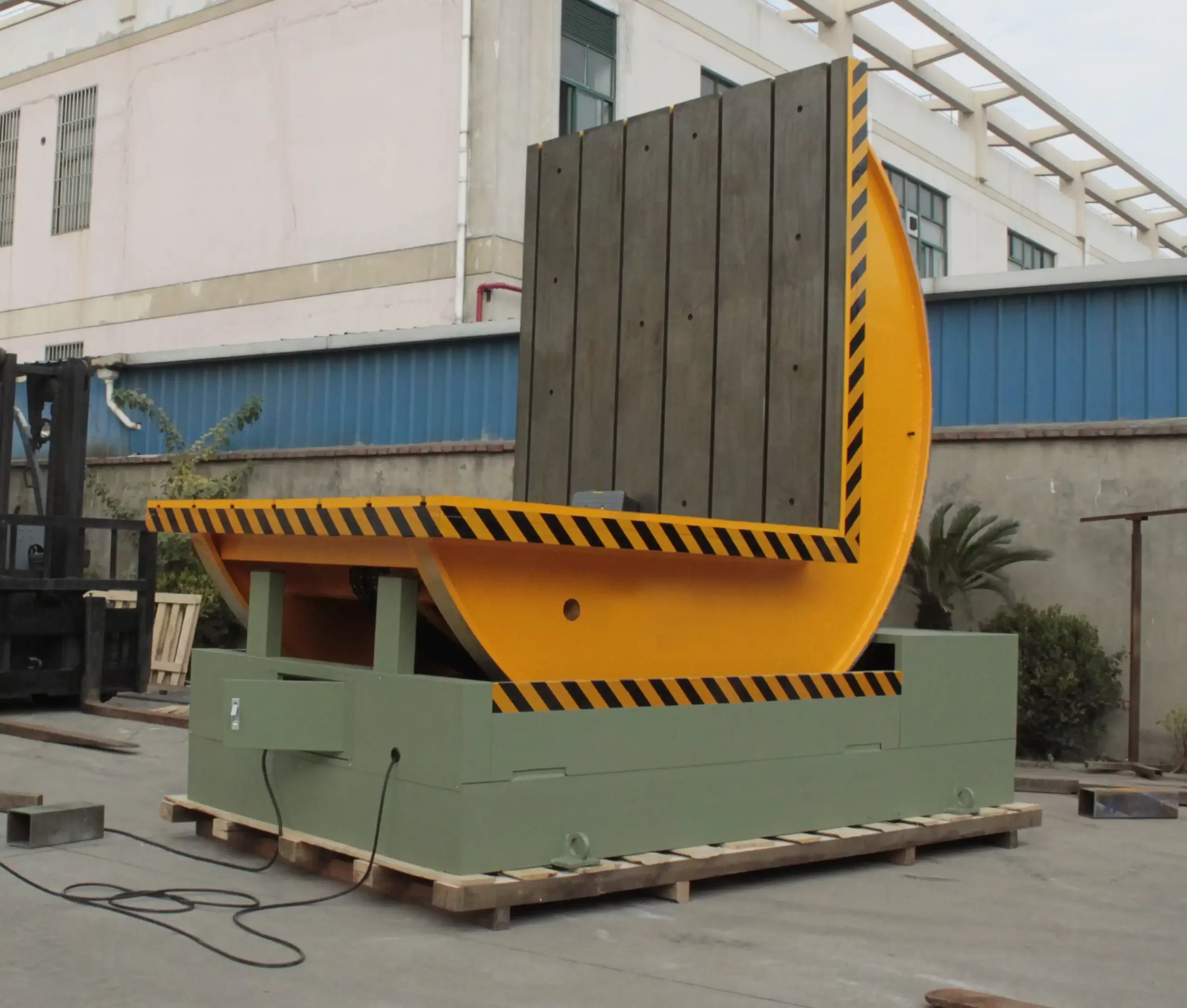
It is about building a foundation for success. It is about making smart choices today that pay off tomorrow. Let us look at the lasting advantages a properly engineered mold upender provides for your toolmaking facility.
Reduced Maintenance and Repair Costs
A mold upender built for extreme cold has stronger parts. It uses better materials. This means less wear and tear over time. Standard machines break down more often in the cold. They need frequent repairs. This costs money. It also takes time. A cold-resistant upender needs fewer spare parts. It needs less labor for repairs. Its robust design prevents common cold-induced failures. This translates into lower ongoing maintenance expenses. It frees up your maintenance team. They can focus on proactive tasks. This also reduces unexpected breakdowns. It improves your budget predictability.
Extended Equipment Lifespan
Because cold-resistant upenders are built tough, they last much longer. They are designed to endure the stresses of heavy use and extreme temperatures. This means you do not need to replace them as often. Michael Chen, the factory manager, values durable equipment. He knows that frequent replacements are expensive. They also disrupt production. A machine with a long lifespan means a better return on your initial investment. It reduces your capital expenditure over time. It ensures your factory has a reliable asset that performs consistently for many years. This contributes to the overall stability of your operations.
Consistent Production and Higher Profitability
Downtime is a killer for factory profits. When a machine breaks, production stops. Orders get delayed. Customers get unhappy. A cold-resistant mold upender runs reliably. It is less likely to break down due to cold. This means consistent uptime. It ensures your production schedule stays on track. Reliable operation leads to higher output. It means you can meet demand. This directly boosts your factory’s profitability. By removing bottlenecks and ensuring smooth material flow, the upender contributes to a more predictable and productive manufacturing process. This financial stability is crucial for any business, especially in competitive markets.
Enhanced Reputation and Customer Trust
A factory that delivers on time, with high-quality products, builds a strong reputation. If your production is always stopped by equipment failure, it hurts your image. By using reliable, advanced equipment like a cold-resistant mold upender, you show commitment to excellence. This helps you build trust with your customers. They know you can handle their orders. They know your products are made efficiently and safely. This positive reputation can attract new clients. It strengthens relationships with existing ones. It becomes a competitive advantage in the long run.
Compliance and Environmental Benefits
Modern, efficient equipment often helps with compliance. It can reduce energy use if designed well. It can also reduce waste from damaged products. While a cold-resistant upender’s main goal is performance, its efficiency can lead to secondary benefits. Fewer breakdowns mean less waste from scrapped parts. Consistent operation can optimize energy use for the overall production line. These factors contribute to a more sustainable operation. This aligns with modern industrial standards. It can even offer environmental benefits.
| Long-Term Benefit | Description | Impact on Factory |
|---|---|---|
| Lower Maintenance | Fewer repairs, less parts needed | Cost savings, better resource allocation |
| Longer Lifespan | Machine lasts many years | Reduced capital expenditure, stable operations |
| Consistent Production | Fewer breakdowns, smooth flow | Higher output, increased revenue |
| Improved Profitability | Reduced costs, increased output | Stronger financial health |
| Enhanced Reputation | Reliable operations, quality products | More customers, stronger brand |
I learned that the cheapest solution is rarely the best one in the long run. My goal for my clients was always to help them grow their businesses sustainably. That means looking at the bigger picture. It means investing in quality that pays dividends for years.
My Insights!
When I started my journey in the packing machine industry, I was an employee. I saw problems every day on the factory floor. I saw inefficient processes. I saw dangerous tasks. Later, when I built my own factory, I made a promise to myself. I would focus on solutions that truly work. I would focus on solutions that protect people and boost profits. This is why I understand what factory managers like Michael Chen go through. He wants reliability. He needs safety. He expects efficiency. He knows that a breakdown means big losses.
My experience with coil packing and steel wire packing taught me a lot about heavy industry. It taught me about the demands of continuous operation. It showed me how critical it is to have machines that can withstand tough conditions. Whether it is a coil packer or a mold upender, the principles are similar. You need robust engineering. You need reliable components. You need a partner who understands your challenges. I built my business on sharing this knowledge. I want to help others succeed.
When we talk about a mold upender for Russia’s extreme cold, it is not just about a piece of metal. It is about a system. It is about every bolt, every wire, every drop of fluid. It is about the careful design that goes into making it withstand -40°C. It is about ensuring your factory keeps running when others freeze up. I believe in giving back. I want to share the insights I gained from years in the industry. Choosing the right equipment, especially for harsh environments, is a strategic move. It is an investment in your people. It is an investment in your future. It ensures your business can master the challenge of wrapping or flipping, no matter the conditions.
I saw many suppliers who only cared about the sale. They did not care about the long-term success of their clients. This is not how FHOPEPACK works. We are a knowledge-sharing platform. We want to empower you with the right information. We want you to make the best decisions for your factory. My personal journey showed me the value of true partnership. It showed me the power of reliable equipment. It showed me the joy of seeing clients achieve financial independence. I want to pass that on to you.
Conclusion
Choosing a cold-resistant mold upender ensures safety, boosts efficiency, and guarantees long-term reliability for toolmaking in extreme conditions. It is a smart investment in your factory’s future.








